Phoebe Moore – författare
257 kr
Skickas inom 5-8 vardagar
907 kr
Skickas inom 5-8 vardagar
143 kr
Läs direkt efter köp
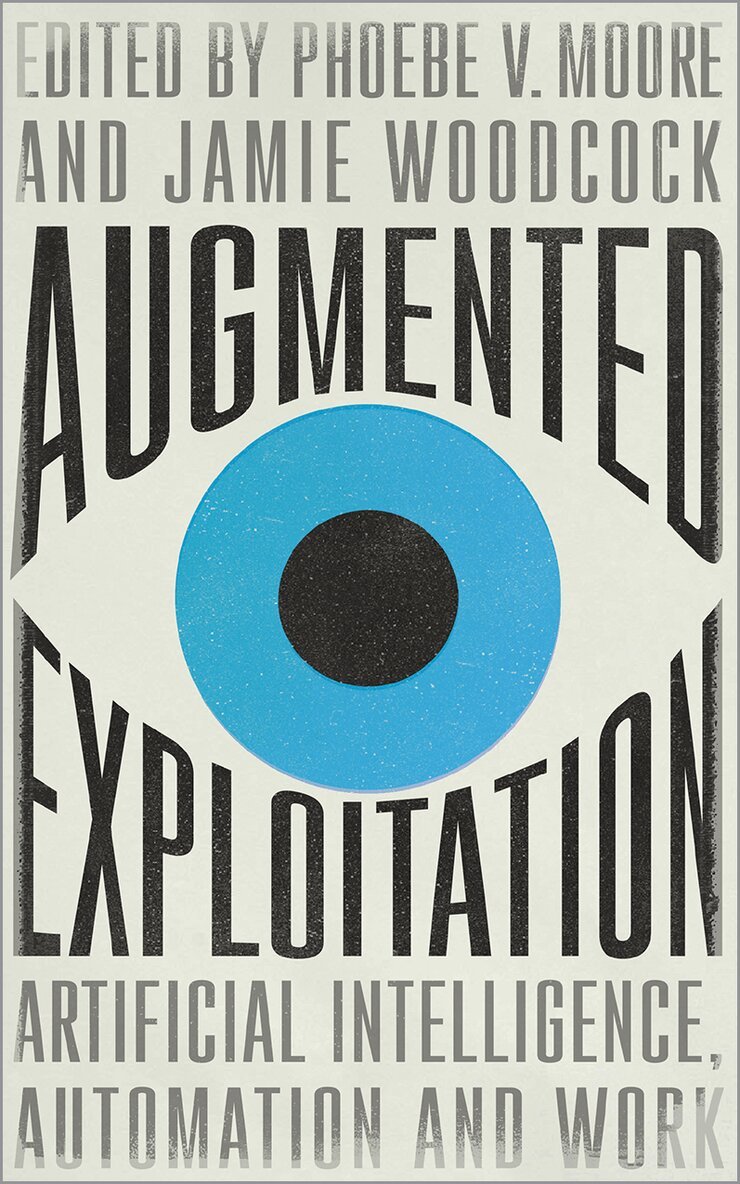
Artificial Intelligence is a seemingly neutral technology, but it is increasingly used to manage workforces and make decisions to hire and fire employees. Its proliferation in the workplace gives the impression of a fairer, more efficient system of management. A machine can''t discriminate, after all.Augmented Exploitation explores the reality of the impact of AI on workers'' lives. While the consensus is that AI is a completely new way of managing a workplace, the authors show that, on the contrary, AI is used as most technologies are used under capitalism: as a smokescreen that hides the deep exploitation of workers.Going beyond platform work and the gig economy, the authors explore emerging forms of algorithmic governance and AI-augmented apps that have been developed to utilise innovative ways to collect data about workers and consumers, as well as to keep wages and worker representation under control. They also show that workers are not taking this lying down, providing case studies of new and exciting form of resistance that are springing up across the globe.
Globalisation and Labour Struggle in Asia
A Neo-Gramscian Critique of South Korea's Political Economy
482 kr
Läs direkt efter köp
1 404 kr
Skickas inom 10-15 vardagar
1 148 kr
Läs direkt efter köp
921 kr
Skickas inom 10-15 vardagar
Globalisation and Labour Struggle in Asia
A Neo-Gramscian Critique of South Korea's Political Economy
470 kr
Skickas inom 10-15 vardagar
4 753 kr
Skickas inom 5-8 vardagar
849 kr
Läs direkt efter köp
Moving beyond traditional disciplinary boundaries, this Handbook provides a comprehensive account of the relations between different forms of work, exploitation, class configuration and worker resistance. With insights from global experts across the social sciences, it examines changes in technology, geographies of production, and the dynamics of the global capitalist political economy to map modern configurations of work. Using ongoing empirical qualitative research, contributors explore key issues such as capital accumulation, migration, digital work, trade unionism and reproductive labour. There is a particular focus on perspectives from the Global South, with in-depth analyses of class and work in countries and regional economic blocs used to explore the dynamics between the local and the global.
Providing an authoritative overview of traditional and current debates, this Handbook will be an essential resource for students and researchers of political economy, industrial relations and the sociology of work, critical management studies, social movement studies, and development.