Pierre Ritchie – författare
Visar alla böcker från författaren Pierre Ritchie. Handla med fri frakt och snabb leverans.
4 produkter
4 produkter
1 340 kr
Skickas inom 10-15 vardagar
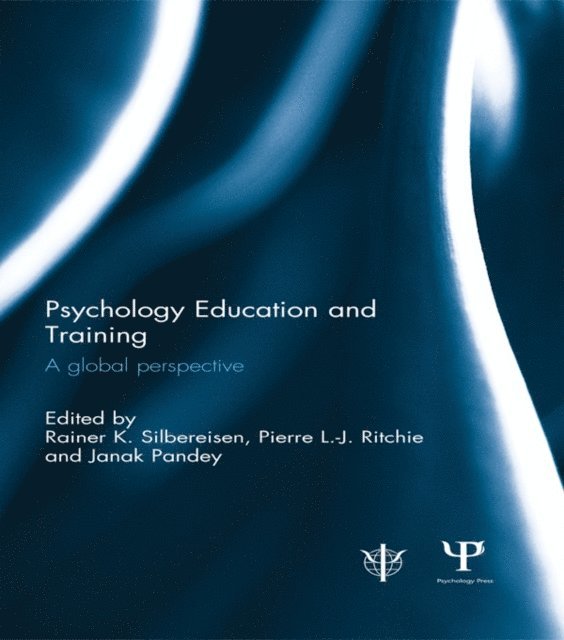
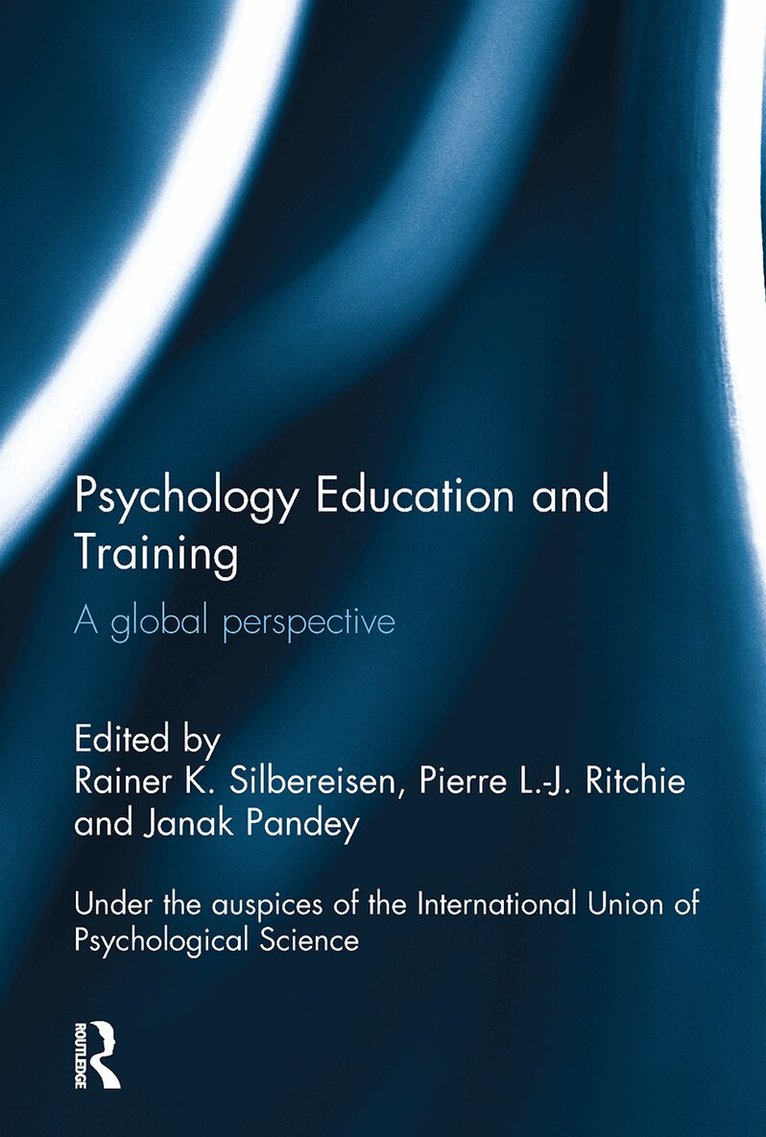
Much of the psychological research in the last century has been conducted in the global North West; hence, many prevailing theories and methodologies reflect the philosophical framework and shared cultural knowledge of this region. Other world views and cultural contexts have, as yet, not had the same opportunity to develop scientific insights that come to the attention of global audiences. Psychology Education and Training is the first truly international effort to generate a framework for common standards in psychological education and training across the globe.Psychologists have long studied human beings in their socio-cultural context. New challenges such as globalisation and the relationship of the brain and behavior require that education and training keep pace with these rapidly evolving developments. The chapters in this book were generated by an international conference which resulted in the Dornburg Accord. While anchored in higher education, the focus is on the generative and translational psychological science needed to fulfill psychology’s responsibility to society. Psychology Education and Training is the first book of its kind to cover both historic strengths and the requirements of emerging fields. The book deals with balancing the universalities and cultural specificities of psychological processes, the adjustments to academic curricula required to support national needs, as well as the credentials and regulations required to assure the quality of psychological services.Psychology Education and Training is unique in providing initial data and concurrent assessment of various components of education and training in psychology across the globe. The book is a must for faculty members, advanced students of psychology and policy-makers who are interested in the issues that shape their societies.
460 kr
Skickas inom 10-15 vardagar
Much of the psychological research in the last century has been conducted in the global North West; hence, many prevailing theories and methodologies reflect the philosophical framework and shared cultural knowledge of this region. Other world views and cultural contexts have, as yet, not had the same opportunity to develop scientific insights that come to the attention of global audiences. Psychology Education and Training is the first truly international effort to generate a framework for common standards in psychological education and training across the globe.Psychologists have long studied human beings in their socio-cultural context. New challenges such as globalisation and the relationship of the brain and behavior require that education and training keep pace with these rapidly evolving developments. The chapters in this book were generated by an international conference which resulted in the Dornburg Accord. While anchored in higher education, the focus is on the generative and translational psychological science needed to fulfill psychology’s responsibility to society. Psychology Education and Training is the first book of its kind to cover both historic strengths and the requirements of emerging fields. The book deals with balancing the universalities and cultural specificities of psychological processes, the adjustments to academic curricula required to support national needs, as well as the credentials and regulations required to assure the quality of psychological services.Psychology Education and Training is unique in providing initial data and concurrent assessment of various components of education and training in psychology across the globe. The book is a must for faculty members, advanced students of psychology and policy-makers who are interested in the issues that shape their societies.
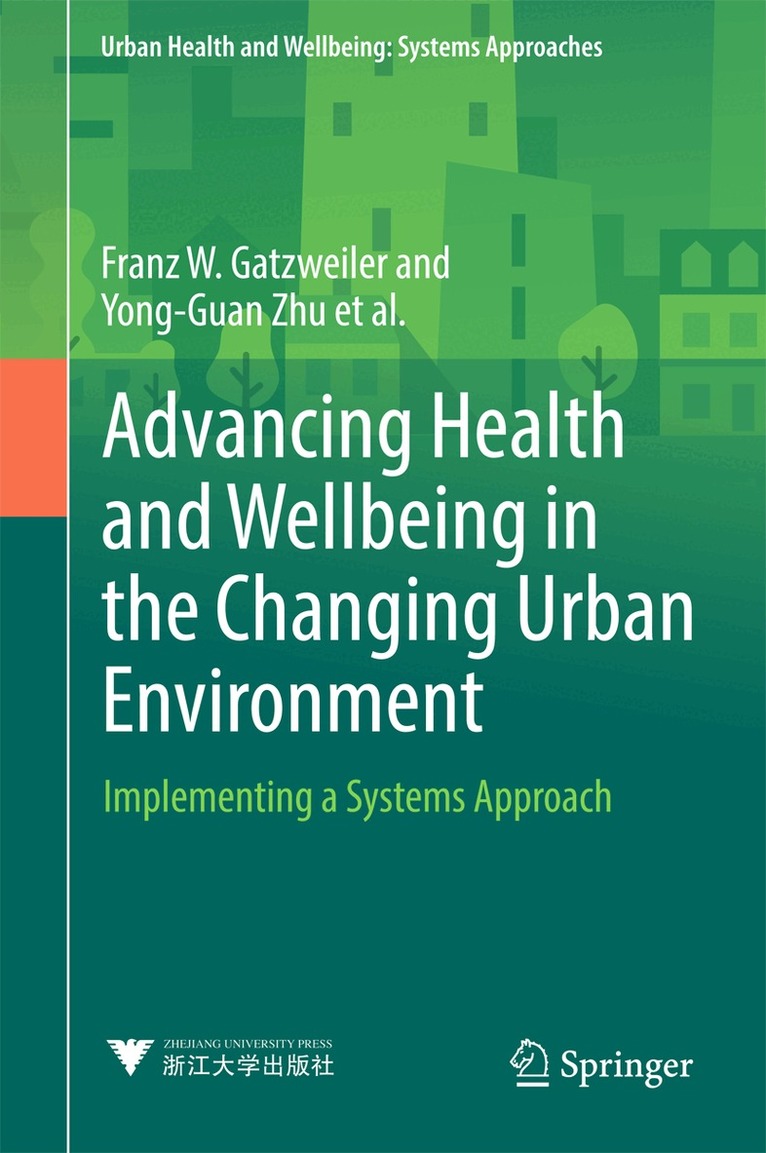
Advancing Health and Wellbeing in the Changing Urban Environment
Implementing a Systems Approach
Inbunden, Engelska, 2017
1 103 kr
Skickas inom 10-15 vardagar
This book addresses up-to-date urban health issues from a systems perspective and provides an appealing integrated urban development strategy based on a 10-year global interdisciplinary research programme created by the International Council for Science (ICSU), and sponsored by the InterAcademy Partnership (IAP) and the United Nations University (UNU). The unique feature of this book is its “systems approach” to urban health and wellbeing: solution-oriented for science and society and not purely theoretical, it can be applied in the context of decision-making, and has the potential to unlock cities’ unused potential by promoting health and wellbeing. Furthermore, the inter- and transdisciplinary urban issues addressed in this book are examined from a cross-sectoral perspective – e.g. the transport sector is addressed in connection with air pollution, respiratory and cardiovascular diseases and the loss of productivity. The interconnected thinking to urban health and wellbeing makesthe book a particularly valuable resource. Decision makers in city administrations and civil society organizations from different geographical regions will find the book an informative and inspiring guide for delivering towards the goals of the New Urban Agenda, for which health can be the vital indicator of progress. Graduate students and researchers will be attracted by the case studies, systems methods and models provided in the book.
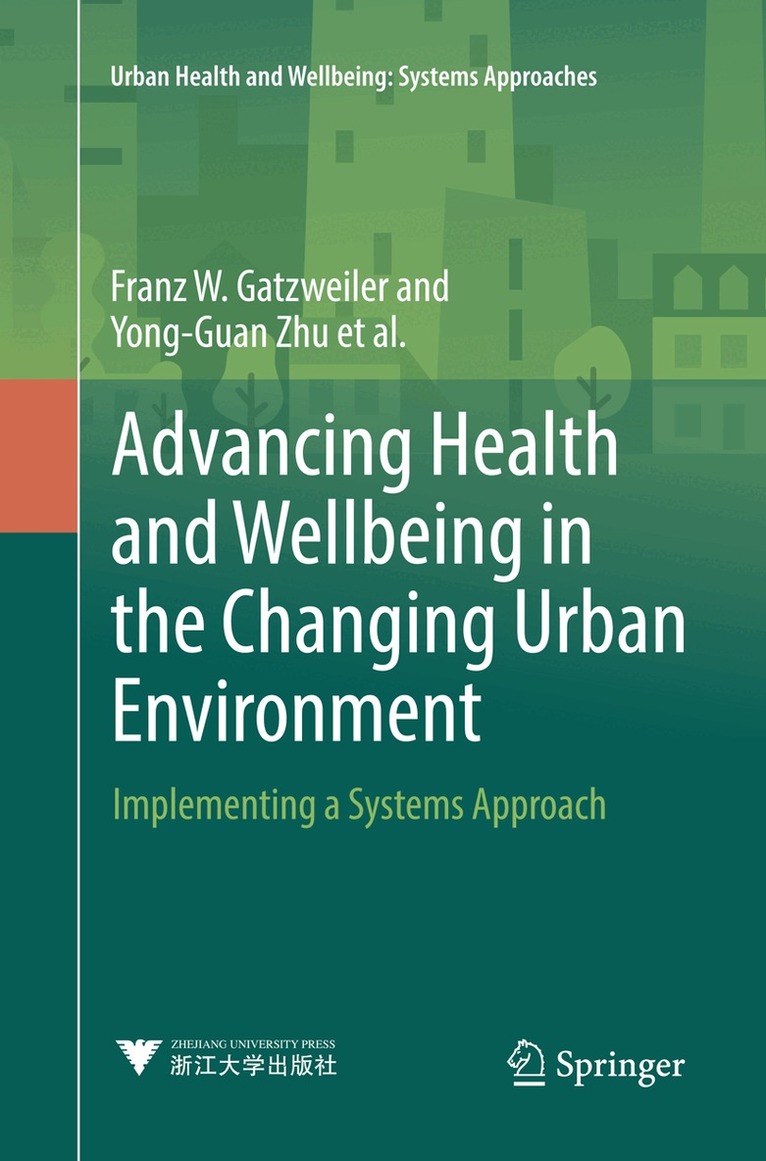
Advancing Health and Wellbeing in the Changing Urban Environment
Implementing a Systems Approach
Häftad, Engelska, 2018
1 103 kr
Skickas inom 10-15 vardagar
This book addresses up-to-date urban health issues from a systems perspective and provides an appealing integrated urban development strategy based on a 10-year global interdisciplinary research programme created by the International Council for Science (ICSU), and sponsored by the InterAcademy Partnership (IAP) and the United Nations University (UNU). The unique feature of this book is its “systems approach” to urban health and wellbeing: solution-oriented for science and society and not purely theoretical, it can be applied in the context of decision-making, and has the potential to unlock cities’ unused potential by promoting health and wellbeing. Furthermore, the inter- and transdisciplinary urban issues addressed in this book are examined from a cross-sectoral perspective – e.g. the transport sector is addressed in connection with air pollution, respiratory and cardiovascular diseases and the loss of productivity. The interconnected thinking to urban health and wellbeing makesthe book a particularly valuable resource. Decision makers in city administrations and civil society organizations from different geographical regions will find the book an informative and inspiring guide for delivering towards the goals of the New Urban Agenda, for which health can be the vital indicator of progress. Graduate students and researchers will be attracted by the case studies, systems methods and models provided in the book.