P.O. Witze – författare
Visar alla böcker från författaren P.O. Witze. Handla med fri frakt och snabb leverans.
6 produkter
6 produkter
Inbunden, Engelska, 1988
2 174 kr
Skickas inom 10-15 vardagar
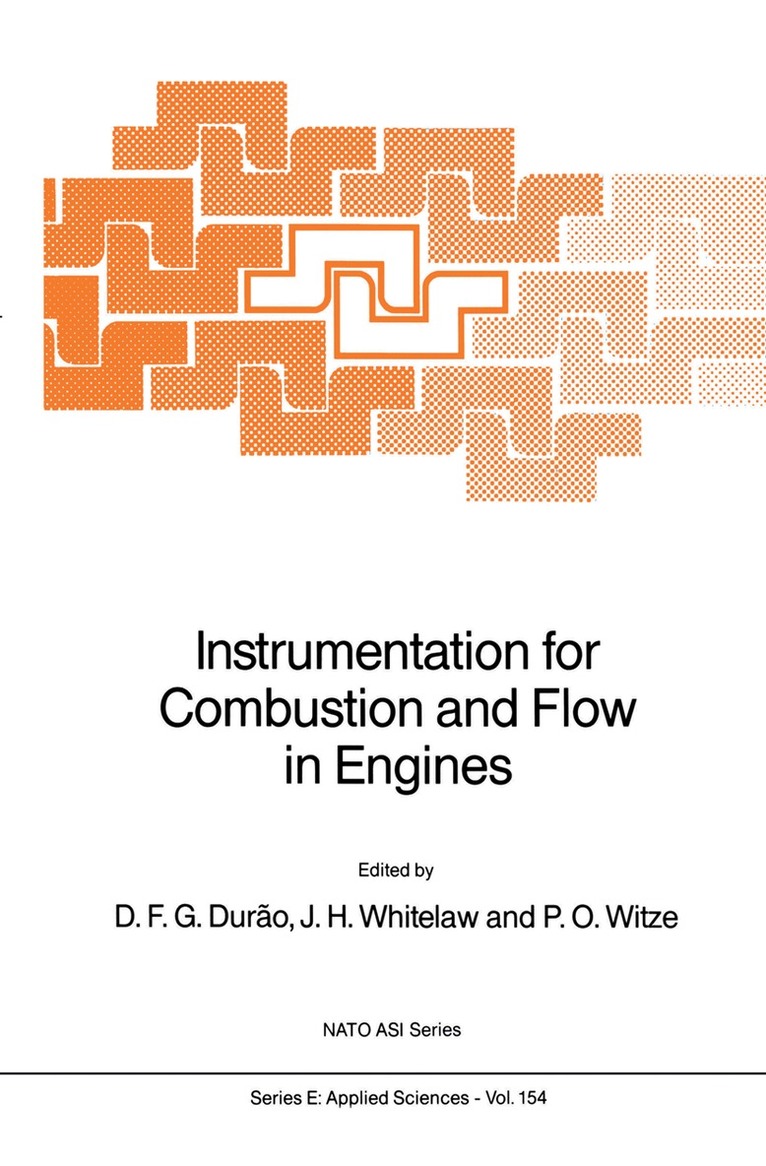
Much has been said and written about the abilities of modern instrumentation to help solve problems of combustion in engines. In the main, however, the design and fabr ication of combustion chambers continues to be based on extrapolation of exper ience gained from use and rig tests, with little input from advanced techniques such as those based on optical diagnotics. At the same time, it has become increasingly difficult to design better combustion chambers without knowledge of the relevant flow processes. Thus, the future must involve improved understanding which, in turn, will require detailed measurements of velocity, temperature and concentration. The need to narrow the gap between current industrial practice and the acquisition and implementation of improved techniques motivated the organization of the Advanced Study Institute upon which this volume is based. This Institute on Instrumentation for Combustion and Flow in Engines was arranged to display the needs of industry and the possibilities made available by modern instrumentation and, at the same time, to make clear the relative advantages of optical and probe techniques. Held at Vimeiro during the period from 13 to 26 September, 1987, the Institute was attended by 120 participants and 16 invited lecturers.
Inbunden, Engelska, 1991
3 258 kr
Skickas inom 10-15 vardagar
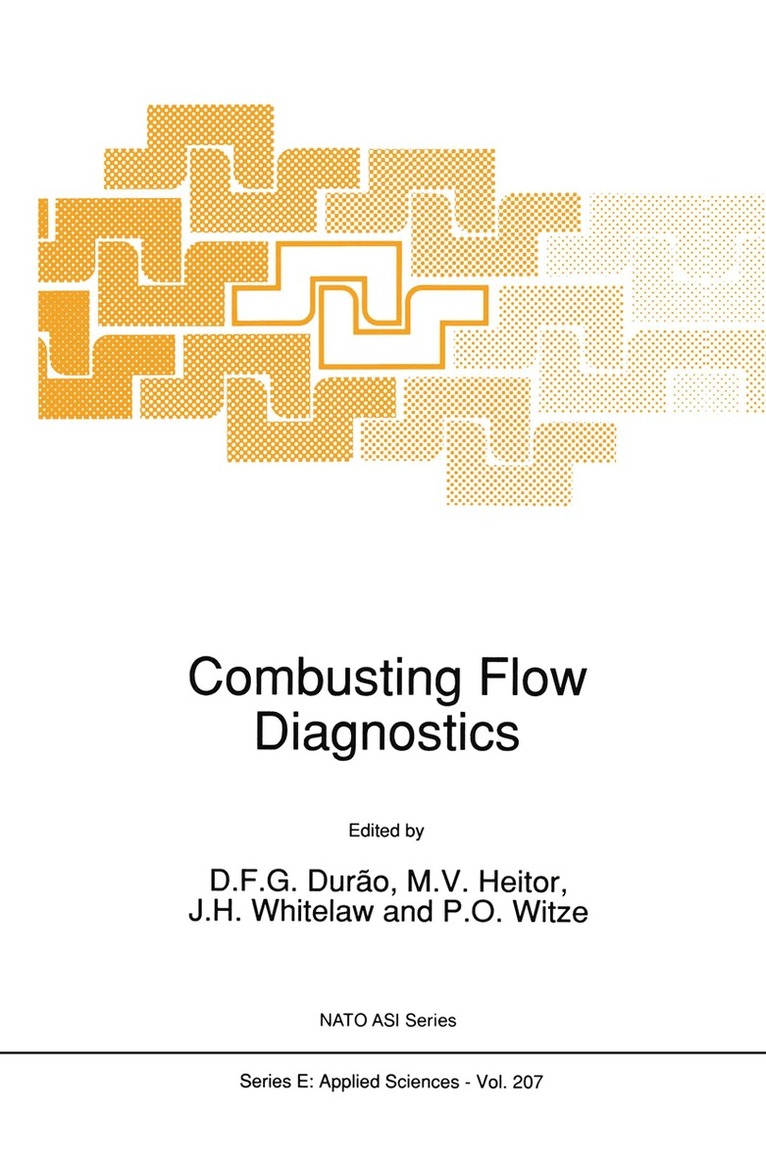
This book consists of papers prepared for and presented at a NATO sponsored Advanced Study Institute which was held in Montechoro, Portugal during the period 16-27 April, 1990. This Institute was attended by approximately ninety delegates from fifteen countries and followed from a related Institute held in Vimeiro, Portugal in 1987 (see the book entitled "Instrumentation for Combustion and Flow in Engines", edited by D. F. G. Dur~o, J. H. Whitelaw and P. O. Witzel. The purposes of the first Institute related closely to instrumentation for use in gas-turbine combustors and the cylinders of internal-combustion engines. These topics were also addressed in the second Institute, though in a manner which was wider ranging and chosen to demonstrate and explain the development and application of measurement methods to combusting flows in general. The papers contained in this boo~ were selected to provide the reader with a comprehensive and up-to-date view of the variety of experimental techniques available to measure in combusting flows. Included are discussions of their range and applicability, potential accuracy and ease of use. Thus, the first paper provides a brief overview and the second an indication of those aspects of combustion which should influence the choice of flow property to be measured and the technique to be used.
E-bok
PDF, Engelska, 20122 741 kr
Läs direkt efter köp
Much has been said and written about the abilities of modern instrumentation to help solve problems of combustion in engines. In the main, however, the design and fabr ication of combustion chambers continues to be based on extrapolation of exper ience gained from use and rig tests, with little input from advanced techniques such as those based on optical diagnotics. At the same time, it has become increasingly difficult to design better combustion chambers without knowledge of the relevant flow processes. Thus, the future must involve improved understanding which, in turn, will require detailed measurements of velocity, temperature and concentration. The need to narrow the gap between current industrial practice and the acquisition and implementation of improved techniques motivated the organization of the Advanced Study Institute upon which this volume is based. This Institute on Instrumentation for Combustion and Flow in Engines was arranged to display the needs of industry and the possibilities made available by modern instrumentation and, at the same time, to make clear the relative advantages of optical and probe techniques. Held at Vimeiro during the period from 13 to 26 September, 1987, the Institute was attended by 120 participants and 16 invited lecturers.
Häftad, Engelska, 2012
3 258 kr
Skickas inom 10-15 vardagar
This book consists of papers prepared for and presented at a NATO sponsored Advanced Study Institute which was held in Montechoro, Portugal during the period 16-27 April, 1990. This Institute was attended by approximately ninety delegates from fifteen countries and followed from a related Institute held in Vimeiro, Portugal in 1987 (see the book entitled "Instrumentation for Combustion and Flow in Engines", edited by D. F. G. Dur~o, J. H. Whitelaw and P. O. Witzel. The purposes of the first Institute related closely to instrumentation for use in gas-turbine combustors and the cylinders of internal-combustion engines. These topics were also addressed in the second Institute, though in a manner which was wider ranging and chosen to demonstrate and explain the development and application of measurement methods to combusting flows in general. The papers contained in this boo~ were selected to provide the reader with a comprehensive and up-to-date view of the variety of experimental techniques available to measure in combusting flows. Included are discussions of their range and applicability, potential accuracy and ease of use. Thus, the first paper provides a brief overview and the second an indication of those aspects of combustion which should influence the choice of flow property to be measured and the technique to be used.
Häftad, Engelska, 2011
2 174 kr
Skickas inom 10-15 vardagar
Much has been said and written about the abilities of modern instrumentation to help solve problems of combustion in engines. In the main, however, the design and fabr ication of combustion chambers continues to be based on extrapolation of exper ience gained from use and rig tests, with little input from advanced techniques such as those based on optical diagnotics. At the same time, it has become increasingly difficult to design better combustion chambers without knowledge of the relevant flow processes. Thus, the future must involve improved understanding which, in turn, will require detailed measurements of velocity, temperature and concentration. The need to narrow the gap between current industrial practice and the acquisition and implementation of improved techniques motivated the organization of the Advanced Study Institute upon which this volume is based. This Institute on Instrumentation for Combustion and Flow in Engines was arranged to display the needs of industry and the possibilities made available by modern instrumentation and, at the same time, to make clear the relative advantages of optical and probe techniques. Held at Vimeiro during the period from 13 to 26 September, 1987, the Institute was attended by 120 participants and 16 invited lecturers.
E-bok
PDF, Engelska, 20123 809 kr
Läs direkt efter köp
This book consists of papers prepared for and presented at a NATO sponsored Advanced Study Institute which was held in Montechoro, Portugal during the period 16-27 April, 1990. This Institute was attended by approximately ninety delegates from fifteen countries and followed from a related Institute held in Vimeiro, Portugal in 1987 (see the book entitled "Instrumentation for Combustion and Flow in Engines", edited by D. F. G. Dur~o, J. H. Whitelaw and P. O. Witzel. The purposes of the first Institute related closely to instrumentation for use in gas-turbine combustors and the cylinders of internal-combustion engines. These topics were also addressed in the second Institute, though in a manner which was wider ranging and chosen to demonstrate and explain the development and application of measurement methods to combusting flows in general. The papers contained in this boo~ were selected to provide the reader with a comprehensive and up-to-date view of the variety of experimental techniques available to measure in combusting flows. Included are discussions of their range and applicability, potential accuracy and ease of use. Thus, the first paper provides a brief overview and the second an indication of those aspects of combustion which should influence the choice of flow property to be measured and the technique to be used.