Prakash Kumar Sarangi – författare
2 312 kr
Skickas inom 10-15 vardagar
Bioenergy Engineering: Fundamentals, Methods, Modelling, and Applications presents the fundamental principles, recent developments, innovative state-of the-art technologies, challenges, solutions and future perspectives on the production of biofuels and bioenergy. Balancing the scientific and engineering aspects of biofuels production, the book guides readers through the chemical kinetics, modeling, thermodynamics, unit operations and technological advancements in fuel processing from conventional and alternative resources. Each chapter of the book starts with the fundamentals and goes on to assess the latest technologies for the production of renewable fuels on topics.
Sections cover biomass utilization, biomass-to-liquid conversion technologies (pyrolysis, liquefaction, solid-state fermentation and submerged fermentation), biomass-to-gas conversion technologies (thermochemical gasification, subcritical and supercritical water gasification, and methanation), gas-to-liquid conversion technologies (Fischer-Tropsch synthesis), carbonization, transesterification, organic transformation, carbon-carbon and carbon-heteroatom coupling reactions, oxidation, reforming, hydrotreating technologies (hydrogenation, hydrodesulfurization, hydrodenitrogenation, hydro dearomatization and hydro demetalization), nanocatalysis and biocatalysis (enzymatic hydrolysis), and much more.
Analyzes emerging technologies for the sustainable conversion of various waste and non-waste materials into bioenergy and biofuels Examines a wide range of feedstocks and conversion pathways for liquid and gaseous biofuels Offers practical guidance and data on how to conduct lifecycle assessment, techno-economic analysis, and utilize GIS modeling for a range production pathways3 293 kr
Läs direkt efter köp
940 kr
Skickas inom 10-15 vardagar
942 kr
Läs direkt efter köp
942 kr
Läs direkt efter köp
416 kr
Läs direkt efter köp
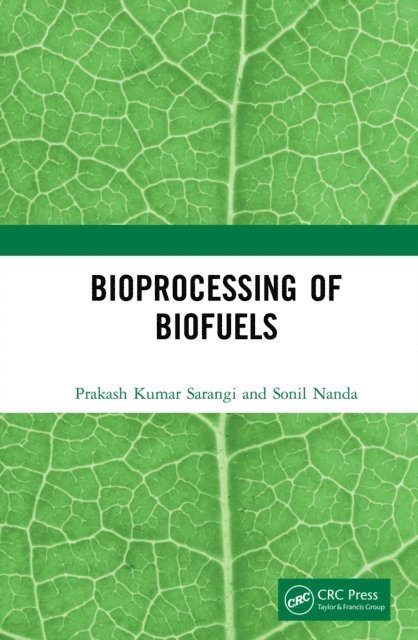
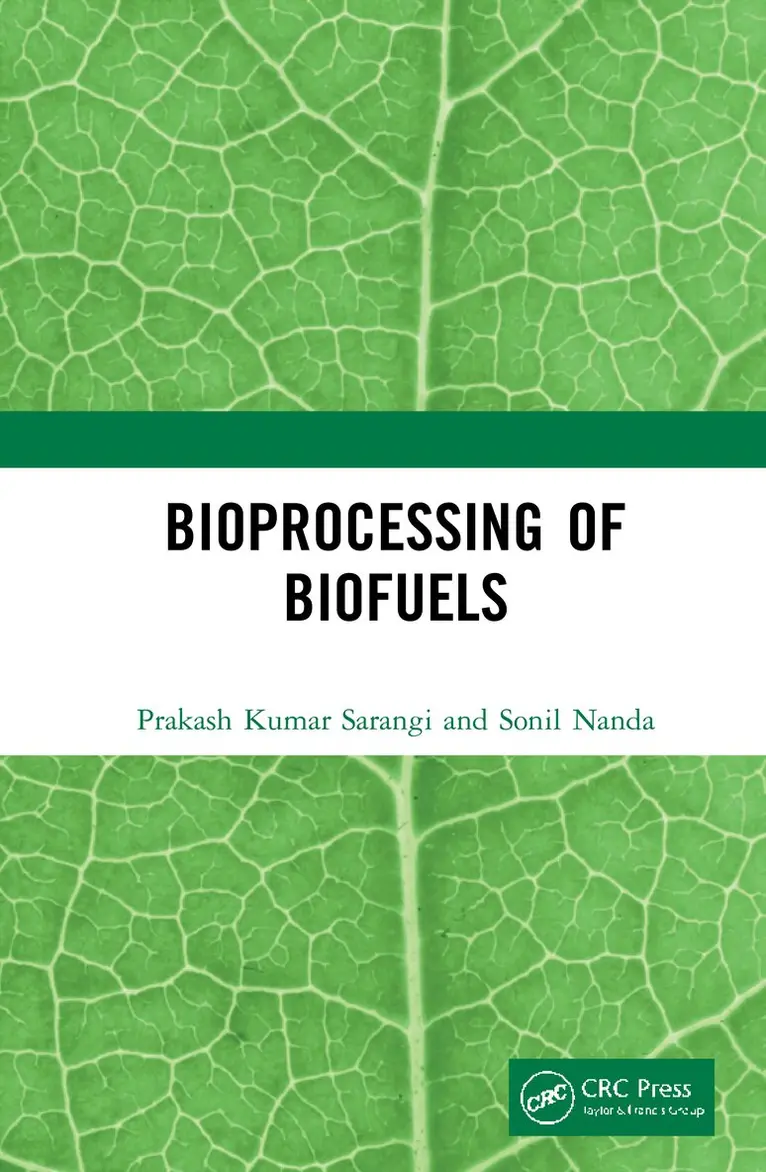
The major issues relating to environmental sustainability such as a heavy dependency on fossil fuels, increased greenhouse gas emissions, pollution, global warming and climate change have prompted many efforts around the globe to seek alternative energy sources that have negligible environmental impacts and societal benefits. There is an immense interest in biofuels research throughout the world owing to its massive potential to address environmental concerns. Biofuels have the capacity to supplement current and future energy demands through being blended with fossil fuels or even replacing them completely as drop-in fuels in automobiles as well as for heating and the power industries. Waste biomass, primarily lignocellulosic biomass (e.g. agricultural crop residues, forestry biomass and energy crops) and microalgae can act as some inexpensive renewable bioresources for the production of biofuels and biochemicals. The prime focus of Bioprocessing of Biofuels is to shed light on this significant process, especially through microbial conversion technologies to recover and transform the inedible polysaccharides into hydrocarbon biofuels and bioenergy.
The book offers introductory coverage of the most crucial topics as follows:
A systematic overview of the state-of-the-art in the production and utilization of biofuels
Categorical bioprospecting of bioresources for biofuel production
Biomass pretreatment and enzymatic saccharification
Bioconversion of waste biomass and algae to liquid and gaseous biofuels
New developments in microbial fuel-cell technologies
Bioprocessing of Biofuels unites topics related to the cutting-edge applications of bioresources and green technologies to reinvigorate biorefineries, positioning them within a competitive energy market. Written to be instantly applicable, this volume offers a reference book for undergraduate and graduate students, scientific investigators and research scholars around the globe working in the areas relating to energy and fuels.
416 kr
Läs direkt efter köp
The major issues relating to environmental sustainability such as a heavy dependency on fossil fuels, increased greenhouse gas emissions, pollution, global warming and climate change have prompted many efforts around the globe to seek alternative energy sources that have negligible environmental impacts and societal benefits. There is an immense interest in biofuels research throughout the world owing to its massive potential to address environmental concerns. Biofuels have the capacity to supplement current and future energy demands through being blended with fossil fuels or even replacing them completely as drop-in fuels in automobiles as well as for heating and the power industries. Waste biomass, primarily lignocellulosic biomass (e.g. agricultural crop residues, forestry biomass and energy crops) and microalgae can act as some inexpensive renewable bioresources for the production of biofuels and biochemicals. The prime focus of Bioprocessing of Biofuels is to shed light on this significant process, especially through microbial conversion technologies to recover and transform the inedible polysaccharides into hydrocarbon biofuels and bioenergy.
The book offers introductory coverage of the most crucial topics as follows:
A systematic overview of the state-of-the-art in the production and utilization of biofuels
Categorical bioprospecting of bioresources for biofuel production
Biomass pretreatment and enzymatic saccharification
Bioconversion of waste biomass and algae to liquid and gaseous biofuels
New developments in microbial fuel-cell technologies
Bioprocessing of Biofuels unites topics related to the cutting-edge applications of bioresources and green technologies to reinvigorate biorefineries, positioning them within a competitive energy market. Written to be instantly applicable, this volume offers a reference book for undergraduate and graduate students, scientific investigators and research scholars around the globe working in the areas relating to energy and fuels.
2 203 kr
Läs direkt efter köp
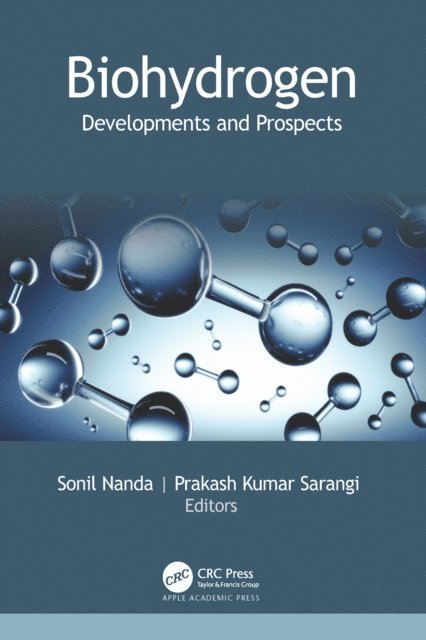
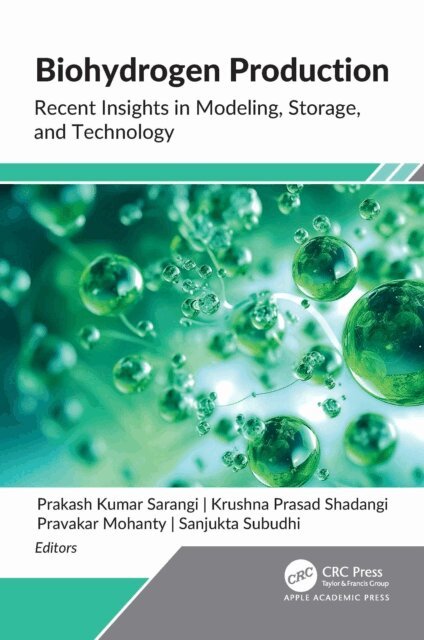
Biohydrogen is a promising gaseous biofuel that has prospective applications in combined heat and power, for fuel cells, or as a precursor for chemicals production. Hydrogen can also be converted to liquid hydrocarbon fuels and value-added chemicals through catalytic thermochemical or through biocatalytic biological pathways. This book addresses both the fundamentals as well as advanced new technological research on biohydrogen production by focusing on recent global research with emphasis on the technological, environmental, socioeconomic, and techno-economic aspects. It covers some the important advances in the production and utilization of biohydrogen and its solutions for clean fuel, waste management, waste valorization, reduced greenhouse gas emissions, and climate change mitigation.The book first covers the basic principles, benefits, and challenges concerning both the biological and thermochemical routes for biohydrogen production and then goes on to address topics such as biomass conversion to hydrogen through gasification with a focus on the process parameters, catalytic reforming technologies for hydrogen production concerning various feedstocks, the co-conversion of plastic wastes and biomass into biohydrogen through co-gasification technology, the effect of process parameters on syngas yields through co-gasification; fermentative hydrogen production technologies, the molecular mechanism of hydrogen production and enhancing the yield in hydrogen production by genetic and metabolic engineering, hydrogen production routes through microbial electrolysis, and much more.
2 203 kr
Läs direkt efter köp
Biohydrogen is a promising gaseous biofuel that has prospective applications in combined heat and power, for fuel cells, or as a precursor for chemicals production. Hydrogen can also be converted to liquid hydrocarbon fuels and value-added chemicals through catalytic thermochemical or through biocatalytic biological pathways. This book addresses both the fundamentals as well as advanced new technological research on biohydrogen production by focusing on recent global research with emphasis on the technological, environmental, socioeconomic, and techno-economic aspects. It covers some the important advances in the production and utilization of biohydrogen and its solutions for clean fuel, waste management, waste valorization, reduced greenhouse gas emissions, and climate change mitigation.The book first covers the basic principles, benefits, and challenges concerning both the biological and thermochemical routes for biohydrogen production and then goes on to address topics such as biomass conversion to hydrogen through gasification with a focus on the process parameters, catalytic reforming technologies for hydrogen production concerning various feedstocks, the co-conversion of plastic wastes and biomass into biohydrogen through co-gasification technology, the effect of process parameters on syngas yields through co-gasification; fermentative hydrogen production technologies, the molecular mechanism of hydrogen production and enhancing the yield in hydrogen production by genetic and metabolic engineering, hydrogen production routes through microbial electrolysis, and much more.
2 522 kr
Läs direkt efter köp
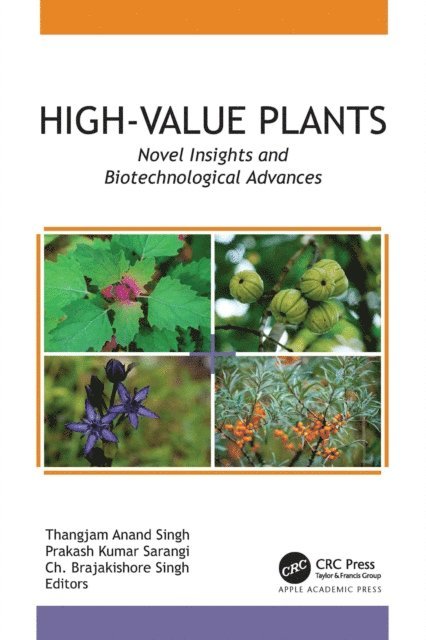
High-value crops are non-staple plants that give much higher return per unit area than staple crops. Diversification and investing towards high-value crops can potentially increase farm incomes, making them more attractive to new and small-scale agricultural farmers. This new volume explores the biotechnological applications for the unique high-value crops in response to the impending high-value agriculture revolution. The book discusses traditional knowledge, nutritional value, phytochemical activity, value addition quality, and postharvest management of some select unique high-value crops, including black ginger, bastard oleaster, Swertia chirayita, Garcinia, Parkia timoriana (or tree bean), king chili, Chenopodium (or goosefoot), sea buckthorn, broom grass, lichens, and others.
High-Value Plants: Novel Insights and Biotechnological Advances provides important information for small-scale farmers and agricultural and horticultural professionals to consider diversifying into non-traditional, high-value, agricultural crops, an important area of potential income growth in rural areas.
2 433 kr
Läs direkt efter köp
High-value crops are non-staple plants that give much higher return per unit area than staple crops. Diversification and investing towards high-value crops can potentially increase farm incomes, making them more attractive to new and small-scale agricultural farmers. This new volume explores the biotechnological applications for the unique high-value crops in response to the impending high-value agriculture revolution. The book discusses traditional knowledge, nutritional value, phytochemical activity, value addition quality, and postharvest management of some select unique high-value crops, including black ginger, bastard oleaster, Swertia chirayita, Garcinia, Parkia timoriana (or tree bean), king chili, Chenopodium (or goosefoot), sea buckthorn, broom grass, lichens, and others.
High-Value Plants: Novel Insights and Biotechnological Advances provides important information for small-scale farmers and agricultural and horticultural professionals to consider diversifying into non-traditional, high-value, agricultural crops, an important area of potential income growth in rural areas.
3 026 kr
Läs direkt efter köp
2 920 kr
Läs direkt efter köp
2 782 kr
Läs direkt efter köp
2 858 kr
Läs direkt efter köp
1 352 kr
Skickas inom 5-8 vardagar
1 603 kr
Läs direkt efter köp
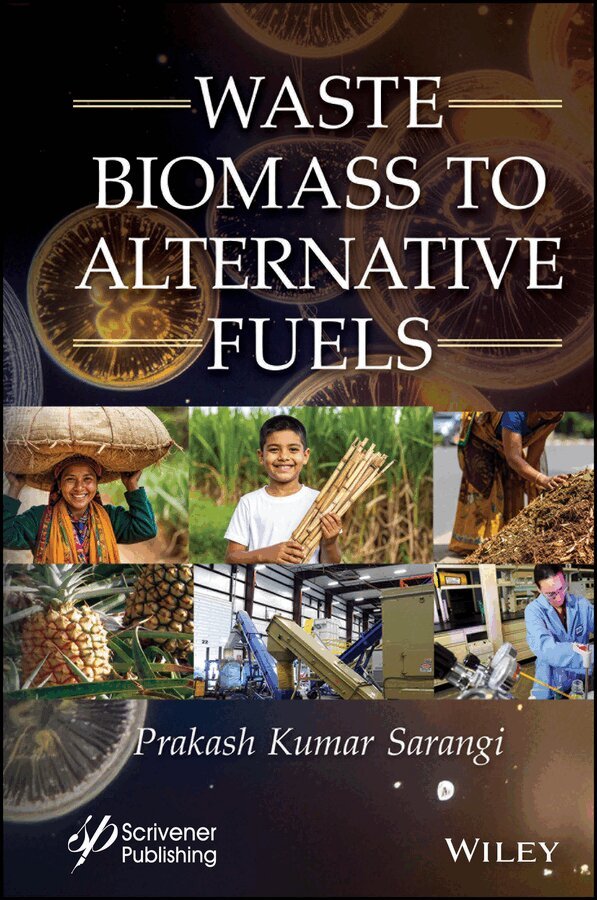
Waste Biomass to Alternative Fuels explores innovative microbial conversion technologies that offer sustainable solutions for energy production from waste biomass, addressing the urgent need for environmentally friendly alternatives to fossil fuels.
The world’s increasing population and dependency on available fossil fuels has created a need for environmental sustainability. This need calls for innovative products that offer alternative sustainable solutions with less environmental impact. Waste biomass is a cheap renewable resource for biofuels and can be produced sustainably utilizing various biotechnological and biochemical tools.
Waste Biomass to Alternative Fuels introduces microbial conversion technologies to recover energy and fuel from plant-based non-edible biomass and other organic wastes. This book serves as a platform to recognize breakthrough research for understanding the physicochemical properties of biomass, available conversion technologies, and advanced engineering for large-scale biomass processing using microbial biomass. New developments and approaches in biomass processing and characterization, conversion technologies, biofuel upgrading, and utilization are discussed. Waste Biomass to Alternative Fuels seeks to provide information on recent advances in the field of biotechnology, catalysis, bioprocess engineering, microbial fuel cells for environmentally friendly production of clean energy, and fine chemicals.
1 661 kr
Läs direkt efter köp
Waste Biomass to Alternative Fuels explores innovative microbial conversion technologies that offer sustainable solutions for energy production from waste biomass, addressing the urgent need for environmentally friendly alternatives to fossil fuels.
The world’s increasing population and dependency on available fossil fuels has created a need for environmental sustainability. This need calls for innovative products that offer alternative sustainable solutions with less environmental impact. Waste biomass is a cheap renewable resource for biofuels and can be produced sustainably utilizing various biotechnological and biochemical tools.
Waste Biomass to Alternative Fuels introduces microbial conversion technologies to recover energy and fuel from plant-based non-edible biomass and other organic wastes. This book serves as a platform to recognize breakthrough research for understanding the physicochemical properties of biomass, available conversion technologies, and advanced engineering for large-scale biomass processing using microbial biomass. New developments and approaches in biomass processing and characterization, conversion technologies, biofuel upgrading, and utilization are discussed. Waste Biomass to Alternative Fuels seeks to provide information on recent advances in the field of biotechnology, catalysis, bioprocess engineering, microbial fuel cells for environmentally friendly production of clean energy, and fine chemicals.
2 112 kr
Skickas inom 5-8 vardagar
2 452 kr
Läs direkt efter köp
From the selection and pretreatment of raw materials to design of reactors, methods of conversion, selection of process parameters, optimization, and production of various types of biofuels to the industrial applications for the technology, this is the most up-to-date and comprehensive coverage of liquid biofuels for engineers and students.
Massive use of fossil-based fuels not only create environmental pollution, but these sources are already diminishing. Waste biomass can aid in the production of biobased energy and chemicals. This book is a complete collection of chapters on biofuel and biochemical production presented in a sustainable way. Biorefineries are the need of the day, because they have the potential to produce fuels and chemicals in an environmentally sustainable way, to eventually fully displace production based on fossil resources such as petroleum, coal and natural gas.
Algal cells are also a suitable fit for the production of both fuels and chemicals replacing conventional sources. In this book, several chapters summarize how algal biomass can be processed for the production of bioenergy and biochemicals. This volume is essentially a roadmap towards thermochemical, biochemicals, bioengineering and bioprocessing.
Written and edited by authors from leading biotechnology research groups from across the world, this exciting new volume covers all of these technologies, including the basic concepts and the problems and solutions involved with the practical applications in the real world. Whether for the veteran engineer or scientist, the student, or a manager or other technician working in the field, this volume is a must-have for any library.
2 452 kr
Läs direkt efter köp
From the selection and pretreatment of raw materials to design of reactors, methods of conversion, selection of process parameters, optimization, and production of various types of biofuels to the industrial applications for the technology, this is the most up-to-date and comprehensive coverage of liquid biofuels for engineers and students.
Massive use of fossil-based fuels not only create environmental pollution, but these sources are already diminishing. Waste biomass can aid in the production of biobased energy and chemicals. This book is a complete collection of chapters on biofuel and biochemical production presented in a sustainable way. Biorefineries are the need of the day, because they have the potential to produce fuels and chemicals in an environmentally sustainable way, to eventually fully displace production based on fossil resources such as petroleum, coal and natural gas.
Algal cells are also a suitable fit for the production of both fuels and chemicals replacing conventional sources. In this book, several chapters summarize how algal biomass can be processed for the production of bioenergy and biochemicals. This volume is essentially a roadmap towards thermochemical, biochemicals, bioengineering and bioprocessing.
Written and edited by authors from leading biotechnology research groups from across the world, this exciting new volume covers all of these technologies, including the basic concepts and the problems and solutions involved with the practical applications in the real world. Whether for the veteran engineer or scientist, the student, or a manager or other technician working in the field, this volume is a must-have for any library.
1 774 kr
Skickas inom 10-15 vardagar
1 859 kr
Skickas inom 10-15 vardagar
1 180 kr
Skickas inom 10-15 vardagar
2 127 kr
Skickas inom 10-15 vardagar
2 551 kr
Skickas inom 10-15 vardagar
2 232 kr
Kommande
2 232 kr
Kommande
2 410 kr
Skickas inom 10-15 vardagar
707 kr
Skickas inom 5-8 vardagar