Prasanta Chakravarty – författare
Visar alla böcker från författaren Prasanta Chakravarty. Handla med fri frakt och snabb leverans.
18 produkter
18 produkter
Inbunden, Engelska, 2006
2 609 kr
Skickas inom 10-15 vardagar
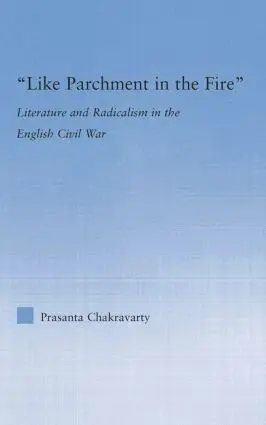
This book examines the literary, religious, and political aspects of the radical movements and various sects of the English Civil War. Featuring a chapter on John Milton, this book also addresses the legal problems that engaged the early modern radical reformers, the issue of radical religion as a negotiating tool and the limits of radical liberal thought.
Häftad, Engelska, 2015
390 kr
Skickas inom 5-8 vardagar
This collection of essays, fiction, poetry, and discussions, derived from the cult Internet magazine Humanities Underground, provides entry into some of the most burning issues in the humanities in contemporary South Asia. The anthology brings together select pieces on such diverse issues as aesthetics and artistic craft, ethics and criticism, movements and institutions, and ideologies and reflections. Working at the cusps of the artistic and the political spheres, the anthology, like the magazine, argues that since our concerns for art and philosophy must be understood through the political, social, and economic conditions that birth them, our writing and our reading must be attentive to the intricacies of these relationships and the contexts they create. This anthology of engaging essays will be of interest to scholars in the humanities both within South Asia and beyond.
E-bok
PDF, Engelska, 20221 456 kr
Läs direkt efter köp
Machiavelli''s ideas are as important in our time as in his own. His insights and prescriptions help us make sense of today''s political upheavals and natural calamities and reduce them to a working order. The chapters in Machiavelli Then and Now explore Machiavelli''s central concerns: statecraft and order, liberty and citizenship, diplomacy and leadership, modes of strategization, the quest for empire - all set against the basic contention between autarchy, oligarchy and democracy. They also address the ethical and behaviourial factors behind political practice, such as force, suasion, ambition, corruption and vigilance in public discourse. The contributors consider the role of language, text and the imagination in Machiavelli, and they also bring the Machiavellian discourse closer to our own times, in relation to Gandhi, Gramsci and Althusser. The book will interest historians, political scientists and students of public policy; philosophers, rhetoricians and literary critics; and no less institution builders, diplomats and, administrators.
E-bok
PDF, Engelska, 20061 025 kr
Läs direkt efter köp
This book examines the literary, religious, and political aspects of the radical movements and various sects of the English Civil War. Featuring a chapter on John Milton, this book also addresses the legal problems that engaged the early modern radical reformers, the issue of radical religion as a negotiating tool and the limits of radical liberal thought.
E-bok
Engelska, 20061 025 kr
Läs direkt efter köp
This book examines the literary, religious, and political aspects of the radical movements and various sects of the English Civil War. Featuring a chapter on John Milton, this book also addresses the legal problems that engaged the early modern radical reformers, the issue of radical religion as a negotiating tool and the limits of radical liberal thought.
Häftad, Engelska, 2015
869 kr
Skickas inom 10-15 vardagar
This book examines the literary, religious, and political aspects of the radical movements and various sects of the English Civil War. Featuring a chapter on John Milton, this book also addresses the legal problems that engaged the early modern radical reformers, the issue of radical religion as a negotiating tool and the limits of radical liberal thought.
Inbunden, Engelska, 2022
1 372 kr
Skickas inom 11-20 vardagar
Machiavelli's ideas are as important in our time as in his own. His insights and prescriptions help us make sense of today's political upheavals and natural calamities and reduce them to a working order. The chapters in Machiavelli Then and Now explore Machiavelli's central concerns: statecraft and order, liberty and citizenship, diplomacy and leadership, modes of strategization, the quest for empire - all set against the basic contention between autarchy, oligarchy and democracy. They also address the ethical and behaviourial factors behind political practice, such as force, suasion, ambition, corruption and vigilance in public discourse. The contributors consider the role of language, text and the imagination in Machiavelli, and they also bring the Machiavellian discourse closer to our own times, in relation to Gandhi, Gramsci and Althusser. The book will interest historians, political scientists and students of public policy; philosophers, rhetoricians and literary critics; and no less institution builders, diplomats and, administrators.
Inbunden, Engelska, 2021
1 284 kr
Skickas inom 5-8 vardagar
E-bok
Engelska, 20211 359 kr
Läs direkt efter köp
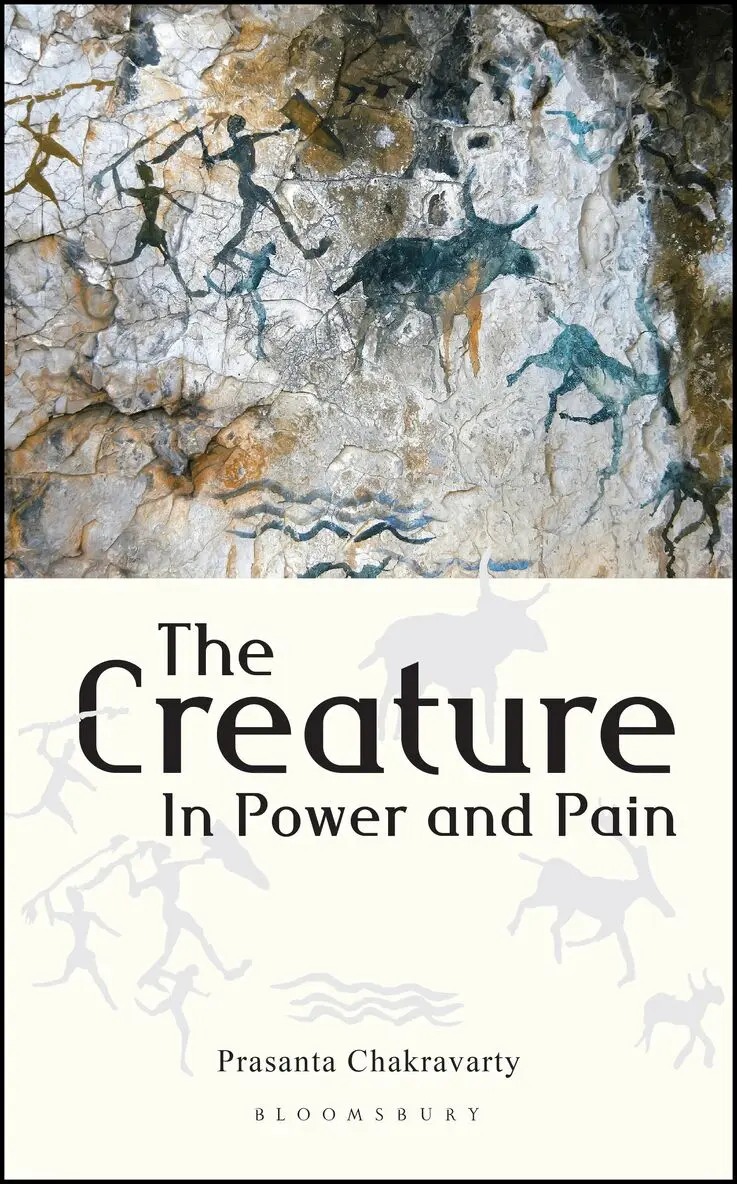
The Creature is an invitation to follow the mechanics between power and pain, which begets the creature. Creatures confront power in, and through, conjunctures of radical contingency. The casual use of power is an exercise in distraction. It is an abiding conundrum that those who endure affliction also exert it as a force over other living bodies in equal measure-not as acts of vengeance or bad faith, but through deeds of forgetful randomness. To ensure social indemnity and security, creatures exercise force over kindred embodiments through a process of collective mimicry. In the bargain, creatures begin to disfigure and distort each other. The line between mutual slaughter and mutual embrace begins to blur. Each transgresses its own soul. At other times, power is an opaque, magisterial and disdainful style of conveyance. It reveals itself out of nowhere. But the steadfast creature is as resilient as it is vulnerable. The more it endures, the greater its perdurance. Perduring creatures may sometimes gain a second sight, forged out of a sense of lyricality, love and abdication. But is abdication, or taking refuge in the wondrous, sufficient to release all creatures from the fatal loop of power and pain? Or will they have to slowly shed creaturely affliction by a rigorous process of decreation?Sifting through the writings of Giambattista Vico, Niccolò Machiavelli, Gabriel Tarde, Miguel de Unamuno, Jibanananda Das, Lev Shestov, Raymond Geuss, Jean Starobinski, Ernst Bloch, Simone Weil, Simon Critchley, Sarah Kane and others, this volume explores the creaturely predicament and its possibilities of freedom.The five chapters in Book I lay down fundamental questions for the creaturely condition: the question of mimicry, the relationship between taking initiative and being hounded, the bridge between senses and destitution, and the vehemence of radical contingency. Book II posits the question of skepticism, fideism and their connection to resilience and generosity in creatures. Book III is entirely devoted to various ways of conceiving the aesthetic: through the tragic, the epiphanic, the catastrophic and through militant material eruptions. Book II and III essentially delve into the sites of freedom that lurk within the condition of the creaturely. Book IV is constituted of a single chapter on the subject of decreation; it grapples with questions of attention, anonymity and abdication.
E-bok
PDF, Engelska, 20211 409 kr
Läs direkt efter köp
The Creature is an invitation to follow the mechanics between power and pain, which begets the creature. Creatures confront power in, and through, conjunctures of radical contingency. The casual use of power is an exercise in distraction. It is an abiding conundrum that those who endure affliction also exert it as a force over other living bodies in equal measure-not as acts of vengeance or bad faith, but through deeds of forgetful randomness. To ensure social indemnity and security, creatures exercise force over kindred embodiments through a process of collective mimicry. In the bargain, creatures begin to disfigure and distort each other. The line between mutual slaughter and mutual embrace begins to blur. Each transgresses its own soul. At other times, power is an opaque, magisterial and disdainful style of conveyance. It reveals itself out of nowhere. But the steadfast creature is as resilient as it is vulnerable. The more it endures, the greater its perdurance. Perduring creatures may sometimes gain a second sight, forged out of a sense of lyricality, love and abdication. But is abdication, or taking refuge in the wondrous, sufficient to release all creatures from the fatal loop of power and pain? Or will they have to slowly shed creaturely affliction by a rigorous process of decreation?Sifting through the writings of Giambattista Vico, Niccolò Machiavelli, Gabriel Tarde, Miguel de Unamuno, Jibanananda Das, Lev Shestov, Raymond Geuss, Jean Starobinski, Ernst Bloch, Simone Weil, Simon Critchley, Sarah Kane and others, this volume explores the creaturely predicament and its possibilities of freedom.The five chapters in Book I lay down fundamental questions for the creaturely condition: the question of mimicry, the relationship between taking initiative and being hounded, the bridge between senses and destitution, and the vehemence of radical contingency. Book II posits the question of skepticism, fideism and their connection to resilience and generosity in creatures. Book III is entirely devoted to various ways of conceiving the aesthetic: through the tragic, the epiphanic, the catastrophic and through militant material eruptions. Book II and III essentially delve into the sites of freedom that lurk within the condition of the creaturely. Book IV is constituted of a single chapter on the subject of decreation; it grapples with questions of attention, anonymity and abdication.
E-bok
PDF, Engelska, 20231 409 kr
Läs direkt efter köp
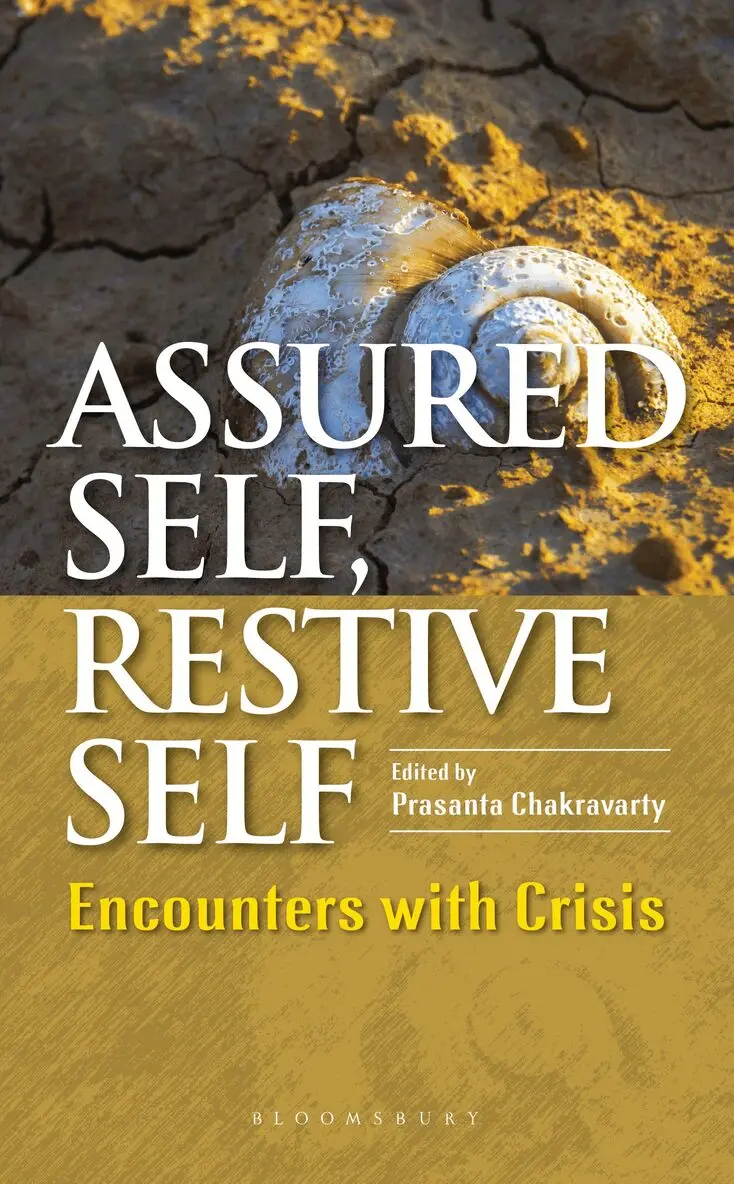
The book explores the encounter of the self with situations of crisis from diverse disciplinary and cultural perspectives from antiquity to contemporary times. A crisis is at once a historically situated phenomenon and a recurring idea of endangerment or a breakdown in creaturely living. By making our choices stark and difficult, crisis opens up the possibility for genuinely fresh and unexpected beginnings. At the most fundamental level, crisis is the disintegration of relationality among creatures. In fact, crisis is a battle of attrition with and within selfhood. It has the potential to turn into a norm in everyday interaction. It then stops being an exception and becomes the very condition of our living.Through the rubrics of the assured and the restive, the volume addresses how selfhood encounters and negotiates concentric circles of crisis in life and literature. Does the idea of crisis allow us to formulate the idea of self in a particular way? How do certain sources and resources within the self – stoic or heroic, political andcreative – come into being during crisis? While some essays delve into questions of repose and sensuality by highlighting specific cases and trajectories from the subcontinent, others deal with questions of mythology, politics and art in a wider sense. One essay directly addresses the core literary question of the uncanny and its relation to selfhood. While specific concerns illuminate each essay, the volume speaks with a collective, global sense of crisis that faces humanity now and tentatively offers some prospects to deal with it.
E-bok
Engelska, 20231 409 kr
Läs direkt efter köp
The book explores the encounter of the self with situations of crisis from diverse disciplinary and cultural perspectives from antiquity to contemporary times. A crisis is at once a historically situated phenomenon and a recurring idea of endangerment or a breakdown in creaturely living. By making our choices stark and difficult, crisis opens up the possibility for genuinely fresh and unexpected beginnings. At the most fundamental level, crisis is the disintegration of relationality among creatures. In fact, crisis is a battle of attrition with and within selfhood. It has the potential to turn into a norm in everyday interaction. It then stops being an exception and becomes the very condition of our living.Through the rubrics of the assured and the restive, the volume addresses how selfhood encounters and negotiates concentric circles of crisis in life and literature. Does the idea of crisis allow us to formulate the idea of self in a particular way? How do certain sources and resources within the self – stoic or heroic, political andcreative – come into being during crisis? While some essays delve into questions of repose and sensuality by highlighting specific cases and trajectories from the subcontinent, others deal with questions of mythology, politics and art in a wider sense. One essay directly addresses the core literary question of the uncanny and its relation to selfhood. While specific concerns illuminate each essay, the volume speaks with a collective, global sense of crisis that faces humanity now and tentatively offers some prospects to deal with it.
Inbunden, Engelska, 2023
1 284 kr
Skickas inom 5-8 vardagar
E-bok
Engelska, 20241 409 kr
Läs direkt efter köp
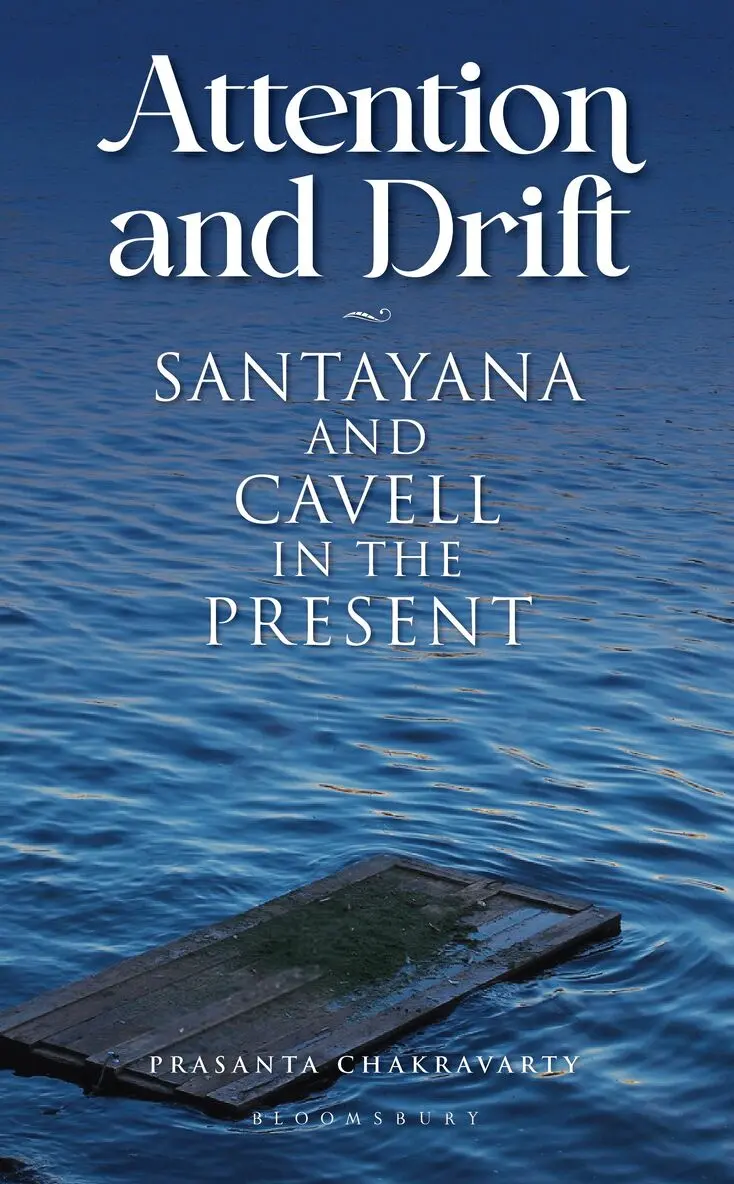
Brought together, attention and drift help immerse ourselves in our surroundings and make us appreciate the contingent and pulsating relations of living. Attention and Drift suggests that instead of being antonyms, drift and attention are part of the same continuum. Attention is the opposite of being focused or fixated. Similarly, drift is not the antithesis of concentrated action, but the obverse of busyness. Within this zone of juxtaposition between attention and drift, there is also a beautiful and stark tension. There is enticement. And there is waiting. The mode of attentive drift is a poetic insinuation and a complete reorientation of our being, central to all creativity and criticism. The chief protagonists here are two immersed readers of life - George Santayana (1863–1952) and Stanley Cavell (1926–2018), whose works and ways of living highlight an involved bringing together of continuities and contingencies of life, appreciation of multiple dimensions of art and a calm display of involved critical faculties. Both seek to assess the relationships between literature, philosophy, art and religion. In each of these domains the two of them celebrate attentive wandering and distractive engrossment at once. In this book we celebrate their passion, involvement, wit, no-nonsense critical acumen and most of all, their ability to love the serendipities of life and creation.
Inbunden, Engelska, 2024
1 284 kr
Skickas inom 5-8 vardagar
Inbunden, Engelska, 2018
1 284 kr
Skickas inom 5-8 vardagar
E-bok
Engelska, 20181 409 kr
Läs direkt efter köp
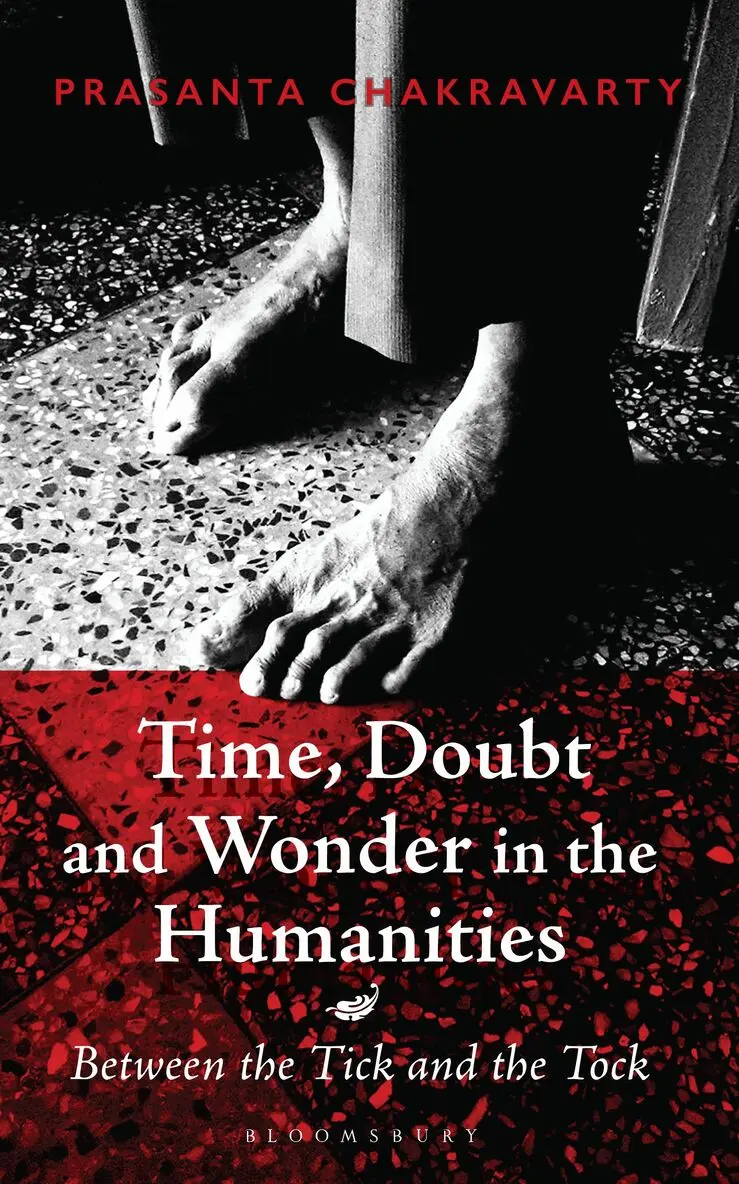
Time, Doubt and Wonder in the Humanities addresses a serious lacuna in humanities studies. It affirms our commitment to wonder and adventure in living by confronting the subtext that lies within the manifold worldly, social and political vicissitudes and tribulations. The essays in this volume speak to our times and make sense of the idea of temporality in general by using wonder as an inclusive metaphor, which engulfs fortitude, anguish, joy, providence, submission, precariousness and revulsion. Wonder could lead to curiosity to inspiration to doubt to questioning to indignation to seeking of justice. The book offers a benchmark in thinking about why we must take literature and art seriously in times of great political turmoil. It affirms that the shape and contour of literary studies shall depend on how the coming generation maintains a delicate balance among inspiration, doubt and faith.
E-bok
PDF, Engelska, 20211 409 kr
Läs direkt efter köp
Time, Doubt and Wonder in the Humanities addresses a serious lacuna in humanities studies. It affirms our commitment to wonder and adventure in living by confronting the subtext that lies within the manifold worldly, social and political vicissitudes and tribulations. The essays in this volume speak to our times and make sense of the idea of temporality in general by using wonder as an inclusive metaphor, which engulfs fortitude, anguish, joy, providence, submission, precariousness and revulsion. Wonder could lead to curiosity to inspiration to doubt to questioning to indignation to seeking of justice. The book offers a benchmark in thinking about why we must take literature and art seriously in times of great political turmoil. It affirms that the shape and contour of literary studies shall depend on how the coming generation maintains a delicate balance among inspiration, doubt and faith.