Prathama Banerjee – författare
Visar alla böcker från författaren Prathama Banerjee. Handla med fri frakt och snabb leverans.
9 produkter
9 produkter
Inbunden, Engelska, 2026
1 456 kr
Kommande
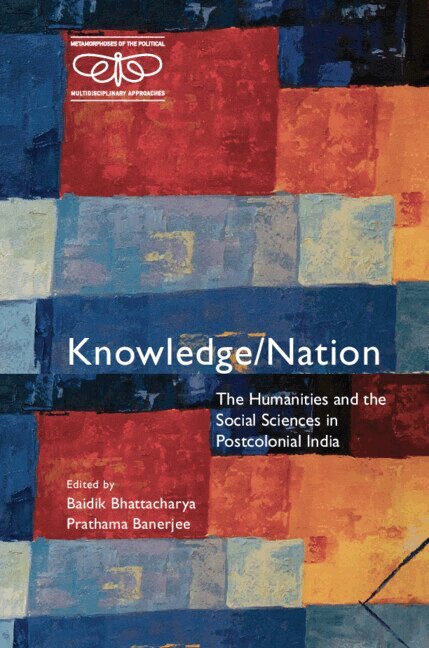
To mark the 75th year of India's birth as a republic, Knowledge/Nation brings together reflections on how the social sciences and allied interdisciplinary fields have evolved in the country, and where we can go from here. It explores how India has figured as an object of knowledge and a site of critical reflection in the last hundred years. The volume presents wide coverage - not only narrating the evolution of history, politics, economics, literature etc. in context of changing democratic debates but also asks difficult questions, such as why religious studies never came centre-stage in the academy even though religion remained salient in public debates, how gender studies, film studies and Dalit studies emerged out of demands from outside the academy and whether environmental studies can be framed by the nation at all, given the planetary-scale of the climate crisis. This title is also available as open access on Cambridge Core.
Häftad, Engelska, 2026
534 kr
Kommande
To mark the 75th year of India's birth as a republic, Knowledge/Nation brings together reflections on how the social sciences and allied interdisciplinary fields have evolved in the country, and where we can go from here. It explores how India has figured as an object of knowledge and a site of critical reflection in the last hundred years. The volume presents wide coverage - not only narrating the evolution of history, politics, economics, literature etc. in context of changing democratic debates but also asks difficult questions, such as why religious studies never came centre-stage in the academy even though religion remained salient in public debates, how gender studies, film studies and Dalit studies emerged out of demands from outside the academy and whether environmental studies can be framed by the nation at all, given the planetary-scale of the climate crisis. This title is also available as open access on Cambridge Core.
Inbunden, Engelska, 2024
1 222 kr
Skickas inom 10-15 vardagar
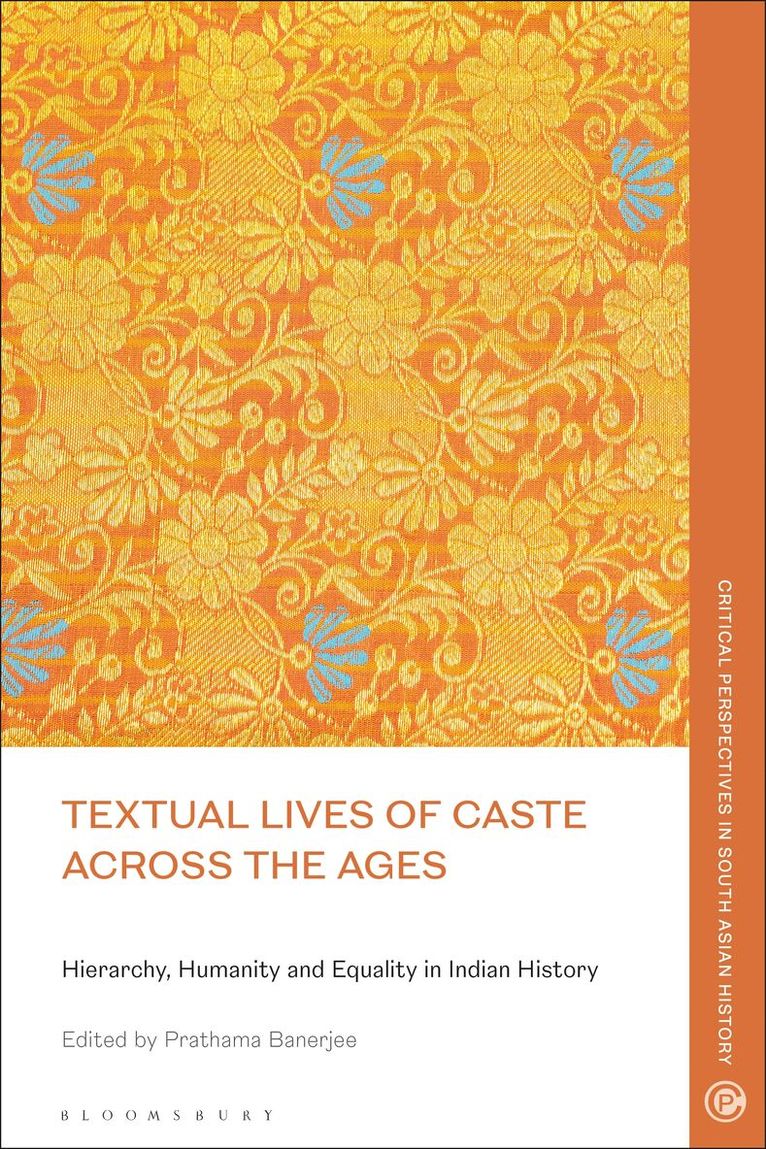
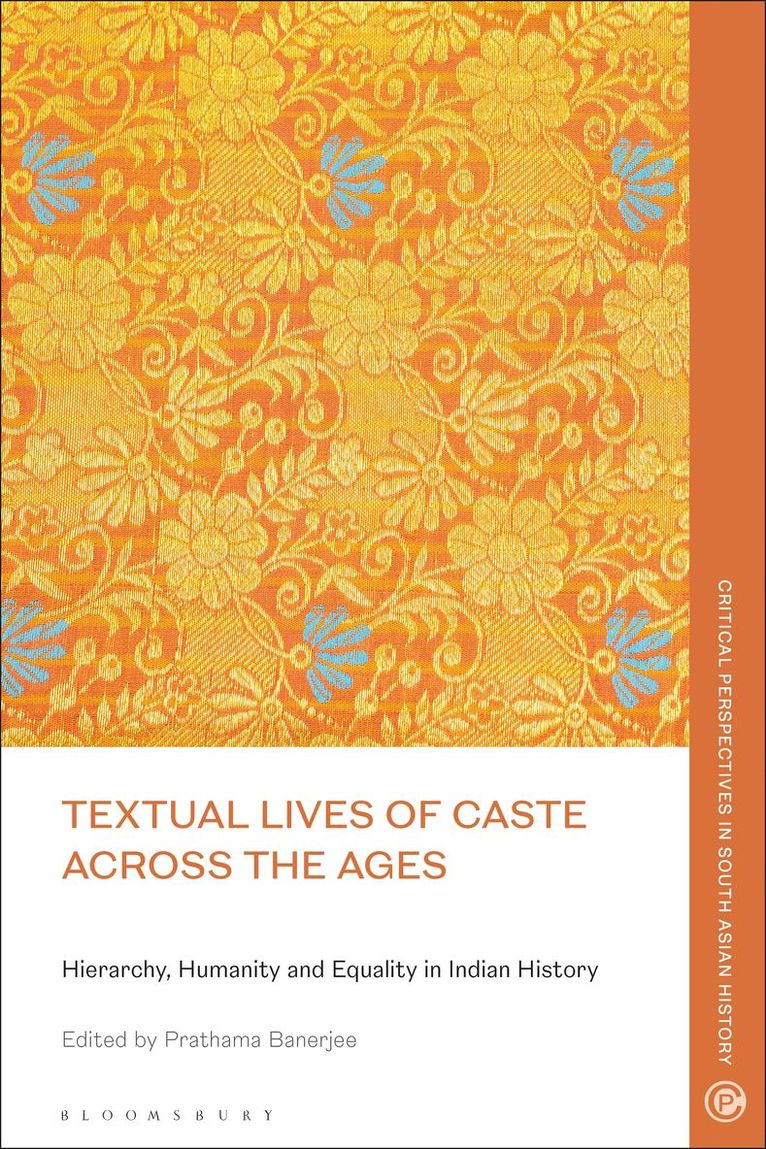
The essays in this volume explore the myriad ways in which caste (varna and jati) has been theorized and critiqued in multiple philosophical, religious, logical and narrative traditions in India. Spanning ancient, medieval and modern times, and in diverse classical and vernacular languages, the chapters show how the social fact of caste, and imaginations of kinship, community and humanity were historically subject to epistemological, spiritual, and existential debate in both elite and popular circles in India.Textual Lives of Caste Across the Ages seeks to bridge the interdisciplinary gap between historians and sociologists by focusing on texts that help us think across the sociological and philosophical, the political and the religious, the epistemological and the aesthetic, and indeed, the elite and the popular. The volume also sets up a conversation between scholars specializing in different regions, archives, and historical periods and demonstrates how caste imaginaries have been deeply diverse and contested in India’s past. Reconstructing these diverse traditions of social and existential criticism helps us in our contemporary struggles against caste hierarchy and untouchability and enriches our contemporary critical repertoire.
E-bok
PDF, Engelska, 2024436 kr
Läs direkt efter köp
The essays in this volume explore the myriad ways in which caste (varna and jati) has been theorized and critiqued in multiple philosophical, religious, logical and narrative traditions in India. Spanning ancient, medieval and modern times, and in diverse classical and vernacular languages, the chapters show how the social fact of caste, and imaginations of kinship, community and humanity were historically subject to epistemological, spiritual, and existential debate in both elite and popular circles in India.Textual Lives of Caste Across the Ages seeks to bridge the interdisciplinary gap between historians and sociologists by focusing on texts that help us think across the sociological and philosophical, the political and the religious, the epistemological and the aesthetic, and indeed, the elite and the popular. The volume also sets up a conversation between scholars specializing in different regions, archives, and historical periods and demonstrates how caste imaginaries have been deeply diverse and contested in India''s past. Reconstructing these diverse traditions of social and existential criticism helps us in our contemporary struggles against caste hierarchy and untouchability and enriches our contemporary critical repertoire.
E-bok
Engelska, 2024436 kr
Läs direkt efter köp
The essays in this volume explore the myriad ways in which caste (varna and jati) has been theorized and critiqued in multiple philosophical, religious, logical and narrative traditions in India. Spanning ancient, medieval and modern times, and in diverse classical and vernacular languages, the chapters show how the social fact of caste, and imaginations of kinship, community and humanity were historically subject to epistemological, spiritual, and existential debate in both elite and popular circles in India.Textual Lives of Caste Across the Ages seeks to bridge the interdisciplinary gap between historians and sociologists by focusing on texts that help us think across the sociological and philosophical, the political and the religious, the epistemological and the aesthetic, and indeed, the elite and the popular. The volume also sets up a conversation between scholars specializing in different regions, archives, and historical periods and demonstrates how caste imaginaries have been deeply diverse and contested in India''s past. Reconstructing these diverse traditions of social and existential criticism helps us in our contemporary struggles against caste hierarchy and untouchability and enriches our contemporary critical repertoire.
Häftad, Engelska, 2026
422 kr
Skickas inom 10-15 vardagar
The essays in this volume explore the myriad ways in which caste (varna and jati) has been theorized and critiqued in multiple philosophical, religious, logical and narrative traditions in India. Spanning ancient, medieval and modern times, and in diverse classical and vernacular languages, the chapters show how the social fact of caste, and imaginations of kinship, community and humanity were historically subject to epistemological, spiritual, and existential debate in both elite and popular circles in India.Textual Lives of Caste Across the Ages seeks to bridge the interdisciplinary gap between historians and sociologists by focusing on texts that help us think across the sociological and philosophical, the political and the religious, the epistemological and the aesthetic, and indeed, the elite and the popular. The volume also sets up a conversation between scholars specializing in different regions, archives, and historical periods and demonstrates how caste imaginaries have been deeply diverse and contested in India’s past. Reconstructing these diverse traditions of social and existential criticism helps us in our contemporary struggles against caste hierarchy and untouchability and enriches our contemporary critical repertoire.
Inbunden, Engelska, 2020
1 540 kr
Skickas inom 5-8 vardagar
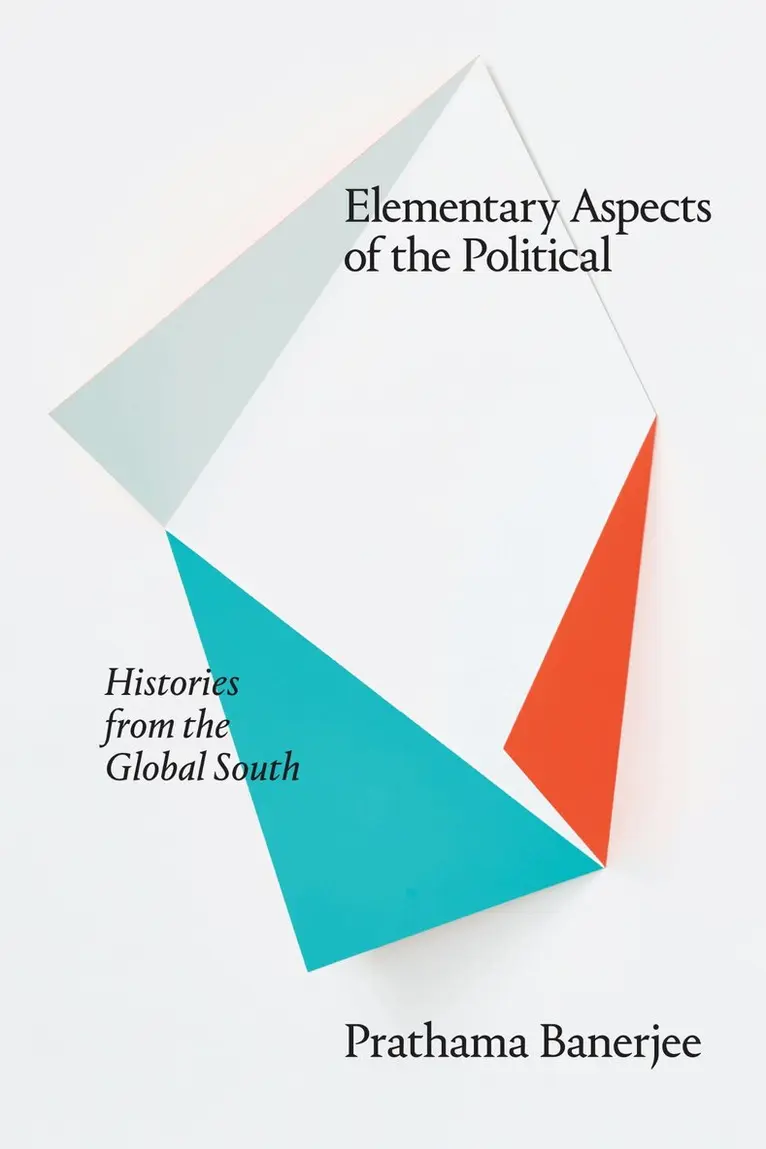
In Elementary Aspects of the Political Prathama Banerjee moves beyond postcolonial and decolonial critiques of European political philosophy to rethink modern conceptions of "the political" from the perspective of the global South. Drawing on Indian and Bengali practices and philosophies from the late nineteenth and early twentieth centuries, Banerjee identifies four elements of the political: the self, action, the idea, and the people. She examines selfhood in light of precolonial Indic traditions of renunciation and realpolitik; action in the constitutive tension between traditional conceptions of karma and modern ideas of labor; the idea of equality as it emerges in the dialectic between spirituality and economics; and people in the friction between the structure of the political party and the atmospherics of fiction and theater. Throughout, Banerjee reasserts the historical specificity of political thought and challenges modern assumptions about the universality, primacy, and self-evidence of the political. In formulating a new theory of the political, Banerjee gestures toward a globally salient political philosophy that displaces prevailing Western notions of the political masquerading as universal.
Häftad, Engelska, 2020
376 kr
Skickas inom 5-8 vardagar
In Elementary Aspects of the Political Prathama Banerjee moves beyond postcolonial and decolonial critiques of European political philosophy to rethink modern conceptions of "the political" from the perspective of the global South. Drawing on Indian and Bengali practices and philosophies from the late nineteenth and early twentieth centuries, Banerjee identifies four elements of the political: the self, action, the idea, and the people. She examines selfhood in light of precolonial Indic traditions of renunciation and realpolitik; action in the constitutive tension between traditional conceptions of karma and modern ideas of labor; the idea of equality as it emerges in the dialectic between spirituality and economics; and people in the friction between the structure of the political party and the atmospherics of fiction and theater. Throughout, Banerjee reasserts the historical specificity of political thought and challenges modern assumptions about the universality, primacy, and self-evidence of the political. In formulating a new theory of the political, Banerjee gestures toward a globally salient political philosophy that displaces prevailing Western notions of the political masquerading as universal.
E-bok
PDF, Engelska, 2021427 kr
Läs direkt efter köp
In Elementary Aspects of the Political Prathama Banerjee moves beyond postcolonial and decolonial critiques of European political philosophy to rethink modern conceptions of "the political" from the perspective of the global South. Drawing on Indian and Bengali practices and philosophies from the late nineteenth and early twentieth centuries, Banerjee identifies four elements of the political: the self, action, the idea, and the people. She examines selfhood in light of precolonial Indic traditions of renunciation and realpolitik; action in the constitutive tension between traditional conceptions of karma and modern ideas of labor; the idea of equality as it emerges in the dialectic between spirituality and economics; and people in the friction between the structure of the political party and the atmospherics of fiction and theater. Throughout, Banerjee reasserts the historical specificity of political thought and challenges modern assumptions about the universality, primacy, and self-evidence of the political. In formulating a new theory of the political, Banerjee gestures toward a globally salient political philosophy that displaces prevailing Western notions of the political masquerading as universal.