Pratima Bajpai - Böcker
532 kr
Skickas inom 7-10 vardagar
178 kr
Skickas inom 7-10 vardagar
1 105 kr
Skickas inom 7-10 vardagar
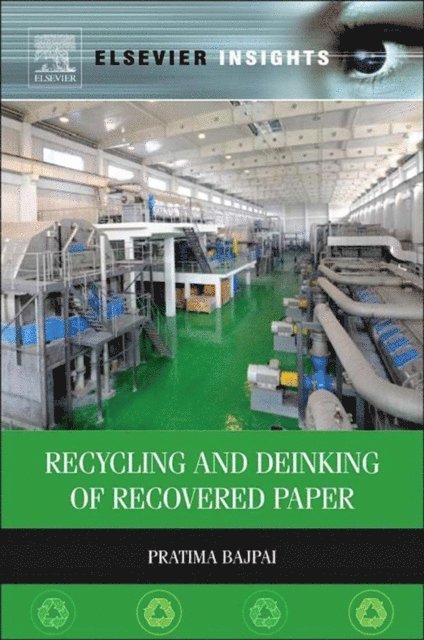
Paper recycling in an increasingly environmentally conscious world is gaining importance. Increased recycling activities are being driven by robust overseas markets as well as domestic demand. Recycled fibers play a very important role today in the global paper industry as a substitute for virgin pulps. Paper recovery rates continue to increase year after year
Recycling technologies have been improved in recent years by advances in pulping, flotation deinking and cleaning/screening, resulting in the quality of paper made from secondary fibres approaching that of virgin paper. The process is a lot more eco-friendly than the virgin-papermaking process, using less energy and natural resources, produce less solid waste and fewer atmospheric emissions, and helps to preserve natural resources and landfill space.
Currently more than half of the paper is produced from recovered papers. Most of them are used to produce brown grades paper and board but for the last two decades, there is a substantial increase in the use of recovered papers to produce, through deinking, white grades such as newsprint, tissue, market pulp.
By using recycled paper, companies can take a significant step toward reducing their overall environmental impacts. This study deals with the scientific and technical advances in recycling and deinking including new developments.
Covers in great depth all the aspects of recycling technologies Covers the latest science and technology in recycling Provides up-to-date, authoritative information and cites many mills experiences and pertinent research Includes the use of biotech methods for deinking, refining. and improving drainage349 kr
Skickas inom 7-10 vardagar
Xylanolytic Enzymes describes the enzyme structure and its interaction with plant cell walls, the properties and production of different enzymes and their application, and the knowledge gathered on the hydrolysis mechanism of hemicellulose. The knowledge gathered about the hydrolysis mechanism of the hemicelluloses, especially xylans, has greatly promoted the rapid application of these enzymes in new areas.
Recently there has been much industrial interest in xylan and its hydrolytic enzymatic complex, as a supplement and for the manufacturing of food, drinks, textiles, pulps and paper, and ethanol; and in xylitol production as a fermentation substrate for the production of enzymes. This book describes xylan as a major component of plant hemicelluloses.
Presents a thorough overview of all aspects of xylanolytic enzymes Gives up-to-date authoritative information and cites pertinent research Includes studies on xylanase regulation and synergistic action between multiple forms of xylanase1 471 kr
Skickas inom 7-10 vardagar
Pulp and Paper Industry: Chemicals features in-depth and thorough coverage of Chemical additives in the Pulp and Paper Industry. It discusses use of Enzymes "Green Chemicals" that can improve operations in pulp and paper, describes Chemicals demanded by the end user and many key and niche players such as Akzo Nobel NV, Eka Chemicals AB, Ashland, Inc., BASF, Buckman Laboratories International, Inc., Clariant, Cytec Industries, Inc., Enzymatic Deinking Technologies, LLC, ERCO Worldwide, FMC Corporation, Georgia-Pacific Corporation, Georgia-Pacific Chemicals LLC, Imerys SA, Momentive Specialty Chemicals, Inc., Novozymes, Kemira Chemicals, Nalco Holding Company, Omya AG, Solvay AG, and Solvay Chemicals, Inc.. Paper and pulp processing and additive chemicals are an integral part of the total papermaking process from pulp slurry, through sheet formation, to effluent disposal. Environmental concerns, increased use of recycled waste paper as a replacement for virgin pulp, changes in bleaching and pulping processes, increased efficiency requirements for the papermaking process, limits on effluent discharge as well as international competitiveness have greatly impacted the paper and pulp chemical additive market. This book features in-depth and thorough coverage of Chemical additives in Pulp and Paper Industry.
Detailed and up-to-date coverage of Chemicals in Pulp and Paper Industry Authoritative, thorough, and comprehensive content on a wide variety of Enzymes "Green Chemicals" Comprehensive list of Paper and Pulp Related Chemicals Comprehensive list of all Pulp and paper Suppliers Comprehensive Indexing1 398 kr
Skickas inom 7-10 vardagar
Pulp and Paper Industry: Microbiological Issues in Papermaking features in-depth and thorough coverage of microbiological issues in papermaking and their consequences and the current state of the different alternatives for prevention, treatment and control of biofilm/slime considering the impact of the actual technological changes in papermaking on the control programmes. The microbial issues in paper mill systems, chemistry of deposits on paper machines, the strategies for deposit control and methods used for the analysis of biofouling are all dealt in this book along with various growth prevention methods. The traditional use of biocides is discussed taken into account the new environmental regulations regarding their use. Finally, discusses the trends regarding the future of the microbiological control in papermaking systems.
In-depth coverage of microbiological issues in papermaking and their consequences Discusses eco-efficient processes (green processes) for biofilm/slime control Offers a thorough review of the current literature with links to the primary literature Comprehensive indexing Author is an authority in the pulp and paper industry1 398 kr
Skickas inom 7-10 vardagar
Pulp and Paper Industry: Energy Conservation presents a number of energy-efficient technologies and practices that are cost-effective and available for implementation today. Emerging energy-efficient technologies and future prospects in this field are also dealt with. Qualitative and quantitative results/data on energy savings for various steps of pulp and paper making process are presented. There is no specific book on this topic. This will be a comprehensive reference in the field.
Thorough and in-depth coverage of energy-efficient technologies and practices in paper and pulp industry Presents cost-effective and available for implementation today technologies Discusses Biotechnological processes, especially enzymatic processes in the pulp and paper industry to reduce the energy consumption and improve the product quality Presents qualitative and quantitative results/data on energy savings for various steps of pulp and paper making process1 593 kr
Skickas inom 7-10 vardagar
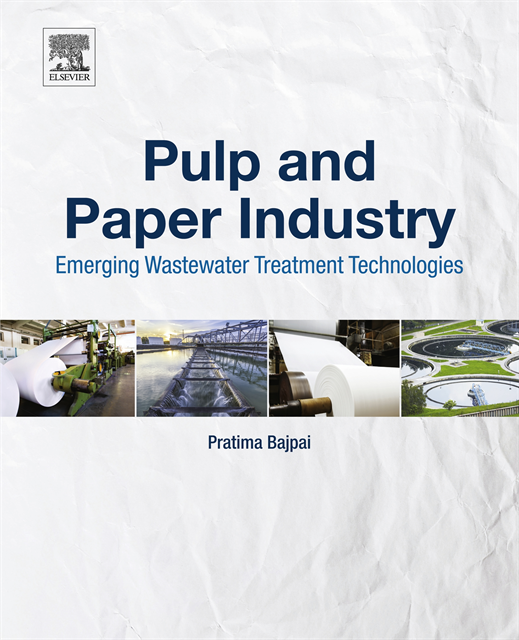
Pulp and Paper Industry: Emerging Waste Water Treatment Technologies is the first book which comprehensively reviews this topic. Over the past decade, pulp and paper companies have continued to focus on minimizing fresh water use and effluent discharges as part of their move towards sustainable operating practices. Three stages-basic conservation, water reuse and water recycling-provide a systematic approach to water resource management. Implementing these stages requires increased financial investment and better utilization of water resources.
The ultimate goal for pulp and paper companies is to have effluent-free factories with no negative environmental impact. The traditional water treatment technologies that are used in paper mills are not able to remove recalcitrant contaminants. Therefore, advanced water treatment technologies are being included in industrial wastewater treatment chains aiming to either improve water biodegradability or its final quality.
This book discusses various measures being adopted by the pulp and paper industry to reduce water consumption and treatment techniques to treat wastewater to recover it for reuse. The book also examines the emerging technologies for treatment of effluents and presents examples of full-scale installations.
Provides thorough and in-depth coverage of advanced treatment technologies which will benefit the industry personnel, pulp manufacturers, researchers and advanced students Presents new treatment strategies to improve water reuse and fulfill the legislation in force regarding wastewater discharge Presents viable solutions for pulp and paper manufacturers in terms of wastewater treatment Presents examples of full-scale installations to help motivate mill personnel to incorporate new technologies1 227 kr
Skickas inom 7-10 vardagar
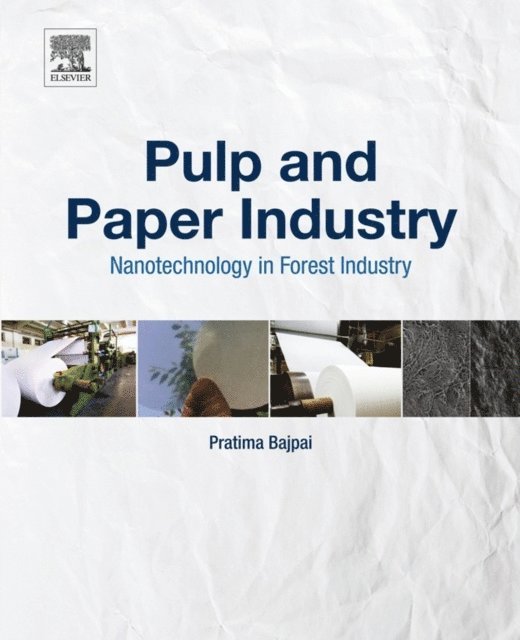
Pulp and Paper Industry: Nanotechnology in Forest Industry covers the latest scientific and technical advances in the area of nanotechnology in forest sector providing information on recent developments, structure and properties, raw materials and methods for the production of nanocellulose along with their characterization and application in various industries with an analysis of both challenges and opportunities with respect to environmentally sound technologies and consumer concerns such as health effects. Also identifies the key barriers to innovation, and the breakthroughs required to make nanocellulosic materials viable alternatives in the important sectors.
Thorough review of the evolution and development of different types of nanocelluloses In-depth coverage of preparation and characterization of nanocellulose Use of nanocellulose materials in a wide range of applications Commercial and precommercial developments Challenges and opportunities of nanocellulose market Identifies the key barriers to innovation, and the breakthroughs required to make nanocellulosic materials viable alternatives in the important sectors1 471 kr
Skickas inom 7-10 vardagar
Pulp and Paper Industry: Chemical Recovery examines the scientific and technical advances that have been made in chemical recovery, including the very latest developments. It looks at general aspects of the chemical recovery process and its significance, black liquor evaporation, black liquor combustion, white liquor preparation, and lime reburning.
The book also describes the technologies for chemical recovery of nonwood black liquor, as well as direct alkali regeneration systems in small pulp mills. In addition, it includes a discussion of alternative chemical recovery processes, i.e. alternative causticization and gasification processes, and the progress being made in the recovery of filler, coating color, and pigments. Furthermore, it discusses the utilization of new value streams (fuels and chemicals) from residuals and spent pulping liquor, including related environmental challenges.
Offers thorough and in-depth coverage of scientific and technical advances in chemical recovery in pulp making Discusses alternative chemical recovery processes, i.e., alternative causticization and gasification processes Covers the progress being made in the recovery of filler, coating color, and pigments Examines utilization of new value streams (fuels and chemicals) from residuals and spent pulping liquor Discusses environmental challenges (air emissions, mill closure) Presents ways in which the economics, energy efficiency, and environmental protection associated with the recovery process can be improved1 922 kr
Skickas inom 7-10 vardagar
Biermann's Handbook of Pulp and Paper: Paper and Board Making, Third Edition provides a thorough introduction to paper and board making, providing paper technologists recent information. The book emphasizes principles and concepts behind papermaking, detailing both the physical and chemical processes. It has been updated, revised and extended. Several new chapters have been added. Papermaking chemistry has found an adequate scope covering this important area by basics and practical application. Scientific and technical advances in refining, including the latest developments have been presented. The process of stock preparation describes the unit processes. An exhaustive overview of Chemical additives in Pulp and Paper Industry is included. Paper and pulp processing and additive chemicals are an integral part of the total papermaking process from pulp slurry, through sheet formation, to effluent disposal. Water circuits with loop designs and circuit closure are presented. The chapter on paper and board manufacture covers the different sections in the paper machine and also fabrics, rolls and roll covers, and describes the different types of machines producing the various paper and board grades. Coating is dealt with in a separate chapter covering color formulation and preparation and also coating application. Paper finishing gives an insight into what happens at roll slitting and handling. The chapter on environmental impact includes waste water treatment and handling, air emissions, utilization and solid residue generation and mitigation . The major paper and board grades and their properties, are described. Biotechnological methods for paper processing are also presented. This handbook is essential reading for Applied Chemists, Foresters, Chemical Engineers, Wood Scientists, and Pulp and Paper technologist/ Engineers, and anyone else interested or involved in the pulp and paper industry.
Provides comprehensive coverage on all aspects of papermaking Covers the latest science and technology in papermaking Includes traditional and biotechnological methods, a unique feature of this book Presents the environmental impact of papermaking industries Sets itself apart as a valuable reference that every pulp and papermaker/engineer/chemist will find extremely useful1 922 kr
Skickas inom 7-10 vardagar
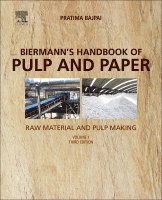
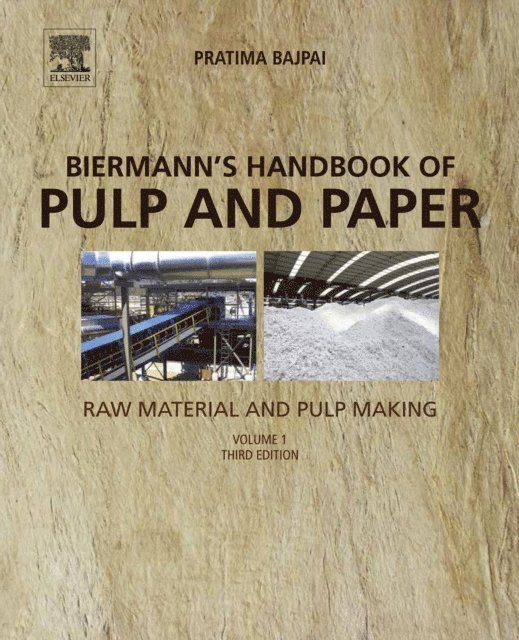
Biermann's Handbook of Pulp and Paper: Raw Material and Pulp Making, Third Edition is a comprehensive reference for industry and academia covering the entire gamut of pulping technology. This book provides a thorough introduction to the entire technology of pulp manufacture; features chapters covering all aspects of pulping from wood handling at the mill site through pulping and bleaching and pulp drying. It also includes a discussion on bleaching chemicals, recovery of pulping spent liquors and regeneration of chemicals used and the manufacture of side products. The secondary fiber recovery and utilization and current advances like organosolv pulping and attempts to close the cycle in bleaching plants are also included. Hundreds of illustrations, charts, and tables help the reader grasp the concepts being presented. This book will provide professionals in the field with the most up-to-date and comprehensive information on the state-of- the-art techniques and aspects involved in pulp making. ?It has been updated, revised and extended. Alongside the traditional aspects of pulping and papermaking processes, this book also focuses on biotechnological methods, which is the distinguishing feature of this book. It includes wood-based products and chemicals, production of dissolving pulp, hexenuronic acid removal, alternative chemical recovery processes, forest products biorefinery. The most significant changes in the areas of raw material preparation and handling, pulping and recycled fiber have been included. A total of 11 new chapters have been added. This handbook is essential reading for all chemists and engineers in the paper and pulp industry.
Provides comprehensive coverage on all aspects of pulp making Covers the latest science and technology in pulp making Includes traditional and biotechnological methods, a unique feature of this book Presents the environmental impact of pulp and papermaking industries Sets itself apart as a valuable reference that every pulp and papermaker/engineer/chemist will find extremely useful1 898 kr
Skickas inom 7-10 vardagar
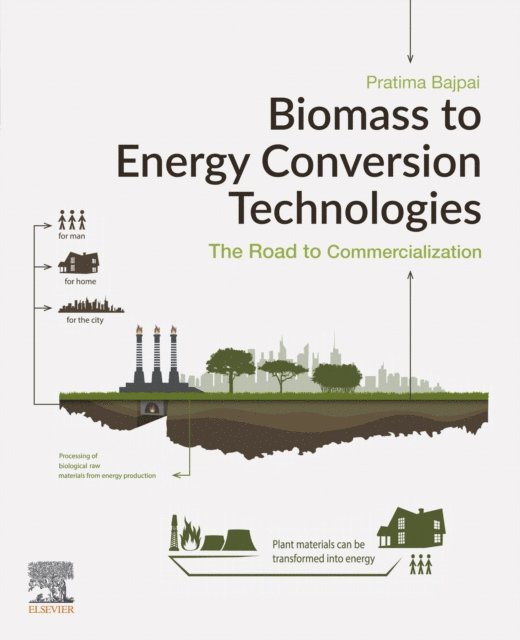
Biomass to Energy Conversion Technologies: The Road to Commercialization examines biomass production, biomass types, properties and characterization, and energy conversion technologies with an emphasis on the production of a gaseous fuel to supplement the gas derived from the landfilling of organic wastes (landfill gas) and used in gas engines to produce electricity. The book discusses the integration of both fermentation and anaerobic digestion in a biorefinery concept that allows the production of ethanol-along with biogas-to be used to produce heat and electricity, thus improving overall energy balance. Included case studies based on worldwide projects discuss both risks and challenges.
The main studies on the combination of both bioethanol and biogas production processes are reviewed and the strength and weakness of the integrated treatment for industrial application are highlighted. The book also considers gasification technologies and their potential for biomass gasification and lists the advantages and disadvantages of using of biomass as a source of energy, the path of commercialization of the various processes, energy related environmental issues.
Highlights commercialization and technological risks Discusses challenges, limitations and future prospects of third- and fourth generation biofuels Includes integration of both fermentation and anaerobic digestion in a biorefinery concept Discusses energy related environment issues (Greenhouse effect, acid rain, air pollution)1 922 kr
Skickas inom 7-10 vardagar
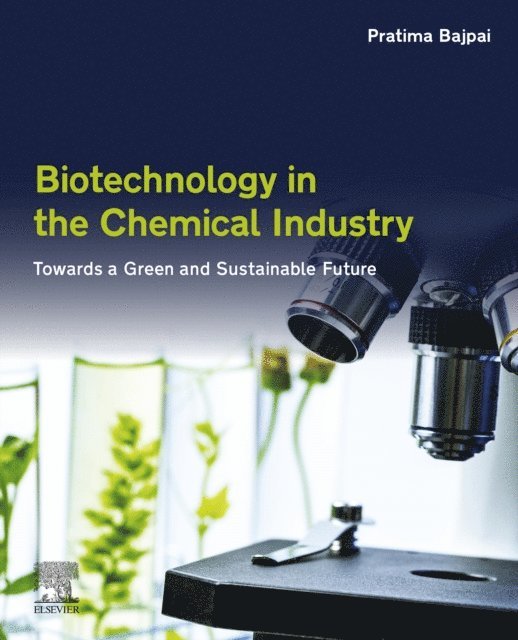
Biotechnology in the Chemical Industry: Towards a Green and Sustainable Future focuses on achievements and prospects for biotechnology in sustainable production of goods and services, especially those that are derived at present mostly from the traditional chemical industry. It considers the future impact of industrial biotechnology and lays out the major research areas which must be addressed to move from a flourishing set of scientific disciplines to a major contributor to a successful future knowledge-based economy. The book focuses on the research needed to underpin three broad topics: biomass, bio-processes and bio-products, including bio-energy.
Readers, including advanced students, researchers, industry professionals, academics, analysts, consultants, and anyone else interested, or involved in biotechnology will find this book very informative.
Offers a comprehensive introduction to the subject for researchers interested in the biotechnological applications in chemical industry Provides a state-of-the art update on the field Presents the economic and ecological advantages of industrial biotechnology Discusses efforts made by developing countries towards industrial biotechnology Describes new biotechnological applications Includes the major challenges facing industrial biotechnology1 922 kr
Skickas inom 7-10 vardagar
Biobased Polymers: Properties and Applications in Packaging looks at how biopolymers may be used in packaging as a potential green solution. The book addresses bio-based feedstocks, production processes, packaging types, recent trends in packaging, the environmental impact of bio-based polymers, and legislative demands for food contact packaging materials. Chapters explore opportunities for biopolymers in key end-use sectors, the penetration of biopolymer based concepts in the packaging market, and barriers to widespread commercialization.
As the development of bio-based material is an important factor for sustainably growing the packaging industry, these recent trends in consumer markets are extremely important as we move towards greener packaging. Hence, this resource is an invaluable addition on the topic.
Offers a comprehensive introduction to the subject for researchers interested in bio-based products, green and sustainable chemistry, polymer chemistry and materials science Covers the market for bio-based materials Includes discussions on legislative demands for food contact packaging materials Describes interesting new technologies, including nanotechnology approaches1 788 kr
Skickas inom 7-10 vardagar
1 825 kr
Skickas inom 7-10 vardagar
Lignocellulosic Biomass in Biotechnology highlights significant aspects of lignocellulose biotechnology, demonstrating its potential value from an application perspective. Sections cover the physico-chemical characteristics of lignocellulosic biomass, the physical and structural properties of hemicelluloses, celluloses and lignin, sources of lignocellulosic biomass , microorganisms and their lignocellulytic enzymes, enzymatic degradation of lignocellulosic biomass, regulation of cell-wall degrading enzymes, barriers to lignocellulose biodegradation, biotechnological importance of lignocellulosic biomass, lignocellulosic pretreatment techniques, bioprocessing of lignocellulosic biomass, lignocellulosic biomass pretreatment methods, valuable chemicals and products, techno-economic evaluation and future perspectives.
This book answers questions surrounding the biotechnology of lignocelluloses. It is ideal for both students and professionals in the industry supply chain. It also provides a reference for researchers and administrators engaged in the utilization and industrial development of agricultural resources.
Presents recent advances in the processing of lignocellulosic biomass Highlights significant aspects of lignocelluloses biotechnology, with an emphasis on its potential value from an application perspective Looks at the cost of enzymes and the potential of modern approaches that could be employed to reduce the cost Summarizes the new achievements that have emerged in the biotechnology of lignocelluloses in recent years Discusses a wide range of topics related to the fundamental and applied aspects of lignocellulose utilization, processing and biotechnological applications1 825 kr
Skickas inom 7-10 vardagar
2 142 kr
Skickas inom 7-10 vardagar
Cellulases in the Biofuel Industry discusses how the properties of cellulases affects the quality of the biofuels produced. Heralded as the solution to humanity's energy problem and the savior of the world's climate, extensive research is being carried out on biofuels but there are still gaps in our understanding. This book presents cost-effective and current scenarios for cellulase production in the biofuel industry, including the most recent advancements for obtaining cellulases with higher activity on pre-treated biomass substrates by screening and sequencing new organisms, engineering cellulases with improved properties, and by identifying proteins that can stimulate cellulases.
The mechanism and efficiency of the cellulase enzyme system on cellulose is discussed with the specific classification of each cellulase enzyme, as well as explanations of the limitation of cellulases in terms of their production processes, efficiency and practical applications to biofuels. Various approaches to improve the production and efficiency of the cellulase enzyme system are evaluated, along with the current limitations that are hampering cost-effective production of cellulase and guidance on how these limitations might be resolved.
Includes different approaches to improve the production and efficiency of the cellulase enzyme system Discusses the current limitations hampering the cost-effective production of cellulases Provides case studies that include essential information for those looking to adapt cellulases technology1 654 kr
Skickas inom 7-10 vardagar
Microbial Xylanolytic Enzymes describes the enzyme structure and its interaction with plant cell walls, the properties and production of different enzymes and their applications, and the knowledge gathered on the hydrolysis mechanism of hemicellulose. The knowledge gathered about the hydrolysis mechanism of the hemicelluloses, especially xylans, has greatly promoted the rapid application of these enzymes in new areas. In recent years, there has been a spurt of interest in xylan degrading enzymes due to their applications in several industrial processes, including paper and pulp industries, food and feed industries, biofuel industry, textile industry, chemical and pharmaceutical industry, brewing industry, and more.
Xylan is the principal type of hemicellulose. An enzymatic complex is responsible for the hydrolysis of xylan, but the main enzymes involved are enzymes produced by fungi, bacteria, yeast, algae, protozoans, and more.
Gives up-to-date authoritative information and cites pertinent research on the synergistic action of xylanolytic enzymes Includes studies on xylanase regulation and synergistic action between multiple forms of xylanase Covers, in great depth, all aspects of Xylanolytic enzymes Includes detailed descriptions on Xylanolytic enzymes as a supplement in animal feed, for the manufacture of bread, food and drinks, textile industry, pulp and paper industry, biofuel industry and production of pharmaceuticals and important chemicals and waste management, etc. Challenges future trends in the commercial production and application of xylanases1 654 kr
Skickas inom 7-10 vardagar
Developments and Applications of Enzymes from Thermophilic Microorganisms extensively presents the industrial application of thermophilic/hyperthermophilic enzymes. The book brings thorough and in-depth coverage on the role of these enzymes in a broad range of industries, focusing on present scenarios of these enzymes in biofuel industries, including recent advancements. The use of thermophilic enzymes in 2G biorefineries may enable the whole production process to take place at high temperatures, allowing increased reaction rate and reduced costs. Researchers in biochemistry, microbiology, microbial technology, biotechnology, molecular biology and bioresource technology will benefit from the new insights given on potential applications of hyperthermophiles.
Hyperthermophilic enzymes, many of which survive at temperatures at or above 100C, contain novel macromolecules and metabolic systems which represent a vast resource for fundamental molecular and physiological studies, and for potential exploitation in biotechnology.
Covers the role of thermophilic/hyperthermophilic enzymes in a broad range of industries Explains the Importance of thermophilic/hyperthermophilic enzymes in biorefineries using examples of lignocellulose and starch conversions to desired products Discusses the existing and potential applications of thermophiles/hyperthermophilic enzymes2 142 kr
Skickas inom 7-10 vardagar
Microorganisms and Enzymes for Lignocellulosic Biorefineries comprehensively deals with enzymes and microorganisms for lignocellulosic degradation, along with challenges in the engineering of lignocellulolytic enzymes and mining and engineering for better enzymes. The book discusses commonly used bioprocesses for lignocellulosic biorefinery, including separated hydrolysis, fermentation and simultaneous saccharification, and consolidated bioprocessing. Among these methods, construction of microbial co-culturing systems via consolidated bioprocessing is regarded as a potential strategy to efficiently produce biochemicals and biofuels, providing theoretical direction for constructing efficient and stable biorefinery process system in the future.The book discusses the construction of high-performance enzyme cocktails and presents progress witnessed in engineering lignocellulolytic enzymes, enzyme-producing microorganisms, and future perspectives within the context of developing cost-effective lignocellulose conversion processes.
Presents drivers for biorefinery industry developmentDiscusses global drivers toward the advancement of lignocellulosic biorefineries, along with technical and operational challenges for industrialization to overcome said challengesDiscusses the biorefinery value chain and its economical and technical considerationsProvides SWOT analysis and future directions1 434 kr
Skickas inom 7-10 vardagar
Recycling and Deinking of Recovered Paper, Second Edition covers recent advances in recycling technologies. This second edition examines this new process, which is more eco-friendly than the virgin-papermaking process, and which uses less energy and natural resources, produces less solid waste and fewer atmospheric emissions, and helps to preserve natural resources and landfill space. In addition, the most recent information about the recycling of fibers into various grades of paper and board, the control of stickies, and the effects of recycled fiber on paper machines are also covered.Recycling technologies have been improved in recent years due to advances in pulping, flotation deinking, and cleaning/screening, resulting in the quality of paper made from secondary fibers remarkably approaching that of virgin paper.
Covers all aspects of recycling technologies in great depthOffers up-to-date authoritative information and cites many mills experiences and pertinent researchExamines the use of biotech methods for deinking, refining, improving drainage, and stickies controlIncludes new case studies on paper recycling1 739 kr
Skickas inom 7-10 vardagar
2 264 kr
Skickas inom 7-10 vardagar
Value Addition to Pulp and Paper Industry Wastes
Towards a Sustainable Circular Economy
1 495 kr
Skickas inom 7-10 vardagar
Biologically-Driven Carbon Capture and Utilization through Microorganisms for Sustainable CO? Biofixation and Bioenergy Generation
2 264 kr
Kommande
1 398 kr
Skickas inom 7-10 vardagar
1 451 kr
Skickas inom 5-8 vardagar
1 792 kr
Skickas inom 7-10 vardagar