Prosper B. Matondi – författare
Visar alla böcker från författaren Prosper B. Matondi. Handla med fri frakt och snabb leverans.
8 produkter
Zimbabwe's Fast Track Land Reform
Av Prosper B. Matondi, Nordic Africa Institute
Häftad, 2012
369 kr
Lägg i varukorg
The Fast Track Land Reform Programme in Zimbabwe has emerged as a highly contested reform process both nationally and internationally. The image of it has all too often been that of the widespread displacement and subsequent replacement of various people, agricultural-related production systems, …
Zimbabwe's Fast Track Land Reform
Av Prosper B. Matondi, Nordic Africa Institute
Inbunden, 2012
1180 kr
Lägg i varukorg
The Fast Track Land Reform Programme in Zimbabwe has emerged as a highly contested reform process both nationally and internationally. The image of it has all too often been that of the widespread displacement and subsequent replacement of various people, agricultural-related production systems, …
Zimbabwe's Fast Track Land Reform
E-bok, 2012
437 kr
Lägg i varukorg
The Fast Track Land Reform Programme in Zimbabwe has emerged as a highly contested reform process both nationally and internationally. The image of it has all too often been that of the widespread displacement and subsequent replacement of various people, agricultural-related production systems, …
Zimbabwe's Fast Track Land Reform
E-bok, 2012
423 kr
Lägg i varukorg
The Fast Track Land Reform Programme in Zimbabwe has emerged as a highly contested reform process both nationally and internationally. The image of it has all too often been that of the widespread displacement and subsequent replacement of various people, agricultural-related production systems, …
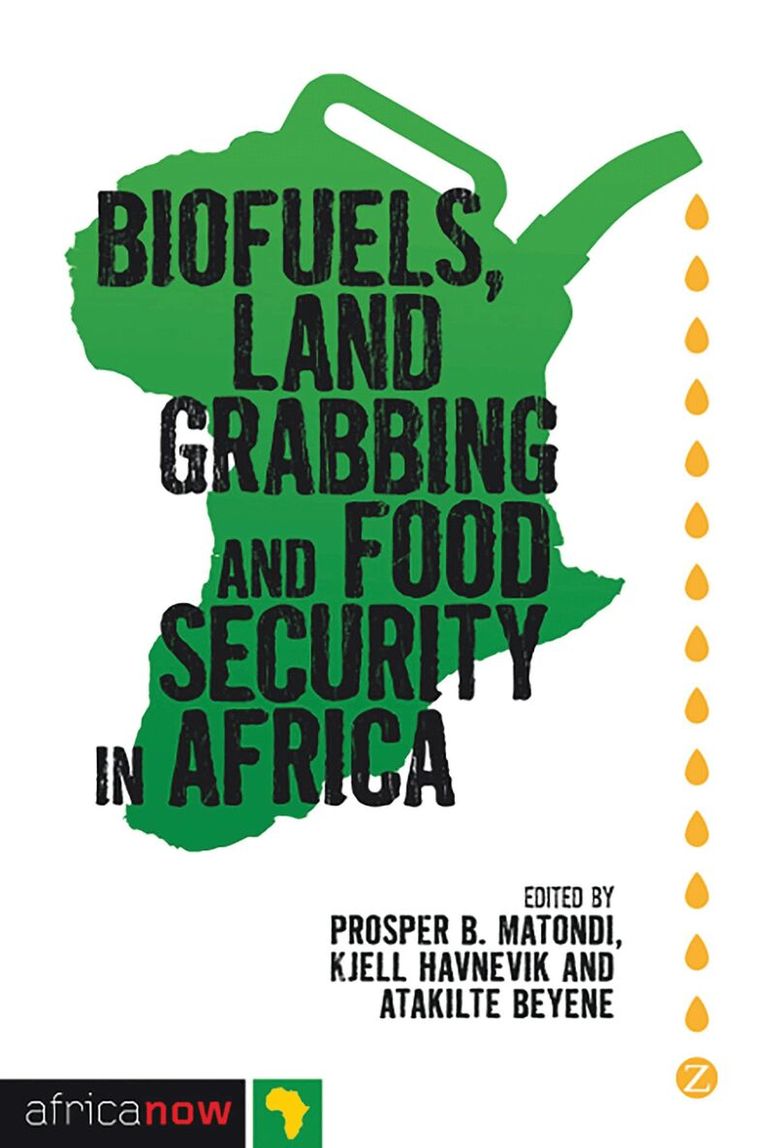
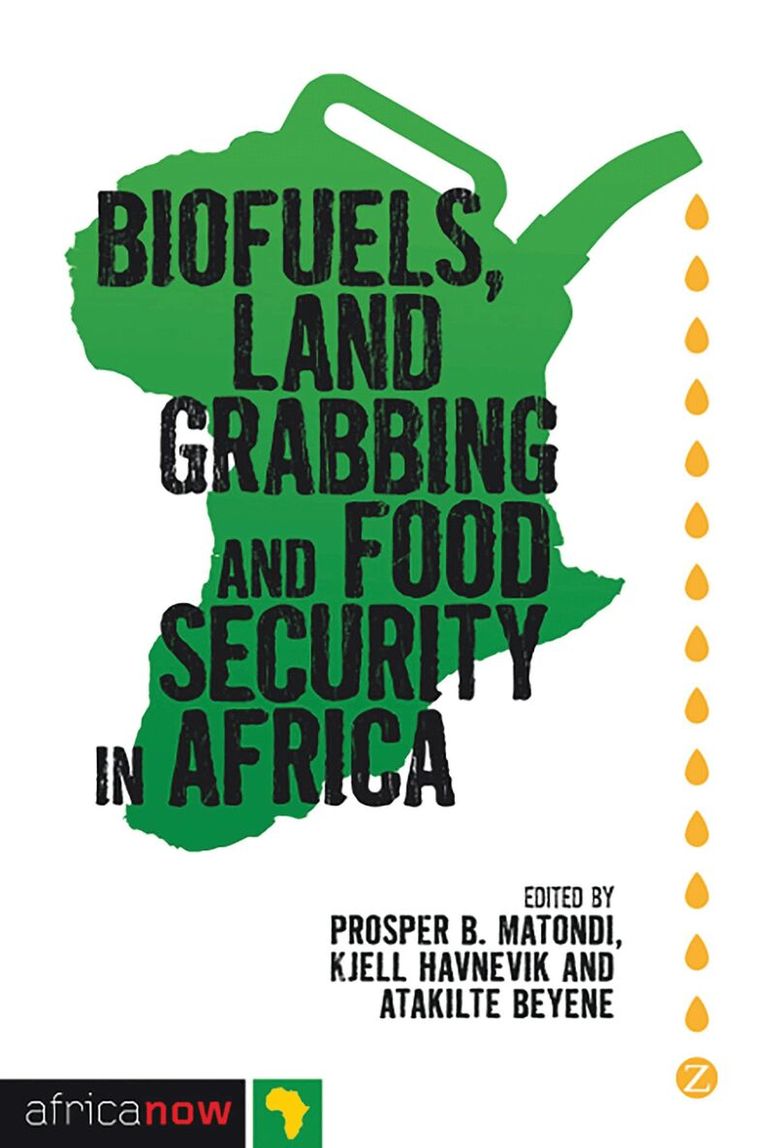
Biofuels, Land Grabbing and Food Security in Africa
Av Prosper B. Matondi, Kjell Havnevik m. fl.
Häftad, 2011
460 kr
Lägg i varukorg
The issue of biofuels has already been much debated, but the focus to date has largely been on Latin America and deforestation - this highly original work breaks fresh ground in looking at the African perspective. Most African governments see biofuels as having the potential to increase …
Biofuels, Land Grabbing and Food Security in Africa
Av Prosper B. Matondi, Kjell Havnevik m. fl.
Inbunden, 2011
1283 kr
Lägg i varukorg
The issue of biofuels has already been much debated, but the focus to date has largely been on Latin America and deforestation - this highly original work breaks fresh ground in looking at the African perspective. Most African governments see biofuels as having the potential to increase …
Biofuels, Land Grabbing and Food Security in Africa
Av Prosper B. Matondi, Kjell Havnevik m. fl.
E-bok, 2011
499 kr
Lägg i varukorg
The issue of biofuels has already been much debated, but the focus to date has largely been on Latin America and deforestation - this highly original work breaks fresh ground in looking at the African perspective. Most African governments see biofuels as having the potential to increase …
Biofuels, Land Grabbing and Food Security in Africa
Av Prosper B. Matondi, Kjell Havnevik m. fl.
E-bok, 2011
499 kr
Lägg i varukorg
The issue of biofuels has already been much debated, but the focus to date has largely been on Latin America and deforestation - this highly original work breaks fresh ground in looking at the African perspective. Most African governments see biofuels as having the potential to increase …