Qing Cao – författare
Visar alla böcker från författaren Qing Cao. Handla med fri frakt och snabb leverans.
16 produkter
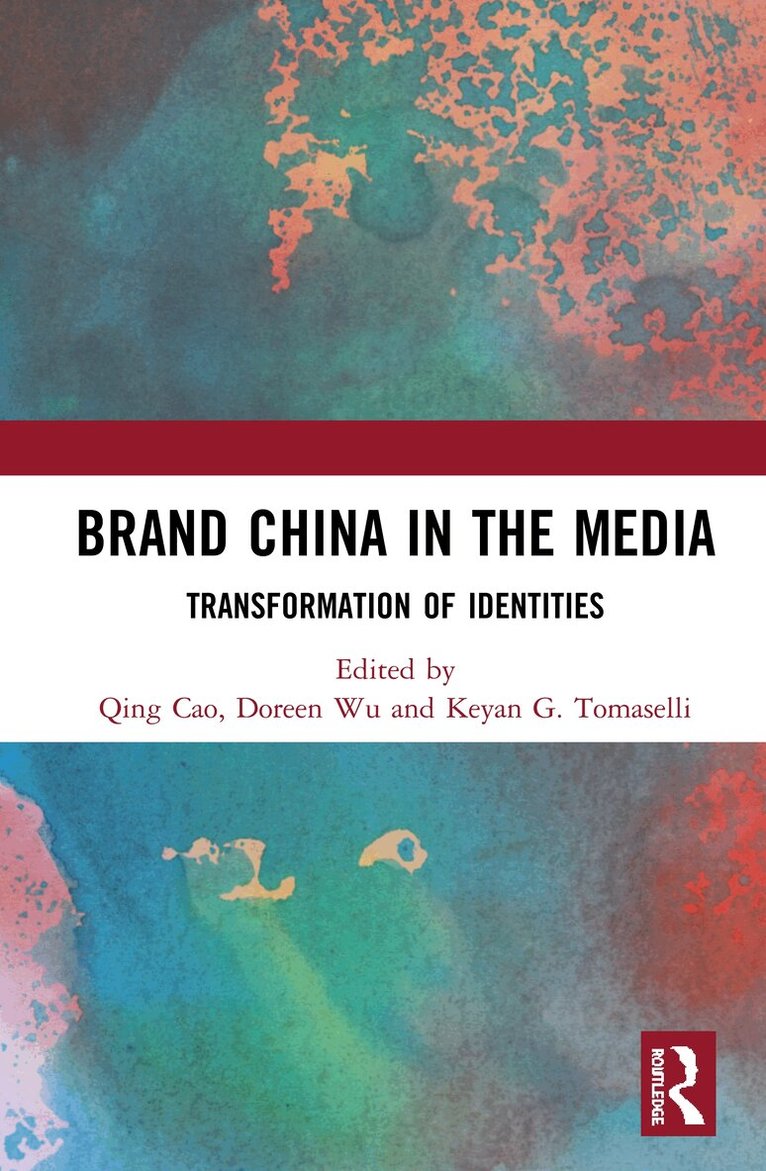
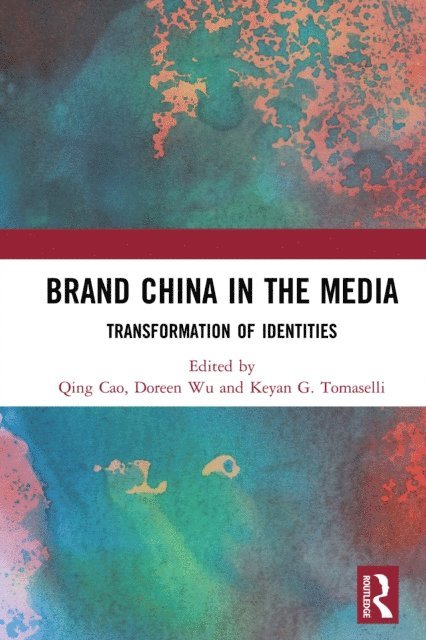
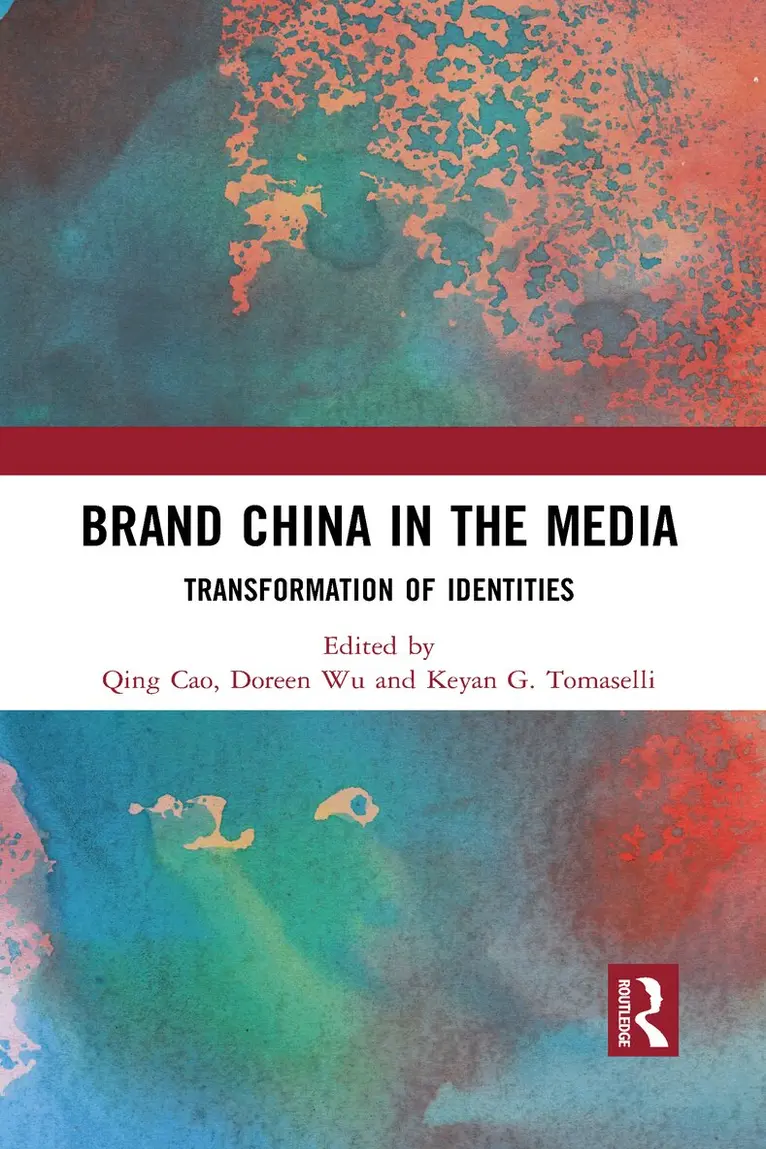
Brand China in the Media
Transformation of Identities
Inbunden, 2019
2510 kr
Lägg i varukorg
This book examines China’s identity transformations with a focus on self-perceptions and their representations and communication in the mass media. By considering the internal dynamics of change, it explores the emerging multifaceted ‘China brand’.With its growing economic clout, China has taken a …
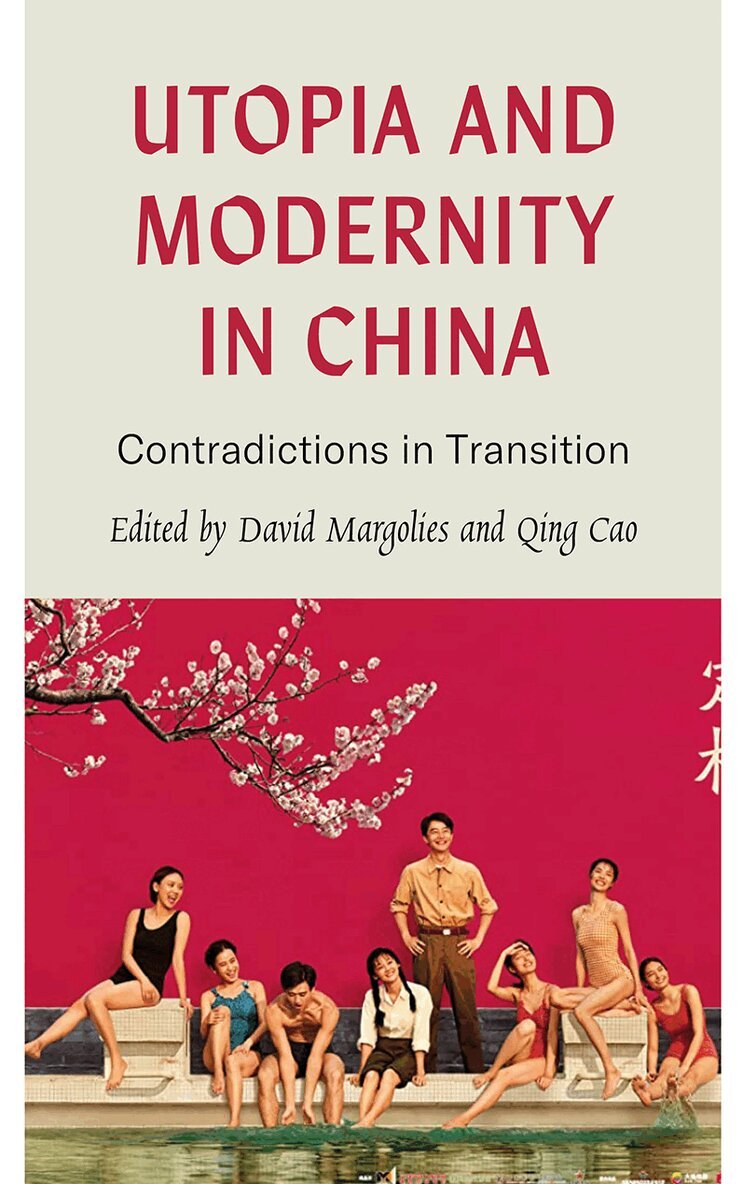
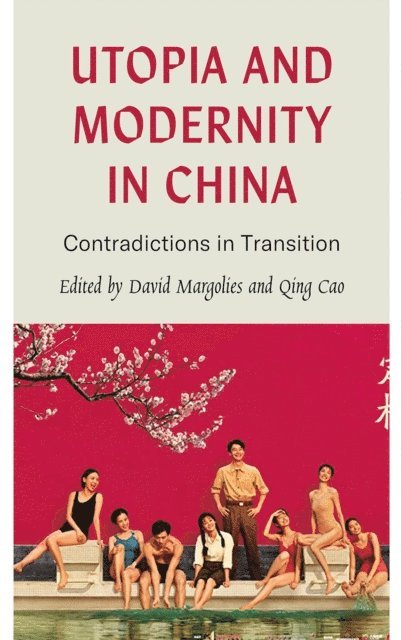
Utopia and Modernity in China
Contradictions in Transition
Av David Margolies, Qing Cao m. fl.
Inbunden, 2022
966 kr
Lägg i varukorg
The contradictions of modernisation run through the whole of modern Chinese history. The abundance of manufactured goods being sold in the west attests to China’s industrial revolution, but this capitalist vision of 'utopia' sits uneasily with traditional Chinese values. It is also in conflict with …
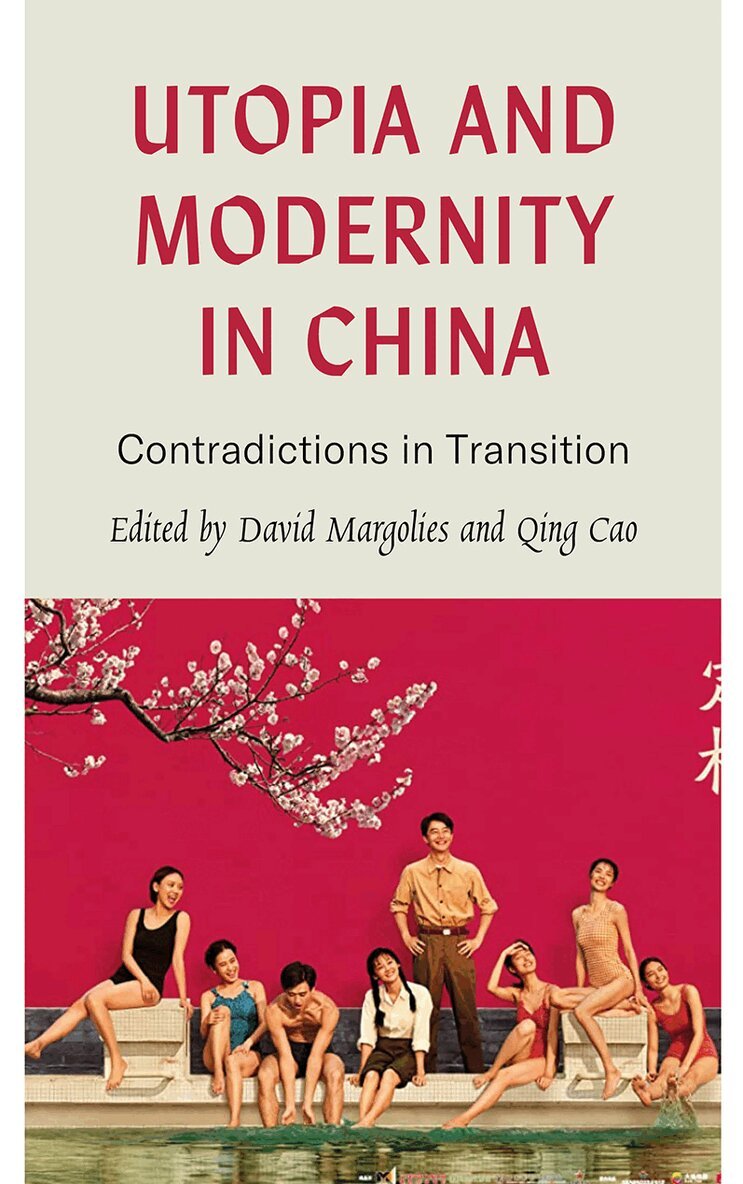
Utopia and Modernity in China
Contradictions in Transition
Häftad, 2022
274 kr
Lägg i varukorg
The contradictions of modernisation run through the whole of modern Chinese history. The abundance of manufactured goods being sold in the west attests to China’s industrial revolution, but this capitalist vision of 'utopia' sits uneasily with traditional Chinese values. It is also in conflict with …
Brand China in the Media
Transformation of Identities
Av Keyan G. Tomaselli, Doreen Wu m. fl.
E-bok, 2020
762 kr
Lägg i varukorg
This book examines China’s identity transformations with a focus on self-perceptions and their representations and communication in the mass media. By considering the internal dynamics of change, it explores the emerging multifaceted ‘China brand’. With its growing economic clout, China has …
Brand China in the Media
Transformation of Identities
Av Keyan G. Tomaselli, Doreen Wu m. fl.
E-bok, 2020
762 kr
Lägg i varukorg
This book examines China’s identity transformations with a focus on self-perceptions and their representations and communication in the mass media. By considering the internal dynamics of change, it explores the emerging multifaceted ‘China brand’. With its growing economic clout, China has …
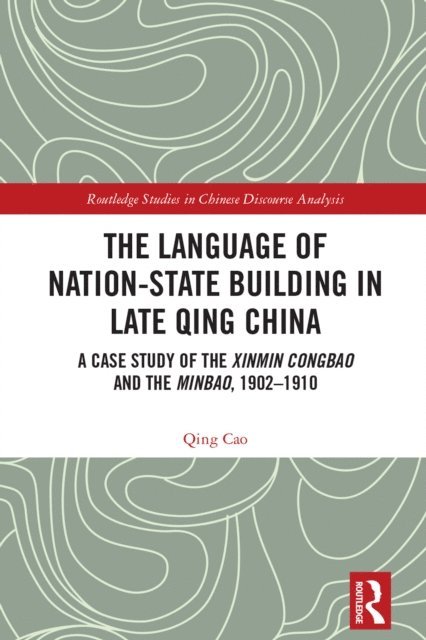
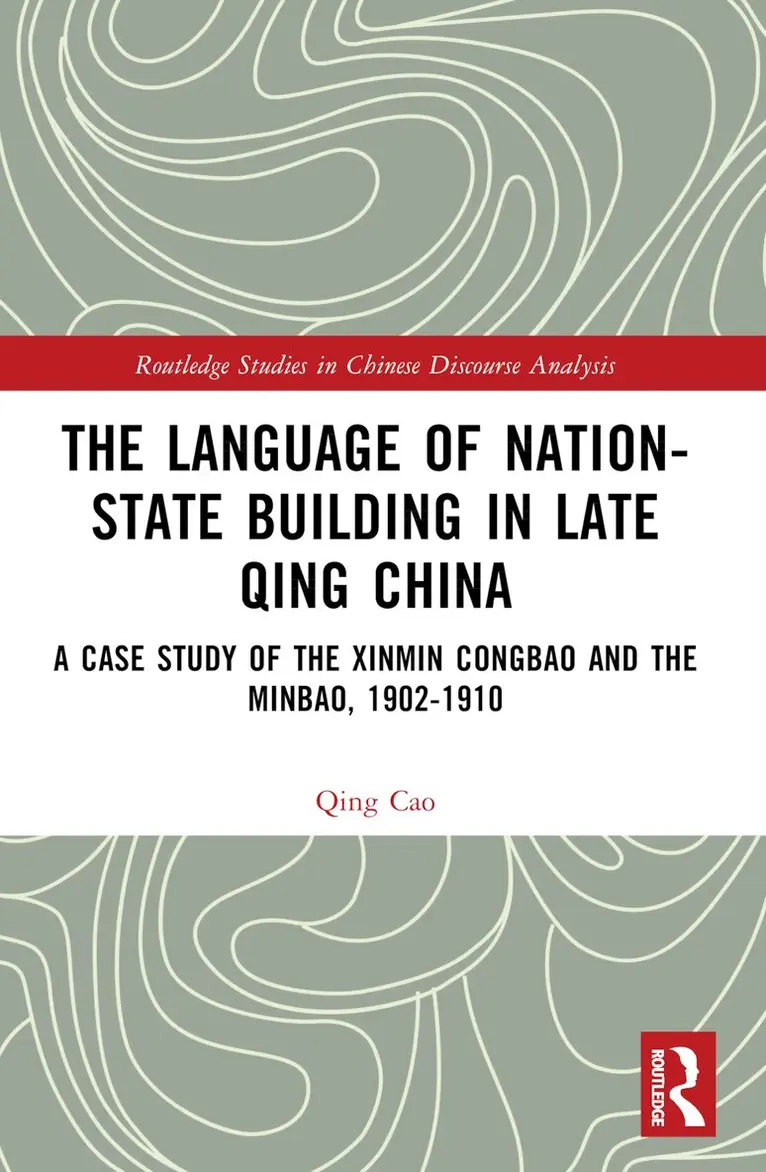
Language of Nation-State Building in Late Qing China
A Case Study of the Xinmin Congbao and the Minbao, 1902-1910
Av Qing Cao
E-bok, 2023
785 kr
Lägg i varukorg
The Language of Nation-State Building in Late Qing China investigates the linguistic and intellectual roots of China’s modern transformation by presenting a systematic study of the interplay between language innovation and socio-political upheavals in the final decade of the Qing Dynasty. This …
Language of Nation-State Building in Late Qing China
A Case Study of the Xinmin Congbao and the Minbao, 1902-1910
Av Qing Cao
E-bok, 2023
785 kr
Lägg i varukorg
The Language of Nation-State Building in Late Qing China investigates the linguistic and intellectual roots of China’s modern transformation by presenting a systematic study of the interplay between language innovation and socio-political upheavals in the final decade of the Qing Dynasty. This …
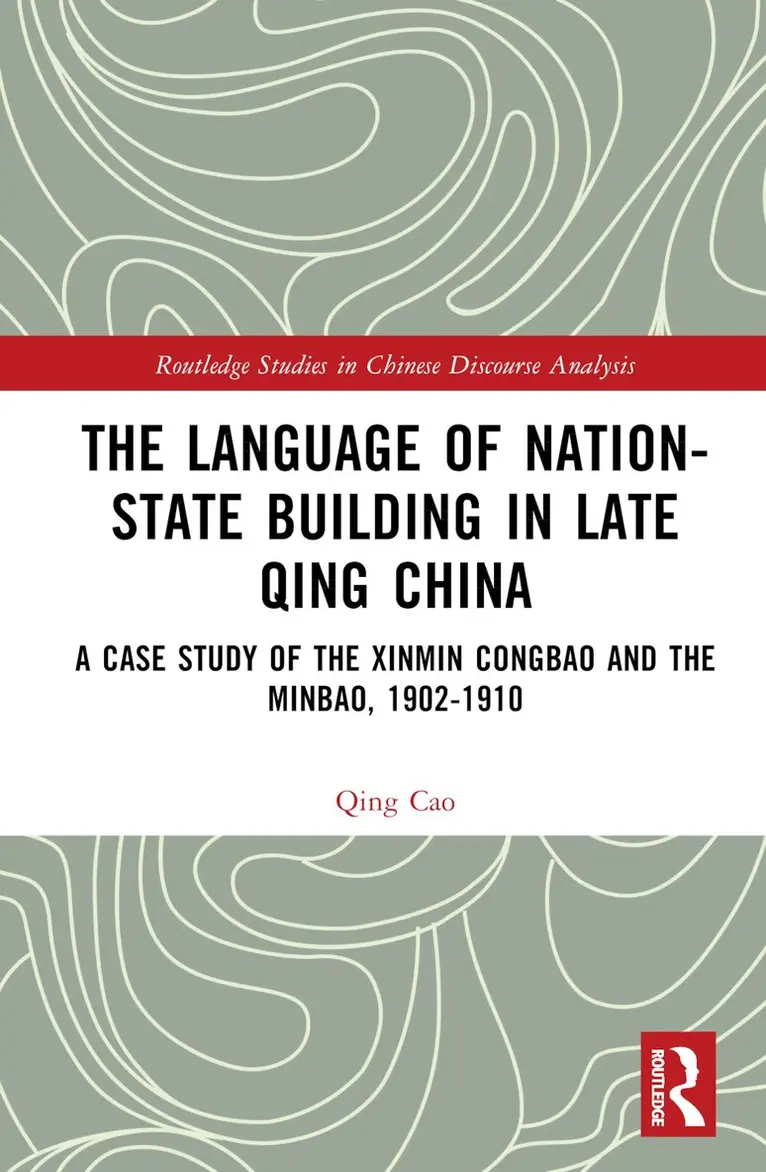
Language of Nation-State Building in Late Qing China
A Case Study of the Xinmin Congbao and the Minbao, 1902-1910
Av Qing Cao
Inbunden, 2023
2195 kr
Lägg i varukorg
The Language of Nation-State Building in Late Qing China investigates the linguistic and intellectual roots of China’s modern transformation by presenting a systematic study of the interplay between language innovation and socio-political upheavals in the final decade of the Qing Dynasty.This book …
Language of Nation-State Building in Late Qing China
A Case Study of the Xinmin Congbao and the Minbao, 1902-1910
Av Qing Cao
Häftad, 2024
647 kr
Lägg i varukorg
The Language of Nation-State Building in Late Qing China investigates the linguistic and intellectual roots of China’s modern transformation by presenting a systematic study of the interplay between language innovation and socio-political upheavals in the final decade of the Qing Dynasty.This book …
Brand China in the Media
Transformation of Identities
Häftad, 2021
647 kr
Lägg i varukorg
This book examines China’s identity transformations with a focus on self-perceptions and their representations and communication in the mass media. By considering the internal dynamics of change, it explores the emerging multifaceted ‘China brand’.With its growing economic clout, China has taken a …
Utopia and Modernity in China
Contradictions in Transition
E-bok, 2022
54 kr
Lägg i varukorg
The contradictions of modernisation run through the whole of modern Chinese history. The abundance of manufactured goods being sold in the west attests to China’s industrial revolution, but this capitalist vision of ''utopia'' sits uneasily with traditional Chinese values. It is also in conflict …
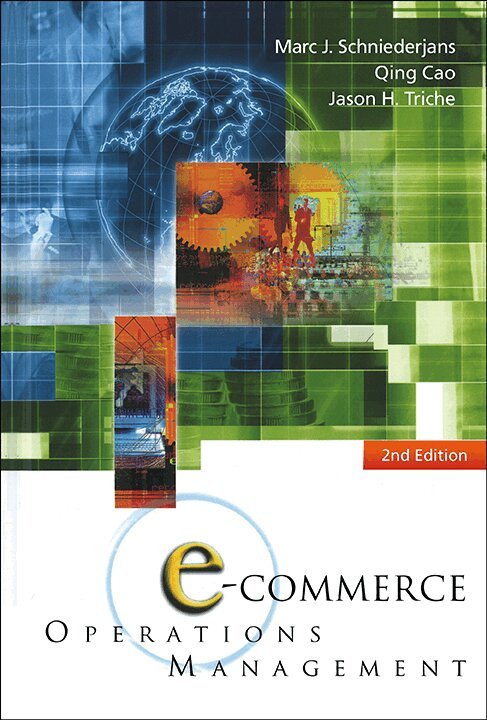
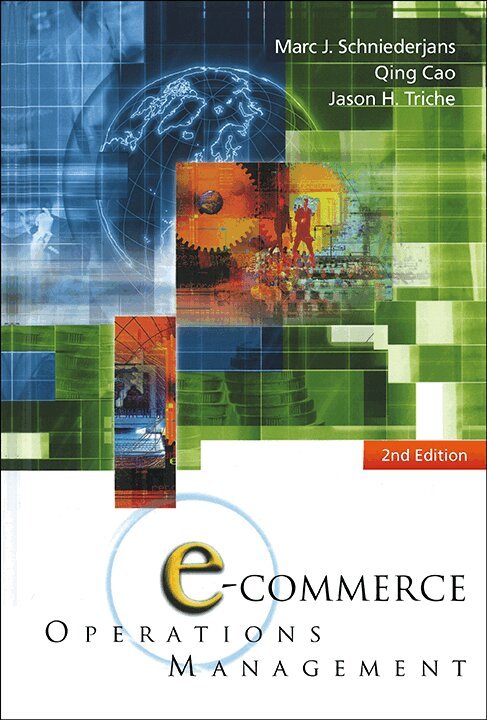
E-COMMERCE OPERATIONS MANAGEMENT (2ND EDITION)
Av Marc J Schniederjans, Qing Cao m. fl.
Häftad, 2013
538 kr
Lägg i varukorg
This updated edition of the book blends in new e-commerce technologies. Mobile commerce (M-commerce) and use of cloud computing are offering a new set of challenges and opportunities for those individuals who know what they are and how they are related to e-commerce. Their use opens up new markets, …
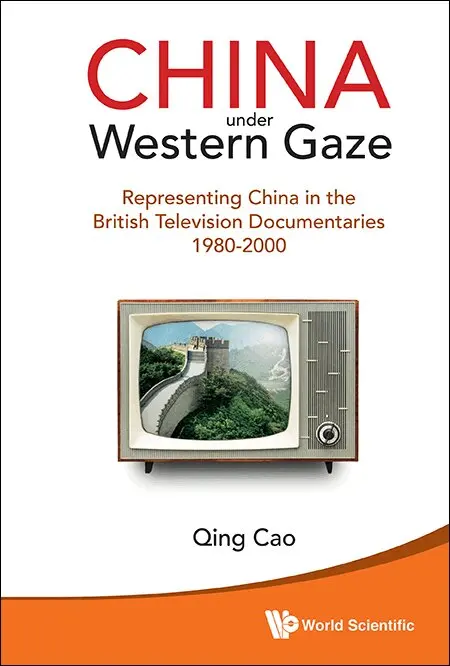
CHINA UNDER WESTERN GAZE: REPRESENTING CHINA IN THE BRITISH TELEVISION DOCUMENTARIES 1980-2000
Av Qing Cao
Inbunden, 2014
1335 kr
Lägg i varukorg
This book presents a critical analysis of the images of China portrayed in British television documentaries between 1980 and 2000. The examination is contextualized within the profound transformations of the post-reform China and global political structures in the last two decades of the 20th …
E-COMMERCE OPERATIONS MANAGEMENT
Av Marc J Schniederjans, Qing Cao
Inbunden, 2002
1173 kr
Tillfälligt slut
Latest Edition: This book focuses on managerial issues of operations management for e-commerce businesses. Specifically, it will help students interested in the managerial aspects of running e-businesses to know what is important in their operations, including personnel, technology, and systems. …
E-COMMERCE OPERATIONS MANAGEMENT
Av Marc J Schniederjans, Qing Cao
Häftad, 2002
691 kr
Tillfälligt slut
Latest Edition: This book focuses on managerial issues of operations management for e-commerce businesses. Specifically, it will help students interested in the managerial aspects of running e-businesses to know what is important in their operations, including personnel, technology, and systems. …
E-COMMERCE OPERATIONS MANAGEMENT (2ND EDITION)
Av Marc J Schniederjans, Qing Cao m. fl.
Inbunden, 2013
1061 kr
Tillfälligt slut
This updated edition of the book blends in new e-commerce technologies. Mobile commerce (M-commerce) and use of cloud computing are offering a new set of challenges and opportunities for those individuals who know what they are and how they are related to e-commerce. Their use opens up new markets, …