Quentin Williams – författare
2 013 kr
Skickas inom 10-15 vardagar
530 kr
Läs direkt efter köp
530 kr
Läs direkt efter köp
508 kr
Skickas inom 10-15 vardagar
494 kr
Skickas inom 10-15 vardagar
1 985 kr
Kommande
2 009 kr
Skickas inom 10-15 vardagar
546 kr
Läs direkt efter köp
546 kr
Läs direkt efter köp
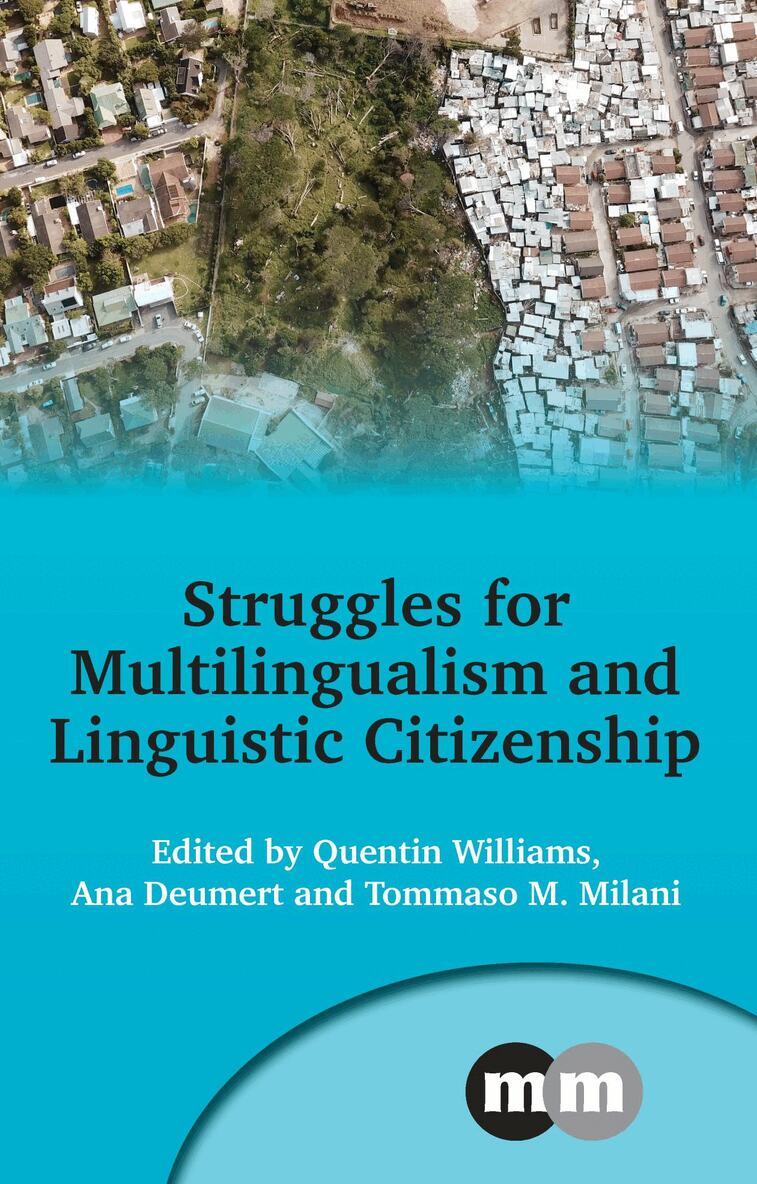
Struggles for Multilingualism and Linguistic Citizenship
485 kr
Skickas inom 5-8 vardagar
Struggles for Multilingualism and Linguistic Citizenship
1 675 kr
Skickas inom 5-8 vardagar
1 774 kr
Skickas inom 10-15 vardagar
1 622 kr
Läs direkt efter köp
648 kr
Skickas inom 5-8 vardagar
1 222 kr
Skickas inom 10-15 vardagar
2 126 kr
Tillfälligt slut
This book offers a fresh perspective on the social life of multilingualism through the lens of the important notion of linguistic citizenship. All of the chapters are underpinned by a theoretical and methodological engagement with linguistic citizenship as a useful heuristic through which to understand sociolinguistic processes in late modernity, focusing in particular on linguistic agency and voices on the margins of our societies. The authors take stock of conservative, liberal, progressive and radical social transformations in democracies in the north and south, and consider the implications for multilingualism as a resource, as a way of life and as a feature of identity politics. Each chapter builds on earlier research on linguistic citizenship by illuminating how multilingualism (in both theory and practice) should be, or could be, thought of as inclusive when we recognize what multilingual speakers do with language for voice and agency.
2 052 kr
Tillfälligt slut
This book offers a fresh perspective on the social life of multilingualism through the lens of the important notion of linguistic citizenship. All of the chapters are underpinned by a theoretical and methodological engagement with linguistic citizenship as a useful heuristic through which to understand sociolinguistic processes in late modernity, focusing in particular on linguistic agency and voices on the margins of our societies. The authors take stock of conservative, liberal, progressive and radical social transformations in democracies in the north and south, and consider the implications for multilingualism as a resource, as a way of life and as a feature of identity politics. Each chapter builds on earlier research on linguistic citizenship by illuminating how multilingualism (in both theory and practice) should be, or could be, thought of as inclusive when we recognize what multilingual speakers do with language for voice and agency.