R. W. Davies – författare
Visar alla böcker från författaren R. W. Davies. Handla med fri frakt och snabb leverans.
24 produkter
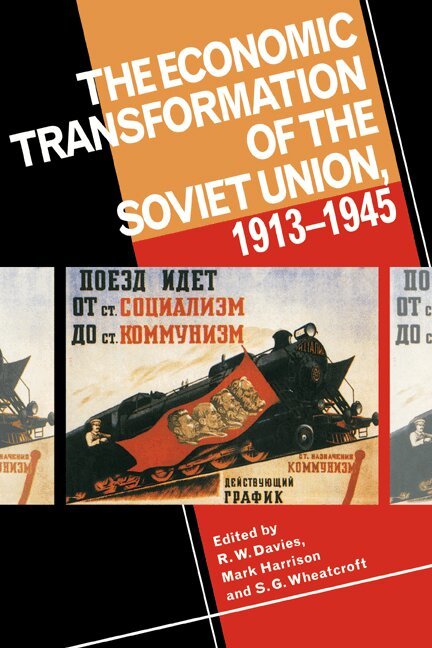
The Economic Transformation of the Soviet Union, 1913-1945
Av Robert William Davies, R. W. Davies m. fl.
Häftad, 1993
821 kr
Lägg i varukorg
This book is an ideal text for students studying a key period of Soviet economic history. It brings together and makes available in textbook form the results of the latest research on Soviet industrialisation, using a vast amount of primary evidence, and the methods of quantitative economic …
Molecular Biology of the Neuron
Av R. W. Davies, Brian J. Morris
Häftad, 2006
1715 kr
Lägg i varukorg
Nerve cells - neurons - are arguably the most complex of all cells. From the action of these cells comes movement, thought and consciousness. It is a challenging task to understand what molecules direct the various diverse aspects of their function. This has produced an ever-increasing amount of …
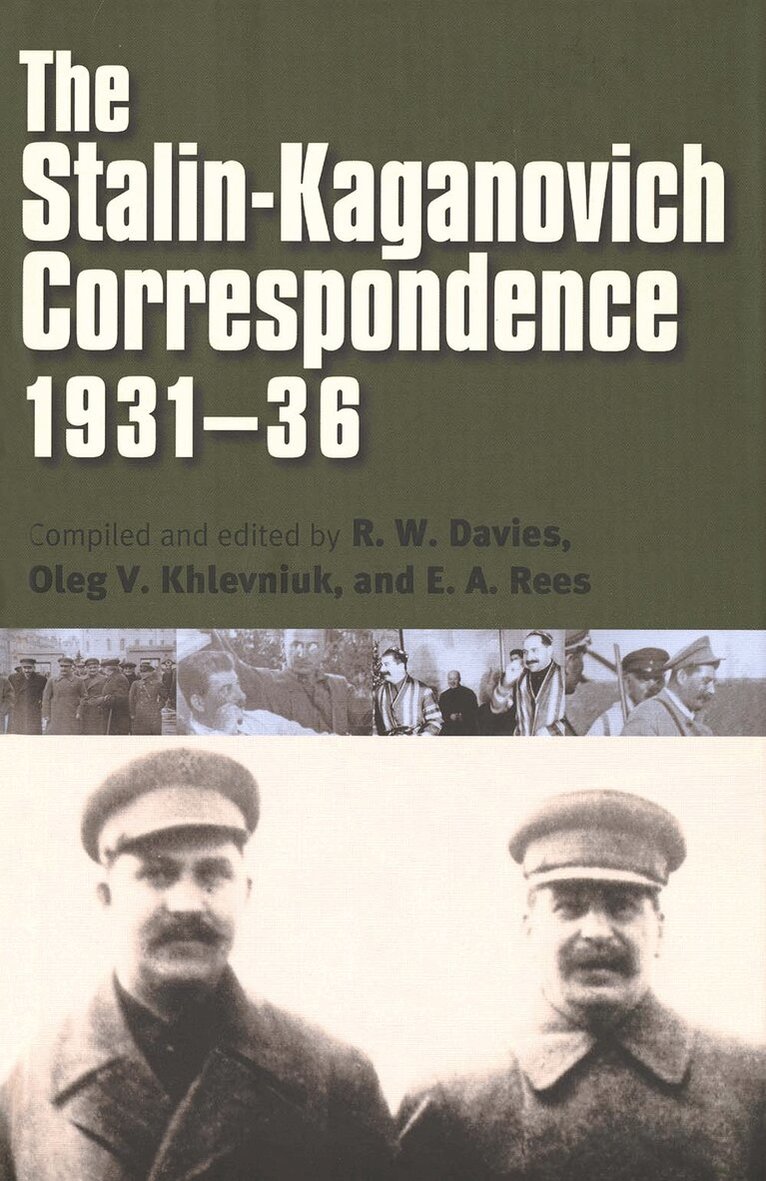
Stalin-Kaganovich Correspondence, 1931–36
Av R. W. Davies, R. W. Davies m. fl.
Inbunden, 2003
1125 kr
Lägg i varukorg
From 1931 to 1936, Stalin vacationed at his Black Sea residence for two to three months each year. While away from Moscow, he relied on correspondence with his subordinates to receive information, watch over the work of the Politburo and the government, give orders, and express his opinions. This …
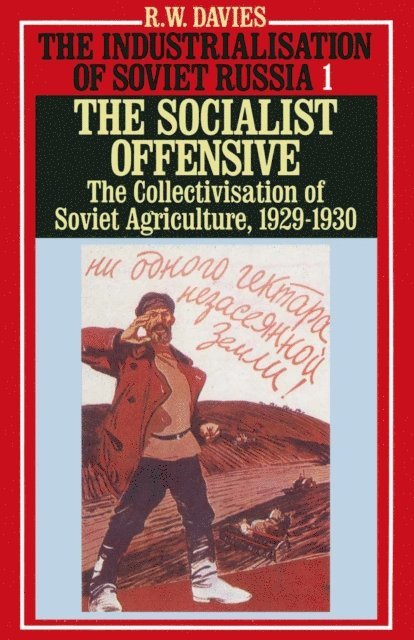
Industrialisation of Soviet Russia 1: Socialist Offensive
The Collectivisation of Soviet Agriculture, 1929-30
Av R. W. Davies
Inbunden, 1980
1692 kr
Lägg i varukorg
By the summer of 1929 Soviet industrialisation was well under way, but agriculture was in a profound crisis: in 1928 and 1929 grain to feed the towns was wrested from the peasants by force, and the twenty-five million individual peasant households lost the stimulus to extend or even to maintain …
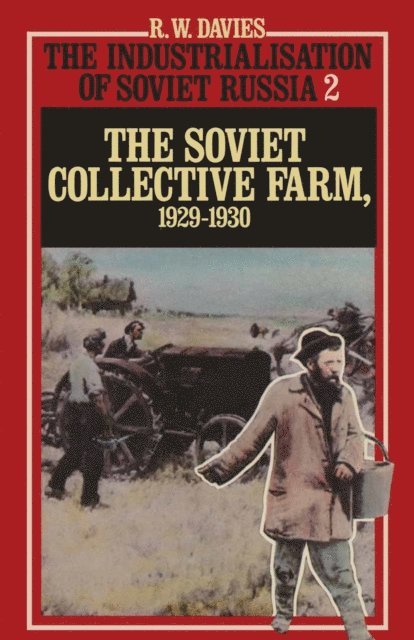
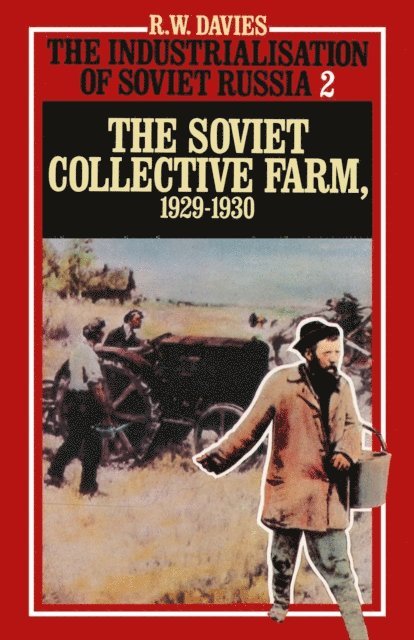
Industrialisation Of Soviet Russia: Volume 2: The Soviet Collective Farm, 1929-1930
Av R W Davies
Inbunden, 1980
569 kr
Lägg i varukorg
During the events described in The Socialist Offensive the collective farms achieved a commanding position in the Soviet countryside. The emergence of the collective farm in 1929-30, discussed in the present volume, was a crucial stage in the formation of the Soviet system.
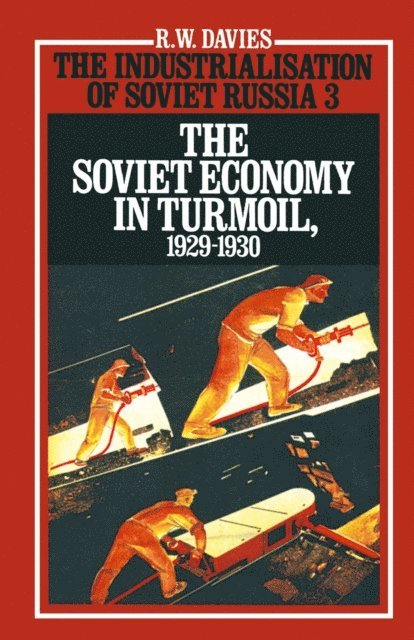
Industrialisation of Soviet Russia 3: The Soviet Economy in Turmoil 1929-1930
Av R. W. Davies
Inbunden, 1989
3152 kr
Lägg i varukorg
In 1929-30, the 'spinal year' of the first five-year plan, a vast investment programme began the transformation of the Soviet Union from a peasant country into a great industrial power. This book, the third part of The Industrialisation of Soviet Russia, re-examines the breakdown of the mixed …
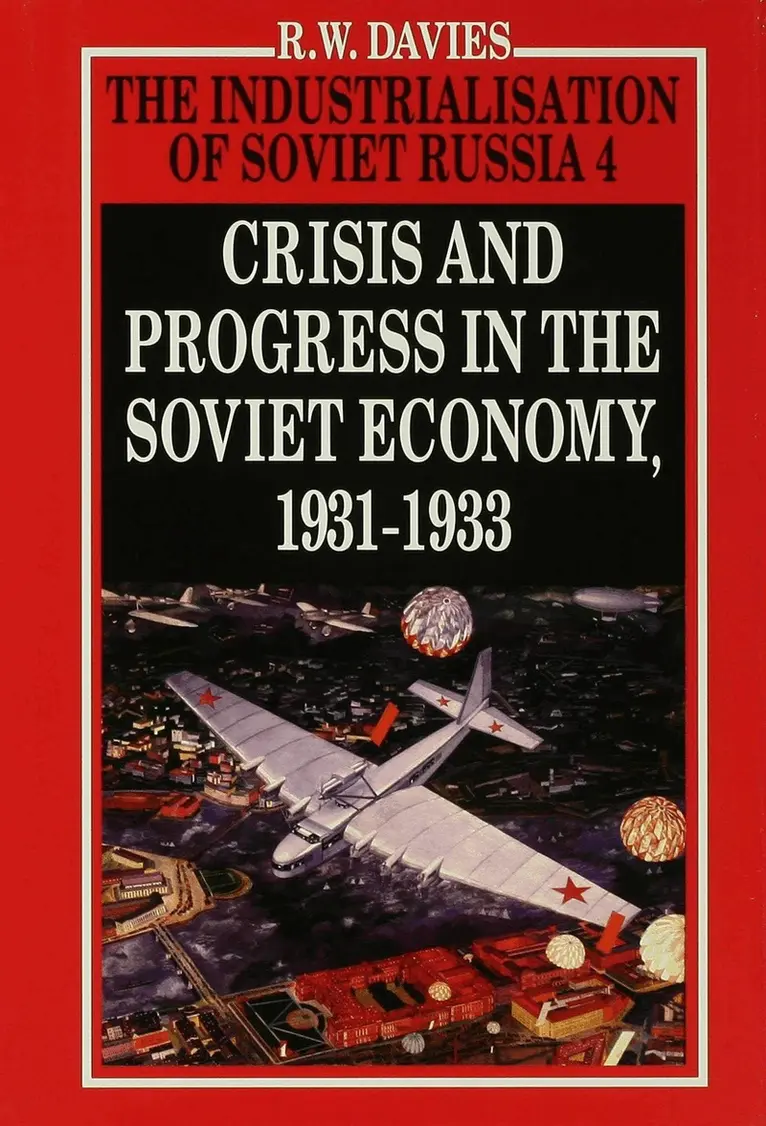
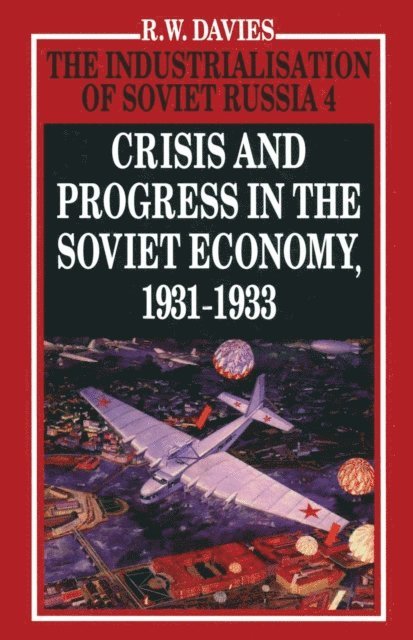
Industrialisation of Soviet Russia Volume 4: Crisis and Progress in the Soviet Economy, 1931-1933
Av R. W. Davies
Inbunden, 1996
2085 kr
Lägg i varukorg
The profound economic crisis of 1931-33 undermined the process of industrialisation and the stability of the regime. In spite of feverish efforts to achieve the over ambitious first five-year plan, the great industrial projects lagged far behind schedule. These were years of inflation, economic …
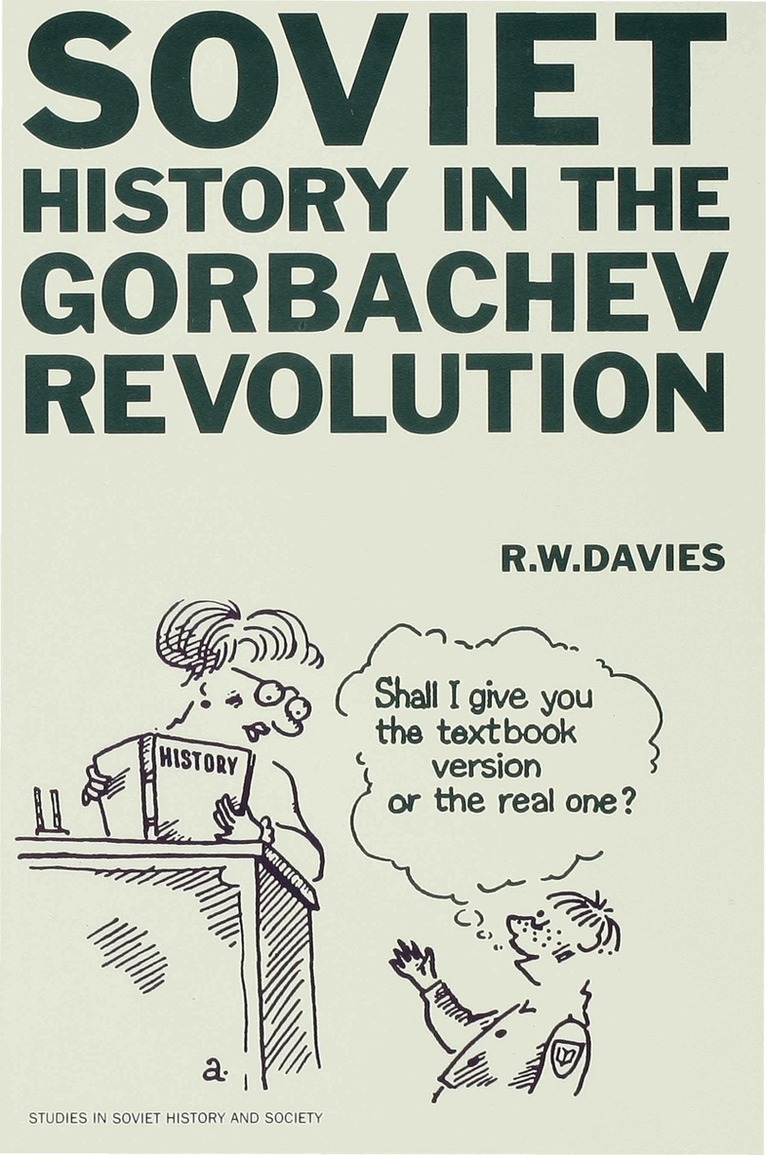
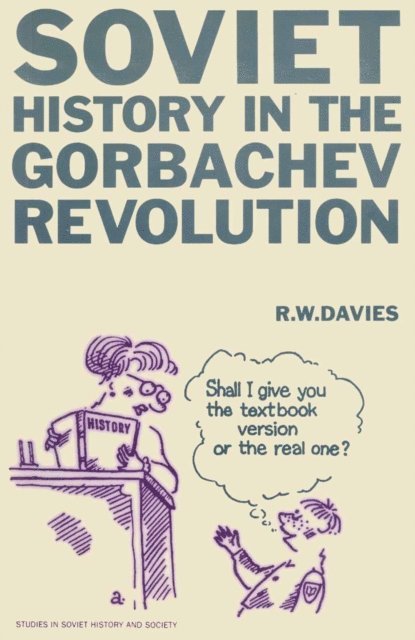
Soviet History in the Gorbachev Revolution
Av R. W. Davies
Inbunden, 1989
1130 kr
Lägg i varukorg
Since Gorbachev took office in 1985, every aspect of the Soviet past has been under scrutiny. Tens of millions of Soviet citizens are eagerly absorbing and debating the vast outpouring of novels, books and articles, and films and TV programmes, about their past. Much new information has appeared, …
Soviet History in the Yeltsin Era
Av R. W. Davies
Häftad, 1997
344 kr
Lägg i varukorg
Russian rethinking of the past has immense political significance. The author of the acclaimed Soviet History in the Gorbachev Revolution now examines the impact of the collapse of Communism and of the subsequent disillusionment with capitalism on Soviet history. The uses of history after the 1991 …
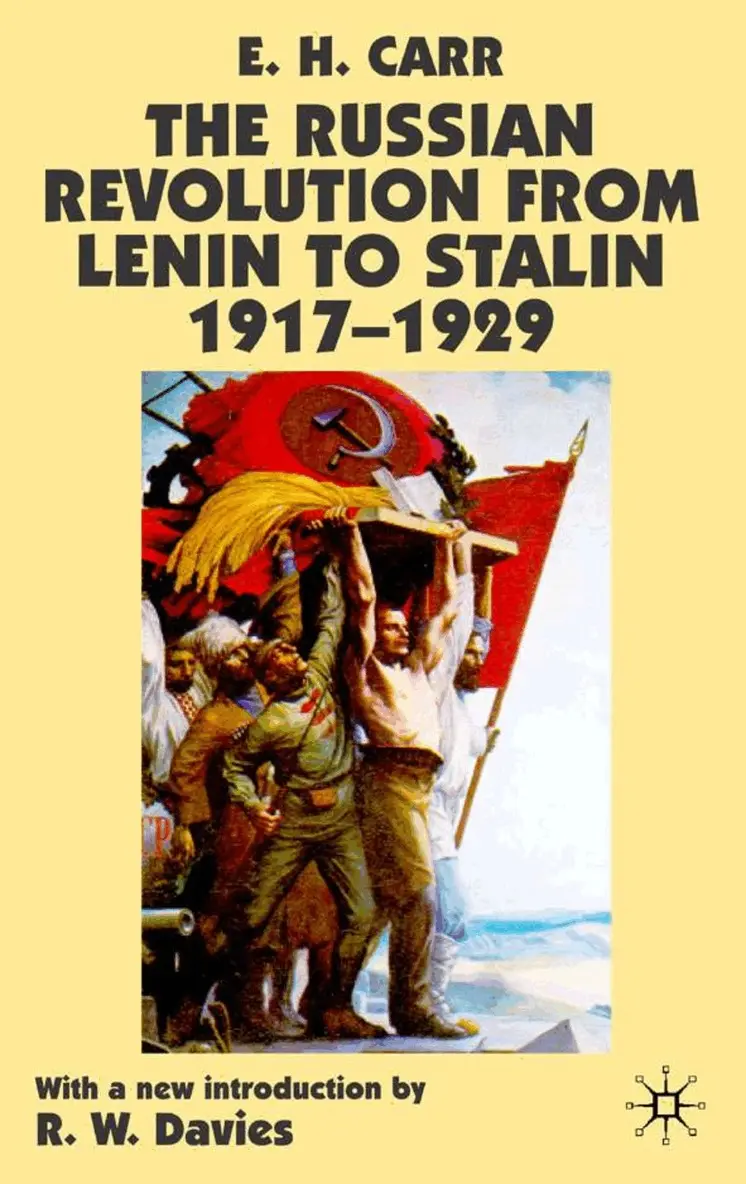
Russian Revolution from Lenin to Stalin 1917-1929
Av E. Carr, R. W. Davies
Häftad, 2003
1018 kr
Lägg i varukorg
E.H. Carr is the acknowledged authority on Soviet Russia. In The Russian Revolution from Lenin to Stalin 1917 - 1929 , he provides the student and general reader alike with insights and knowledge of a lifetime's work. This book, now available in a brand new edition, is, without doubt, the standard …
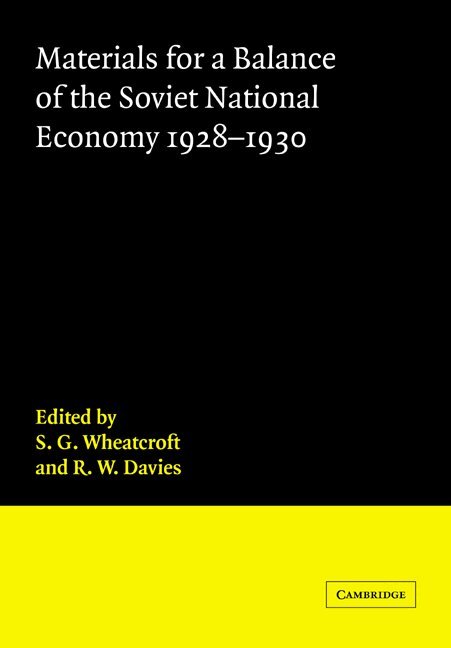
Materials for a Balance of the Soviet National Economy, 1928-1930
Av S. G. Wheatcroft, R. W. Davies
Häftad, 2005
720 kr
Lägg i varukorg
This book contains a full translation of a major but little-known Soviet work on Soviet national income accounts for a crucial stage in the social and economic transformation of the Soviet economy from 1928 to 1930. These were years of mass collectivisation and the launching of the Soviet …
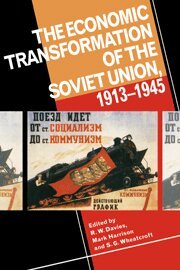
The Economic Transformation of the Soviet Union, 1913-1945
Av R. W. Davies, Mark Harrison m. fl.
Inbunden, 1993
1470 kr
Lägg i varukorg
This book is an ideal text for students studying a key period of Soviet economic history. It brings together and makes available in textbook form the results of the latest research on Soviet industrialisation, using a vast amount of primary evidence, and the methods of quantitative economic …
Soviet Economic Development from Lenin to Khrushchev
Av R. W. Davies
Inbunden, 1998
770 kr
Lägg i varukorg
This book provides a comprehensive survey of Soviet economic development from 1917 to 1965 in the context of the pre-revolutionary economy. In these years the Soviet Union negotiated the first stages of modern industrialisation and then, after the defeat of Nazi Germany and its allies, emerged as …
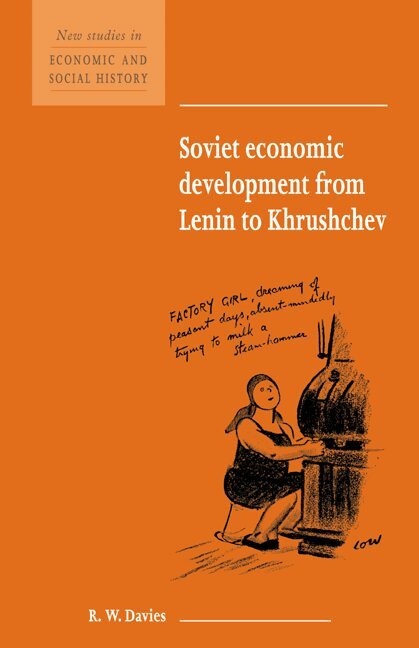
Soviet Economic Development from Lenin to Khrushchev
Av R. W. Davies, Maurice Kirby
Häftad, 1998
452 kr
Lägg i varukorg
This book provides a comprehensive survey of Soviet economic development from 1917 to 1965 in the context of the pre-revolutionary economy. In these years the Soviet Union negotiated the first stages of modern industrialisation and then, after the defeat of Nazi Germany and its allies, emerged as …
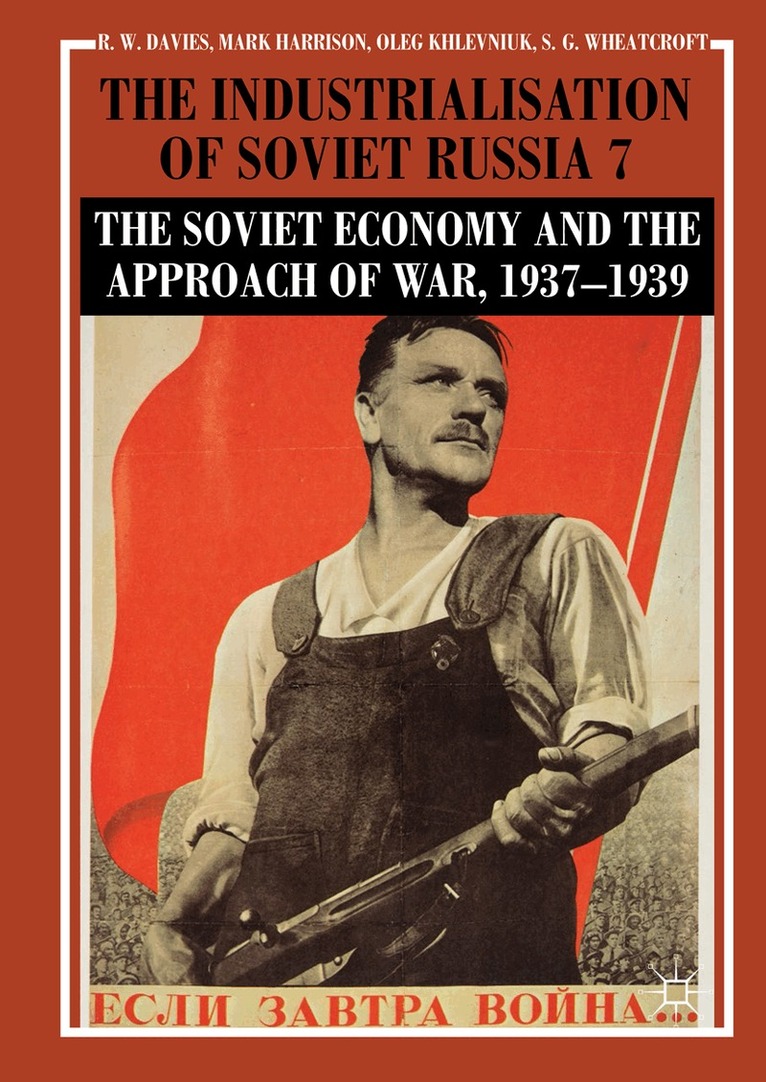
Industrialisation of Soviet Russia Volume 7: The Soviet Economy and the Approach of War, 1937–1939
Av R. W. Davies, Mark Harrison m. fl.
Inbunden, 2018
1580 kr
Lägg i varukorg
This book concludes The Industrialisation of Soviet Russia, an authoritative account of the Soviet Union’s industrial transformation between 1929 and 1939. The volume before this one covered the ‘good years’ (in economic terms) of 1934 to 1936. The present volume has a darker tone: beginning from …
Industrialisation of Soviet Russia Volume 7: The Soviet Economy and the Approach of War, 1937-1939
Av Stephen G. Wheatcroft, Oleg Khlevniuk m. fl.
E-bok, 2018
2085 kr
Lägg i varukorg
This book concludes The Industrialisation of Soviet Russia , an authoritative account of the Soviet Union’s industrial transformation between 1929 and 1939. The volume before this one covered the ‘good years’ (in economic terms) of 1934 to 1936. The present volume has a darker tone: beginning from …
Industrialisation Of Soviet Russia: Volume 2: The Soviet Collective Farm, 1929-1930
Av R W Davies
E-bok, 1980
803 kr
Lägg i varukorg
During the events described in The Socialist Offensive the collective farms achieved a commanding position in the Soviet countryside. The emergence of the collective farm in 1929-30, discussed in the present volume, was a crucial stage in the formation of the Soviet system.
Industrialisation of Soviet Russia Volume 4: Crisis and Progress in the Soviet Economy, 1931-1933
Av R. W. Davies
E-bok, 2016
2771 kr
Lägg i varukorg
The profound economic crisis of 1931-33 undermined the process of industrialisation and the stability of the regime. In spite of feverish efforts to achieve the over ambitious first five-year plan, the great industrial projects lagged far behind schedule. These were years of inflation, economic …
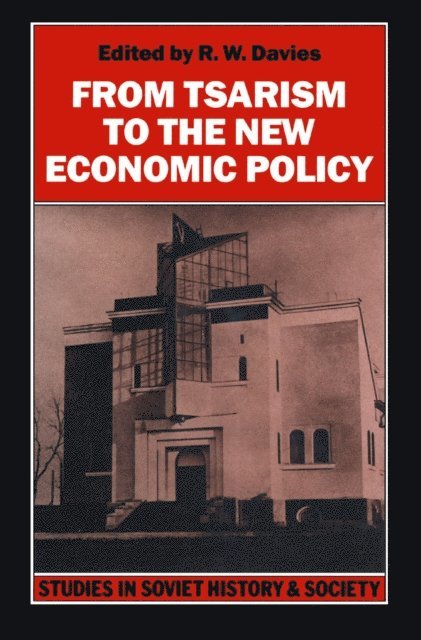
From Tsarism to the New Economic Policy
Continuity and Change in the Economy of the U. S. S. R.
Av R. W. Davies
E-bok, 1990
838 kr
Lägg i varukorg
A comparison between the tsarist economy on the eve of the revolution and the Soviet economy in the mid-1920s. Questions posed include, was the tsarist economy successful, but destroyed by World War I? And was the breakdown of the mixed economy of the 1920s an arbitary political act?
Industrialisation of Soviet Russia 1: Socialist Offensive
The Collectivisation of Soviet Agriculture, 1929-30
Av R. W. Davies
E-bok, 1980
2309 kr
Lägg i varukorg
By the summer of 1929 Soviet industrialisation was well under way, but agriculture was in a profound crisis: in 1928 and 1929 grain to feed the towns was wrested from the peasants by force, and the twenty-five million individual peasant households lost the stimulus to extend or even to maintain …
Industrialisation of Soviet Russia 2: Soviet Collective Farm, 1929-1930
Av R. W. Davies
E-bok, 1989
402 kr
Lägg i varukorg
During the events described in The Socialist Offensive the collective farms achieved a commanding position in the Soviet countryside. They were planned as giant, fully socialist enterprises, modelled on the state-owned factories, and employing wage labour. By the summer of 1930 the collective-farm …
Industrialisation of Soviet Russia 3: The Soviet Economy in Turmoil 1929-1930
Av R. W. Davies
E-bok, 1989
4283 kr
Lägg i varukorg
In 1929-30, the ''spinal year'' of the first five-year plan, a vast investment programme began the transformation of the Soviet Union from a peasant country into a great industrial power. This book, the third part of The Industrialisation of Soviet Russia, re-examines the breakdown of the mixed …
Soviet History in the Gorbachev Revolution
Av R. W. Davies
E-bok, 2015
1596 kr
Lägg i varukorg
Since Gorbachev took office in 1985, every aspect of the Soviet past has been under scrutiny. Tens of millions of Soviet citizens are eagerly absorbing and debating the vast outpouring of novels, books and articles, and films and TV programmes, about their past. Much new information has appeared, …
Soviet History in the Yeltsin Era
Av R. W. Davies
E-bok, 1997
397 kr
Lägg i varukorg
Russian rethinking of the past has immense political significance. The author of the acclaimed Soviet History in the Gorbachev Revolution now examines the impact of the collapse of Communism and of the subsequent disillusionment with capitalism on Soviet history. The uses of history after the 1991 …