Rachelle Taylor – författare
Visar alla böcker från författaren Rachelle Taylor. Handla med fri frakt och snabb leverans.
12 produkter
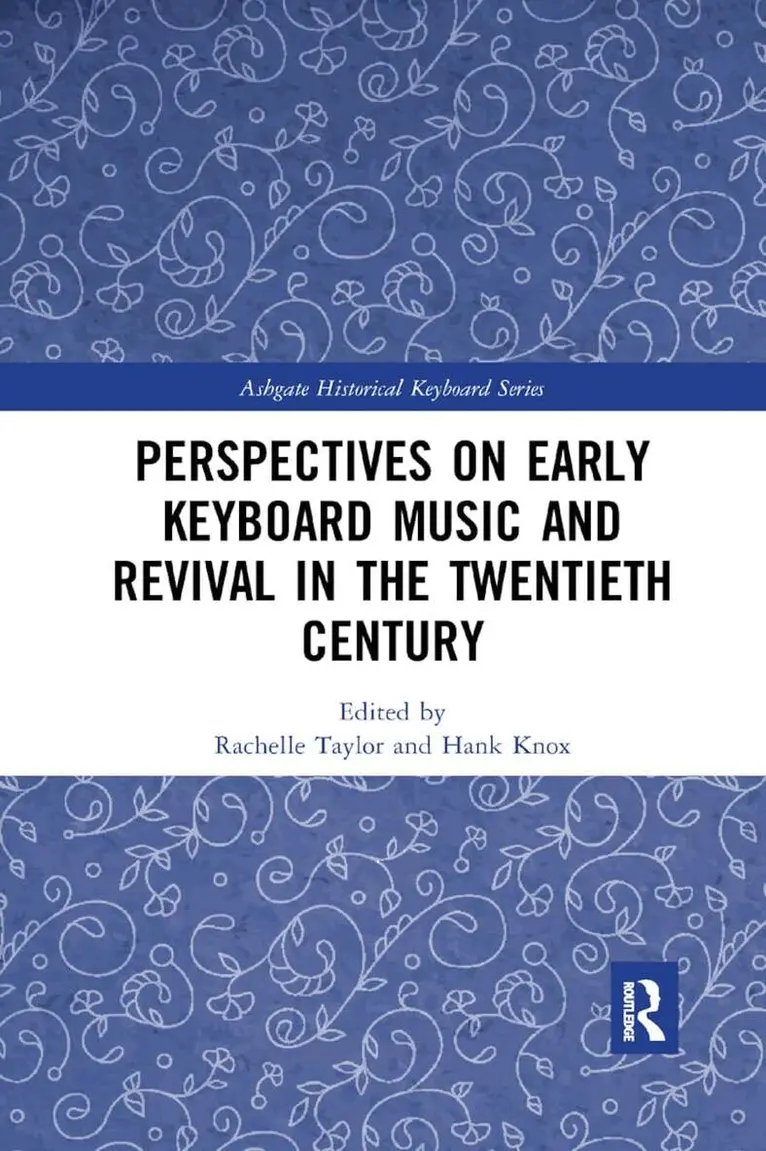
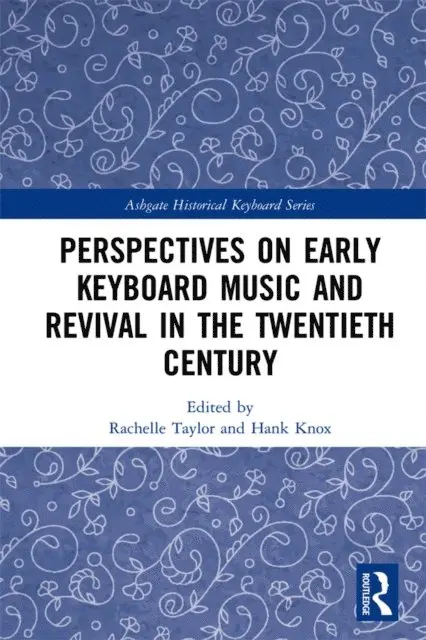
Perspectives on Early Keyboard Music and Revival in the Twentieth Century
Häftad, 2019
726 kr
Lägg i varukorg
The twentieth-century revival of early music unfolded in two successive movements rooted respectively in nineteenth-century antiquarianism and in rediscovery of the value of original instruments. The present volume is a collection of insights reflecting the principal concerns of the second of those …
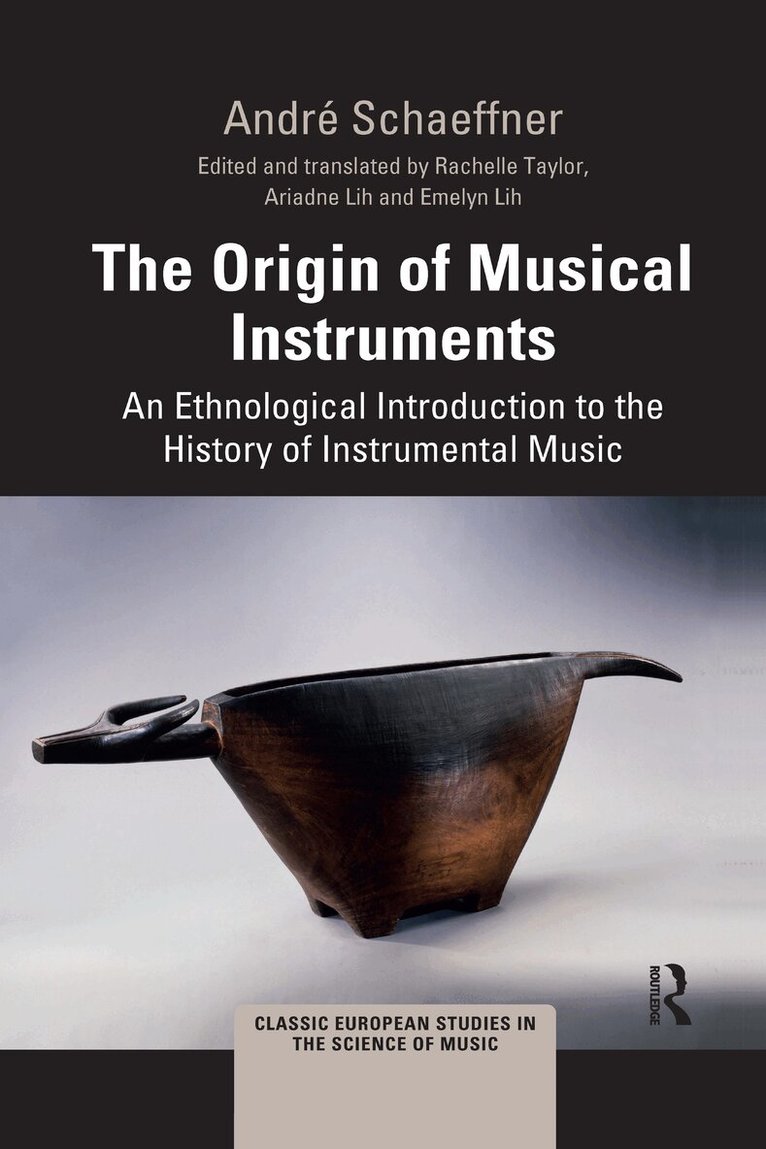
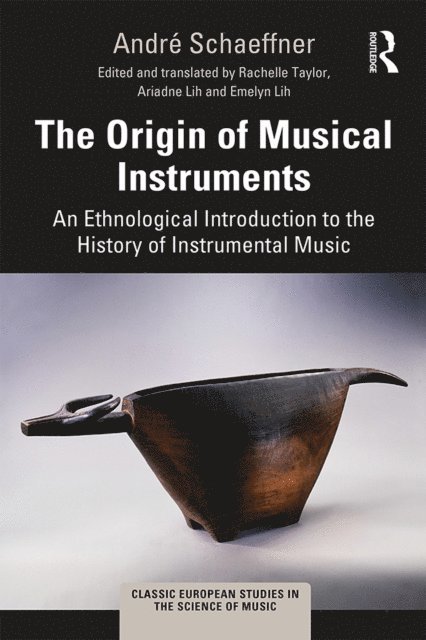
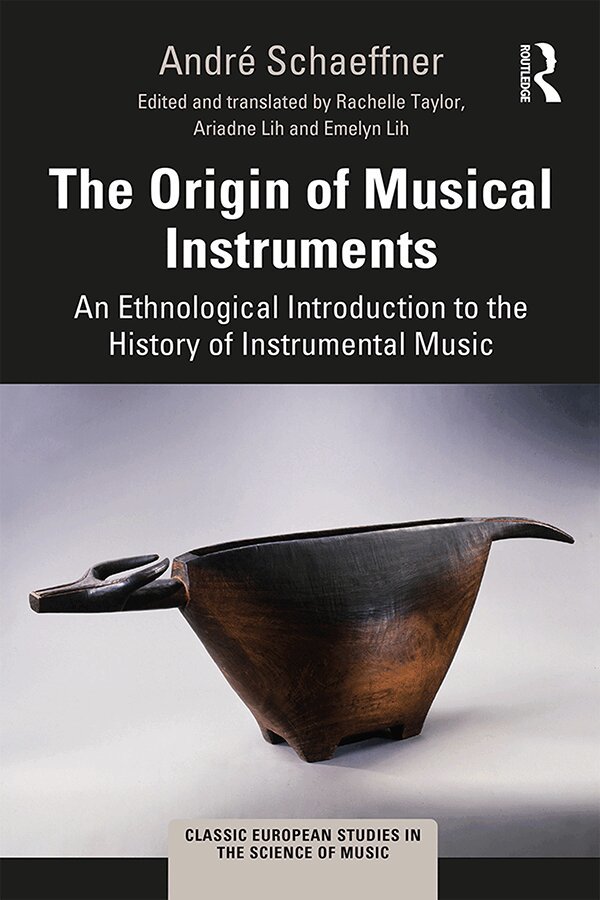
Origin of Musical Instruments
An Ethnological Introduction to the History of Instrumental Music
Av André Schaeffner, Rachelle Taylor
Häftad, 2021
726 kr
Lägg i varukorg
The work of French musicologist, ethnologist and critic Andre Schaeffner (1895– 1980) grew out of his first organological studies of the history of Western classical instruments in the late 1920s and encapsulated in his wide-ranging Origine des instruments de musique, which captures his studies in …
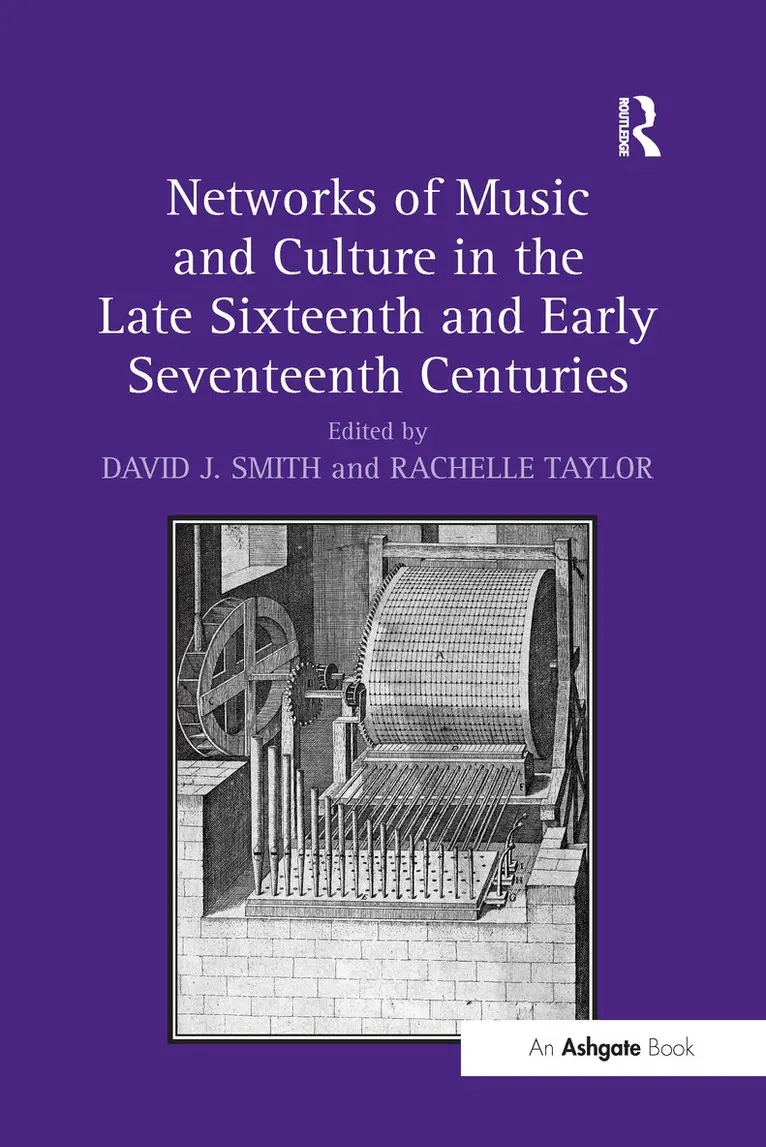
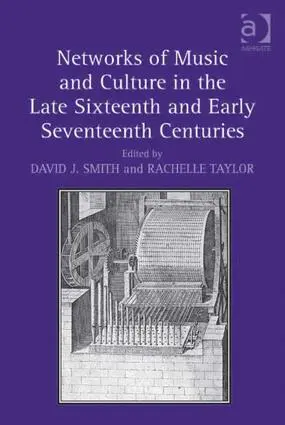
Networks of Music and Culture in the Late Sixteenth and Early Seventeenth Centuries
A Collection of Essays in Celebration of Peter Philips’s 450th Anniversary
Av David J. Smith, Rachelle Taylor
Häftad, 2016
951 kr
Lägg i varukorg
Peter Philips (c.1560-1628) was an English organist, composer, priest and spy. He was embroiled in multifarious intersecting musical, social, religious and political networks linking him with some of the key international players in these spheres. Despite the undeniable quality of his music, …
Origin of Musical Instruments
An Ethnological Introduction to the History of Instrumental Music
Av Andre Schaeffner, Rachelle Taylor
E-bok, 2020
856 kr
Lägg i varukorg
The work of French musicologist, ethnologist and critic Andre Schaeffner (1895– 1980) grew out of his first organological studies of the history of Western classical instruments in the late 1920s and encapsulated in his wide-ranging Origine des instruments de musique , which captures his studies in …
Origin of Musical Instruments
An Ethnological Introduction to the History of Instrumental Music
Av Andre Schaeffner, Rachelle Taylor
E-bok, 2020
856 kr
Lägg i varukorg
The work of French musicologist, ethnologist and critic Andre Schaeffner (1895– 1980) grew out of his first organological studies of the history of Western classical instruments in the late 1920s and encapsulated in his wide-ranging Origine des instruments de musique , which captures his studies in …
Networks of Music and Culture in the Late Sixteenth and Early Seventeenth Centuries
A Collection of Essays in Celebration of Peter Philips's 450th Anniversary
Av Rachelle Taylor, David J. Smith
E-bok, 2016
1091 kr
Lägg i varukorg
Peter Philips (c.1560-1628) was an English organist, composer, priest and spy. He was embroiled in multifarious intersecting musical, social, religious and political networks linking him with some of the key international players in these spheres. Despite the undeniable quality of his music, …
Networks of Music and Culture in the Late Sixteenth and Early Seventeenth Centuries
A Collection of Essays in Celebration of Peter Philips's 450th Anniversary
Av Rachelle Taylor, David J. Smith
E-bok, 2016
1124 kr
Lägg i varukorg
Peter Philips (c.1560-1628) was an English organist, composer, priest and spy. He was embroiled in multifarious intersecting musical, social, religious and political networks linking him with some of the key international players in these spheres. Despite the undeniable quality of his music, …
Perspectives on Early Keyboard Music and Revival in the Twentieth Century
E-bok, 2017
831 kr
Lägg i varukorg
The twentieth-century revival of early music unfolded in two successive movements rooted respectively in nineteenth-century antiquarianism and in rediscovery of the value of original instruments. The present volume is a collection of insights reflecting the principal concerns of the second of those …
Perspectives on Early Keyboard Music and Revival in the Twentieth Century
E-bok, 2017
856 kr
Lägg i varukorg
The twentieth-century revival of early music unfolded in two successive movements rooted respectively in nineteenth-century antiquarianism and in rediscovery of the value of original instruments. The present volume is a collection of insights reflecting the principal concerns of the second of those …
Networks of Music and Culture in the Late Sixteenth and Early Seventeenth Centuries
A Collection of Essays in Celebration of Peter Philips’s 450th Anniversary
Av David J. Smith, Rachelle Taylor
Inbunden, 2013
2585 kr
Lägg i varukorg
Peter Philips (c.1560-1628) was an English organist, composer, priest and spy. He was embroiled in multifarious intersecting musical, social, religious and political networks linking him with some of the key international players in these spheres. Despite the undeniable quality of his music, …
Origin of Musical Instruments
An Ethnological Introduction to the History of Instrumental Music
Av André Schaeffner, Rachelle Taylor
Inbunden, 2020
2585 kr
Lägg i varukorg
The work of French musicologist, ethnologist and critic Andre Schaeffner (1895– 1980) grew out of his first organological studies of the history of Western classical instruments in the late 1920s and encapsulated in his wide-ranging Origine des instruments de musique, which captures his studies in …
Perspectives on Early Keyboard Music and Revival in the Twentieth Century
Inbunden, 2017
2585 kr
Lägg i varukorg
The twentieth-century revival of early music unfolded in two successive movements rooted respectively in nineteenth-century antiquarianism and in rediscovery of the value of original instruments. The present volume is a collection of insights reflecting the principal concerns of the second of those …