Rajat Pratap Singh – författare
Visar alla böcker från författaren Rajat Pratap Singh. Handla med fri frakt och snabb leverans.
6 produkter
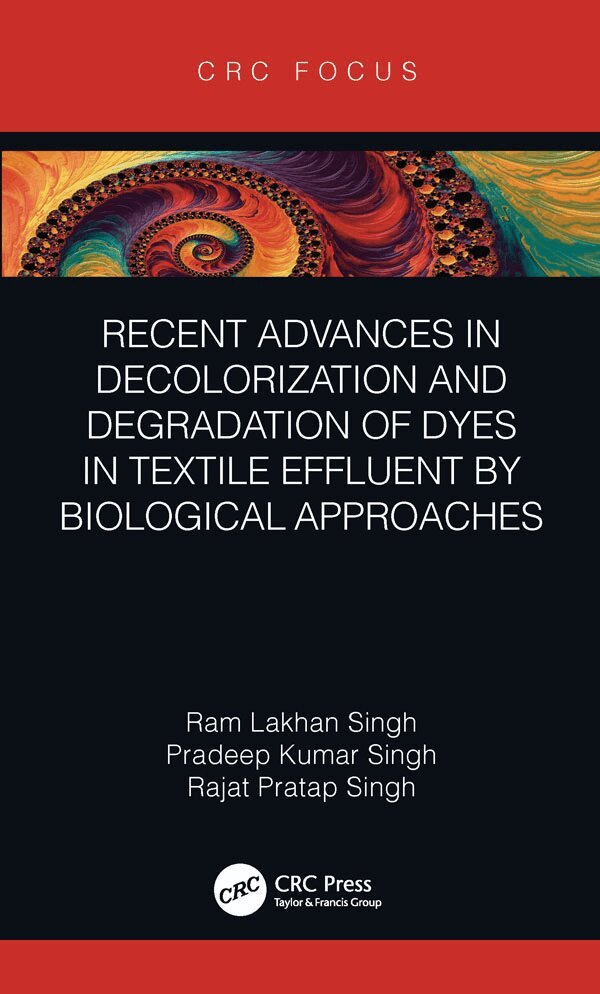
Recent Advances in Decolorization and Degradation of Dyes in Textile Effluent by Biological Approaches
Av Ram Lakhan Singh, Pradeep Kumar Singh m. fl.
Inbunden, 2019
1266 kr
Lägg i varukorg
Recent Advances in Decolorization and Degradation of Dyes in Textile Effluent by Biological Approaches outlines various eco-friendly, cost effective methods for removal of toxic textile dyes. Large amounts of dye are unbound and released into the environment due to inefficient dyeing processes. The …
Recent Advances in Decolorization and Degradation of Dyes in Textile Effluent by Biological Approaches
Av Rajat Pratap Singh, Pradeep Kumar Singh m. fl.
E-bok, 2019
433 kr
Lägg i varukorg
Recent Advances in Decolorization and Degradation of Dyes in Textile Effluent by Biological Approaches outlines various eco-friendly, cost effective methods for removal of toxic textile dyes . L arge amounts of dye are unbound and released into the environment due to inefficient dyeing processes. …
Recent Advances in Decolorization and Degradation of Dyes in Textile Effluent by Biological Approaches
Av Rajat Pratap Singh, Pradeep Kumar Singh m. fl.
E-bok, 2019
446 kr
Lägg i varukorg
Recent Advances in Decolorization and Degradation of Dyes in Textile Effluent by Biological Approaches outlines various eco-friendly, cost effective methods for removal of toxic textile dyes . L arge amounts of dye are unbound and released into the environment due to inefficient dyeing processes. …
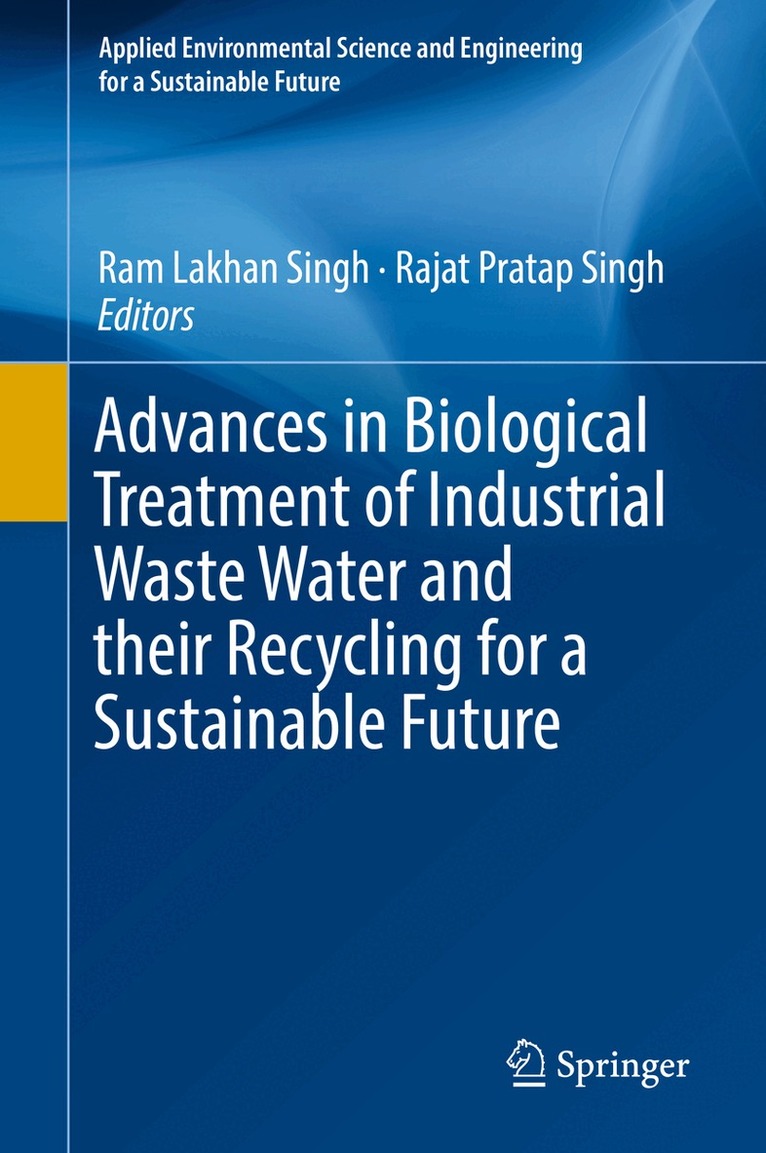
Advances in Biological Treatment of Industrial Waste Water and their Recycling for a Sustainable Future
Av Ram Lakhan Singh, Rajat Pratap Singh
Inbunden, 2018
1096 kr
Lägg i varukorg
With rampant industrialization, the management of waste generated by various industries is becoming a mammoth problem. Wastewater discharges from industrial and commercial sources may contain pollutants at levels that could affect the quality of receiving waters or interfere with potable water …
Advances in Biological Treatment of Industrial Waste Water and their Recycling for a Sustainable Future
Av Rajat Pratap Singh, Ram Lakhan Singh
E-bok, 2018
1459 kr
Lägg i varukorg
With rampant industrialization, the management of waste generated by various industries is becoming a mammoth problem. Wastewater discharges from industrial and commercial sources may contain pollutants at levels that could affect the quality of receiving waters or interfere with potable water …
Advances in Biological Treatment of Industrial Waste Water and their Recycling for a Sustainable Future
Av Ram Lakhan Singh, Rajat Pratap Singh
Häftad, 2019
1096 kr
Lägg i varukorg
With rampant industrialization, the management of waste generated by various industries is becoming a mammoth problem. Wastewater discharges from industrial and commercial sources may contain pollutants at levels that could affect the quality of receiving waters or interfere with potable water …