Raksha Anand – författare
Visar alla böcker från författaren Raksha Anand. Handla med fri frakt och snabb leverans.
15 produkter
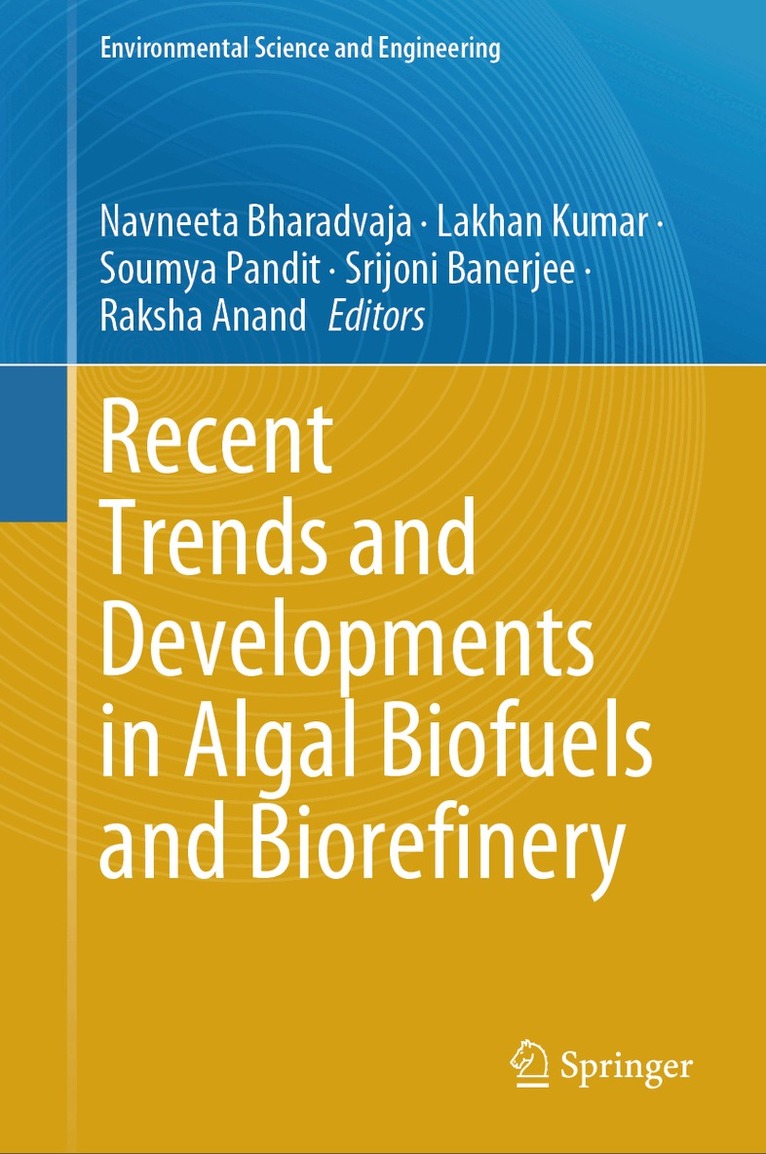
Recent Trends and Developments in Algal Biofuels and Biorefinery
Av Navneeta Bharadvaja, Lakhan Kumar m. fl.
Inbunden, 2024
2182 kr
Lägg i varukorg
This book presents technoeconomic challenges, recent trends, and developments toward sustainable algal biofuels and biorefinery. The exponential increase in population and thus the demand for energy, the ever-rising threats to climate change with conventional fossil fuels consumption, fluctuations …
Recent Trends and Developments in Algal Biofuels and Biorefinery
Av Raksha Anand, Srijoni Banerjee m. fl.
E-bok, 2024
2925 kr
Lägg i varukorg
This book presents technoeconomic challenges, recent trends, and developments toward sustainable algal biofuels and biorefinery. The exponential increase in population and thus the demand for energy, the ever-rising threats to climate change with conventional fossil fuels consumption, fluctuations …
Recent Trends and Developments in Algal Biofuels and Biorefinery
Av Navneeta Bharadvaja, Lakhan Kumar m. fl.
Häftad, 2025
2182 kr
Lägg i varukorg
This book presents technoeconomic challenges, recent trends, and developments toward sustainable algal biofuels and biorefinery. The exponential increase in population and thus the demand for energy, the ever-rising threats to climate change with conventional fossil fuels consumption, fluctuations …
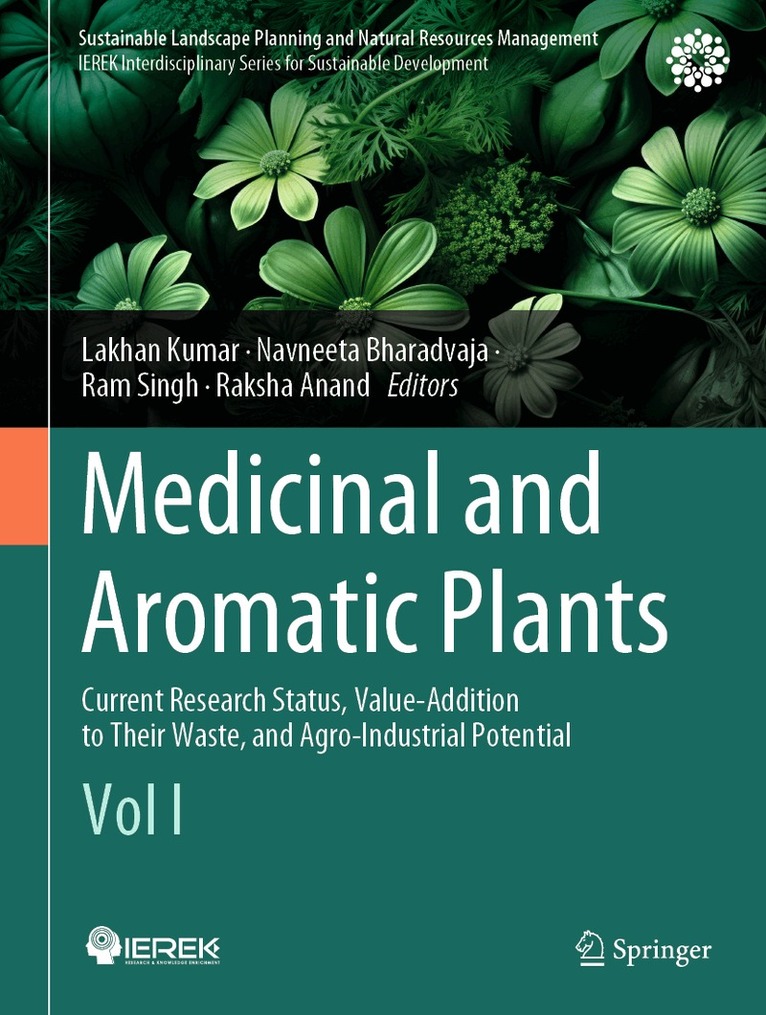
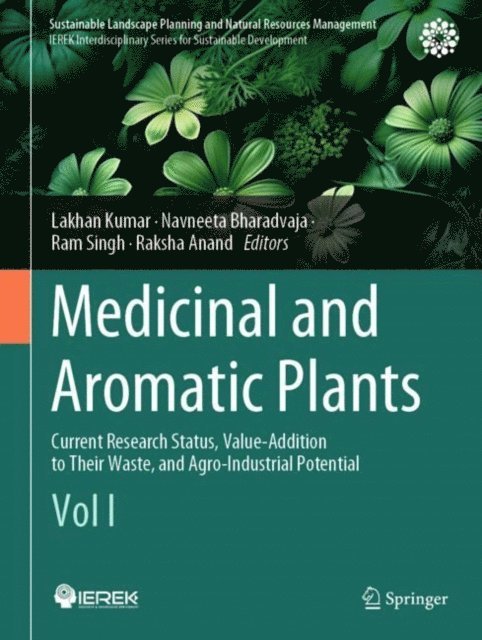
Medicinal and Aromatic Plants
Current Research Status, Value-Addition to Their Waste, and Agro-Industrial Potential (Vol I)
Av Lakhan Kumar, Navneeta Bharadvaja m. fl.
Inbunden, 2024
2182 kr
Lägg i varukorg
Due to complex phytochemical components and associated beneficial properties, numerous medicinal and aromatic plants, in whole or parts, have been used for nutritional purposes or the treatment of various diseases and disorders in humans and animals. Essential oils from medicinal and aromatic …
Medicinal and Aromatic Plants
Current Research Status, Value-Addition to Their Waste, and Agro-Industrial Potential (Vol I)
Av Raksha Anand, Ram Singh m. fl.
E-bok, 2024
2933 kr
Lägg i varukorg
Due to complex phytochemical components and associated beneficial properties, numerous medicinal and aromatic plants, in whole or parts, have been used for nutritional purposes or the treatment of various diseases and disorders in humans and animals. Essential oils from medicinal and aromatic …
Medicinal and Aromatic Plants
Current Research Status, Value-Addition to Their Waste, and Agro-Industrial Potential (Vol I)
Av Lakhan Kumar, Navneeta Bharadvaja m. fl.
Häftad, 2025
2182 kr
Lägg i varukorg
Due to complex phytochemical components and associated beneficial properties, numerous medicinal and aromatic plants, in whole or parts, have been used for nutritional purposes or the treatment of various diseases and disorders in humans and animals. Essential oils from medicinal and aromatic …
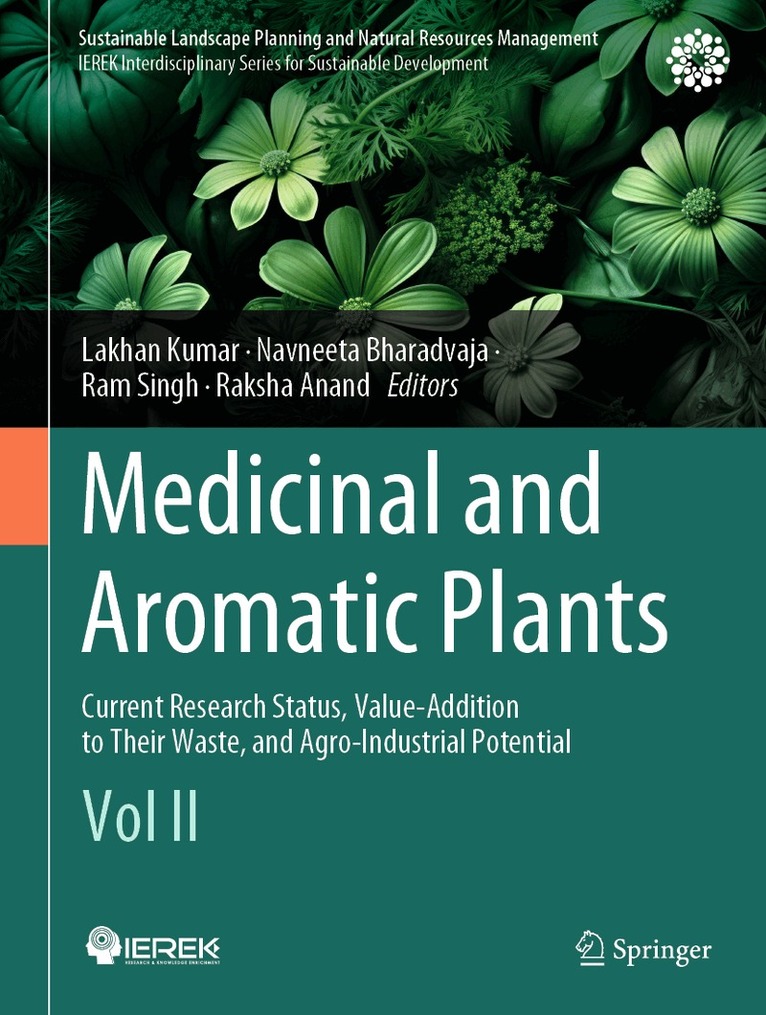
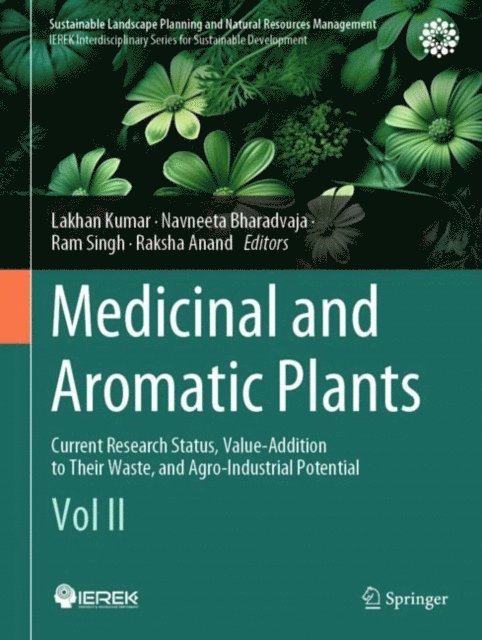
Medicinal and Aromatic Plants
Current Research Status, Value-Addition to Their Waste, and Agro-Industrial Potential (Vol II)
Av Lakhan Kumar, Navneeta Bharadvaja m. fl.
Inbunden, 2024
2182 kr
Lägg i varukorg
Due to complex phytochemical components and associated beneficial properties, numerous medicinal and aromatic plants, in whole or parts, have been used for nutritional purposes or the treatment of various diseases and disorders in humans and animals. Essential oils from medicinal and aromatic …
Medicinal and Aromatic Plants
Current Research Status, Value-Addition to Their Waste, and Agro-Industrial Potential (Vol II)
Av Raksha Anand, Ram Singh m. fl.
E-bok, 2024
2925 kr
Lägg i varukorg
Due to complex phytochemical components and associated beneficial properties, numerous medicinal and aromatic plants, in whole or parts, have been used for nutritional purposes or the treatment of various diseases and disorders in humans and animals. Essential oils from medicinal and aromatic …
Medicinal and Aromatic Plants
Current Research Status, Value-Addition to Their Waste, and Agro-Industrial Potential (Vol II)
Av Lakhan Kumar, Navneeta Bharadvaja m. fl.
Häftad, 2025
2182 kr
Lägg i varukorg
Due to complex phytochemical components and associated beneficial properties, numerous medicinal and aromatic plants, in whole or parts, have been used for nutritional purposes or the treatment of various diseases and disorders in humans and animals. Essential oils from medicinal and aromatic …
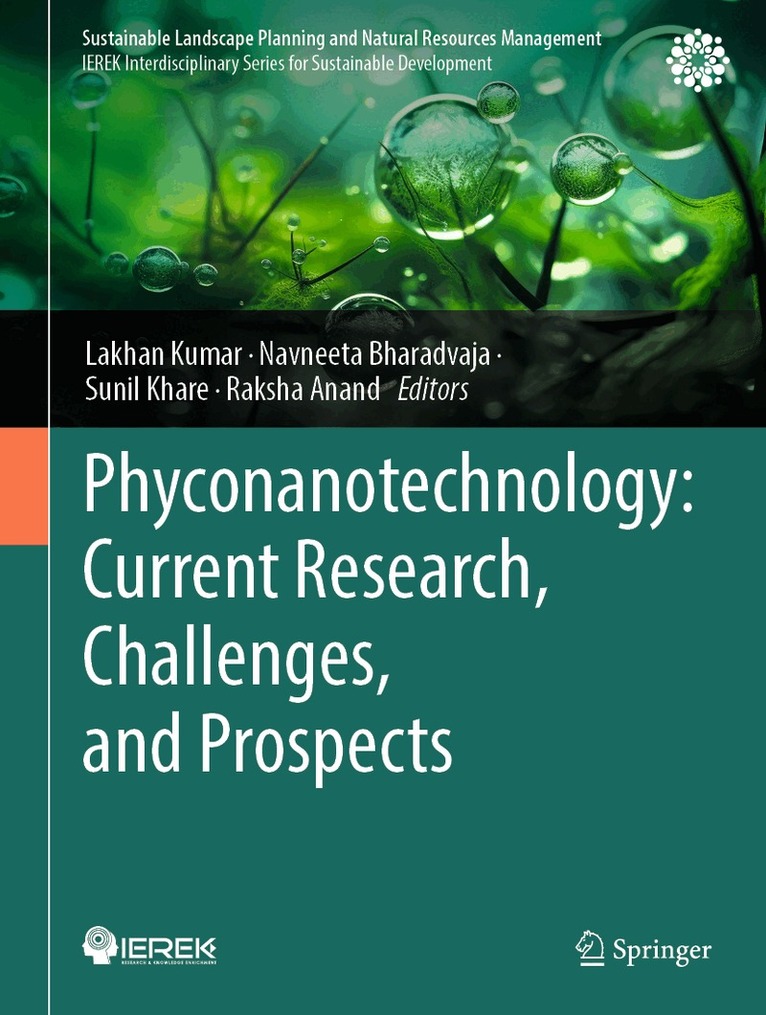
Phyconanotechnology: Current Research, Challenges, and Prospects
Av Lakhan Kumar, Navneeta Bharadvaja m. fl.
Inbunden, 2025
2399 kr
Lägg i varukorg
This book explores the scientific development in the field of algal-based nanomaterials synthesis, production methods, and commercial and utilization aspects of phyconanomaterials to address a range of problems of humanity. Nanomaterials have been recently explored for and employed in environmental …
Phyconanotechnology: Current Research, Challenges, and Prospects
Av Raksha Anand, Sunil Khare m. fl.
E-bok, 2025
3148 kr
Lägg i varukorg
This book explores the scientific development in the field of algal-based nanomaterials synthesis, production methods, and commercial and utilization aspects of phyconanomaterials to address a range of problems of humanity. Nanomaterials have been recently explored for and employed in environmental …
Phyconanotechnology: Current Research, Challenges, and Prospects
Av Lakhan Kumar, Navneeta Bharadvaja m. fl.
Häftad, 2026
2399 kr
Lägg i varukorg
This book explores the scientific development in the field of algal-based nanomaterials synthesis, production methods, and commercial and utilization aspects of phyconanomaterials to address a range of problems of humanity. Nanomaterials have been recently explored for and employed in environmental …
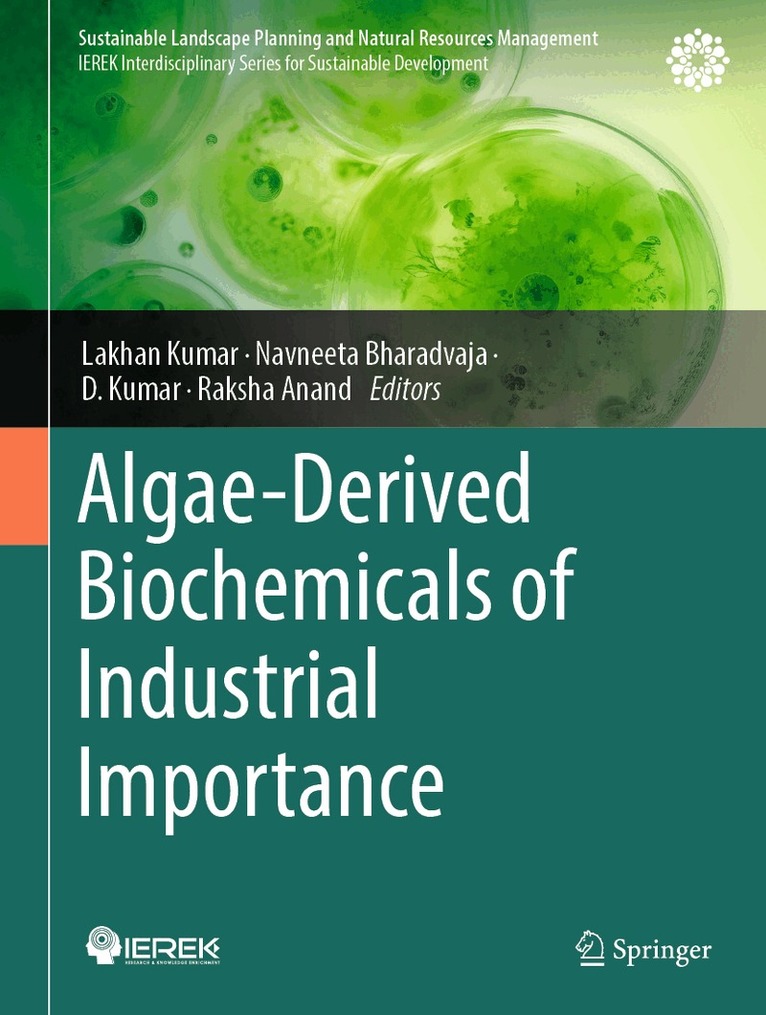
Algae-Derived Biochemicals of Industrial Importance
Av Lakhan Kumar, Navneeta Bharadvaja m. fl.
Inbunden, 2025
1964 kr
Kommande
This book explores the applications of algal-derived biochemicals, which are now gaining attention for nutraceuticals, pharmaceuticals, cosmetics, bioplastics, biopolymers, bioglass, biofuels, and several other commercially valued compounds. This book will address the production of algal-based …
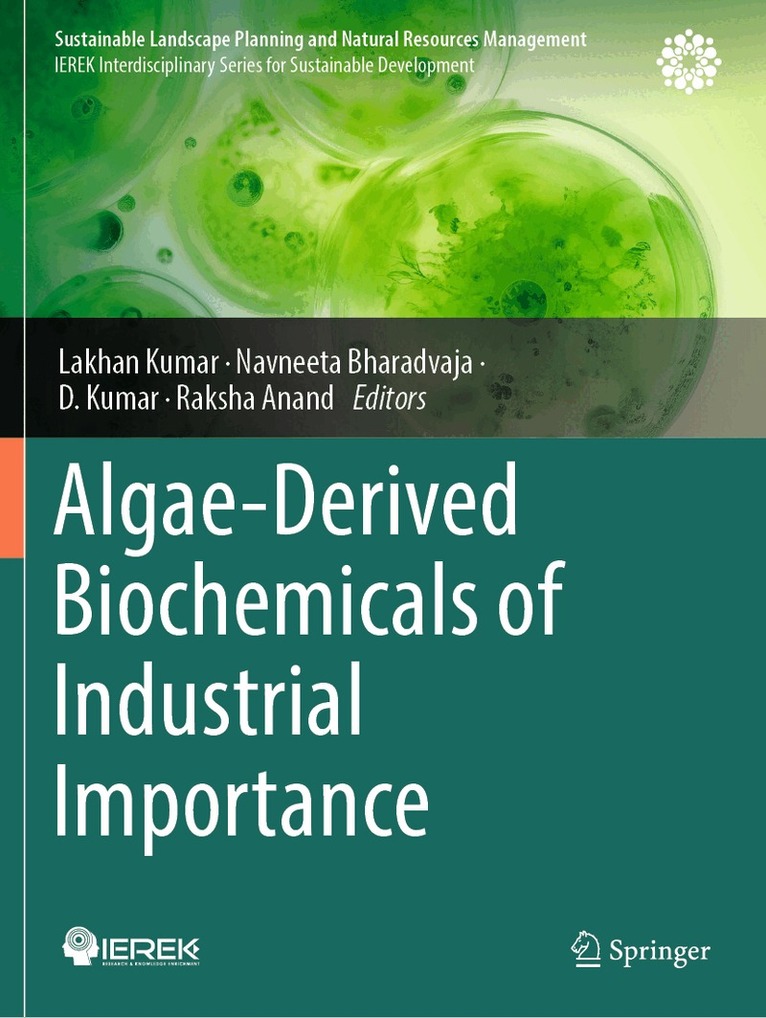
Algae-Derived Biochemicals of Industrial Importance
Av Raksha Anand, D. Kumar m. fl.
E-bok, 2025
2599 kr
Lägg i varukorg
This book explores the applications of algal-derived biochemicals, which are now gaining attention for nutraceuticals, pharmaceuticals, cosmetics, bioplastics, biopolymers, bioglass, biofuels, and several other commercially valued compounds. This book will address the production of algal-based …
Algae-Derived Biochemicals of Industrial Importance
Av Lakhan Kumar, Navneeta Bharadvaja m. fl.
Häftad, 2026
1964 kr
Lägg i varukorg
This book explores the applications of algal-derived biochemicals, which are now gaining attention for nutraceuticals, pharmaceuticals, cosmetics, bioplastics, biopolymers, bioglass, biofuels, and several other commercially valued compounds. This book will address the production of algal-based …