Ram Singh – författare
Visar alla böcker från författaren Ram Singh. Handla med fri frakt och snabb leverans.
22 produkter
Redefining Virtual Teaching Learning Pedagogy
Av Rohit Bansal, Ram Singh m. fl.
Inbunden, 2023
2163 kr
Lägg i varukorg
Redefining Virtual Teaching Learning Pedagogy Online education is now a growing and critical piece of modern-day infrastructure and this book details how virtual teaching and learning can continue to be transformed through leveraging digital platforms. In the current technology-driven era, …
Redefining Virtual Teaching Learning Pedagogy
Av Tareq Rasul, Kuldeep Chaudhary m. fl.
E-bok, 2023
2454 kr
Lägg i varukorg
Redefining Virtual Teaching Learning Pedagogy Online education is now a growing and critical piece of modern-day infrastructure and this book details how virtual teaching and learning can continue to be transformed through leveraging digital platforms. In the current technology-driven era, …
Redefining Virtual Teaching Learning Pedagogy
Av Tareq Rasul, Kuldeep Chaudhary m. fl.
E-bok, 2023
2401 kr
Lägg i varukorg
Redefining Virtual Teaching Learning Pedagogy Online education is now a growing and critical piece of modern-day infrastructure and this book details how virtual teaching and learning can continue to be transformed through leveraging digital platforms. In the current technology-driven era, …
Industry 6.0
The Next Frontier of Intelligent Transformation
Av Rohit Bansal, Fazla Rabby m. fl.
Inbunden, 2028
2351 kr
Kommande
Technology-Driven E-Learning Pedagogy Through Emotional Intelligence
Av Pooja Chaturvedi Sharma, Rohit Bansal m. fl.
Inbunden, 2023
2069 kr
Lägg i varukorg
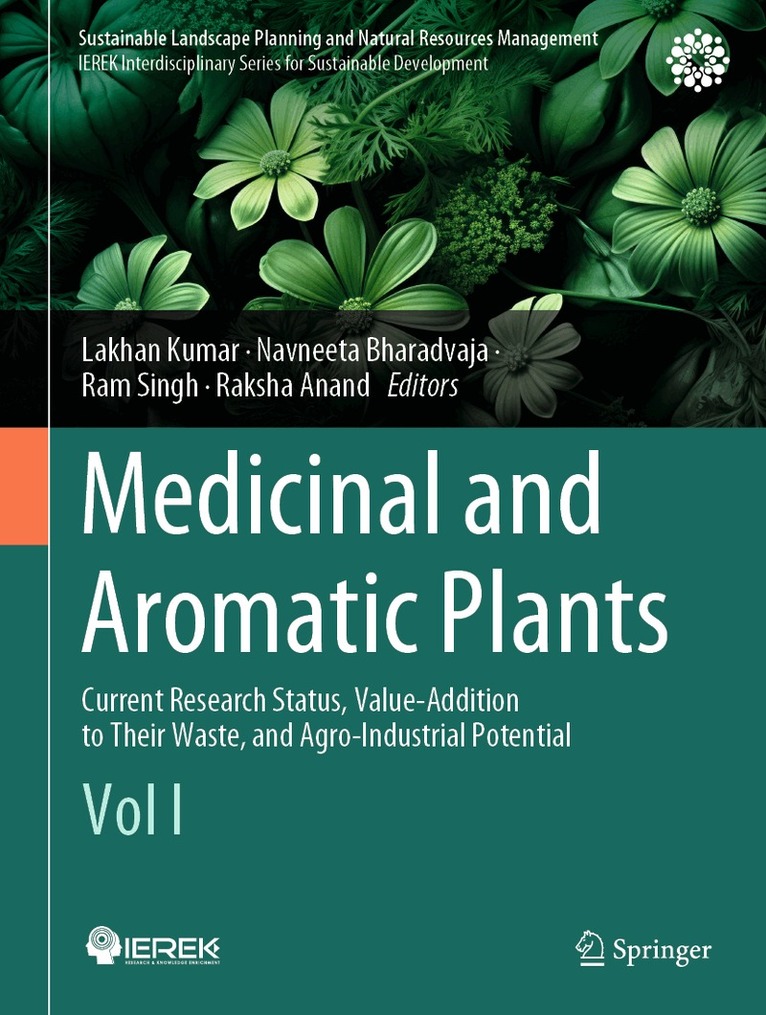
Medicinal and Aromatic Plants
Current Research Status, Value-Addition to Their Waste, and Agro-Industrial Potential (Vol I)
Av Lakhan Kumar, Navneeta Bharadvaja m. fl.
Inbunden, 2024
2179 kr
Lägg i varukorg
Due to complex phytochemical components and associated beneficial properties, numerous medicinal and aromatic plants, in whole or parts, have been used for nutritional purposes or the treatment of various diseases and disorders in humans and animals. Essential oils from medicinal and aromatic …
Medicinal and Aromatic Plants
Current Research Status, Value-Addition to Their Waste, and Agro-Industrial Potential (Vol I)
Av Raksha Anand, Ram Singh m. fl.
E-bok, 2024
2933 kr
Lägg i varukorg
Due to complex phytochemical components and associated beneficial properties, numerous medicinal and aromatic plants, in whole or parts, have been used for nutritional purposes or the treatment of various diseases and disorders in humans and animals. Essential oils from medicinal and aromatic …
Medicinal and Aromatic Plants
Current Research Status, Value-Addition to Their Waste, and Agro-Industrial Potential (Vol I)
Av Lakhan Kumar, Navneeta Bharadvaja m. fl.
Häftad, 2025
2179 kr
Lägg i varukorg
Due to complex phytochemical components and associated beneficial properties, numerous medicinal and aromatic plants, in whole or parts, have been used for nutritional purposes or the treatment of various diseases and disorders in humans and animals. Essential oils from medicinal and aromatic …
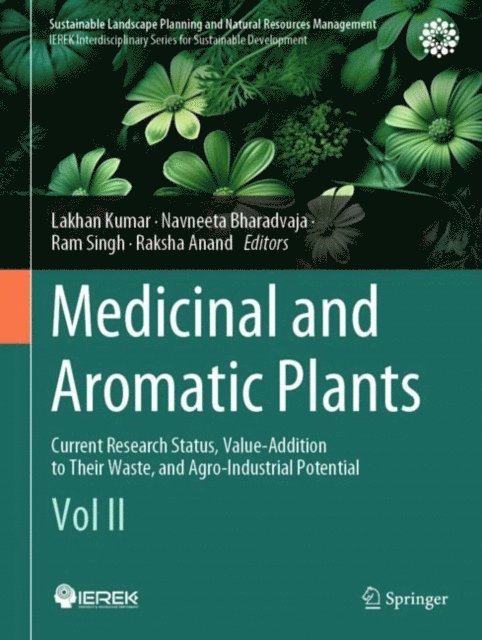
Medicinal and Aromatic Plants
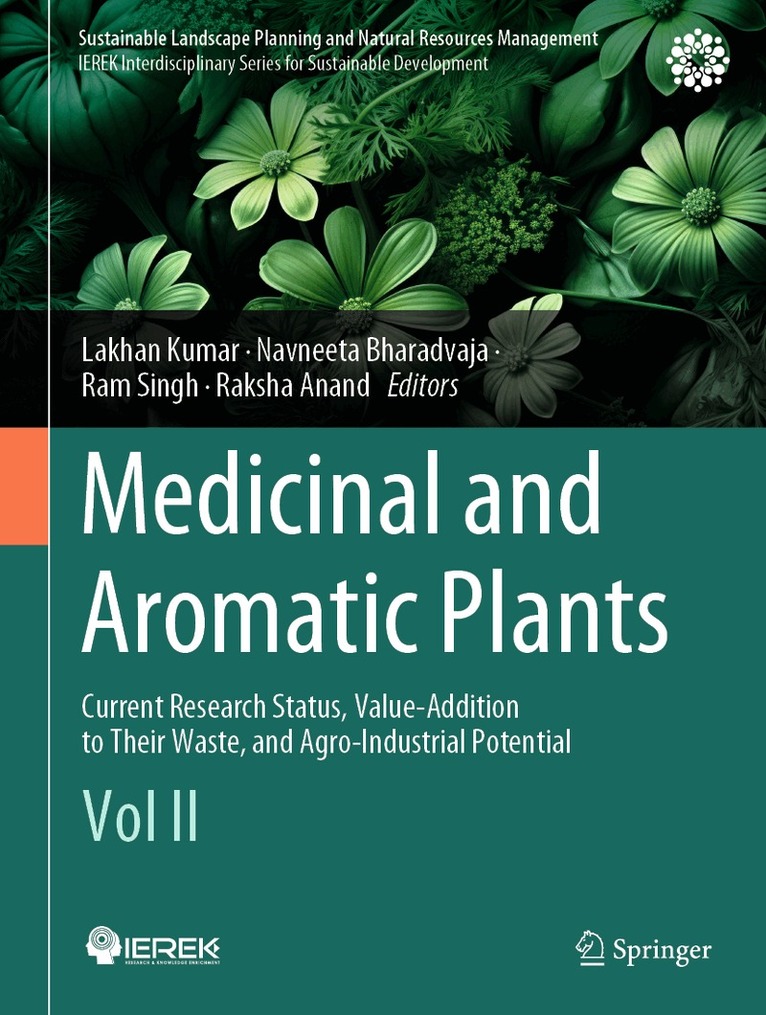
Current Research Status, Value-Addition to Their Waste, and Agro-Industrial Potential (Vol II)
Av Lakhan Kumar, Navneeta Bharadvaja m. fl.
Inbunden, 2024
2179 kr
Lägg i varukorg
Due to complex phytochemical components and associated beneficial properties, numerous medicinal and aromatic plants, in whole or parts, have been used for nutritional purposes or the treatment of various diseases and disorders in humans and animals. Essential oils from medicinal and aromatic …
Medicinal and Aromatic Plants
Current Research Status, Value-Addition to Their Waste, and Agro-Industrial Potential (Vol II)
Av Raksha Anand, Ram Singh m. fl.
E-bok, 2024
2925 kr
Lägg i varukorg
Due to complex phytochemical components and associated beneficial properties, numerous medicinal and aromatic plants, in whole or parts, have been used for nutritional purposes or the treatment of various diseases and disorders in humans and animals. Essential oils from medicinal and aromatic …
Medicinal and Aromatic Plants
Current Research Status, Value-Addition to Their Waste, and Agro-Industrial Potential (Vol II)
Av Lakhan Kumar, Navneeta Bharadvaja m. fl.
Häftad, 2025
2179 kr
Lägg i varukorg
Due to complex phytochemical components and associated beneficial properties, numerous medicinal and aromatic plants, in whole or parts, have been used for nutritional purposes or the treatment of various diseases and disorders in humans and animals. Essential oils from medicinal and aromatic …
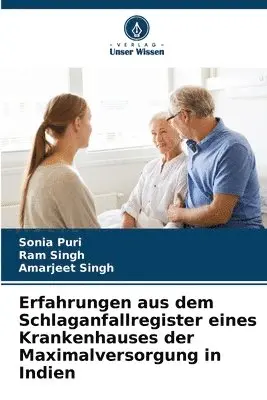
Erfahrungen aus dem Schlaganfallregister eines Krankenhauses der Maximalversorgung in Indien
Av Sonia Puri, Ram Singh m. fl.
Häftad, 2025
474 kr
Lägg i varukorg
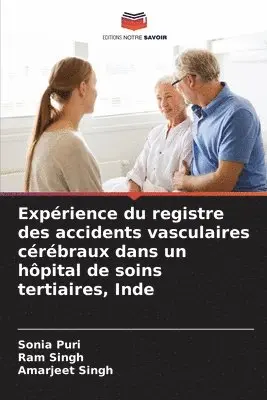
Expérience du registre des accidents vasculaires cérébraux dans un hôpital de soins tertiaires, Inde
Av Sonia Puri, Ram Singh m. fl.
Häftad, 2025
474 kr
Lägg i varukorg
Esperienza dal registro degli ictus in un ospedale terziario, India
Av Sonia Puri, Ram Singh m. fl.
Häftad, 2025
459 kr
Lägg i varukorg
Experiência do registo de AVC num hospital de cuidados terciários, Índia
Av Sonia Puri, Ram Singh m. fl.
Häftad, 2025
474 kr
Lägg i varukorg
Doświadczenia z rejestru udarów mózgu w szpitalu trzeciego stopnia opieki w Indiach
Av Sonia Puri, Ram Singh m. fl.
Häftad, 2025
464 kr
Lägg i varukorg
Metaverse Era: Reinventing Customer Engagement and Digital Marketing
Av Ram Singh
E-bok, 2025
933 kr
Lägg i varukorg
The Metaverse Era: Reinventing Customer Engagement and Digital Marketing gives a timely exploration of the dynamic intersection of immersive technologies and digital marketing strategies in the age of virtual transformation. As businesses adapt to evolving consumer behaviors, this book examines how …
Export and Import Management
Text and Cases
Av Ram Singh
Häftad, 2020
519 kr
Tillfälligt slut
Comprehensively encapsulates the vital elements of Exim functions and helps understand the Exim operations in the current global trading regime. This book provides an insight on how to effectively manage the export–import process, covering important functions of procedural formalities, …