
Ralf Schiebel – författare
Visar alla böcker från författaren Ralf Schiebel. Handla med fri frakt och snabb leverans.
3 produkter
3 produkter
Inbunden, Engelska, 2017
1 299 kr
Skickas inom 10-15 vardagar
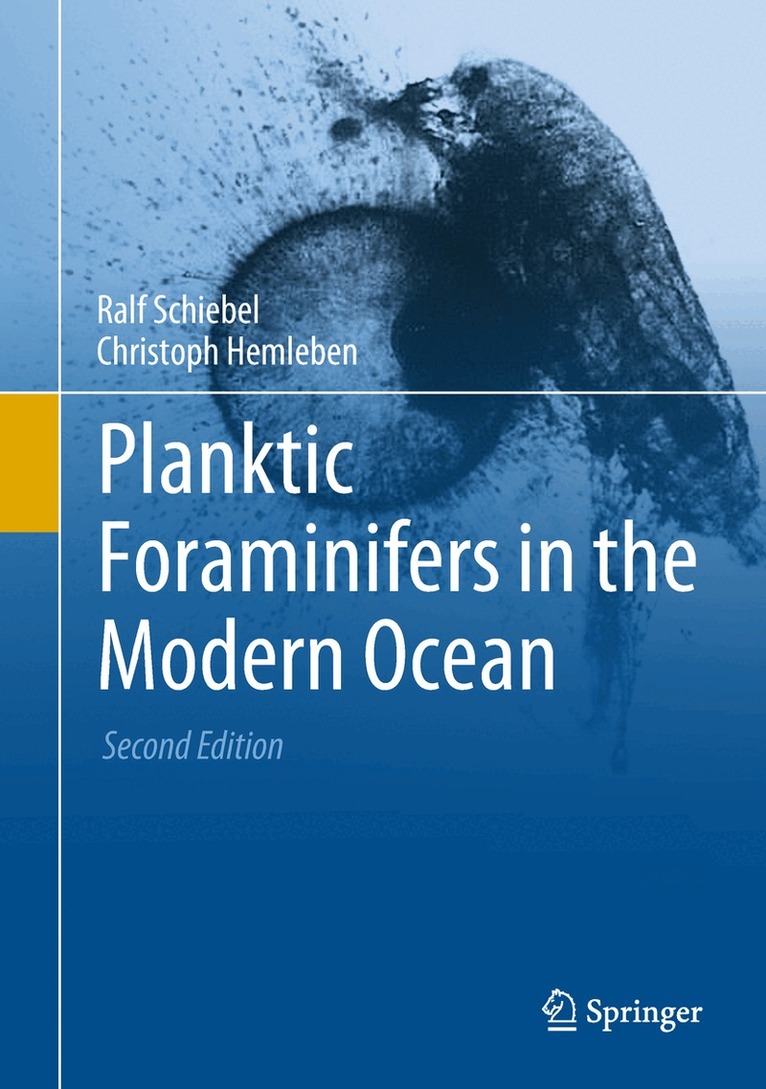
This book provides a comprehensive overview of the taxonomy, biology, sedimentation, and carbonate geochemistry of modern species. Students, early career and advanced scientists alike will profit from a broad synthesis of the current understanding of planktic foraminifers as an ecological indicator, biogeochemical factories, and proxies in paleoceanography. The classification of modern species is amply illustrated with electron and light microscope images of morphotypes, addresses the state-of-the-art of molecular genetics of species, and provides a detailed guide for any laboratory analyses. The biology of planktic foraminifers is extensively discussed in chapters dedicated to the cellular ultrastructure, nutrition, symbionts, reproduction, ontogeny, and test architecture. Building on the biological prerequisites, the distribution of planktic foraminifers is discussed at regional to global scale. The geochemistry and sedimentation of tests are considered in relation to the ecology ofthe living animal. In the final chapter, which examines the most common methods in planktic foraminifer research, hands-on information is provided on sampling, processing and analyzing samples in the laboratory, as well as selected established methods for data interpretation. The various topics discussed in this book are aimed at the application of planktic foraminifers as sensitive indicators of the changing climate and marine environment.
E-bok
Engelska, 20171 179 kr
Läs direkt efter köp
This book provides a comprehensive overview of the taxonomy, biology, sedimentation, and carbonate geochemistry of modern species. Students, early career and advanced scientists alike will profit from a broad synthesis of the current understanding of planktic foraminifers as an ecological indicator, biogeochemical factories, and proxies in paleoceanography. The classification of modern species is amply illustrated with electron and light microscope images of morphotypes, addresses the state-of-the-art of molecular genetics of species, and provides a detailed guide for any laboratory analyses. The biology of planktic foraminifers is extensively discussed in chapters dedicated to the cellular ultrastructure, nutrition, symbionts, reproduction, ontogeny, and test architecture. Building on the biological prerequisites, the distribution of planktic foraminifers is discussed at regional to global scale. The geochemistry and sedimentation of tests are considered in relation to the ecology ofthe living animal. In the final chapter, which examines the most common methods in planktic foraminifer research, hands-on information is provided on sampling, processing and analyzing samples in the laboratory, as well as selected established methods for data interpretation. The various topics discussed in this book are aimed at the application of planktic foraminifers as sensitive indicators of the changing climate and marine environment.
Häftad, Engelska, 2018
922 kr
Skickas inom 10-15 vardagar
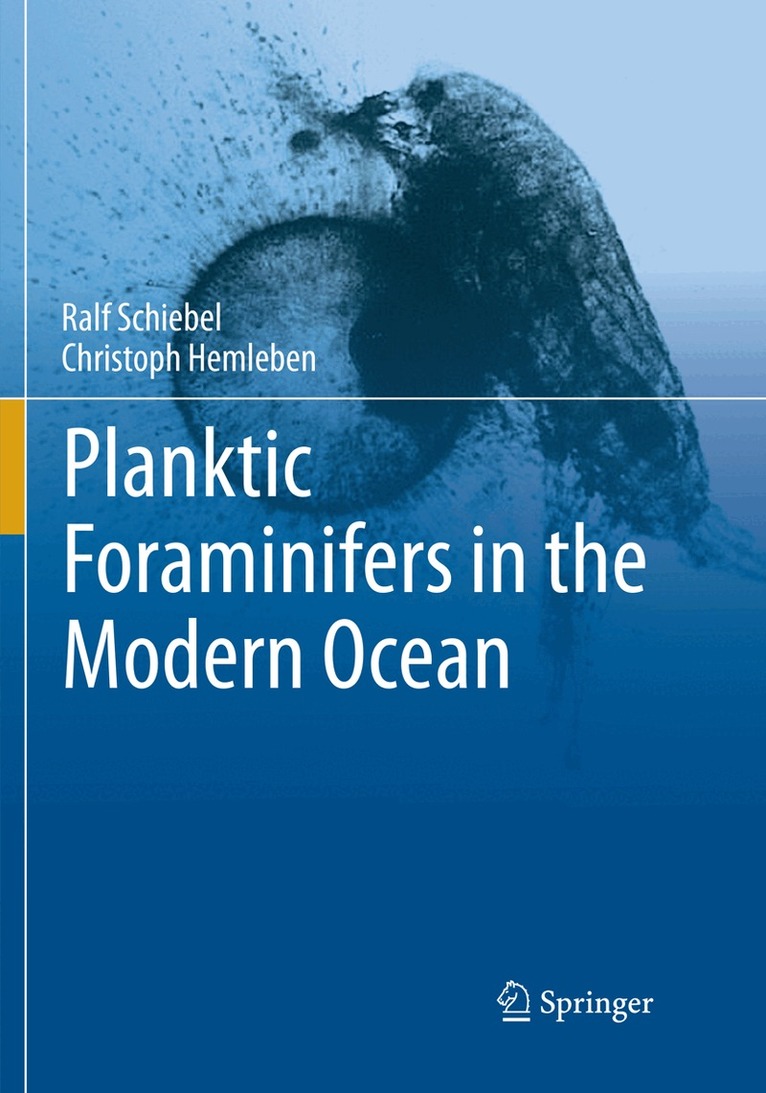
This book provides a comprehensive overview of the taxonomy, biology, sedimentation, and carbonate geochemistry of modern species. Students, early career and advanced scientists alike will profit from a broad synthesis of the current understanding of planktic foraminifers as an ecological indicator, biogeochemical factories, and proxies in paleoceanography. The classification of modern species is amply illustrated with electron and light microscope images of morphotypes, addresses the state-of-the-art of molecular genetics of species, and provides a detailed guide for any laboratory analyses. The biology of planktic foraminifers is extensively discussed in chapters dedicated to the cellular ultrastructure, nutrition, symbionts, reproduction, ontogeny, and test architecture. Building on the biological prerequisites, the distribution of planktic foraminifers is discussed at regional to global scale. The geochemistry and sedimentation of tests are considered in relation to the ecology ofthe living animal. In the final chapter, which examines the most common methods in planktic foraminifer research, hands-on information is provided on sampling, processing and analyzing samples in the laboratory, as well as selected established methods for data interpretation. The various topics discussed in this book are aimed at the application of planktic foraminifers as sensitive indicators of the changing climate and marine environment.