Ralph Dekoninck – författare
Visar alla böcker från författaren Ralph Dekoninck. Handla med fri frakt och snabb leverans.
3 produkter
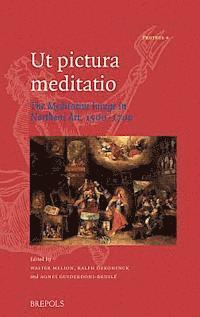
Ut Pictura Meditatio
The Meditative Image in Northern Art, 1500-1700
Av Walter S Melion, Ralph Dekoninck m. fl.
Inbunden, 2012
2474 kr
Lägg i varukorg
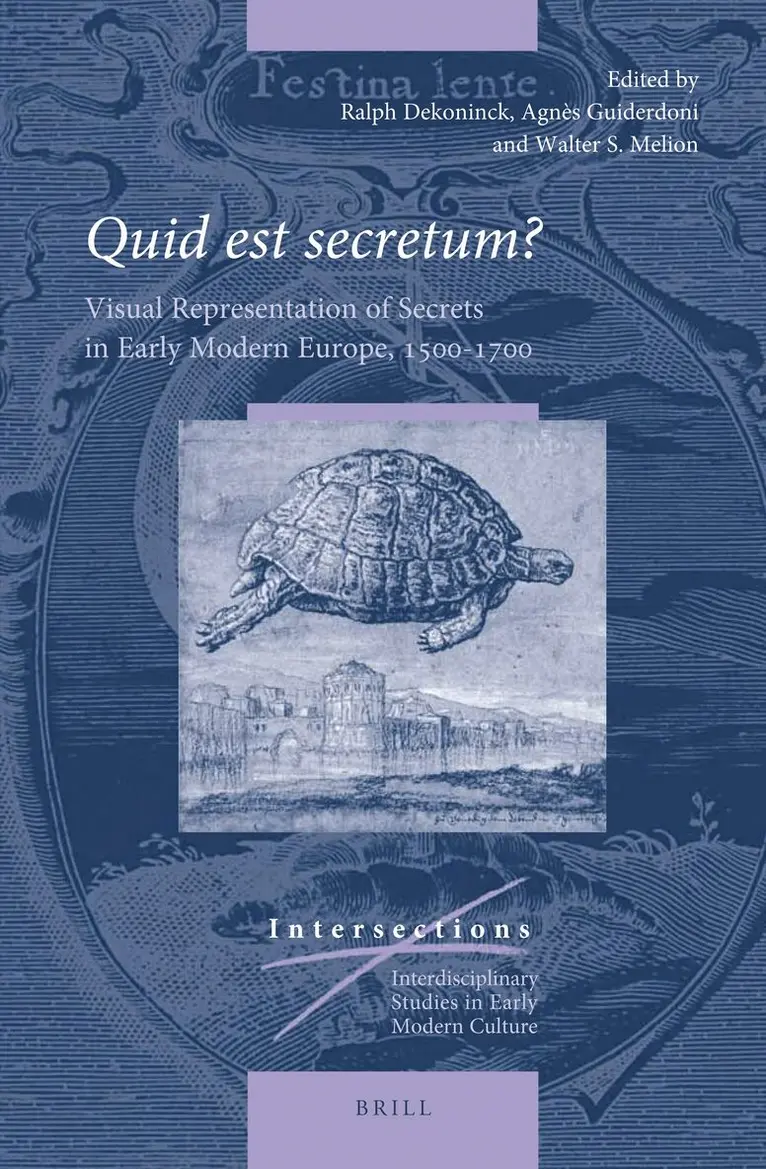
Quid est secretum?
Visual Representation of Secrets in Early Modern Europe, 1500–1700
Av Ralph Dekoninck, Agnès Guiderdoni m. fl.
Inbunden, 2020
4330 kr
Lägg i varukorg
Quid est secretum? Visual Representation of Secrets in Early Modern Europe, 1500–1700 is the companion volume to Intersections 65.1, Quid est sacramentum? Visual Representation of Sacred Mysteries in Early Modern Europe, 1400–1700. Whereas the latter volume focused on sacramental mysteries, the …
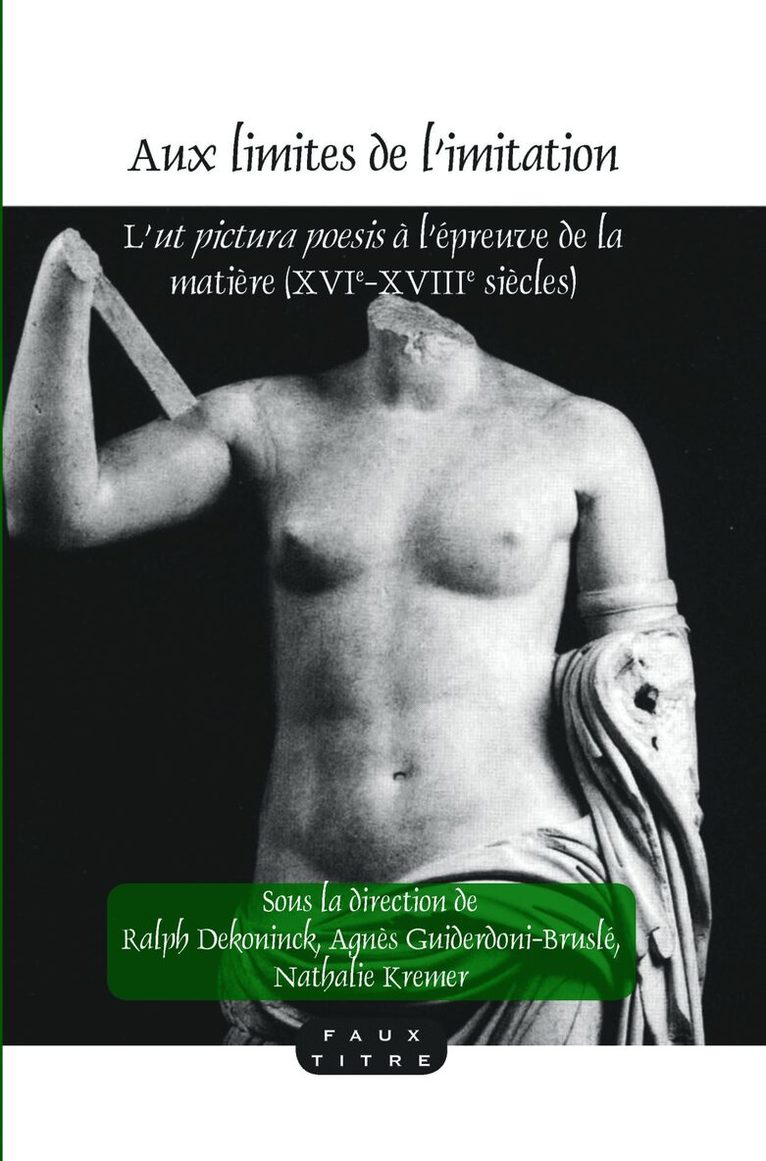
Aux limites de l’imitation
L’ut pictura poesis à l’épreuve de la matière (XVIe-XVIIIe siècles)
Häftad, 2009
1758 kr
Lägg i varukorg
Aux limites de l’imitation pose une question audacieuse que les innombrables études existantes sur l’ut pictura poesis à l’âge classique ont eu tendance à laisser dans l’ombre : celle de la matière comme limite de l’imitation, suivant l’hypothèse selon laquelle le surgissement du matériel est à …