Randall G. Shelden – författare
Visar alla böcker från författaren Randall G. Shelden. Handla med fri frakt och snabb leverans.
5 produkter
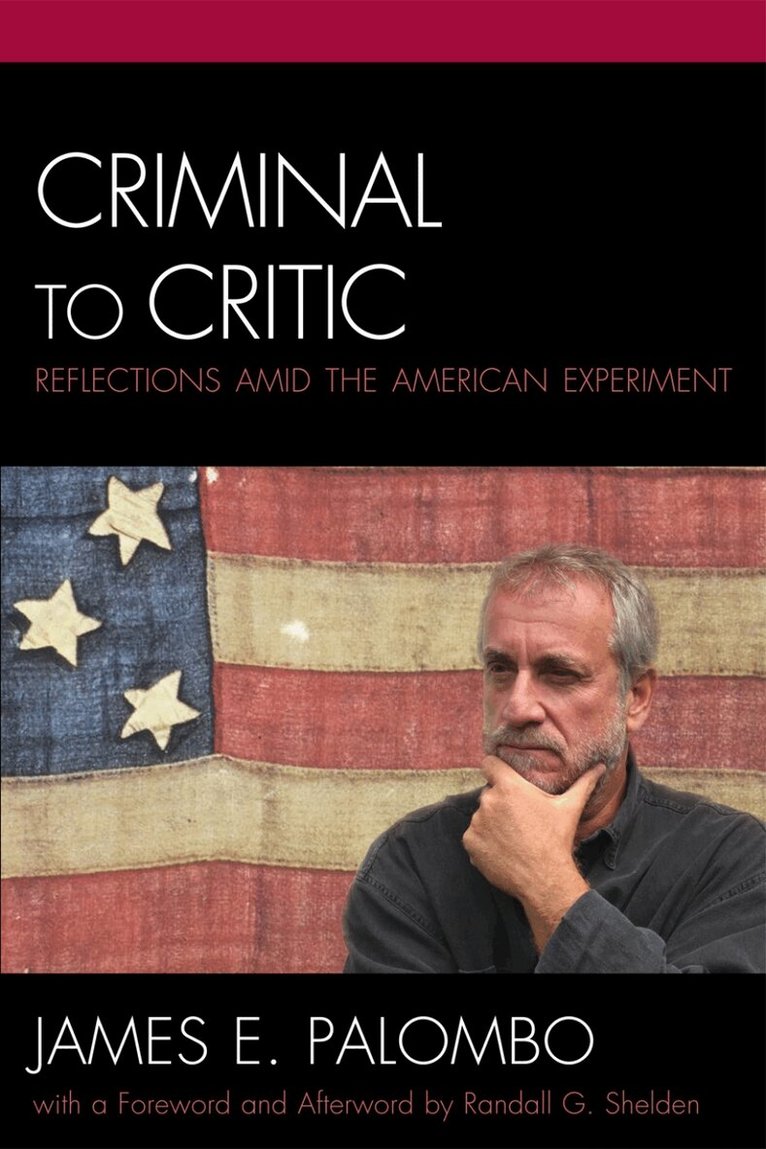
Criminal to Critic
Reflections amid the American Experiment
Av James E. Palombo, Randall G. Shelden
Häftad, 2008
680 kr
Lägg i varukorg
This autobiographical discourse traces the experiences of James Palombo from drug-dealing wise-guy and convict to social worker, professor, and world traveler. Along the way, and through his struggles, Palombo speaks to a variety of important issues relative to America—a country he sees as often at …
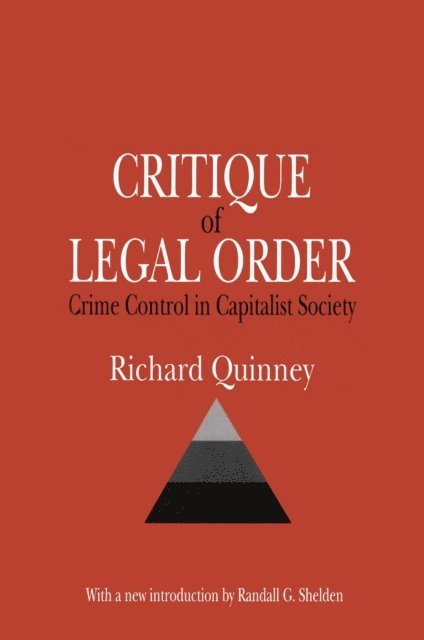
Critique of the Legal Order
Crime Control in Capitalist Society
Av Richard Quinney, Randall G. Shelden
Häftad, 2001
688 kr
Lägg i varukorg
Originally published thirty years ago, Critique of the Legal Order remains highly relevant for the twenty-first century. Here Richard Quinney provides a critical look at the legal order in capitalist society. Using a traditional Marxist perspective, he argues that the legal order is not intended to …
Critique of the Legal Order
Crime Control in Capitalist Society
Av Richard Quinney, Randall G. Shelden
Inbunden, 2018
2303 kr
Lägg i varukorg
Originally published thirty years ago, Critique of the Legal Order remains highly relevant for the twenty-first century. Here Richard Quinney provides a critical look at the legal order in capitalist society. Using a traditional Marxist perspective, he argues that the legal order is not intended to …
Critique of the Legal Order
Crime Control in Capitalist Society
Av Randall G. Shelden, Richard Quinney
E-bok, 2018
813 kr
Lägg i varukorg
Originally published thirty years ago, Critique of the Legal Order remains highly relevant for the twenty-first century. Here Richard Quinney provides a critical look at the legal order in capitalist society. Using a traditional Marxist perspective, he argues that the legal order is not intended to …
Critique of the Legal Order
Crime Control in Capitalist Society
Av Randall G. Shelden, Richard Quinney
E-bok, 2018
795 kr
Lägg i varukorg
Originally published thirty years ago, Critique of the Legal Order remains highly relevant for the twenty-first century. Here Richard Quinney provides a critical look at the legal order in capitalist society. Using a traditional Marxist perspective, he argues that the legal order is not intended to …