Ratna Sudarshan - Böcker
Visar alla böcker från författaren Ratna Sudarshan. Handla med fri frakt och snabb leverans.
3 produkter
3 produkter
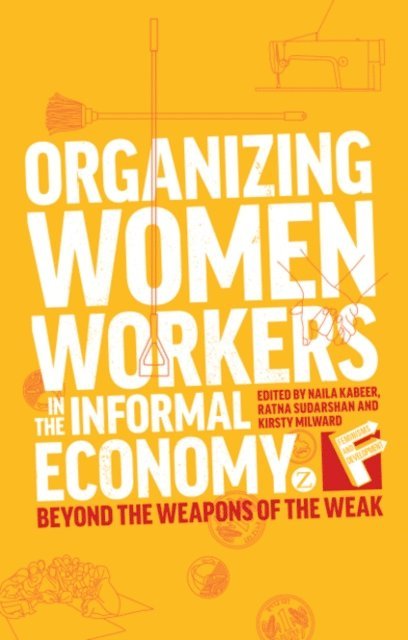
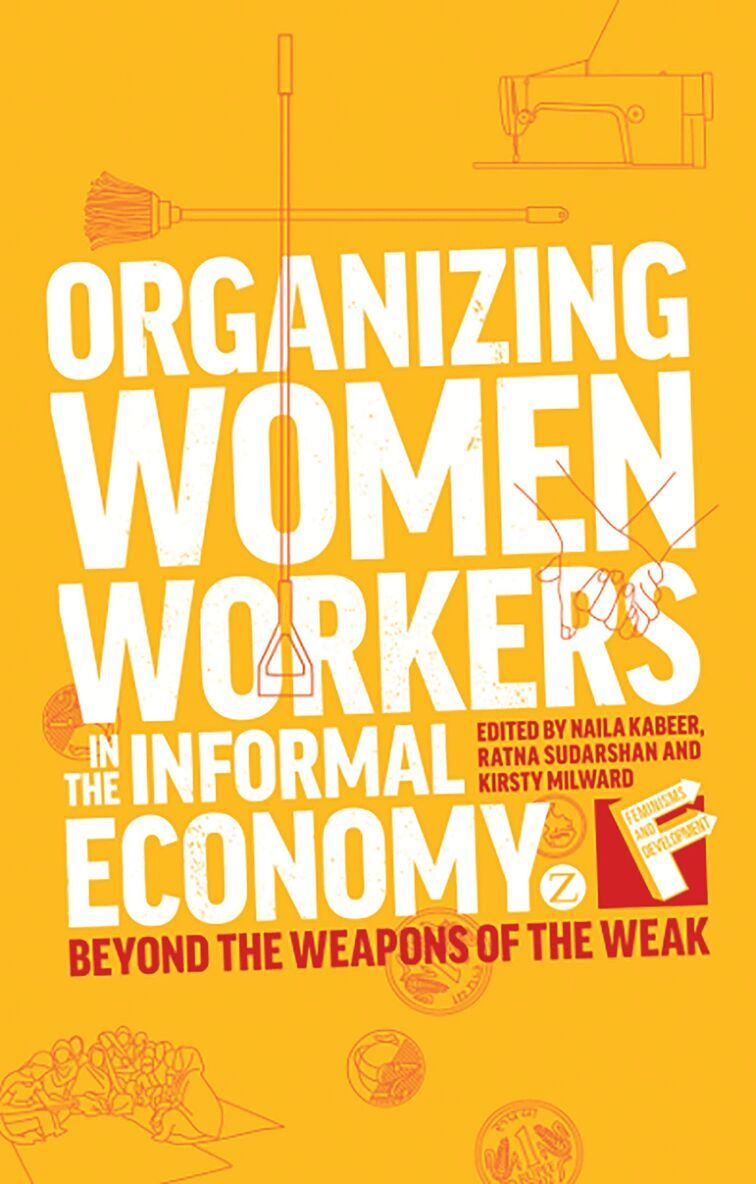
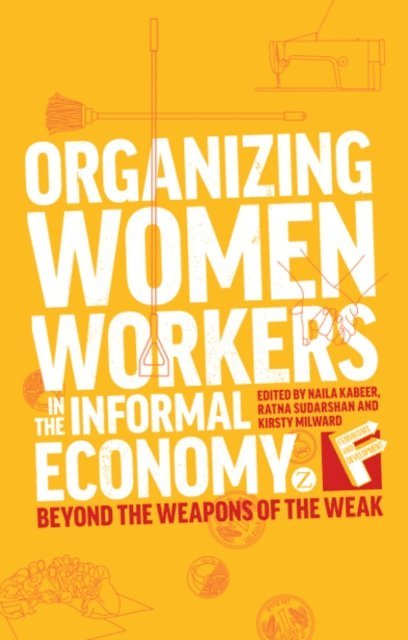
Organizing Women Workers in the Informal Economy
Beyond the Weapons of the Weak
Häftad, Engelska, 2013
381 kr
Skickas inom 10-15 vardagar
Women as a group have often been divided by a number of intersecting inequalities: class, race, ethnicity, caste. As individuals - often isolated in reproductive or other home-based work - their weapons of resistance have tended to be restricted to the traditional weapons of the weak: hidden subversions and individualised struggles.Organizing Women Workers in the Informal Economy explores the emergence of an alternative repertoire among women working in the growing informal sectors of the global South: the weapons of organization and mobilization. This crucial book offers vibrant accounts of how women working as farm workers, sex workers, domestic workers, waste pickers, fisheries workers and migrant factory workers have organized for collective action. What gives these precarious workers the impetus and courage to take up these steps? What resources do they draw on in order to transcend their structurally disadvantaged position within the economy? And what continues to hamper their efforts to gain social recognition for themselves as women, as workers and as citizens?With first-hand accounts from authors closely involved in emerging organizations, this collection documents how women workers have come together to carve out new identities for themselves, define what matters to them, and develop collective strategies of resistance and struggle.
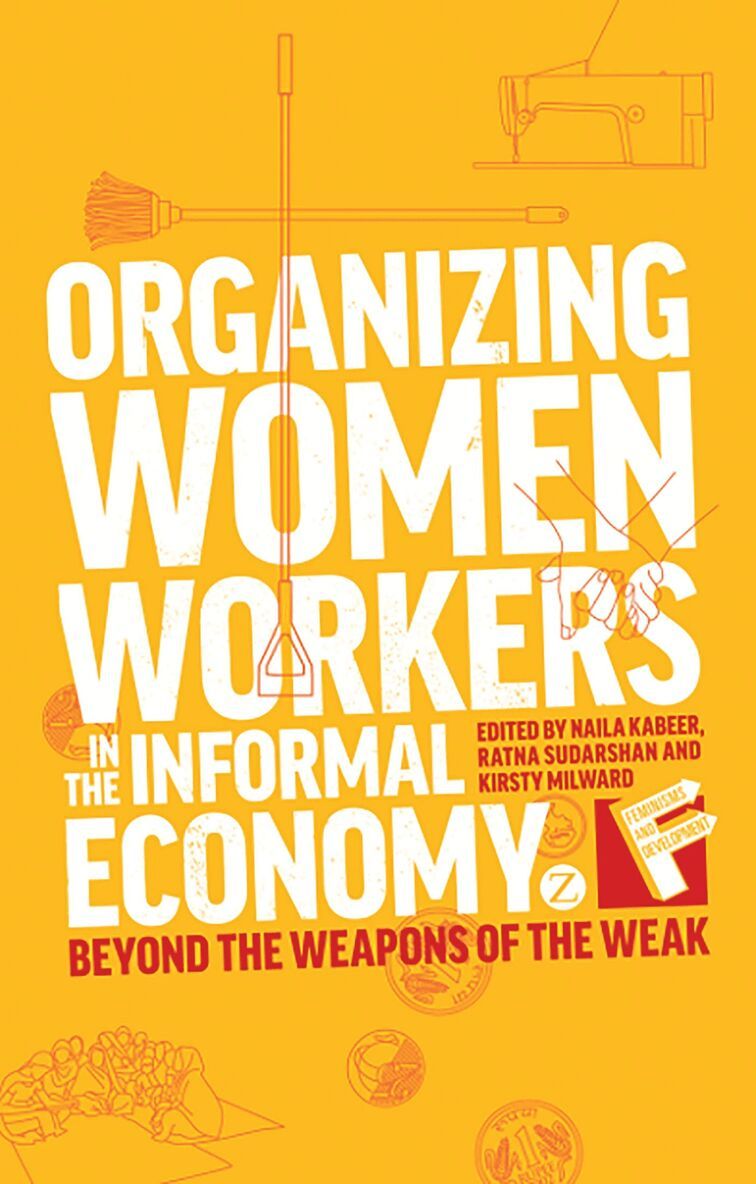
Organizing Women Workers in the Informal Economy
Beyond the Weapons of the Weak
Inbunden, Engelska, 2013
1 209 kr
Skickas inom 10-15 vardagar
Women as a group have often been divided by a number of intersecting inequalities: class, race, ethnicity, caste. As individuals - often isolated in reproductive or other home-based work - their weapons of resistance have tended to be restricted to the traditional weapons of the weak: hidden subversions and individualised struggles.Organizing Women Workers in the Informal Economy explores the emergence of an alternative repertoire among women working in the growing informal sectors of the global South: the weapons of organization and mobilization. This crucial book offers vibrant accounts of how women working as farm workers, sex workers, domestic workers, waste pickers, fisheries workers and migrant factory workers have organized for collective action. What gives these precarious workers the impetus and courage to take up these steps? What resources do they draw on in order to transcend their structurally disadvantaged position within the economy? And what continues to hamper their efforts to gain social recognition for themselves as women, as workers and as citizens?With first-hand accounts from authors closely involved in emerging organizations, this collection documents how women workers have come together to carve out new identities for themselves, define what matters to them, and develop collective strategies of resistance and struggle.
209 kr
Skickas inom 7-10 vardagar
Over the last several years, regular evaluation of development programs has become essential in measuring and understanding their true impact. Feminist and gender-sensitive evaluations have gradually emerged, drawing attention to existing inequities—gender, caste, class, location, and more—and the cumulative effect of these biases on daily life. Such evaluations are also deeply political; they explicitly acknowledge that gender-based inequalities exist, show how they remain embedded in society, and articulate ways to address them. Based on four years of research, Voices and Values offers critical insight into how gender, class, and nationality inflect and affect sociological research. It examines how feminist evaluations could make an effective contribution to new policy formulations oriented to gender and social equity. The essays here focus centrally on the structural roots of inequity: giving weight to all perspectives; adding value to marginalized groups and people under evaluation; and taking forward the findings of evaluation into advocacy for change. In doing so, each essay advances the understanding of feminist evaluation both conceptually and as practice.