Raymond A. Zilinskas - Böcker
Visar alla böcker från författaren Raymond A. Zilinskas. Handla med fri frakt och snabb leverans.
8 produkter
8 produkter
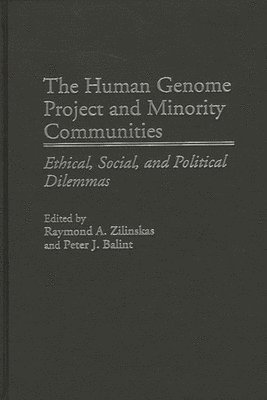
Human Genome Project and Minority Communities
Ethical, Social, and Political Dilemmas
Inbunden, Engelska, 2000
809 kr
Skickas inom 10-15 vardagar
Zilinskas and Balint and their contributors examine the divisions between minority groups and the scientific community, particularly in the area of medical and genetic research. Minorities have reasons to be skeptical of medical research in general and genetics research in particular. The sad history of the Tuskegee experiment, in which black men with syphilis were left untreated so that the course of the disease could be studied, undermined confidence in the ethics of medical researchers. More recently, publication of The Bell Curve reanimated controversy over purported genetic distinctions among the races that could have powerfully negative social implications.In contrast, as the essays make clear, the Human Genome Project, conducted in accordance with the highest ethical standards, has the potential to make dramatic positive contributions to the health of all human beings. Members of minority communities in particular—who statistically are at high risk of adverse health outcomes in the United States—have much to gain from innovative medical diagnostics and therapies that will result from the study of human genetics. Therefore, if we are to benefit fully from this new knowledge, it is vital that the distrust, skepticism, and misconceptions relating to genetics research be overcome. This is a provocative collection for scholars, students, researchers, and community leaders involved with minority and public health issues.
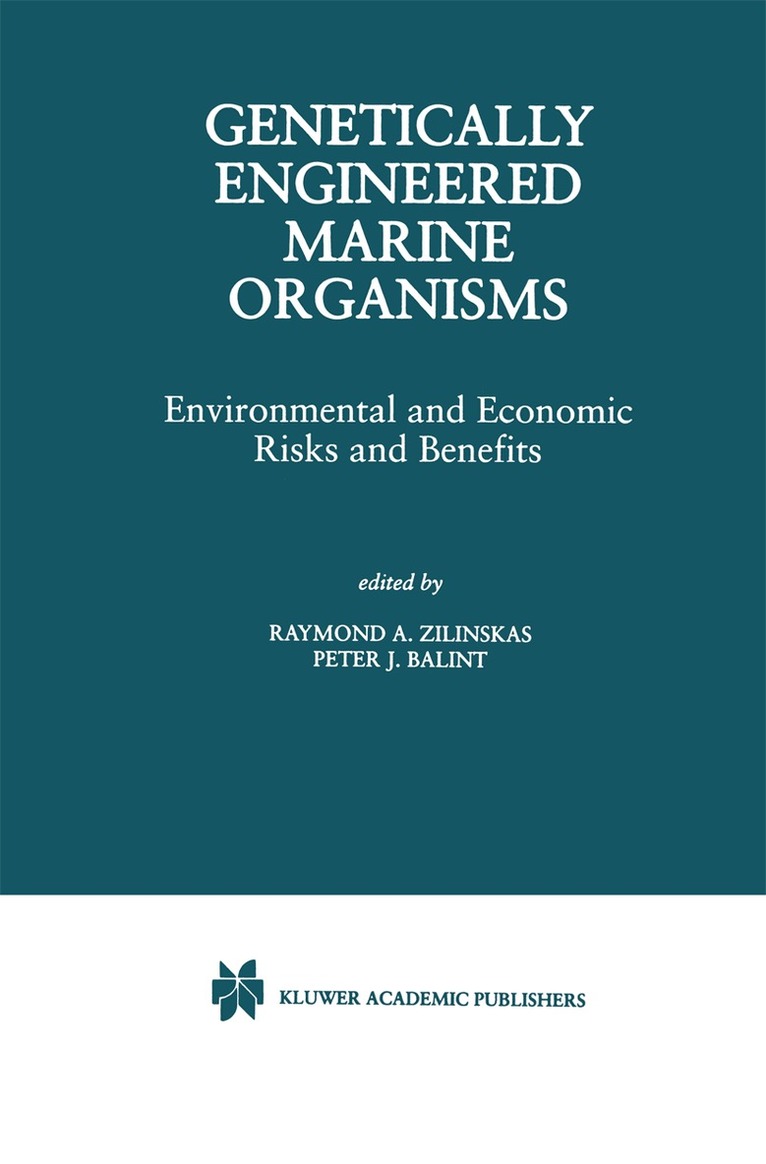
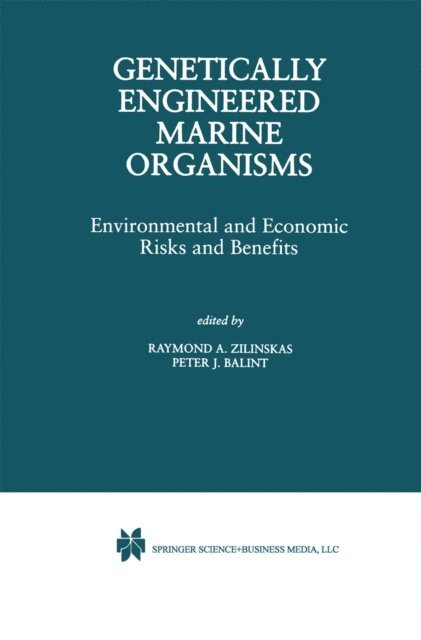
Genetically Engineered Marine Organisms
Environmental and Economic Risks and Benefits
Inbunden, Engelska, 1998
1 061 kr
Skickas inom 10-15 vardagar
Genetically Engineered Marine Organisms: Environmental and Economic Risks and Benefits provides a comprehensive, multidisciplinary overview of the environmental, economic, and regulatory implications of advances in marine biotechnology. The book has been specifically designed to bridge the gap between the rapidly advancing marine biotechnology industry and the government agencies that are responsible for risk assessment and regulation. Editors Raymond Zilinskas and Peter Balint have brought together experts in risk assessment, marine ecology, biotechnology, economics, and the law, to provide a unique way of examining complex issues in marine biotechnology. The contributors present innovative and challenging recommendations for protecting public health and the environment, while encouraging the development of beneficial new products in the field of marine biotechnology. As an added feature, each chapter includes a comprehensive, up-to-date bibliography. Genetically Engineered Marine Organisms: Environmental and Economic Risks and Benefits will prove invaluable to students, researchers and public employees involved with risk assessment. The book will appeal to industry personnel involved with the preparation of marine biotechnology products; scientists and administrators involved with applied research in marine biotechnology; policy analysts concerned with the economics of marine fisheries; and university personnel who focus on the interaction of risk, technology, and public policy.
4 656 kr
Tillfälligt slut
6 360 kr
Tillfälligt slut
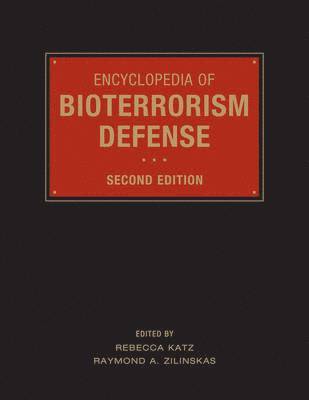
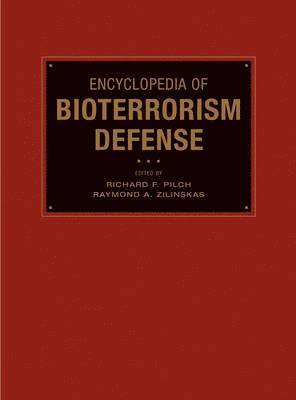
This groundbreaking reference marks the first time a publication has attempted to provide complete coverage in the field of bioterrorism. Articles review current knowledge across various disciplines within the context of bioterrorism, covering the most recent developments in areas including bioterrorism agents, biodefense infrastructure, biotechnology, preparedness, threats, threat analysis, and legislation. Relevant biological warfare events are included with a through analysis. This one-of-a-kind volume: Includes detailed coverage of such topics as: Biotechnology and Bioterrorism, Bioterrorist Attack--Stages & Aftermath, Detection of Agents, and Psychological & Social SequelaeOffers a user friendly style, with biological agents covered consistently across entriesContains over 125 articlesProvides case studies, with discussion of lessons learnedComprehensively covers the field of bioterrorism, including related science, technology, medicine, politics, law and historyWritten by an international panel of experts in the field, this landmark reference supplies essential information to a wide audience of scientists, researchers, physicians, health care professionals, policymakers, historians, journalists, and students.
681 kr
Skickas inom 10-15 vardagar
Russian officials claim today that the USSR never possessed an offensive biological weapons program. In fact, the Soviet government spent billions of rubles and hard currency to fund a hugely expensive weapons program that added nothing to the country’s security. This history is the first attempt to understand the broad scope of the USSR’s offensive biological weapons research—its inception in the 1920s, its growth between 1970 and 1990, and its possible remnants in present-day Russia. We learn that the U.S. and U.K. governments never obtained clear evidence of the program’s closure from 1990 to the present day, raising the critical question whether the means for waging biological warfare could be resurrected in Russia in the future.Based on interviews with important Soviet scientists and managers, papers from the Soviet Central Committee, and U.S. and U.K. declassified documents, this book peels back layers of lies, to reveal how and why Soviet leaders decided to develop biological weapons, the scientific resources they dedicated to this task, and the multitude of research institutes that applied themselves to its fulfillment. We learn that Biopreparat, an ostensibly civilian organization, was established to manage a top secret program, code-named Ferment, whose objective was to apply genetic engineering to develop strains of pathogenic agents that had never existed in nature. Leitenberg and Zilinskas consider the performance of the U.S. intelligence community in discovering and assessing these activities, and they examine in detail the crucial years 1985 to 1992, when Mikhail Gorbachev’s attempts to put an end to the program were thwarted as they were under Yeltsin.
2 232 kr
Skickas inom 10-15 vardagar
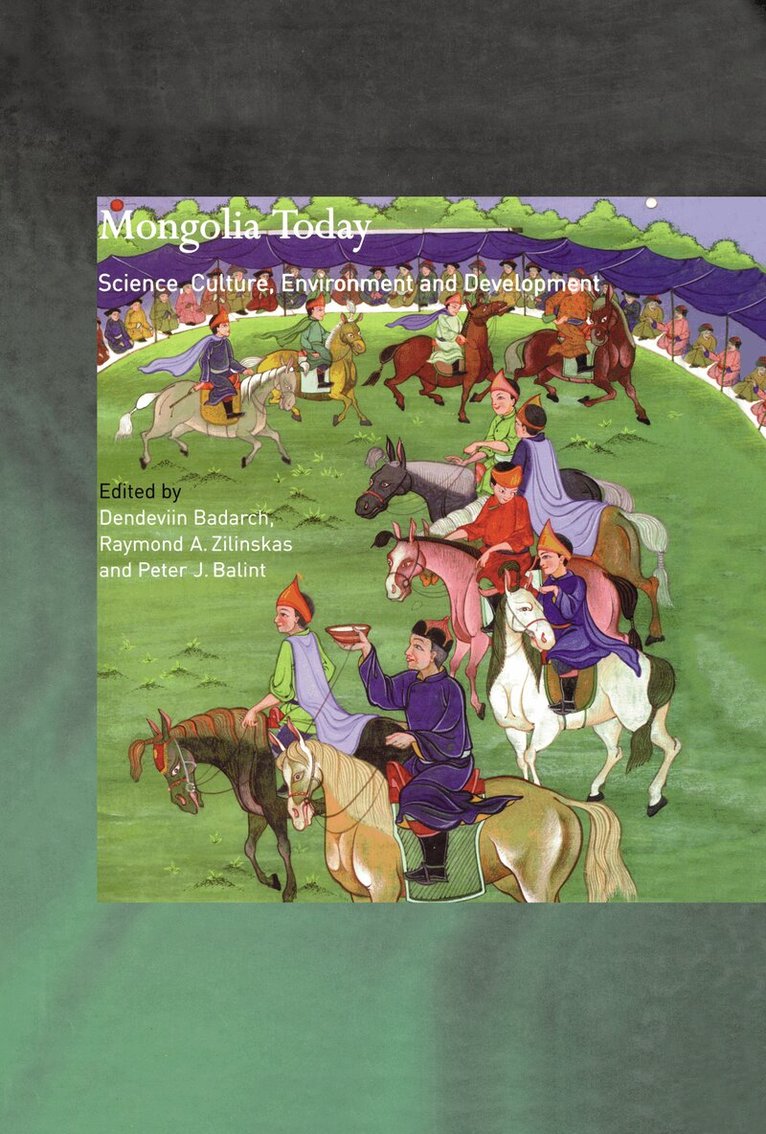
This is a wide-ranging collection of essays written by experts in the field. The variety of topics provide an interdisciplinary approach to the study of contemporary Mongolia. Topics include the impact of industrialization in Mongolia, environmental policies of the nation, the status of modern biotechnology in Mongolia, Mongolian dairy products, traditional husbandry techniques practised by nomadic people, a description of medicinal plants and their uses in Mongolian traditional medicine, descriptions of unique Mongolian birds, fishes and microbiota, discussion of the fascinating flora and fauna of the Gobi region, and a conservation case-study of the endangered Gobi bear.
658 kr
Skickas inom 10-15 vardagar
This is a wide-ranging collection of essays written by experts in the field. The variety of topics provide an interdisciplinary approach to the study of contemporary Mongolia. Topics include the impact of industrialization in Mongolia, environmental policies of the nation, the status of modern biotechnology in Mongolia, Mongolian dairy products, traditional husbandry techniques practised by nomadic people, a description of medicinal plants and their uses in Mongolian traditional medicine, descriptions of unique Mongolian birds, fishes and microbiota, discussion of the fascinating flora and fauna of the Gobi region, and a conservation case-study of the endangered Gobi bear.
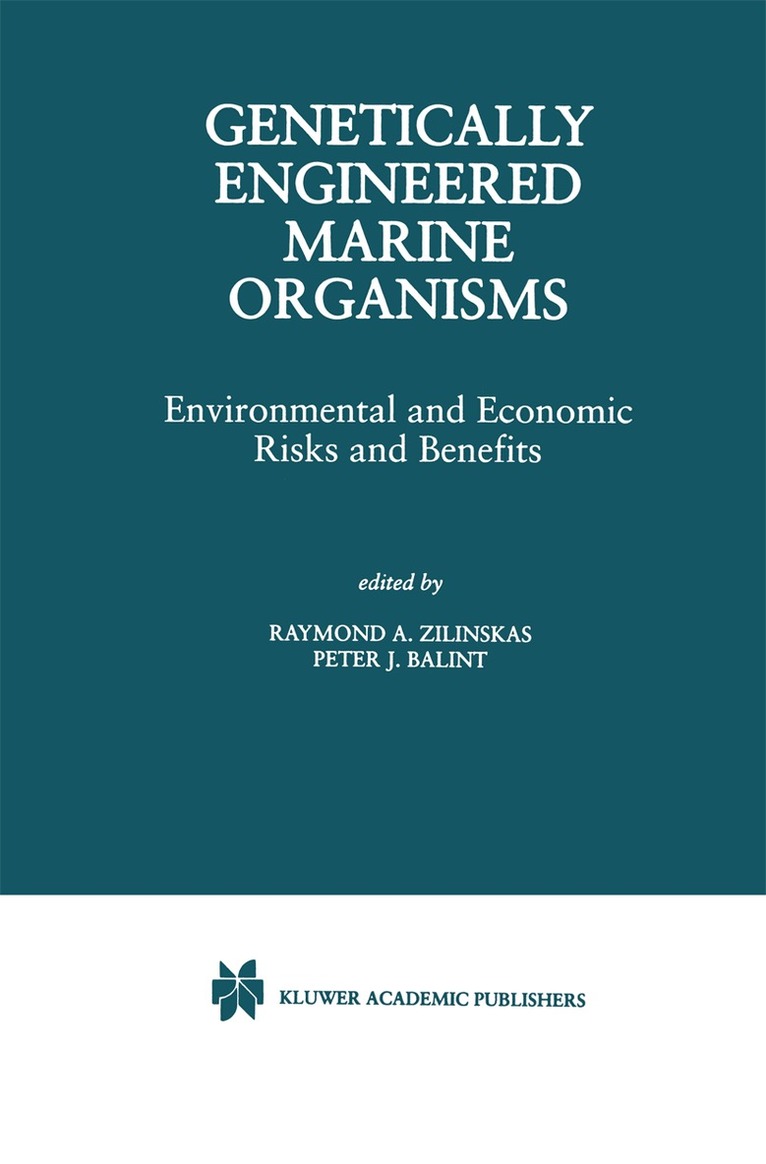
Genetically Engineered Marine Organisms
Environmental and Economic Risks and Benefits
Häftad, Engelska, 2012
1 059 kr
Skickas inom 10-15 vardagar
Genetically Engineered Marine Organisms: Environmental and Economic Risks and Benefits provides a comprehensive, multidisciplinary overview of the environmental, economic, and regulatory implications of advances in marine biotechnology. The book has been specifically designed to bridge the gap between the rapidly advancing marine biotechnology industry and the government agencies that are responsible for risk assessment and regulation. Editors Raymond Zilinskas and Peter Balint have brought together experts in risk assessment, marine ecology, biotechnology, economics, and the law, to provide a unique way of examining complex issues in marine biotechnology. The contributors present innovative and challenging recommendations for protecting public health and the environment, while encouraging the development of beneficial new products in the field of marine biotechnology. As an added feature, each chapter includes a comprehensive, up-to-date bibliography. Genetically Engineered Marine Organisms: Environmental and Economic Risks and Benefits will prove invaluable to students, researchers and public employees involved with risk assessment. The book will appeal to industry personnel involved with the preparation of marine biotechnology products; scientists and administrators involved with applied research in marine biotechnology; policy analysts concerned with the economics of marine fisheries; and university personnel who focus on the interaction of risk, technology, and public policy.