Rebecca Huss-Ashmore – författare
Visar alla böcker från författaren Rebecca Huss-Ashmore. Handla med fri frakt och snabb leverans.
11 produkter
African Food Systems in Crisis
Part One: Microperspectives
Av Rebecca Huss-Ashmore, Solomon H Katz
Inbunden, 2019
1521 kr
Lägg i varukorg
Originally published in 1990. Produced by the Task Force on African Famine of the American Anthropological Association, this is the first of a multi-part project dealing with the long-term and ongoing food crisis in Africa primarily at the level of local production-the microperspective. It offers a …
African Food Systems in Crisis
Part Two: Contending with Change
Av Rebecca Huss-Ashmore, Solomon H Katz
Inbunden, 2019
1826 kr
Lägg i varukorg
Originally published in 1991. Commissioned by the Task Force on African Famine of the American Anthropological Association, this the second part of a project examining the causes of food system failure in Africa and the effects of attempts to remedy the situation. It evaluates the …
African Food Systems in Crisis
Part One: Microperspectives
Av Rebecca Huss-Ashmore, Solomon H Katz
Häftad, 2021
385 kr
Lägg i varukorg
Originally published in 1990. Produced by the Task Force on African Famine of the American Anthropological Association, this is the first of a multi-part project dealing with the long-term and ongoing food crisis in Africa primarily at the level of local production-the microperspective. It offers a …
African Food Systems in Crisis
Part Two: Contending with Change
Av Rebecca Huss-Ashmore, Solomon H Katz
Häftad, 2021
545 kr
Lägg i varukorg
Originally published in 1991. Commissioned by the Task Force on African Famine of the American Anthropological Association, this the second part of a project examining the causes of food system failure in Africa and the effects of attempts to remedy the situation. It evaluates the …
African Food Systems in Crisis
Part One: Microperspectives
Av Solomon H Katz, Rebecca Huss-Ashmore
E-bok, 2019
450 kr
Lägg i varukorg
Originally published in 1990. Produced by the Task Force on African Famine of the American Anthropological Association, this is the first of a multi-part project dealing with the long-term and ongoing food crisis in Africa primarily at the level of local production-the microperspective. It offers a …
African Food Systems in Crisis
Part Two: Contending with Change
Av Solomon H Katz, Rebecca Huss-Ashmore
E-bok, 2019
641 kr
Lägg i varukorg
Originally published in 1991. Commissioned by the Task Force on African Famine of the American Anthropological Association, this the second part of a project examining the causes of food system failure in Africa and the effects of attempts to remedy the situation. It evaluates the …
African Food Systems in Crisis
Part One: Microperspectives
Av Solomon H Katz, Rebecca Huss-Ashmore
E-bok, 2019
450 kr
Lägg i varukorg
Originally published in 1990. Produced by the Task Force on African Famine of the American Anthropological Association, this is the first of a multi-part project dealing with the long-term and ongoing food crisis in Africa primarily at the level of local production-the microperspective. It offers a …
African Food Systems in Crisis
Part Two: Contending with Change
Av Solomon H Katz, Rebecca Huss-Ashmore
E-bok, 2019
627 kr
Lägg i varukorg
Originally published in 1991. Commissioned by the Task Force on African Famine of the American Anthropological Association, this the second part of a project examining the causes of food system failure in Africa and the effects of attempts to remedy the situation. It evaluates the …
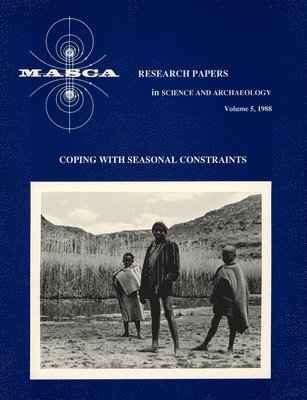
Coping with Seasonal Constraints
Av Rebecca Huss–ashmore, John J. Curry m. fl.
Häftad, 1988
349 kr
Tillfälligt slut
Seasonal fluctuations constrain the food production options of nonindustrial peoples. How do people cope with these constraints and what are the consequences of seasonality for human health and well-being? The papers in this volume address these issues from a variety of perspectives. Included are …
Health and Lifestyle Change
Av Rebecca Huss–ashmore, Joan Schall m. fl.
Inbunden, 1992
561 kr
Tillfälligt slut
The health impacts of changing behavior and lifestyle in a range of prehistoric, historic, and extant populations are examined in this volume. Of particular interest to the authors is the identification of issues that link past and present, and the ability of research on disease in the past to shed …
African Food Systems in Crisis
Part Two: Contending with Change
Av Rebecca Huss-Ashmore, Solomon H. Katz
Inbunden, 1991
2288 kr
Tillfälligt slut