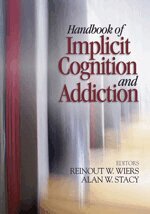
"This book is a valuable source for both researchers and practitioners who are either familiar or unfamiliar with implicit cognition and addiction" —Emmanuel Kuntsche, ALCALA
Most research on cognitive processes and drug abuse has focused on theories and methods of explicit cognition, asking people directly to introspect about the causes of their behavior. However, it may be questioned to what extent such methods reflect fundamental aspects of human cognition and motivation. In response to this issue, basic cognition researchers have started to assess implicit cognitions, defined as "introspectively unidentified (or inaccurately identified) traces of past experience that mediate feeling, thought, or action." Such approaches are less sensitive to self-justification and social desirability and offer other advantages over traditional approaches underscored by explicit cognition. Wiers' Handbook of Implicit Cognition and Addiction lays the groundwork for new approaches to the study and addictive behaviors as the first handbook to apply principles of implicit cognition to the field of addiction. This Handbook features the work of an interdisciplinary group of internationally renowned contributing North American and European authors who have brought together developments in basic research on implicit cognition with recent developments in addiction research. Key Features:
Moves the field forward by integrating cutting-edge research from formerly independent disciplines that help provide a better understanding of the etiology, prevention, and treatment of addictive behaviors Lays the groundwork for new approaches to the study and treatment of addictive behaviors as the first handbook to apply principles of implicit cognition to the field of addiction Presents existing applications to the prevention and treatment of addictive behaviors as well as possibilities for future interventions based on new approaches based on implicit cognition Opens with a chapter, written by the volume editors, that outlines general theoretical issues and provides a roadmap to the book Provides integrative summaries – written by both "insiders" and "outsiders" to the field - in a final section, highlighting theoretical issues currently being debated within this newly emerging area of scholarship
This Handbook is a unique, invaluable addition to libraries as well as to the collections of academics, students, and professionals interested in how cognitive research can contribute to the understanding, prevention, and treatment of addictions.