Rene Amalberti - Böcker
Visar alla böcker från författaren Rene Amalberti. Handla med fri frakt och snabb leverans.
6 produkter
6 produkter
1 259 kr
Tillfälligt slut
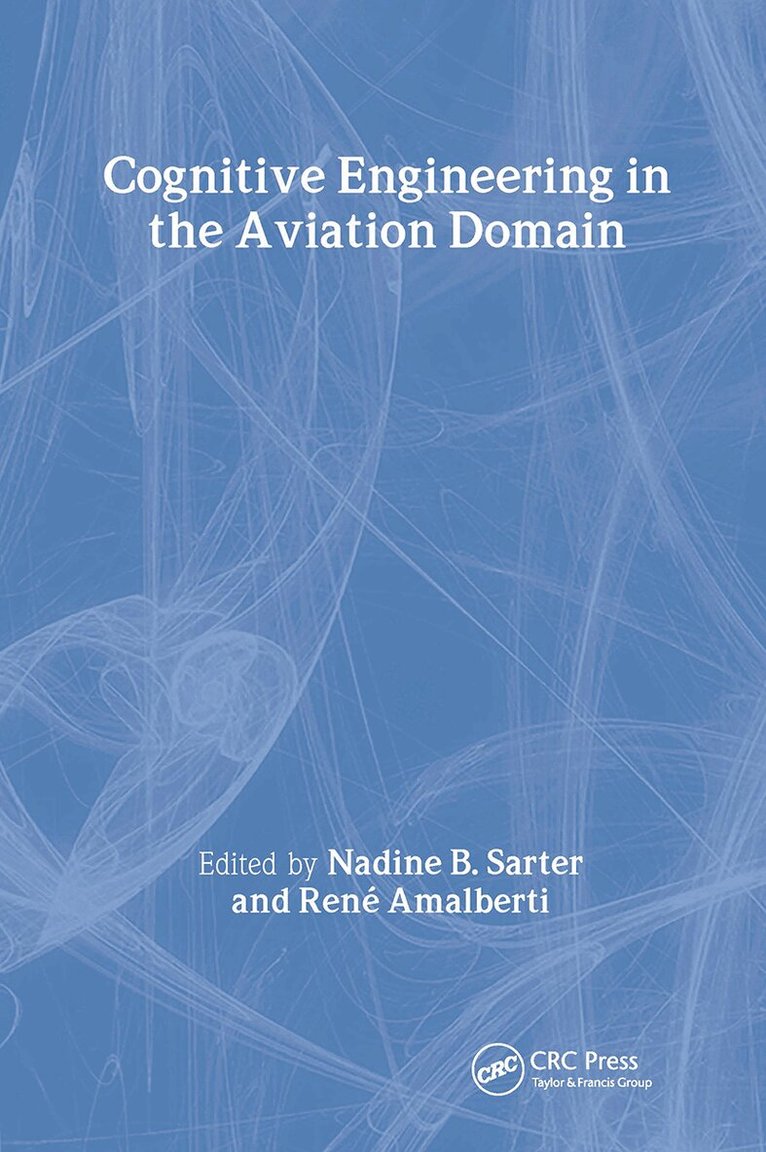
Although cognitive engineering has gained widespread acceptance as one of the most promising approaches to addressing and preventing difficulties with human-machine coordination and collaboration, it still meets with considerable skepticism and resistance in some of the industries that could benefit from its insights and recommendations. The challenge for cognitive engineers is to better understand the reasons underlying these reservations and to overcome them by demonstrating and communicating more effectively their concepts, approaches, and proposed solutions. To contribute to this goal, the current volume presents concrete examples of cognitive engineering research and design. It is an attempt to complement the already existing excellent literature on cognitive engineering in domains other than aviation and to introduce professionals and students in a variety of domains to this rather young discipline.The editors of this book, and the authors whose work is included, subscribe to the need to evaluate work in context. Accepting new paradigms for the study of humans working in complex environments, they view the human as an asset--indeed a necessity--in human-machine systems and they accept and take advantage of variations in human behavior. In addition, they recognize that much or most error is the result of mismatches between human capabilities and the demands placed on those humans by the machines which they use in the environments in which they are placed. As a whole, this volume illustrates how far we've come in understanding the cognitive bases of human work in complex human-machine systems.
929 kr
Skickas inom 10-15 vardagar
Although cognitive engineering has gained widespread acceptance as one of the most promising approaches to addressing and preventing difficulties with human-machine coordination and collaboration, it still meets with considerable skepticism and resistance in some of the industries that could benefit from its insights and recommendations. The challenge for cognitive engineers is to better understand the reasons underlying these reservations and to overcome them by demonstrating and communicating more effectively their concepts, approaches, and proposed solutions. To contribute to this goal, the current volume presents concrete examples of cognitive engineering research and design. It is an attempt to complement the already existing excellent literature on cognitive engineering in domains other than aviation and to introduce professionals and students in a variety of domains to this rather young discipline.The editors of this book, and the authors whose work is included, subscribe to the need to evaluate work in context. Accepting new paradigms for the study of humans working in complex environments, they view the human as an asset--indeed a necessity--in human-machine systems and they accept and take advantage of variations in human behavior. In addition, they recognize that much or most error is the result of mismatches between human capabilities and the demands placed on those humans by the machines which they use in the environments in which they are placed. As a whole, this volume illustrates how far we've come in understanding the cognitive bases of human work in complex human-machine systems.
632 kr
Skickas inom 5-8 vardagar
556 kr
Skickas inom 10-15 vardagar
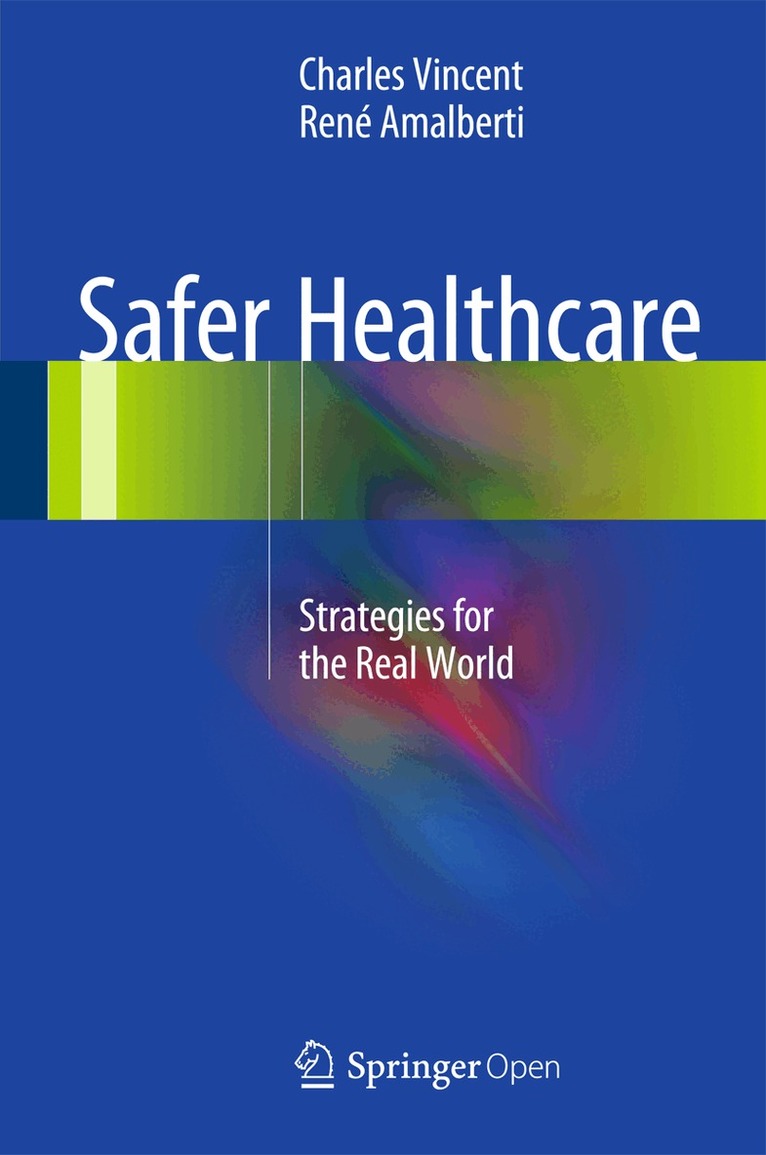
The authors of this book set out a system of safety strategies and interventions for managing patient safety on a day-to-day basis and improving safety over the long term. These strategies are applicable at all levels of the healthcare system from the frontline to the regulation and governance of the system.There have been many advances in patient safety, but we now need a new and broader vision that encompasses care throughout the patient’s journey. The authors argue that we need to see safety through the patient’s eyes, to consider how safety is managed in different contexts and to develop a wider strategic and practical vision in which patient safety is recast as the management of risk over time. Most safety improvement strategies aim to improve reliability and move closer toward optimal care. However, healthcare will always be under pressure and we also require ways of managing safety when conditions are difficult. We need to make more use of strategies concerned withdetecting, controlling, managing and responding to risk. Strategies for managing safety in highly standardised and controlled environments are necessarily different from those in which clinicians constantly have to adapt and respond to changing circumstances.This work is supported by the Health Foundation. The Health Foundation is an independent charity committed to bringing about better health and health care for people in the UK.The charity’s aim is a healthier population in the UK, supported by high quality health care that can be equitably accessed. The Foundation carries out policy analysis and makes grants to front-line teams to try ideas in practice and supports research into what works to make people’s lives healthier and improve the health care system, with a particular emphasis on how to make successful change happen.A key part of the work is to make links between the knowledge of those working to deliver health and health care with research evidenceand analysis. The aspiration is to create a virtuous circle, using what works on the ground to inform effective policymaking and vice versa. Good health and health care are vital for a flourishing society. Through sharing what is known, collaboration and building people’s skills and knowledge, the Foundation aims to make a difference and contribute to a healthier population.
551 kr
Skickas inom 10-15 vardagar
The authors of this book set out a system of safety strategies and interventions for managing patient safety on a day-to-day basis and improving safety over the long term. These strategies are applicable at all levels of the healthcare system from the frontline to the regulation and governance of the system.There have been many advances in patient safety, but we now need a new and broader vision that encompasses care throughout the patient’s journey. The authors argue that we need to see safety through the patient’s eyes, to consider how safety is managed in different contexts and to develop a wider strategic and practical vision in which patient safety is recast as the management of risk over time. Most safety improvement strategies aim to improve reliability and move closer toward optimal care. However, healthcare will always be under pressure and we also require ways of managing safety when conditions are difficult. We need to make more use of strategies concerned withdetecting, controlling, managing and responding to risk. Strategies for managing safety in highly standardised and controlled environments are necessarily different from those in which clinicians constantly have to adapt and respond to changing circumstances.This work is supported by the Health Foundation. The Health Foundation is an independent charity committed to bringing about better health and health care for people in the UK.The charity’s aim is a healthier population in the UK, supported by high quality health care that can be equitably accessed. The Foundation carries out policy analysis and makes grants to front-line teams to try ideas in practice and supports research into what works to make people’s lives healthier and improve the health care system, with a particular emphasis on how to make successful change happen.A key part of the work is to make links between the knowledge of those working to deliver health and health care with research evidenceand analysis. The aspiration is to create a virtuous circle, using what works on the ground to inform effective policymaking and vice versa. Good health and health care are vital for a flourishing society. Through sharing what is known, collaboration and building people’s skills and knowledge, the Foundation aims to make a difference and contribute to a healthier population.
852 kr
Skickas inom 10-15 vardagar
Managing safety in a professional environment requires constant negotiation with other competitive dimensions of risk management (finances, market and political drivers, manpower and social crisis). This is obvious, although generally not said in safety manuals. The book provides a unique vision of how to best find these compromises, starting with lessons learnt from natural risk management by individuals, then applying them to the craftsman industry, complex industrial systems (civil aviation, nuclear energy) and public services (like transportation and medicine). It offers a unique, illustrated, easy to read and scientifically based set of original concepts and pragmatic methods to revisit safety management and adopt a successful system vision. As such, and with illustrations coming from many various fields (aviation, fishing, nuclear, oil, medicine), it potentially covers a broad readership.