Reuven Amitai – författare
Visar alla böcker från författaren Reuven Amitai. Handla med fri frakt och snabb leverans.
6 produkter
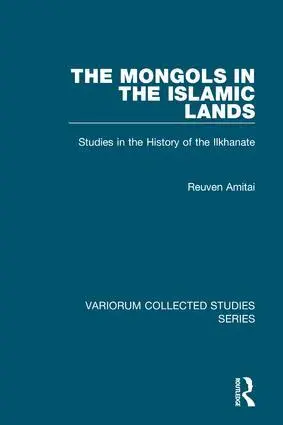
Mongols in the Islamic Lands
Studies in the History of the Ilkhanate
Inbunden, 2007
2596 kr
Lägg i varukorg
The Mongols had a profound effect on the regions that they ruled in the eastern Muslim world, from the first Mongol invasion in 1219 through the breakup of the Ilkhanate in 1335 and the various, short-lived successor states. The influence of their rule - positive as well as negative - on the …
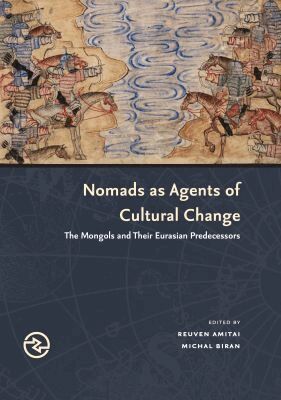
Nomads As Agents of Cultural Change
The Mongols and Their Eurasian Predecessors
Av Reuven Amitai, Michal Biran
Häftad, 2017
354 kr
Lägg i varukorg
Since the first millennium BCE, nomads of the Eurasian steppe have played a key role in world history and the development of adjacent sedentary regions, especially China, India, the Middle East, and Eastern and Central Europe. Although their more settled neighbors often saw them as an ongoing …
Mongols in the Islamic Lands
Studies in the History of the Ilkhanate
E-bok, 2024
2978 kr
Lägg i varukorg
The Mongols had a profound effect on the regions that they ruled in the eastern Muslim world, from the first Mongol invasion in 1219 through the breakup of the Ilkhanate in 1335 and the various, short-lived successor states. The influence of their rule - positive as well as negative - on the …
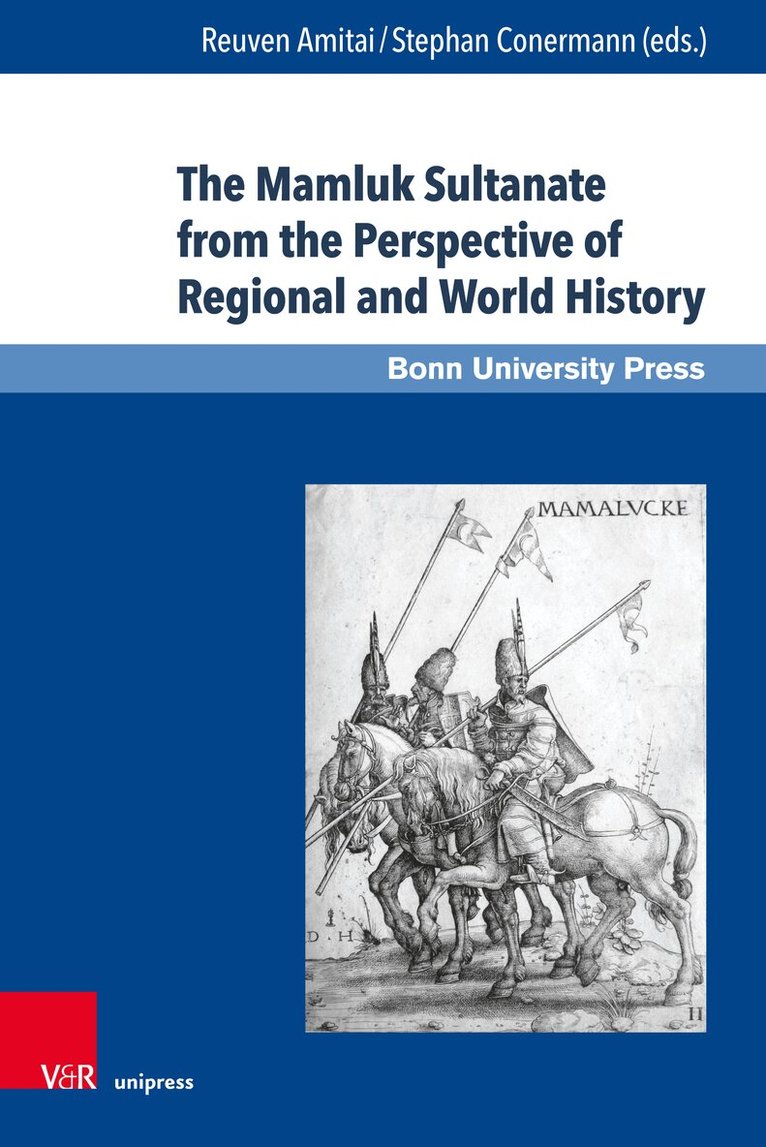
Mamluk Sultanate from the Perspective of Regional and World History
Economic, Social and Cultural Development in an Era of Increasing International Interaction and Competition
Av Stephan Conermann, Reuven Amitai
E-bok, 2019
1023 kr
Lägg i varukorg
The Mamluk Sultanate represents an extremely interesting case study to examine social, economic and cultural developments in the transition into the rapidly changing modern world. On the one hand, it is the heir of a political and military tradition that goes back hundreds of years, and brought …
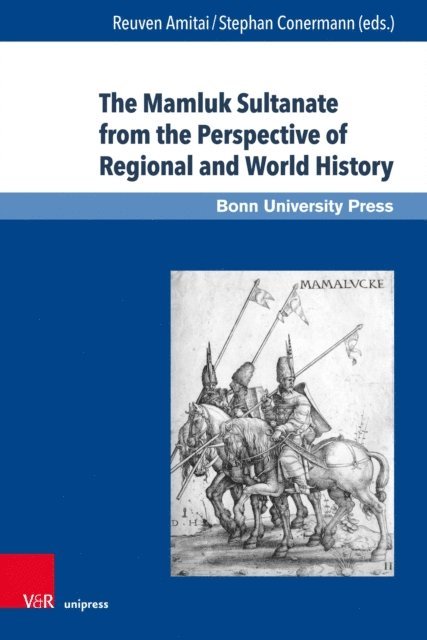
Mamluk Sultanate from the Perspective of Regional and World History
Economic, Social and Cultural Development in an Era of Increasing International Interaction and Competition
Av Reuven Amitai, Stephan Conermann
Inbunden, 2019
1219 kr
Lägg i varukorg
The Mamluk Sultanate represents an extremely interesting case study to examine social, economic and cultural developments in the transition into the rapidly changing modern world. On the one hand, it is the heir of a political and military tradition that goes back hundreds of years, and brought …
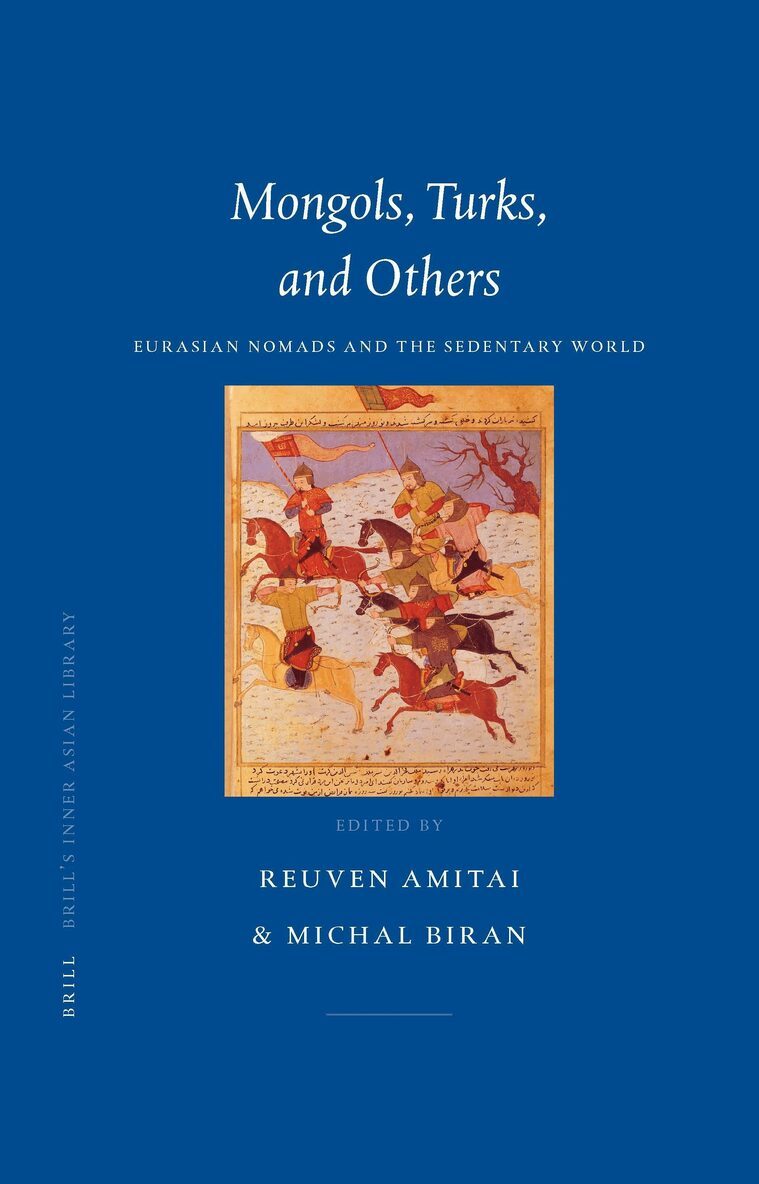
Mongols, Turks, and Others
Eurasian Nomads and the Sedentary World
Av Reuven Amitai, Michal Biran
Inbunden, 2004
2905 kr
Lägg i varukorg
The interaction between the Eurasian pastoral nomads - most famously the Mongols and Turks - and the surrounding sedentary societies is a major theme in world history. Nomads were not only raiders and conquerors, but also transmitted commodities, ideas, technologies and other cultural items. At the …