Michal Biran – författare
Visar alla böcker från författaren Michal Biran. Handla med fri frakt och snabb leverans.
24 produkter
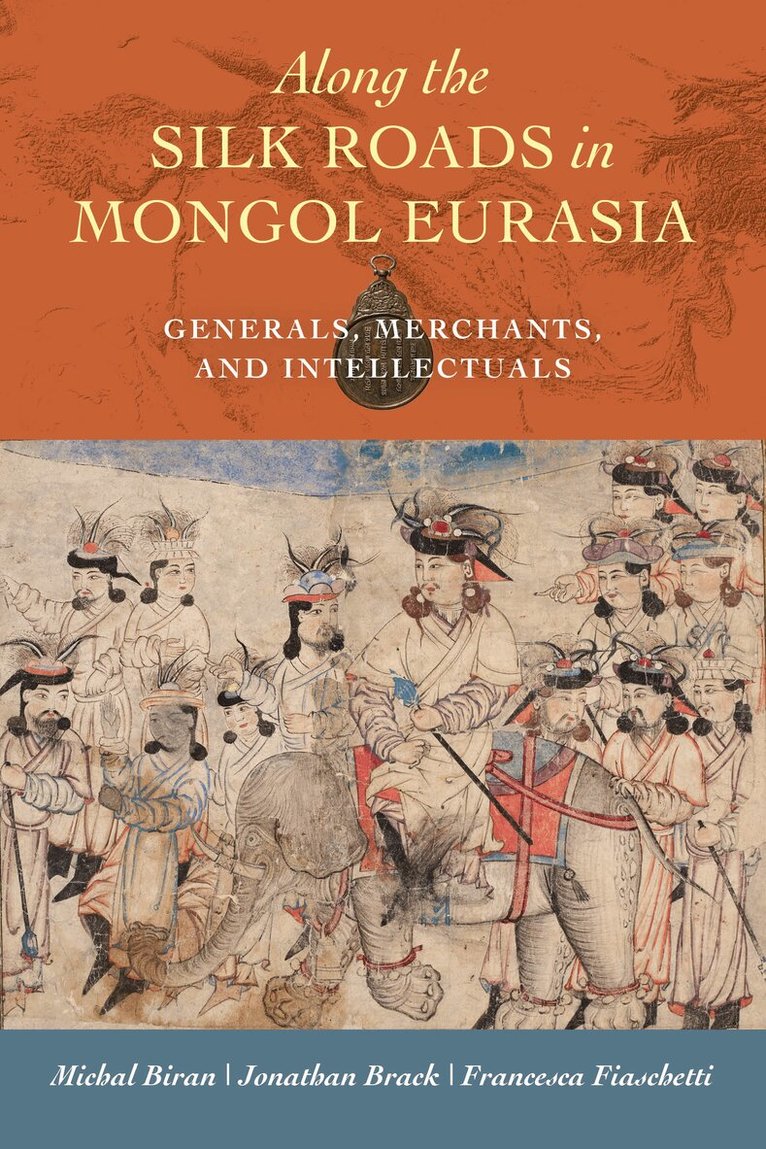
Along the Silk Roads in Mongol Eurasia
Generals, Merchants, and Intellectuals
Av Michal Biran, Jonathan Z. Brack m. fl.
Inbunden, 2020
1227 kr
Lägg i varukorg
During the thirteenth and fourteenth centuries, Chinggis Khan and his heirs established the largest contiguous empire in the history of the world, extending from Korea to Hungary and from Iraq, Tibet, and Burma to Siberia. Ruling over roughly two thirds of the Old World, the Mongol Empire enabled …
Along the Silk Roads in Mongol Eurasia
Generals, Merchants, and Intellectuals
Av Michal Biran, Jonathan Z. Brack m. fl.
Häftad, 2020
278 kr
Lägg i varukorg
During the thirteenth and fourteenth centuries, Chinggis Khan and his heirs established the largest contiguous empire in the history of the world, extending from Korea to Hungary and from Iraq, Tibet, and Burma to Siberia. Ruling over roughly two thirds of the Old World, the Mongol Empire enabled …
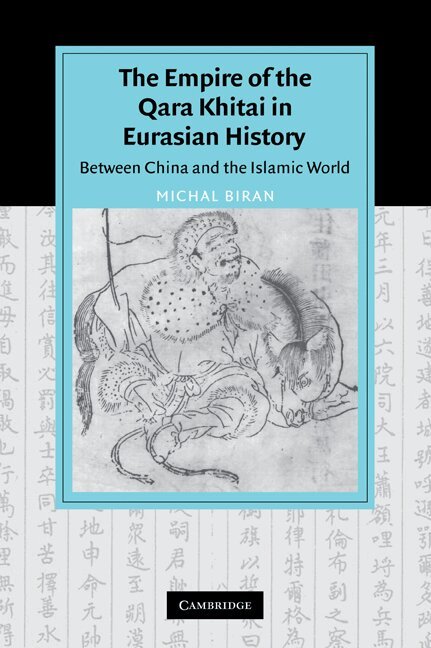
The Empire of the Qara Khitai in Eurasian History
Between China and the Islamic World
Av Michal Biran
Häftad, 2008
737 kr
Lägg i varukorg
The empire of the Qara Khitai, which was one of the least known and most fascinating dynasties in the history of Central Asia, existed for nearly a century before it was conquered by the Mongols in 1218. Arriving in Central Asia from China, the Qara Khitai ruled over a mostly Muslim population. …
The Empire of the Qara Khitai in Eurasian History
Between China and the Islamic World
Av Michal Biran
Inbunden, 2005
1777 kr
Lägg i varukorg
The empire of the Qara Khitai, which was one of the least known and most fascinating dynasties in the history of Central Asia, existed for nearly a century before it was conquered by the Mongols in 1218. Arriving in Central Asia from China, the Qara Khitai ruled over a mostly Muslim population. …
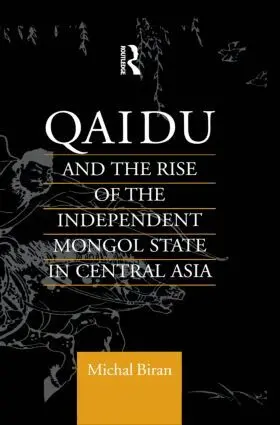
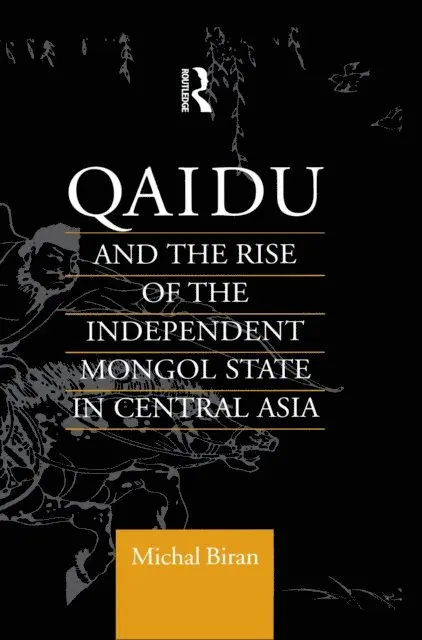
Qaidu and the Rise of the Independent Mongol State In Central Asia
Av Michal Biran
Inbunden, 1997
2591 kr
Lägg i varukorg
Qaidu (1236-1301), one of the great rebels in the history of the Mongol Empire, was the grandson of Ogedei, the son Genghis Khan had chosen to be his heir. This boof recounts the dynastic convolutions and power struggle leading up to his rebellion and subsequent events.
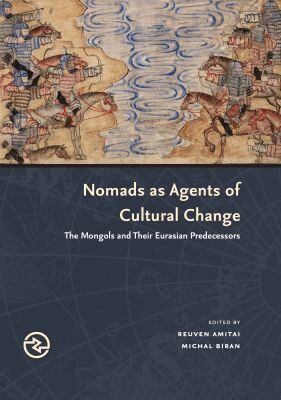
Nomads As Agents of Cultural Change
The Mongols and Their Eurasian Predecessors
Av Reuvan Amitai, Michal Biran
Inbunden, 2014
904 kr
Lägg i varukorg
Since the first millennium BCE, nomads of the Eurasian steppe have played a key role in world history and the development of adjacent sedentary regions, especially China, India, the Middle East, and Eastern and Central Europe. Although their more settled neighbours often saw them as an ongoing …
Nomads As Agents of Cultural Change
The Mongols and Their Eurasian Predecessors
Av Reuven Amitai, Michal Biran
Häftad, 2017
354 kr
Lägg i varukorg
Since the first millennium BCE, nomads of the Eurasian steppe have played a key role in world history and the development of adjacent sedentary regions, especially China, India, the Middle East, and Eastern and Central Europe. Although their more settled neighbors often saw them as an ongoing …
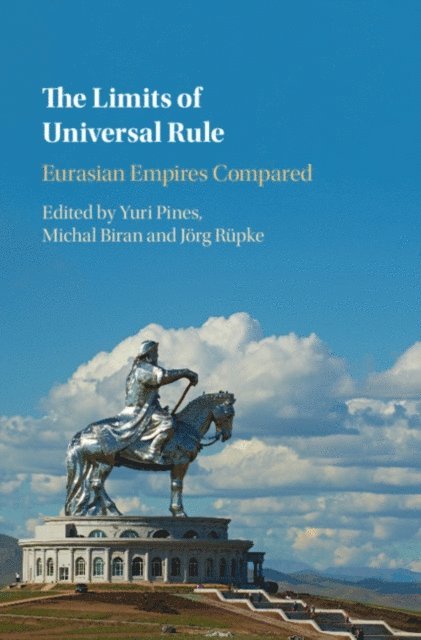
The Limits of Universal Rule
Eurasian Empires Compared
Av Yuri Pines, Michal Biran m. fl.
Inbunden, 2021
1475 kr
Lägg i varukorg
All major continental empires proclaimed their desire to rule 'the entire world', investing considerable human and material resources in expanding their territory. Each, however, eventually had to stop expansion and come to terms with a shift to defensive strategy. This volume explores the factors …
The Limits of Universal Rule
Eurasian Empires Compared
Av Yuri Pines, Michal Biran m. fl.
Häftad, 2022
435 kr
Lägg i varukorg
All major continental empires proclaimed their desire to rule 'the entire world', investing considerable human and material resources in expanding their territory. Each, however, eventually had to stop expansion and come to terms with a shift to defensive strategy. This volume explores the factors …
Limits of Universal Rule
Eurasian Empires Compared
Av Jorg Rupke, Michal Biran m. fl.
E-bok, 2021
420 kr
Lägg i varukorg
All major continental empires proclaimed their desire to rule ''the entire world'', investing considerable human and material resources in expanding their territory. Each, however, eventually had to stop expansion and come to terms with a shift to defensive strategy. This volume explores the …
Limits of Universal Rule
Eurasian Empires Compared
Av Jorg Rupke, Michal Biran m. fl.
E-bok, 2021
420 kr
Lägg i varukorg
All major continental empires proclaimed their desire to rule ''the entire world'', investing considerable human and material resources in expanding their territory. Each, however, eventually had to stop expansion and come to terms with a shift to defensive strategy. This volume explores the …
Qaidu and the Rise of the Independent Mongol State In Central Asia
Av Michal Biran
E-bok, 2013
963 kr
Lägg i varukorg
Qaidu (1236-1301), one of the great rebels in the history of the Mongol Empire, was the grandson of Ogedei, the son Genghis Khan had chosen to be his heir. This boof recounts the dynastic convolutions and power struggle leading up to his rebellion and subsequent events.
Qaidu and the Rise of the Independent Mongol State In Central Asia
Av Michal Biran
E-bok, 2013
935 kr
Lägg i varukorg
Qaidu (1236-1301), one of the great rebels in the history of the Mongol Empire, was the grandson of Ogedei, the son Genghis Khan had chosen to be his heir. This boof recounts the dynastic convolutions and power struggle leading up to his rebellion and subsequent events.
Qaidu and the Rise of the Independent Mongol State In Central Asia
Av Michal Biran
Häftad, 2016
820 kr
Lägg i varukorg
Qaidu (1236-1301), one of the great rebels in the history of the Mongol Empire, was the grandson of Ogedei, the son Genghis Khan had chosen to be his heir. This boof recounts the dynastic convolutions and power struggle leading up to his rebellion and subsequent events.
Chinggis Khan
Av Michal Biran
E-bok, 2012
279 kr
Lägg i varukorg
In this novel perspective on a much-maligned figure, Michal Biran explains the monumental impact Chinggis Khan has had upon the Islamic World, both positive and negative. Often criticised as a mass-slaughterer, pillager, and arch-enemy of the faith, Biran shows that his constructive influence upon …
Chinggis Khan
Av Michal Biran
Inbunden, 2007
415 kr
Lägg i varukorg
In this novel perspective on a much-maligned figure, Michal Biran explains the monumental impact Chinggis Khan has had upon the Islamic World, both positive and negative. Often criticised as a mass-slaughterer, pillager, and arch-enemy of the faith, Biran shows that his constructive influence upon …
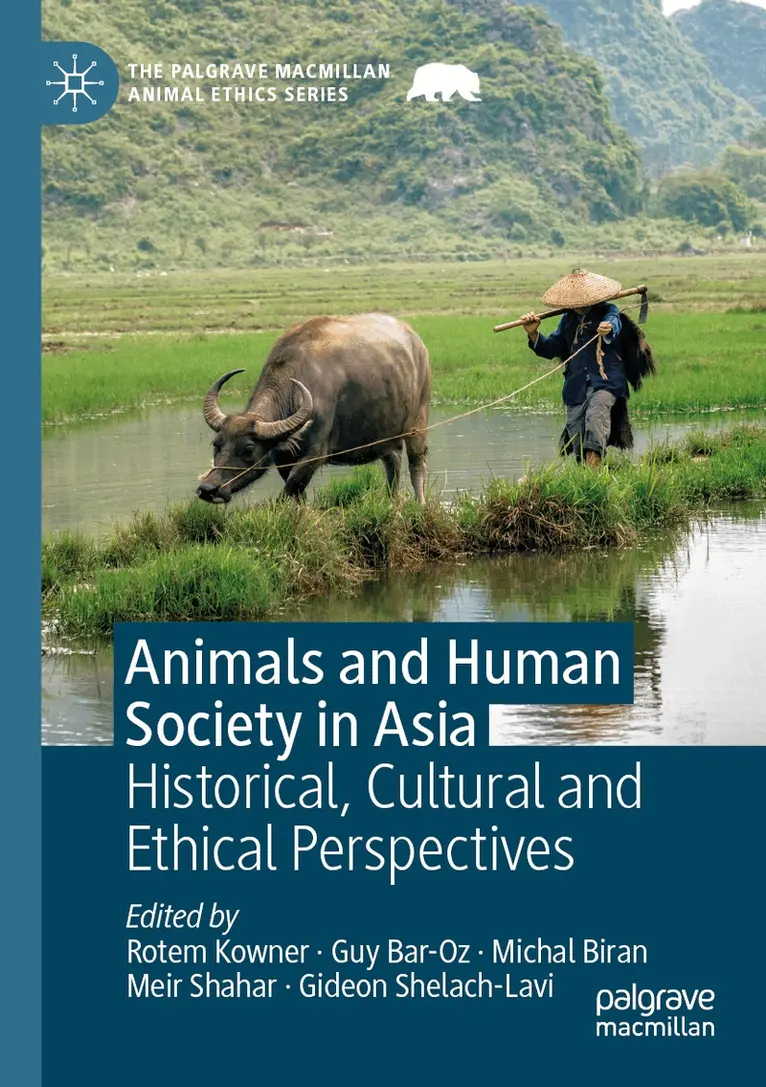
Animals and Human Society in Asia
Historical, Cultural and Ethical Perspectives
Av Rotem Kowner, Guy Bar-Oz m. fl.
Inbunden, 2020
1421 kr
Lägg i varukorg
This edited collection offers a comprehensive overview of the different aspects of human-animal interactions in Asia throughout history. With twelve thematically-arranged chapters, this book examines the diverse roles that beasts, livestock, and fish — real and metaphorical– have played in Asian …
Animals and Human Society in Asia
Historical, Cultural and Ethical Perspectives
Av Gideon Shelach-Lavi, Meir Shahar m. fl.
E-bok, 2019
1785 kr
Lägg i varukorg
This edited collection offers a comprehensive overview of the different aspects of human-animal interactions in Asia throughout history. With twelve thematically-arranged chapters, this book examines the diverse roles that beasts, livestock, and fish — real and metaphorical– have played in Asian …
Animals and Human Society in Asia
Historical, Cultural and Ethical Perspectives
Av Rotem Kowner, Guy Bar-Oz m. fl.
Häftad, 2021
1421 kr
Lägg i varukorg
This edited collection offers a comprehensive overview of the different aspects of human-animal interactions in Asia throughout history. With twelve thematically-arranged chapters, this book examines the diverse roles that beasts, livestock, and fish — real and metaphorical– have played in Asian …
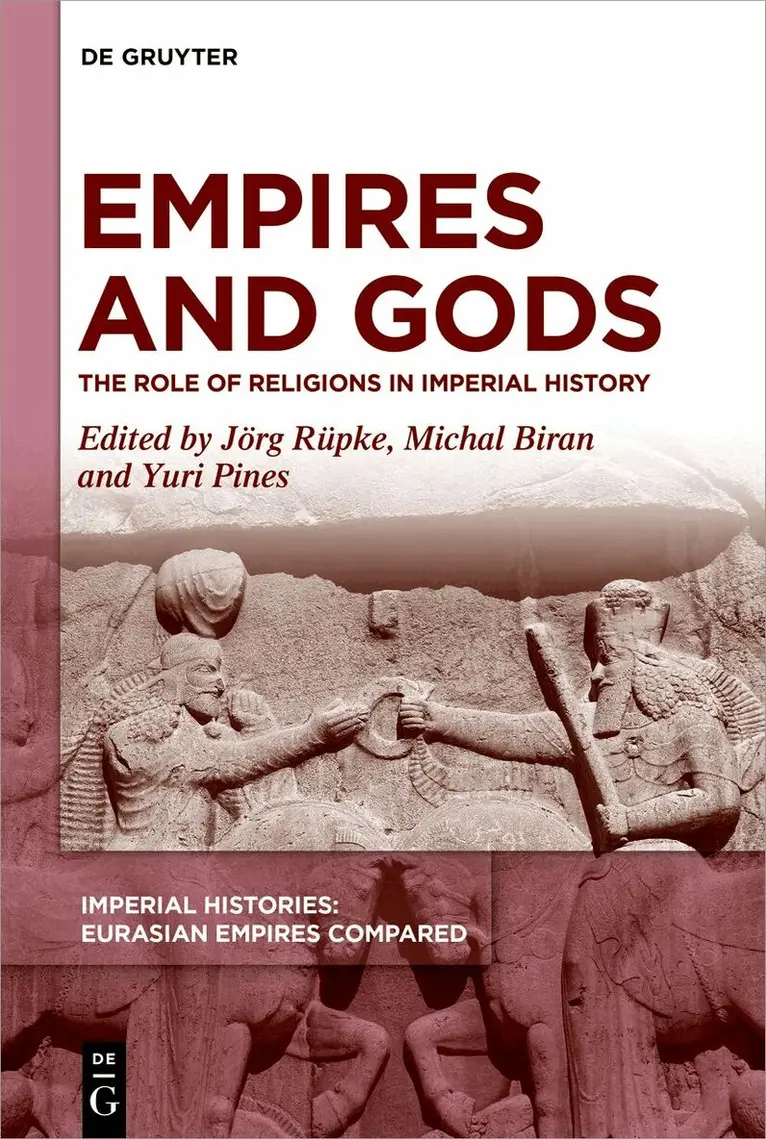
Empires and Gods
The Role of Religions in Imperial History
Av Jörg Rüpke, Michal Biran m. fl.
Inbunden, 2024
1466 kr
Lägg i varukorg
Interaction with religions was one of the most demanding tasks for imperial leaders. Religions could be the glue that held an empire together, bolstering the legitimacy of individual rulers and of the imperial enterprise as a whole. Yet, they could also challenge this legitimacy and jeopardize an …
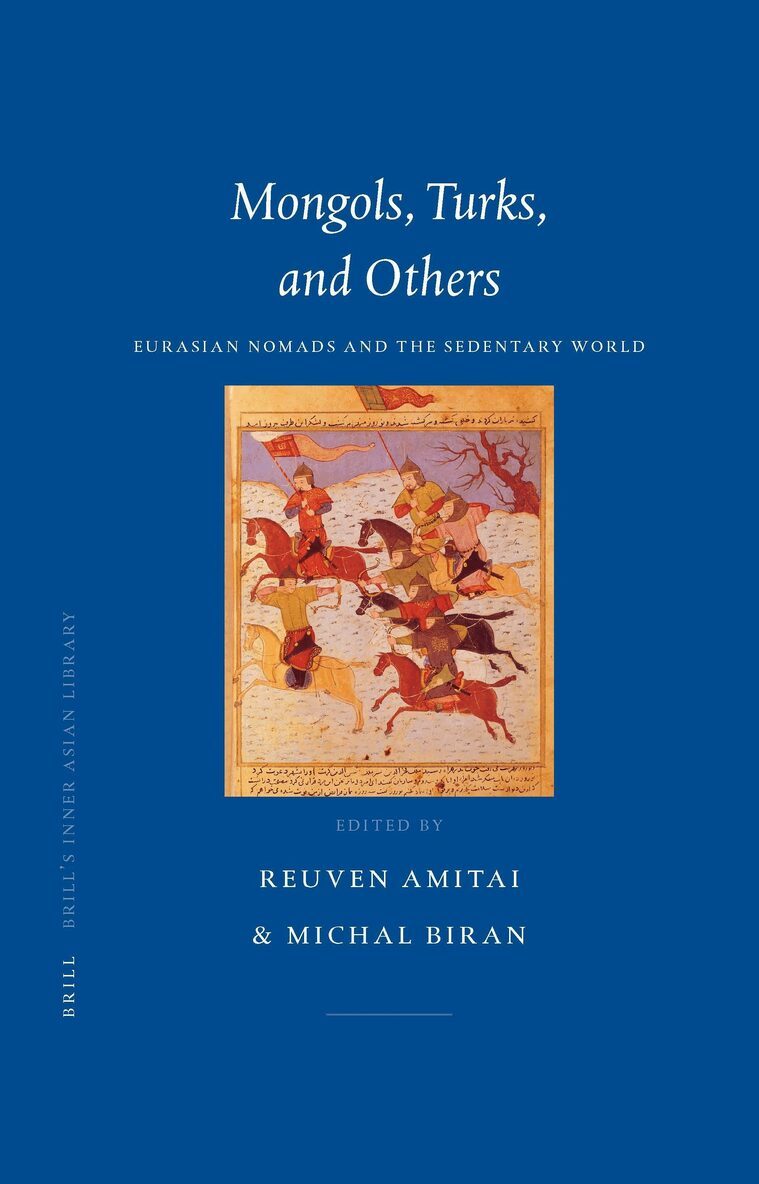
Mongols, Turks, and Others
Eurasian Nomads and the Sedentary World
Av Reuven Amitai, Michal Biran
Inbunden, 2004
2905 kr
Lägg i varukorg
The interaction between the Eurasian pastoral nomads - most famously the Mongols and Turks - and the surrounding sedentary societies is a major theme in world history. Nomads were not only raiders and conquerors, but also transmitted commodities, ideas, technologies and other cultural items. At the …
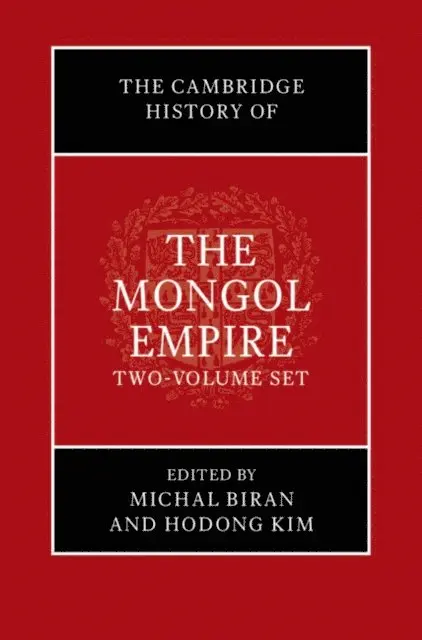
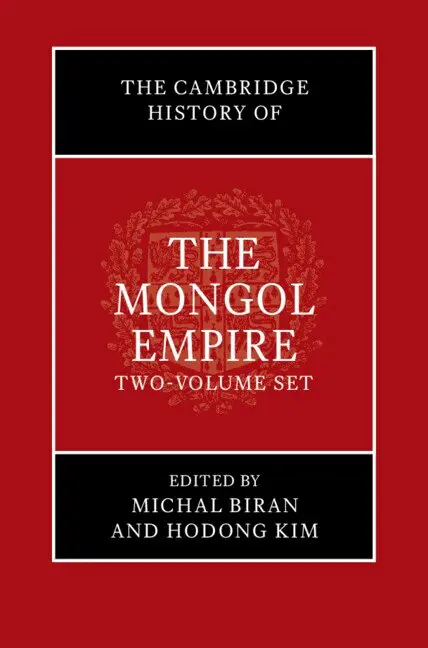
The Cambridge History of the Mongol Empire 2 Volume Set
2023
5918 kr
Tillfälligt slut
In the thirteenth and fourteenth centuries Chinggis Khan and his progeny ruled over two-thirds of Eurasia. Connecting East, West, North and South, the Mongols integrated most of the Old World, promoting unprecedented cross-cultural contacts and triggering the reshuffle of religious, ethnic, and …