Riccardo Fiorentini – författare
Visar alla böcker från författaren Riccardo Fiorentini. Handla med fri frakt och snabb leverans.
6 produkter
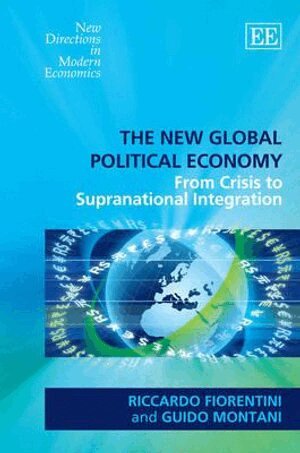
New Global Political Economy
From Crisis to Supranational Integration
Av Riccardo Fiorentini, Guido Montani
Inbunden, 2012
1869 kr
Lägg i varukorg
The 2008 financial crisis is arguably the most dramatic outcome of globalization. International economic integration, if unregulated, can bring about huge inequalities and the destruction of the environment. This thought-provoking book illustrates why the 'old' international order is unable to …
New Global Political Economy
From Crisis to Supranational Integration
Av Guido Montani, Riccardo Fiorentini
E-bok, 2012
472 kr
Lägg i varukorg
The 2008 financial crisis is arguably the most dramatic outcome of globalization. International economic integration, if unregulated, can bring about huge inequalities and the destruction of the environment. This thought-provoking book illustrates why the ''old'' international order is unable to …
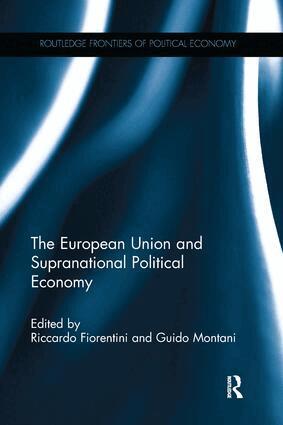
European Union and Supranational Political Economy
Av Riccardo Fiorentini, Guido Montani
Häftad, 2016
502 kr
Lägg i varukorg
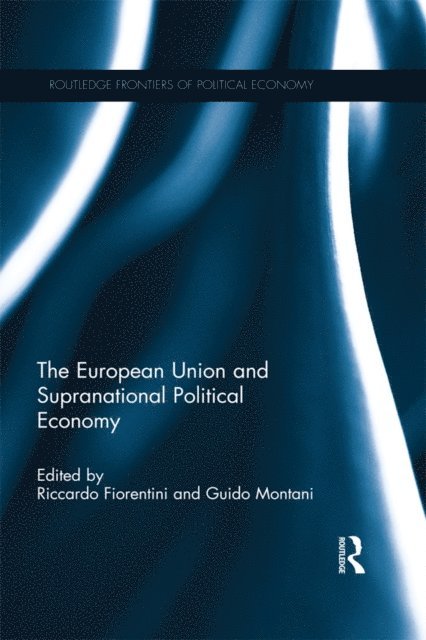
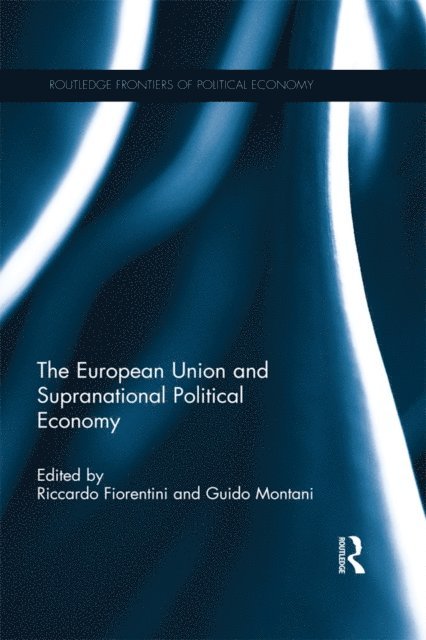
The financial crisis – originated in 2008 in the United States – had a dramatic impact on the world economy. The European Union was immediately involved, but its reaction to the crisis was clearly inadequate. The misgovernment of the European economy not only put at risk the European Monetary …
European Union and Supranational Political Economy
Av Riccardo Fiorentini, Guido Montani
Inbunden, 2014
1399 kr
Lägg i varukorg
The financial crisis – originated in 2008 in the United States – had a dramatic impact on the world economy. The European Union was immediately involved, but its reaction to the crisis was clearly inadequate. The misgovernment of the European economy not only put at risk the European Monetary …
European Union and Supranational Political Economy
Av Guido Montani, Riccardo Fiorentini
E-bok, 2014
590 kr
Lägg i varukorg
The financial crisis – originated in 2008 in the United States – had a dramatic impact on the world economy. The European Union was immediately involved, but its reaction to the crisis was clearly inadequate. The misgovernment of the European economy not only put at risk the European Monetary …
European Union and Supranational Political Economy
Av Guido Montani, Riccardo Fiorentini
E-bok, 2014
577 kr
Lägg i varukorg
The financial crisis – originated in 2008 in the United States – had a dramatic impact on the world economy. The European Union was immediately involved, but its reaction to the crisis was clearly inadequate. The misgovernment of the European economy not only put at risk the European Monetary …