Richard A. Lockshin - Böcker
Visar alla böcker från författaren Richard A. Lockshin. Handla med fri frakt och snabb leverans.
6 produkter
6 produkter
2 098 kr
Skickas inom 7-10 vardagar
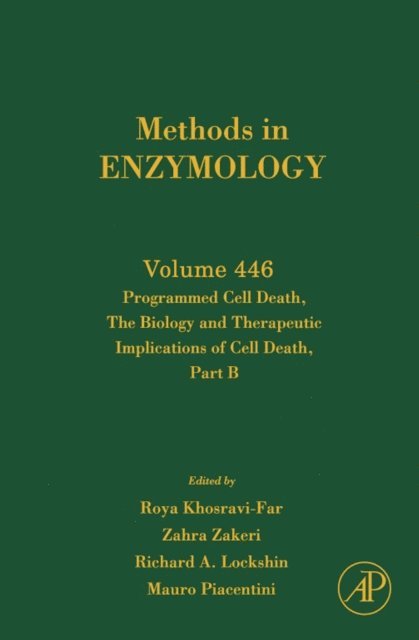
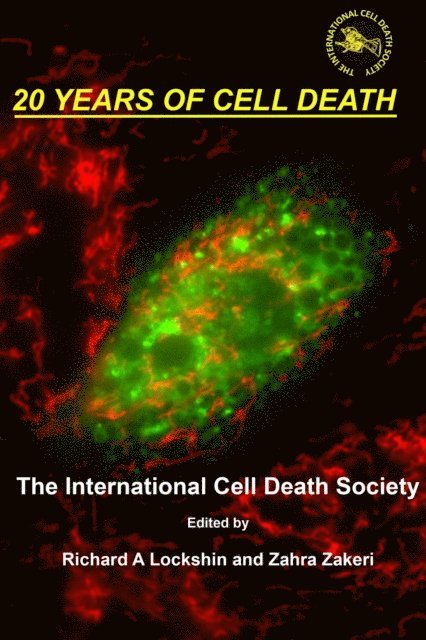
The 2002 Nobel Prize in Physiology or Medicine was awarded to Sydney Brenner (UK),H. Robert Horvitz (US)and John E. Sulston (UK) "for their discoveries concerning genetic regulation of organ development and programmed cell death." Cell death is a fundamental aspect of embryonic development, normal cellular turnover and maintenance of homeostasis (maintaining a stable, constant environment) on the one hand, and aging and disease on the other. This volume addresses the significant advances with the techniques that are being used to analyze cell death.Provides the necessary, trusted methods to carry out this research on the latest techniques. Once researchers understand the molecular mechanisms of the apoptotic pathways, they can begin to develop new therapiesPresents key methods on studying tumors and how these cancer cells evade cell deathEliminates searching through many different sources to avoid pitfalls so the same mistakes are not made over and over
2 098 kr
Skickas inom 7-10 vardagar
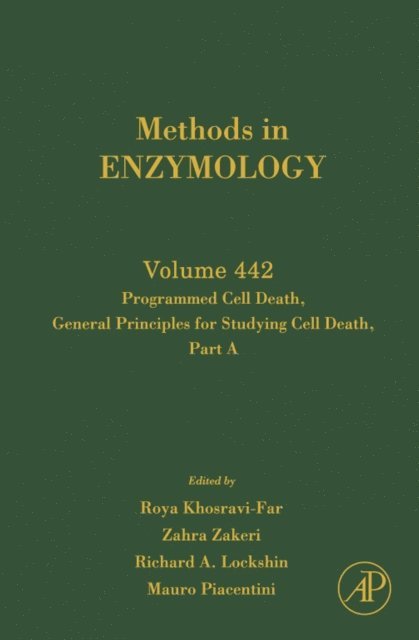
One of the major goals of researchers in the field of apoptosis is to identify targets for novel therapies in cancer, AIDS, and Alzheimer's disease. Understanding the molecular mechanisms of the various components of the apoptotic pathways is the first step to reaching this goal. The 2002 Nobel Prize in Physiology or Medicine was awarded to Sydney Brenner (United Kingdom), H. Robert Horvitz (US) and John E. Sulston (UK) "for their discoveries concerning genetic regulation of organ development and programmed cell death." Cell death is a fundamental aspect of embryonic development, normal cellular turnover and maintenance of homeostasis (maintaining a stable, constant environment) on the one hand, and aging and disease on the other. This volume addresses the significant advances with the techniques that are being used to analyze cell death. This volume provides the necessary, trusted methods to carry out this research on these latest therapeutic techniques. Once researchers understand the molecular mechanisms of the apoptotic pathways, they can begin to develop new therapies Presents key methods on studying tumors and how these cancer cells evade cell death Eliminates searching through many different sources to avoid pitfalls so the same mistakes are not made over and over
3 483 kr
Skickas inom 7-10 vardagar
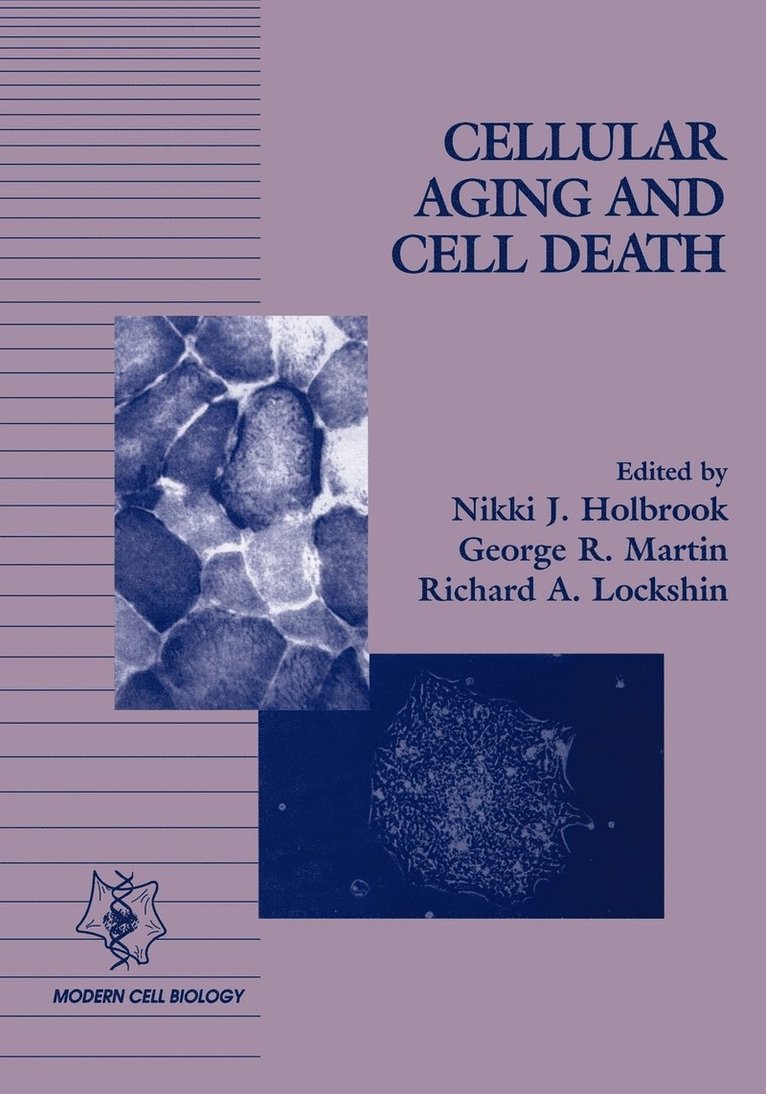
Cellular AGING AND CELL DEATH Edited by Nikki J. Holbrook, George R. Martin, and Richard A.Lockshin Cellular Aging and Cell Death provides a thorough understanding ofthe mechanisms responsible for cellular aging, covering the recentresearch on programmed cell death and senescence, and describingtheir role in the control of cell proliferation and the agingprocess. This one-of-a-kind book is the first to combine the twohottest research areas of cell biology into one comprehensivetext. Leading experts contribute to give readers an authoritativeoverview of the distinct fields of cellular aging and programmedcell death, as well as to demonstrate how both fields are criticalto understanding the aging process. They address the large andgrowing interest in apoptosis, especially with regard to themolecular signals that induce and regulate programmed cell death,and the role of apoptosis in a variety of age-associated diseasesand disabilities. Throughout the book, a strong emphasis is placedon the interrelationship of the molecular, cellular, andphysiological aspects of senescence. Individual chapters discuss such topics as the role and regulationof apoptosis in development, the potential impact of cell death onsuch postmitotic tissues as nerve and muscle, and suggest thatprogrammed cell death plays an important role in both pathologicaland nonpathological aspects of aging, including neurodegenerativediseases. One important chapter focuses on the most recent research involvingthe study of telomeres, whose reduction in length with age and celldivision may underlie cellular senescence. The subject of neuronalcell death is also put into the perspective of aging. Cellular Aging and Cell Death bridges the rapidly growing fields ofcellular aging and programmed cell death. This thorough, yetconcise book will be of particular interest to graduate studentsand researchers within the fields of cell and developmentalbiology, neurobiology, immunology, and physiology. Physicians andmedical students involved in the fields of gerontology andpathology will also find this an informative reference.
When Cells Die II
A Comprehensive Evaluation of Apoptosis and Programmed Cell Death
Inbunden, Engelska, 2004
2 124 kr
Skickas inom 7-10 vardagar
Cell death is fast becoming one of the most dynamic areas of biological research-involving as it does the study of apoptosis and programmed cell death and the role these phenomena play in development and homeostasis on the one hand, and aging and disease on the other. The profound implications for medicine and agriculture from the manipulation of these processes have spawned a deluge of research papers, articles, approaches, and methods-making it difficult for scientists to get an overview of the field.When Cells Die II: A Comprehensive Evaluation of Apoptosis and Programmed Cell Death offers the most thorough, cutting-edge coverage of this field since publication of the acclaimed first edition. Leading international researchers present an up-to-date yet accessible survey ranging from the history of cell death science to its modern methodology. Extensively revised to include major advances in research, this new edition features relevant discussion of:* The impact of genomics and proteomics* Gene therapy and pharmacogenetics* The role of mitochondria* Caspase-independent and non-apoptotic cell death* Evolution of mechanismsWith the manipulation of programmed cell death in clinical situations now in the foreseeable future, When Cells Die II also addresses the role of apoptosis in specific organ systems-the immune system, nervous system, and gastrointestinal tract-as well as different disease states, including viral infection, cancer, and myocardial infarct.Expertly edited to provide detailed cross-referencing, consistency of style, and a logical progression of topics, When Cells Die II is the definitive resource for understanding current cell death science. It will prove an invaluable text for advanced undergraduate, graduate, and medical students, postdoctoral fellows, scientists, and clinicians in cell biology, immunology, developmental biology, neuroscience, and cancer research.
Joy of Science
An Examination of How Scientists Ask and Answer Questions Using the Story of Evolution as a Paradigm
Inbunden, Engelska, 2007
534 kr
Skickas inom 10-15 vardagar
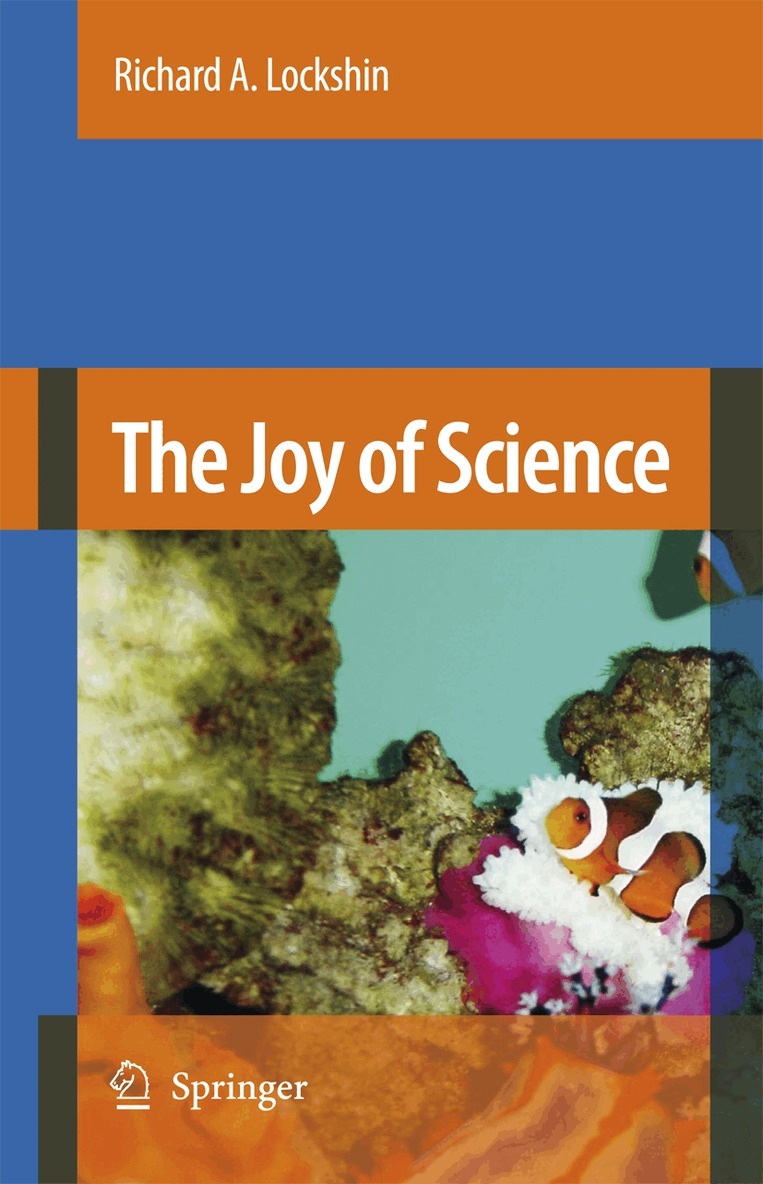
Scientists have great passion. What could be more exhilarating than to go to work every day feeling as if you were once again a nine-year-old called up to he stage to help the magician with his trick? To be a researcher is to always be in the position of having the chance to see how the trick works. No wonder that many researchers feel that each new day is the most exciting day to be a scientist. It therefore is not surprising that scientists have such trouble communicating with non-scientists. It is difficult for the scientist to understand a life not focused on the desire to understand. But the differences are not that. Everyone wants to understand; that is one of the factors that make us human. The difference is more that scientists limit their definition of comprehension to specific rules of logic and evidence. These rules apply and are used in everyday life, but often with less rigor or restrictions on evidence.
Joy of Science
An Examination of How Scientists Ask and Answer Questions Using the Story of Evolution as a Paradigm
Häftad, Engelska, 2010
549 kr
Skickas inom 10-15 vardagar
Scientists have great passion. What could be more exhilarating than to go to work every day feeling as if you were once again a nine-year-old called up to he stage to help the magician with his trick? To be a researcher is to always be in the position of having the chance to see how the trick works. No wonder that many researchers feel that each new day is the most exciting day to be a scientist. It therefore is not surprising that scientists have such trouble communicating with non-scientists. It is difficult for the scientist to understand a life not focused on the desire to understand. But the differences are not that. Everyone wants to understand; that is one of the factors that make us human. The difference is more that scientists limit their definition of comprehension to specific rules of logic and evidence. These rules apply and are used in everyday life, but often with less rigor or restrictions on evidence.