Richard D. Bardgett - Böcker
Visar alla böcker från författaren Richard D. Bardgett. Handla med fri frakt och snabb leverans.
6 produkter
6 produkter
2 019 kr
Skickas inom 5-8 vardagar
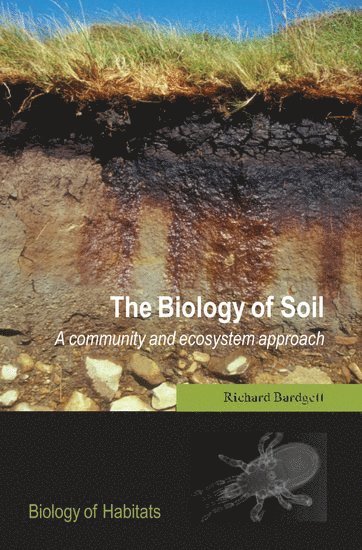
This book is unique in providing a comprehensive, up-to-date synthesis of what is known about soil biodiversity and the factors that regulate its distribution, as well as the functional significance of below-ground biodiversity for ecosystem form and function. It describes the vast diversity of biota that live in the soil environment - the most complex habitat on earth - and discusses the factors that act as determinants of this diversity across different spacial and temporal scales. The Biology of Soil also considers how biotic interactions in soil influence the important soil processes of decomposition and nutrient cycling. It demonstrates how interactions and feedbacks between diverse plant and soil communities act as important drivers of ecosystem form and function. The importance of these relationships for understanding how ecosystems respond to global change phenomena, including climate change, is discussed in depth. Much is still to be learned about the soil biota andtheir roles in ecosystems, and the author highlights some of the many challenges that face ecologists in the exploration of soil. Richard Bardgett has wide experience in soil and terrestrial ecology, and his background of research in many ecosystems is reflected in this book which is the most comprehensive, up-to-date volume currently available in soil ecology. It provides an introduction to the biology of soil, and it also discussed the most recent developments in this progressive field of ecology. The importance of soil biotic interactions or community and ecosystem ecology is illustrated through the use of numerous examples and case studies. The Biology of Soil provides an excellent, easy to read introduction to anyone working in the field of soil ecology and related disciplines, and will be ideal for students taking undergraduate and postgraduate courses in soil ecology, plant-soil relationships, ecosystem ecology, and land management.
1 881 kr
Skickas inom 5-8 vardagar
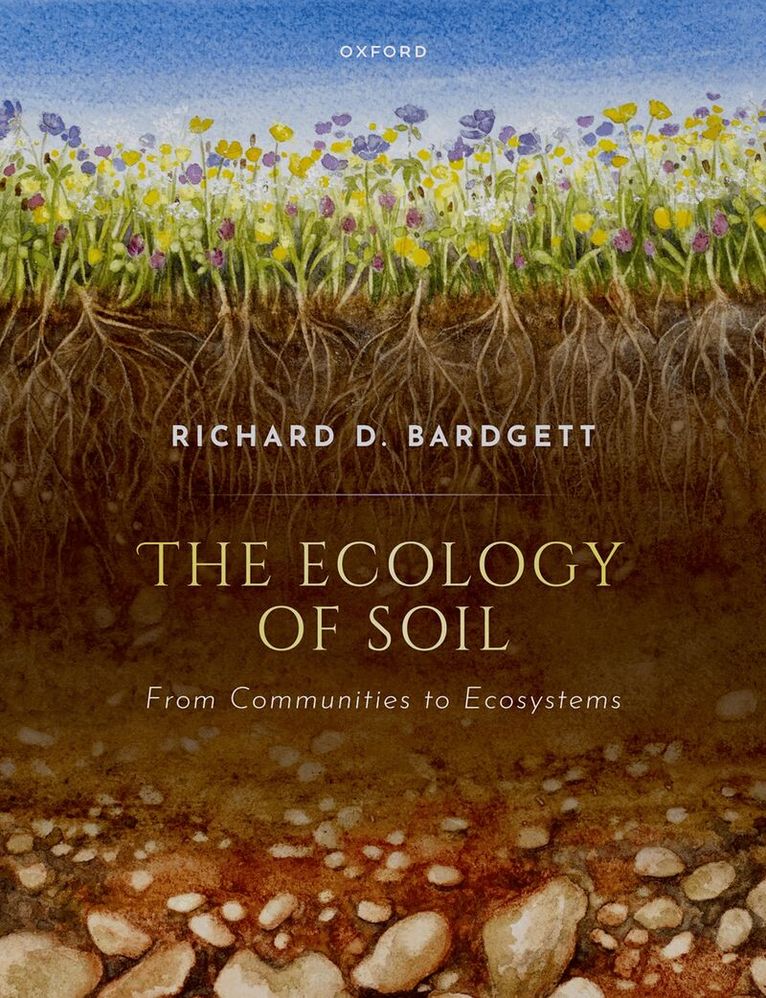
Soil organisms are largely out of sight and mind. Yet, soil is home to a staggering 59% of all species on Earth; species that act as major drivers of the structure and functioning of our vital terrestrial ecosystems. Our understanding of this hidden diversity still lags on what is known about biodiversity above-ground, and it is largely ignored by international biodiversity conventions. But interest in soil biodiversity is booming, reflecting a growing awareness of the importance of soil life for the health of natural and managed ecosystems, and of the many services soil biodiversity provides for a healthy planet. The Ecology of Soil explores what is known about the diversity of life in soil, how it is distributed in space and time, and how interactions between soil organisms, plants, and their consumers shape terrestrial ecosystems. It also provides an assessment of how soil biodiversity and its many functional roles are modified by global change, especially land use and climate change, and how soil ecology knowledge can be harnessed to address sustainability challenges of sustainable agriculture, ecosystem restoration, and climate change mitigation and adaptation. By drawing on a rich diversity of soil ecology knowledge from ecosystems of the world, and from the foundational to the new, this fascinating book provides the most comprehensive and up-to-date assessment of the ecology of soil and its importance for a healthy planet. Detailed and accessible, The Ecology of Soil is suitable for both undergraduate and graduate students, and will inspire any reader to delve deeper into the ecology of soil.
634 kr
Skickas inom 5-8 vardagar
Soil organisms are largely out of sight and mind. Yet, soil is home to a staggering 59% of all species on Earth; species that act as major drivers of the structure and functioning of our vital terrestrial ecosystems. Our understanding of this hidden diversity still lags on what is known about biodiversity above-ground, and it is largely ignored by international biodiversity conventions. But interest in soil biodiversity is booming, reflecting a growing awareness of the importance of soil life for the health of natural and managed ecosystems, and of the many services soil biodiversity provides for a healthy planet. The Ecology of Soil explores what is known about the diversity of life in soil, how it is distributed in space and time, and how interactions between soil organisms, plants, and their consumers shape terrestrial ecosystems. It also provides an assessment of how soil biodiversity and its many functional roles are modified by global change, especially land use and climate change, and how soil ecology knowledge can be harnessed to address sustainability challenges of sustainable agriculture, ecosystem restoration, and climate change mitigation and adaptation. By drawing on a rich diversity of soil ecology knowledge from ecosystems of the world, and from the foundational to the new, this fascinating book provides the most comprehensive and up-to-date assessment of the ecology of soil and its importance for a healthy planet. Detailed and accessible, The Ecology of Soil is suitable for both undergraduate and graduate students, and will inspire any reader to delve deeper into the ecology of soil.
Aboveground-Belowground Linkages
Biotic Interactions, Ecosystem Processes, and Global Change
Häftad, Engelska, 2010
974 kr
Skickas inom 7-10 vardagar
Aboveground-Belowground Linkages provides the most up-to-date and comprehensive synthesis of recent advances in our understanding of the roles that interactions between aboveground and belowground communities play in regulating the structure and function of terrestrial ecosystems, and their responses to global change. It charts the historical development of this field of ecology and evaluates what can be learned from the recent proliferation of studies on the ecological and biogeochemical significance of aboveground-belowground linkages. The book is structured around four key topics: biotic interactions in the soil; plant community effects; the role of aboveground consumers; and the influence of species gains and losses. A concluding chapter draws together this information and identifies a number of cross-cutting themes, including consideration of aboveground-belowground feedbacks that occur at different spatial and temporal scales, the consequences of these feedbacks for ecosystem processes, and how aboveground-belowground interactions link to human-induced global change.
2 454 kr
Skickas inom 5-8 vardagar
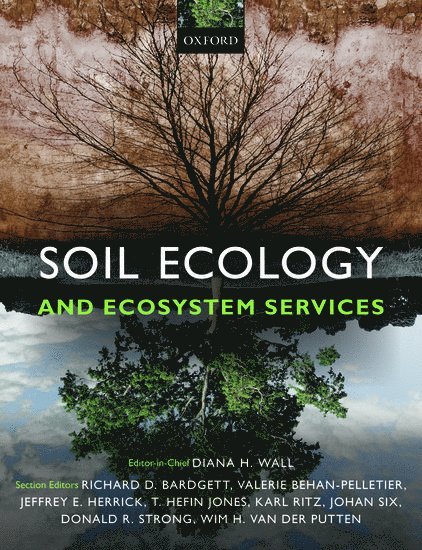
This multi-contributor, international volume synthesizes contributions from the world's leading soil scientists and ecologists, describing cutting-edge research that provides a basis for the maintenance of soil health and sustainability. The book covers these advances from a unique perspective of examining the ecosystem services produced by soil biota across different scales - from biotic interactions at microscales to communities functioning at regional and global scales. The book leads the user towards an understanding of how the sustainability of soils, biodiversity, and ecosystem services can be maintained and how humans, other animals, and ecosystems are dependent on living soils and ecosystem services.
1 092 kr
Skickas inom 7-10 vardagar
This multi-contributor, international volume synthesizes contributions from the world's leading soil scientists and ecologists, describing cutting-edge research that provides a basis for the maintenance of soil health and sustainability. The book covers these advances from a unique perspective of examining the ecosystem services produced by soil biota across different scales - from biotic interactions at microscales to communities functioning at regional and global scales. The book leads the user towards an understanding of how the sustainability of soils, biodiversity, and ecosystem services can be maintained and how humans, other animals, and ecosystems are dependent on living soils and ecosystem services.This is a valuable reference book for academic libraries and professional ecologists worldwide as a statement of progress in the broad field of soil ecology. It will also be of interest to both upper level undergraduate and graduate students taking courses in soil ecology, as well as academic researchers and professionals in the field requiring an authoritative, balanced, and up-to-date overview of this fast expanding topic.