Richard M. Gale – författare
Visar alla böcker från författaren Richard M. Gale. Handla med fri frakt och snabb leverans.
18 produkter
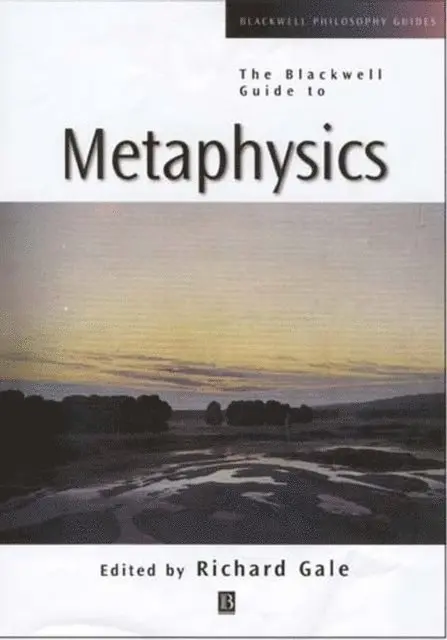
Blackwell Guide to Metaphysics
E-bok, 2008
1955 kr
Lägg i varukorg
The Blackwell Guide to Metaphysics is a definitive introduction to the core areas of metaphysics. It brings together sixteen internationally respected philosophers that demonstrate how metaphysics is done as they examine topics including causation, temporality, ontology, personal identity, …
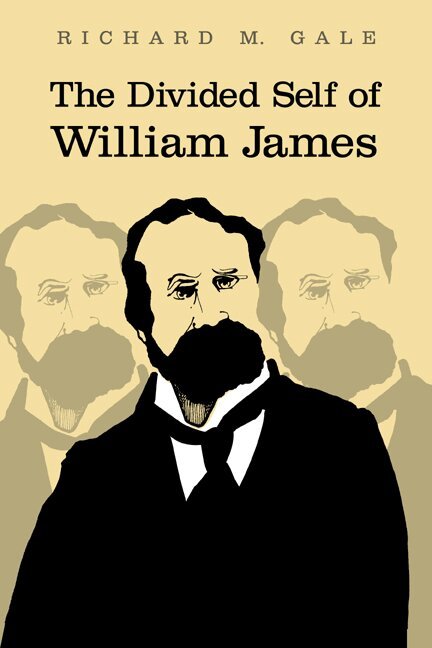
The Divided Self of William James
Häftad, 2007
699 kr
Lägg i varukorg
This book offers a powerful interpretation of the philosophy of William James. It focuses on the multiple directions in which James's philosophy moves and the inevitable contradictions that arise as a result. The first part of the book explores a range of James's doctrines in which he refuses to …
On the Nature and Existence of God
Häftad, 1993
764 kr
Lägg i varukorg
There has been in recent years a plethora of defences of theism from analytical philosophers: Richard Gale's important book is a critical response to these writings. New versions of cosmological, ontological, and religious experience arguments are critically evaluated, along with pragmatic …
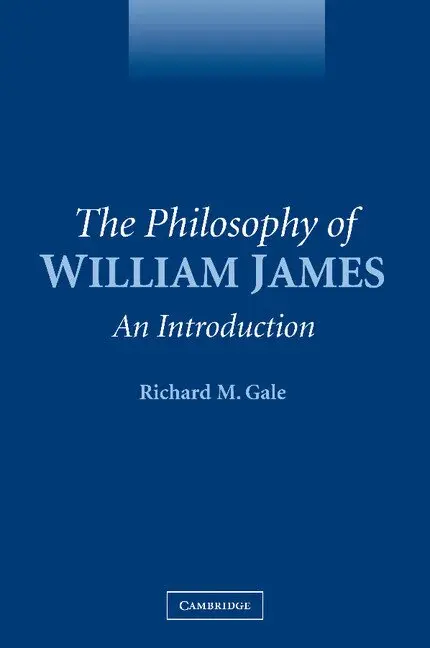
The Philosophy of William James
An Introduction
Häftad, 2004
471 kr
Lägg i varukorg
This 2004 book is an accessible introduction to the full range of the philosophy of William James. It portrays that philosophy as containing a deep division between a Promethean type of pragmatism and a passive mysticism. The pragmatist James conceives of truth and meaning as a means to control …
The Divided Self of William James
Inbunden, 1999
1465 kr
Lägg i varukorg
This book offers a powerful interpretation of the philosophy of William James. It focuses on the multiple directions in which James's philosophy moves and the inevitable contradictions that arise as a result. The first part of the book explores a range of James's doctrines in which he refuses to …
The Philosophy of William James
An Introduction
Inbunden, 2004
1188 kr
Lägg i varukorg
This 2004 book is an accessible introduction to the full range of the philosophy of William James. It portrays that philosophy as containing a deep division between a Promethean type of pragmatism and a passive mysticism. The pragmatist James conceives of truth and meaning as a means to control …
Blackwell Guide to Metaphysics
Inbunden, 2002
1688 kr
Lägg i varukorg
The Blackwell Guide to Metaphysics is a definitive introduction to the core areas of metaphysics. It brings together sixteen internationally respected philosophers that demonstrate how metaphysics is done as they examine topics including causation, temporality, ontology, personal identity, …
Blackwell Guide to Metaphysics
Av Gale, Richard M. Gale
Häftad, 2002
539 kr
Lägg i varukorg
The Blackwell Guide to Metaphysics is a definitive introduction to the core areas of metaphysics. It brings together sixteen internationally respected philosophers that demonstrate how metaphysics is done as they examine topics including causation, temporality, ontology, personal identity, …
Language of Time
Inbunden, 2025
1524 kr
Lägg i varukorg
First published in 1968, The Language of Time clarifies certain large-scale features of ordinary or common-sense concept of time by using linguistic analysis or ordinary language philosophy. The author does so by studying the language of time in its everyday employment. The book is divided into …
Language of Time
Häftad, 2026
467 kr
Kommande
First published in 1968, The Language of Time clarifies certain large-scale features of ordinary or common-sense concept of time by using linguistic analysis or ordinary language philosophy. The author does so by studying the language of time in its everyday employment. The book is divided into …
Language of Time
E-bok, 2025
1000 kr
Lägg i varukorg
First published in 1968, The Language of Time clarifies certain large-scale features of ordinary or common-sense concept of time by using linguistic analysis or ordinary language philosophy. The author does so by studying the language of time in its everyday employment. The book is divided into …
Language of Time
E-bok, 2025
1022 kr
Lägg i varukorg
First published in 1968, The Language of Time clarifies certain large-scale features of ordinary or common-sense concept of time by using linguistic analysis or ordinary language philosophy. The author does so by studying the language of time in its everyday employment. The book is divided into …
On the Nature and Existence of God
Inbunden, 2016
1322 kr
Lägg i varukorg
First published in 1991, Richard M. Gale's classic book is a response to and critique of new, contemporary arguments for the existence of God from analytical philosophers. Considering concepts including time, free will, personhood, actuality and the objectivity of experience, Gale evaluates the new …
On the Nature and Existence of God
Häftad, 2016
439 kr
Lägg i varukorg
First published in 1991, Richard M. Gale's classic book is a response to and critique of new, contemporary arguments for the existence of God from analytical philosophers. Considering concepts including time, free will, personhood, actuality and the objectivity of experience, Gale evaluates the new …
On the Nature and Existence of God
E-bok, 2016
424 kr
Lägg i varukorg
First published in 1991, Richard M. Gale''s classic book is a response to and critique of new, contemporary arguments for the existence of God from analytical philosophers. Considering concepts including time, free will, personhood, actuality and the objectivity of experience, Gale evaluates the …
On the Nature and Existence of God
E-bok, 2016
424 kr
Lägg i varukorg
First published in 1991, Richard M. Gale''s classic book is a response to and critique of new, contemporary arguments for the existence of God from analytical philosophers. Considering concepts including time, free will, personhood, actuality and the objectivity of experience, Gale evaluates the …
John Dewey's Quest for Unity
The Journey of a Promethean Mystic
Inbunden, 2008
366 kr
Tillfälligt slut
In this appreciation of John Dewey's enormous contribution to American philosophy, Richard M Gale argues that what makes Dewey's philosophy unique and exciting is his attempt to synthesize what Gale calls 'Prometheanism' with Dewey's unique brand of mysticism. As Gale points out, Dewey celebrated …