Richard Monson-Haefel – författare
306 kr
Läs direkt efter köp
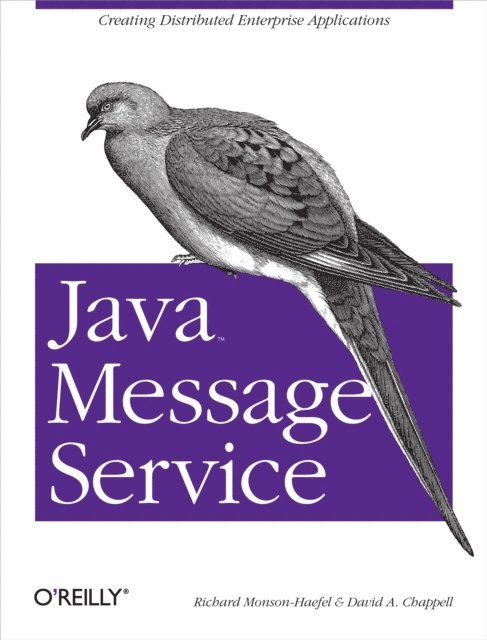
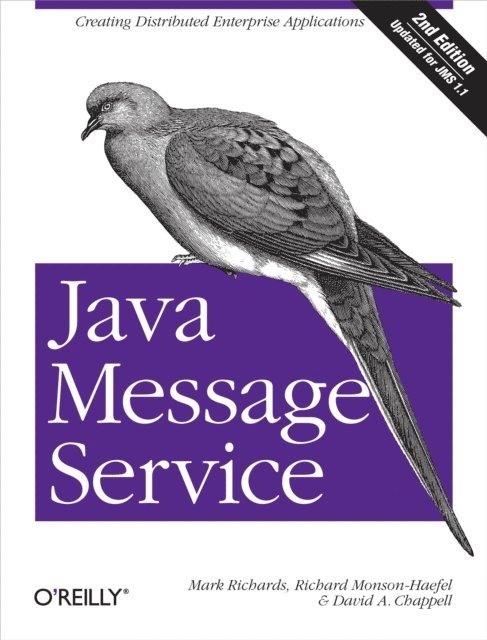
This book is a thorough introduction to Java Message Service (JMS), the standard Java application program interface (API) from Sun Microsystems that supports the formal communication known as "messaging" between computers in a network. JMS provides a common interface to standard messaging protocols and to special messaging services in support of Java programs. The messages exchange crucial data between computers, rather than between users--information such as event notification and service requests. Messaging is often used to coordinate programs in dissimilar systems or written in different programming languages.Using the JMS interface, a programmer can invoke the messaging services of IBM''s MQSeries, Progress Software''s SonicMQ, and other popular messaging product vendors. In addition, JMS supports messages that contain serialized Java objects and messages that contain Extensible Markup Language (XML) pages.Messaging is a powerful new paradigm that makes it easier to uncouple different parts of an enterprise application. Messaging clients work by sending messages to a message server, which is responsible for delivering the messages to their destination. Message delivery is asynchronous, meaning that the client can continue working without waiting for the message to be delivered. The contents of the message can be anything from a simple text string to a serialized Java object or an XML document.Java Message Service shows how to build applications using the point-to-point and publish-and-subscribe models; how to use features like transactions and durable subscriptions to make an application reliable; and how to use messaging within Enterprise JavaBeans. It also introduces a new EJB type, the MessageDrivenBean, that is part of EJB 2.0, and discusses integration of messaging into J2EE.
436 kr
Läs direkt efter köp
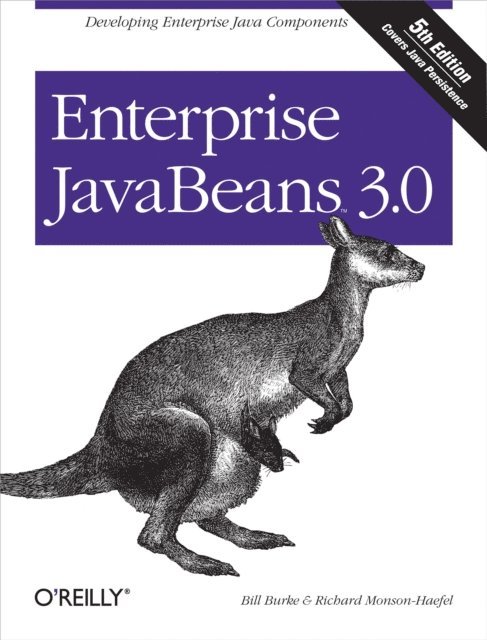
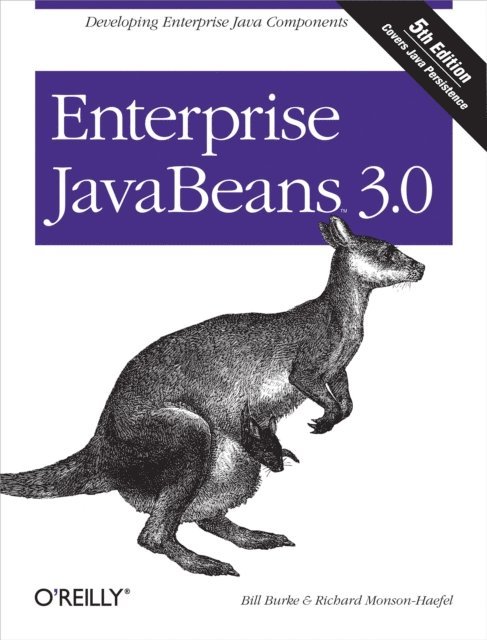
If you''re up on the latest Java technologies, then you know that Enterprise JavaBeans (EJB) 3.0 is the hottest news in Java this year. In fact, EJB 3.0 is being hailed as the new standard of server-side business logic programming. And O''Reilly''s award-winning book on EJB has been refreshed just in time to capitalize on the technology''s latest rise in popularity.
This fifth edition, written by Bill Burke and Richard Monson-Haefel, has been updated to capture the very latest need-to-know Java technologies in the same award-winning fashion that drove the success of the previous four strong-selling editions. Bill Burke, Chief Architect at JBoss, Inc., represents the company on the EJB 3.0 and Java EE 5 specification committees. Richard Monson-Haefel is one of the world''s leading experts on Enterprise Java.
Enterprise JavaBeans 3.0, 5th Edition is organized into two parts: the technical manuscript followed by the JBoss workbook. The technical manuscript explains what EJB is, how it works, and when to use it. The JBoss workbook provides step-by-step instructions for installing, configuring, and running the examples from the manuscript on the JBoss 4.0 Application Server.
Although EJB makes application development much simpler, it''s still a complex and ambitious technology that requires a great deal of time to study and master. But now, thanks to Enterprise JavaBeans 3.0, 5th Edition, you can overcome the complexities of EJBs and learn from hundreds of practical examples that are largeenough to test key concepts but small enough to be taken apart and explained in the detail that you need. Now you can harness the complexity of EJB with just a single resource by your side.
268 kr
Skickas inom 5-8 vardagar
306 kr
Läs direkt efter köp
This book is a thorough introduction to Java Message Service (JMS), the standard Java application program interface (API) from Sun Microsystems that supports the formal communication known as "messaging" between computers in a network. JMS provides a common interface to standard messaging protocols and to special messaging services in support of Java programs. The messages exchange crucial data between computers, rather than between users--information such as event notification and service requests. Messaging is often used to coordinate programs in dissimilar systems or written in different programming languages.Using the JMS interface, a programmer can invoke the messaging services of IBM''s MQSeries, Progress Software''s SonicMQ, and other popular messaging product vendors. In addition, JMS supports messages that contain serialized Java objects and messages that contain Extensible Markup Language (XML) pages.Messaging is a powerful new paradigm that makes it easier to uncouple different parts of an enterprise application. Messaging clients work by sending messages to a message server, which is responsible for delivering the messages to their destination. Message delivery is asynchronous, meaning that the client can continue working without waiting for the message to be delivered. The contents of the message can be anything from a simple text string to a serialized Java object or an XML document.Java Message Service shows how to build applications using the point-to-point and publish-and-subscribe models; how to use features like transactions and durable subscriptions to make an application reliable; and how to use messaging within Enterprise JavaBeans. It also introduces a new EJB type, the MessageDrivenBean, that is part of EJB 2.0, and discusses integration of messaging into J2EE.
341 kr
Läs direkt efter köp
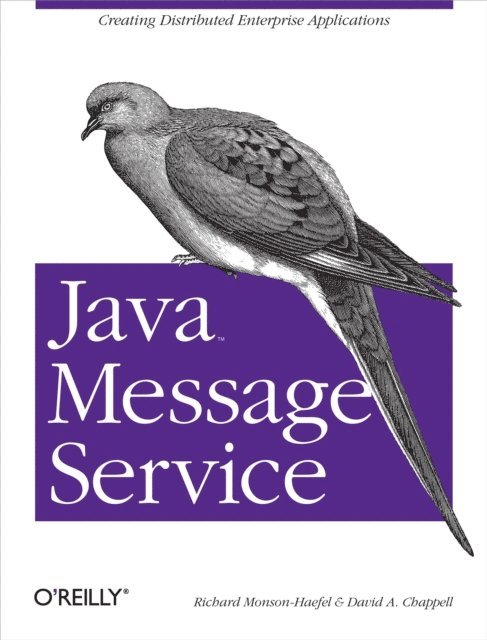
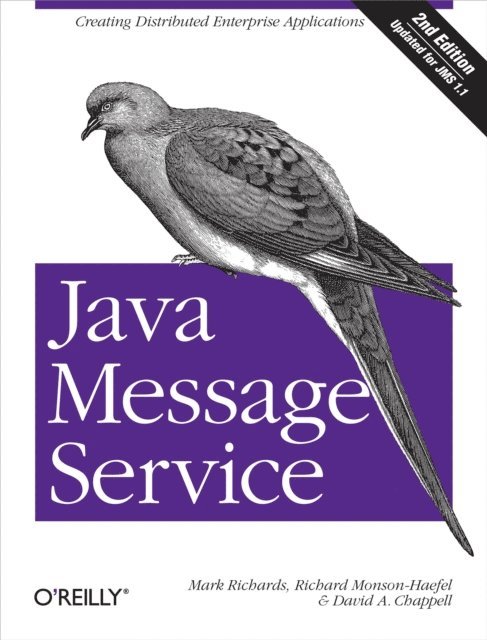
Java Message Service, Second Edition, is a thorough introduction to the standard API that supports "messaging" -- the software-to-software exchange of crucial data among network computers. You''ll learn how JMS can help you solve many architectural challenges, such as integrating dissimilar systems and applications, increasing scalability, eliminating system bottlenecks, supporting concurrent processing, and promoting flexibility and agility.Updated for JMS 1.1, this second edition also explains how this vendor-agnostic specification will help you write messaging-based applications using IBM''s MQ, Progress Software''s SonicMQ, ActiveMQ, and many other proprietary messaging services.With Java Message Service, you will:
Build applications using point-to-point and publish-and-subscribe messaging modelsUse features such as transactions and durable subscriptions to make an application reliableImplement messaging within Enterprise JavaBeans (EJB) using message-driven beansUse JMS with RESTful applications and with the Spring application frameworkMessaging is a powerful paradigm that makes it easier to uncouple different parts of an enterprise application. Java Message Service, Second Edition, will quickly teach you how to use the key technology that lies behind it.
306 kr
Läs direkt efter köp
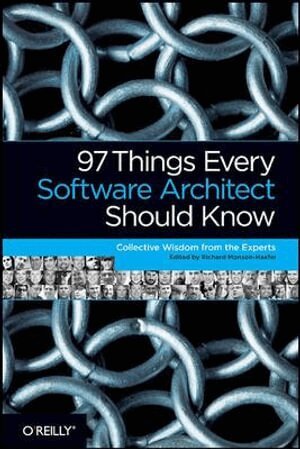
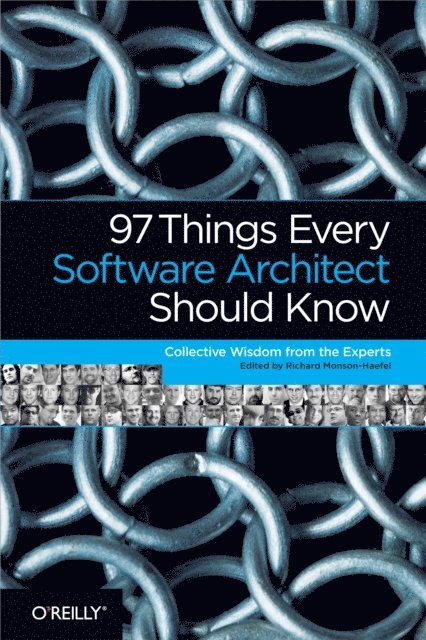
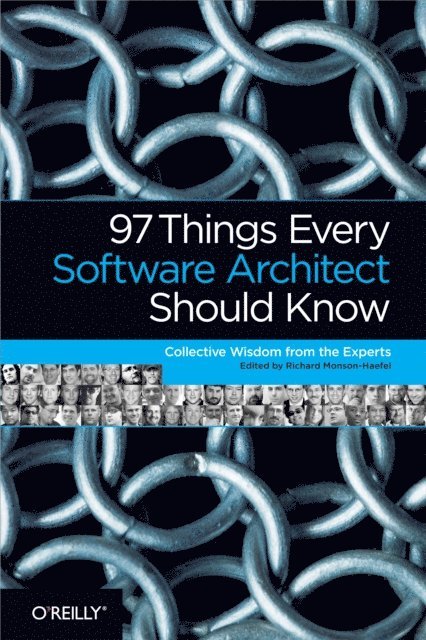
In this truly unique technical book, today''s leading software architects present valuable principles on key development issues that go way beyond technology. More than four dozen architects -- including Neal Ford, Michael Nygard, and Bill de hOra -- offer advice for communicating with stakeholders, eliminating complexity, empowering developers, and many more practical lessons they''ve learned from years of experience. Among the 97 principles in this book, you''ll find useful advice such as:
Don''t Put Your Resume Ahead of the Requirements (Nitin Borwankar)Chances Are, Your Biggest Problem Isn''t Technical (Mark Ramm)Communication Is King; Clarity and Leadership, Its Humble Servants (Mark Richards)Simplicity Before Generality, Use Before Reuse (Kevlin Henney)For the End User, the Interface Is the System (Vinayak Hegde)It''s Never Too Early to Think About Performance (Rebecca Parsons)To be successful as a software architect, you need to master both business and technology. This book tells you what top software architects think is important and how they approach a project. If you want to enhance your career, 97 Things Every Software Architect Should Know is essential reading.
405 kr
Läs direkt efter köp
If you''re up on the latest Java technologies, then you know that Enterprise JavaBeans (EJB) 3.0 is the hottest news in Java this year. In fact, EJB 3.0 is being hailed as the new standard of server-side business logic programming. And O''Reilly''s award-winning book on EJB has been refreshed just in time to capitalize on the technology''s latest rise in popularity.
This fifth edition, written by Bill Burke and Richard Monson-Haefel, has been updated to capture the very latest need-to-know Java technologies in the same award-winning fashion that drove the success of the previous four strong-selling editions. Bill Burke, Chief Architect at JBoss, Inc., represents the company on the EJB 3.0 and Java EE 5 specification committees. Richard Monson-Haefel is one of the world''s leading experts on Enterprise Java.
Enterprise JavaBeans 3.0, 5th Edition is organized into two parts: the technical manuscript followed by the JBoss workbook. The technical manuscript explains what EJB is, how it works, and when to use it. The JBoss workbook provides step-by-step instructions for installing, configuring, and running the examples from the manuscript on the JBoss 4.0 Application Server.
Although EJB makes application development much simpler, it''s still a complex and ambitious technology that requires a great deal of time to study and master. But now, thanks to Enterprise JavaBeans 3.0, 5th Edition, you can overcome the complexities of EJBs and learn from hundreds of practical examples that are largeenough to test key concepts but small enough to be taken apart and explained in the detail that you need. Now you can harness the complexity of EJB with just a single resource by your side.
344 kr
Läs direkt efter köp
In this truly unique technical book, today''s leading software architects present valuable principles on key development issues that go way beyond technology. More than four dozen architects -- including Neal Ford, Michael Nygard, and Bill de hOra -- offer advice for communicating with stakeholders, eliminating complexity, empowering developers, and many more practical lessons they''ve learned from years of experience. Among the 97 principles in this book, you''ll find useful advice such as:
Don''t Put Your Resume Ahead of the Requirements (Nitin Borwankar)Chances Are, Your Biggest Problem Isn''t Technical (Mark Ramm)Communication Is King; Clarity and Leadership, Its Humble Servants (Mark Richards)Simplicity Before Generality, Use Before Reuse (Kevlin Henney)For the End User, the Interface Is the System (Vinayak Hegde)It''s Never Too Early to Think About Performance (Rebecca Parsons)To be successful as a software architect, you need to master both business and technology. This book tells you what top software architects think is important and how they approach a project. If you want to enhance your career, 97 Things Every Software Architect Should Know is essential reading.
319 kr
Läs direkt efter köp
Java Message Service, Second Edition, is a thorough introduction to the standard API that supports "messaging" -- the software-to-software exchange of crucial data among network computers. You''ll learn how JMS can help you solve many architectural challenges, such as integrating dissimilar systems and applications, increasing scalability, eliminating system bottlenecks, supporting concurrent processing, and promoting flexibility and agility.Updated for JMS 1.1, this second edition also explains how this vendor-agnostic specification will help you write messaging-based applications using IBM''s MQ, Progress Software''s SonicMQ, ActiveMQ, and many other proprietary messaging services.With Java Message Service, you will:
Build applications using point-to-point and publish-and-subscribe messaging modelsUse features such as transactions and durable subscriptions to make an application reliableImplement messaging within Enterprise JavaBeans (EJB) using message-driven beansUse JMS with RESTful applications and with the Spring application frameworkMessaging is a powerful paradigm that makes it easier to uncouple different parts of an enterprise application. Java Message Service, Second Edition, will quickly teach you how to use the key technology that lies behind it.