Richard Rojcewicz - Böcker
Visar alla böcker från författaren Richard Rojcewicz. Handla med fri frakt och snabb leverans.
11 produkter
11 produkter
847 kr
Skickas inom 7-10 vardagar
This volume of the collected writings of John Sallis presents a two-semester lecture course on Maurice Merleau-Ponty given at Duquesne University from 1970 to 1971. Devoted primarily to a close reading of the French philosopher's magnum opus, Phenomenology of Perception, the course begins with a detailed analysis of The Structure of Behavior. The central topics considered in the lectures include the functions of the phenomenological body; beyond realism and idealism; the structures of the lived world; spatiality, temporality, language, sexuality; and perception and knowledge. Sallis illuminates Merleau-Ponty's first two works and offers a thread to follow through developments in his later essays. Merleau-Ponty's notion of the primacy of perception and his claim that "the end of a philosophy is the account of its beginning" are woven throughout the lectures. For Sallis's part, these lectures are foundational for his extended engagement with Merleau-Ponty's The Visible and the Invisible, which was published in Sallis's Phenomenology and the Return to Beginnings.
309 kr
Skickas inom 7-10 vardagar
This volume of the collected writings of John Sallis presents a two-semester lecture course on Maurice Merleau-Ponty given at Duquesne University from 1970 to 1971. Devoted primarily to a close reading of the French philosopher's magnum opus, Phenomenology of Perception, the course begins with a detailed analysis of The Structure of Behavior. The central topics considered in the lectures include the functions of the phenomenological body; beyond realism and idealism; the structures of the lived world; spatiality, temporality, language, sexuality; and perception and knowledge. Sallis illuminates Merleau-Ponty's first two works and offers a thread to follow through developments in his later essays. Merleau-Ponty's notion of the primacy of perception and his claim that "the end of a philosophy is the account of its beginning" are woven throughout the lectures. For Sallis's part, these lectures are foundational for his extended engagement with Merleau-Ponty's The Visible and the Invisible, which was published in Sallis's Phenomenology and the Return to Beginnings.
899 kr
Skickas inom 7-10 vardagar
This volume of the Collected Writings of John Sallis presents his lecture courses on Kant. Each course was devoted respectively to one of Kant's three Critiques, and so the book as a whole treats the entirety of the Kantian critical project. Sallis displays here, as he does in all his lecture courses, an uncanny ability to open up dense philosophical texts. The matters Kant deals with—in theoretical, practical, and aesthetic philosophy—are difficult in themselves, and Kant's writings might at times seem so convoluted as to magnify the difficulty. Sallis patiently and successfully lays out the issues and the critical approach to them, such that the reader is led step by step into the very core of Kant's spirit of critique. This volume makes Kant accessible to students, while the most advanced scholars will also profit from it.
361 kr
Skickas inom 7-10 vardagar
This volume of the Collected Writings of John Sallis presents his lecture courses on Kant. Each course was devoted respectively to one of Kant's three Critiques, and so the book as a whole treats the entirety of the Kantian critical project. Sallis displays here, as he does in all his lecture courses, an uncanny ability to open up dense philosophical texts. The matters Kant deals with—in theoretical, practical, and aesthetic philosophy—are difficult in themselves, and Kant's writings might at times seem so convoluted as to magnify the difficulty. Sallis patiently and successfully lays out the issues and the critical approach to them, such that the reader is led step by step into the very core of Kant's spirit of critique. This volume makes Kant accessible to students, while the most advanced scholars will also profit from it.
794 kr
Skickas inom 7-10 vardagar
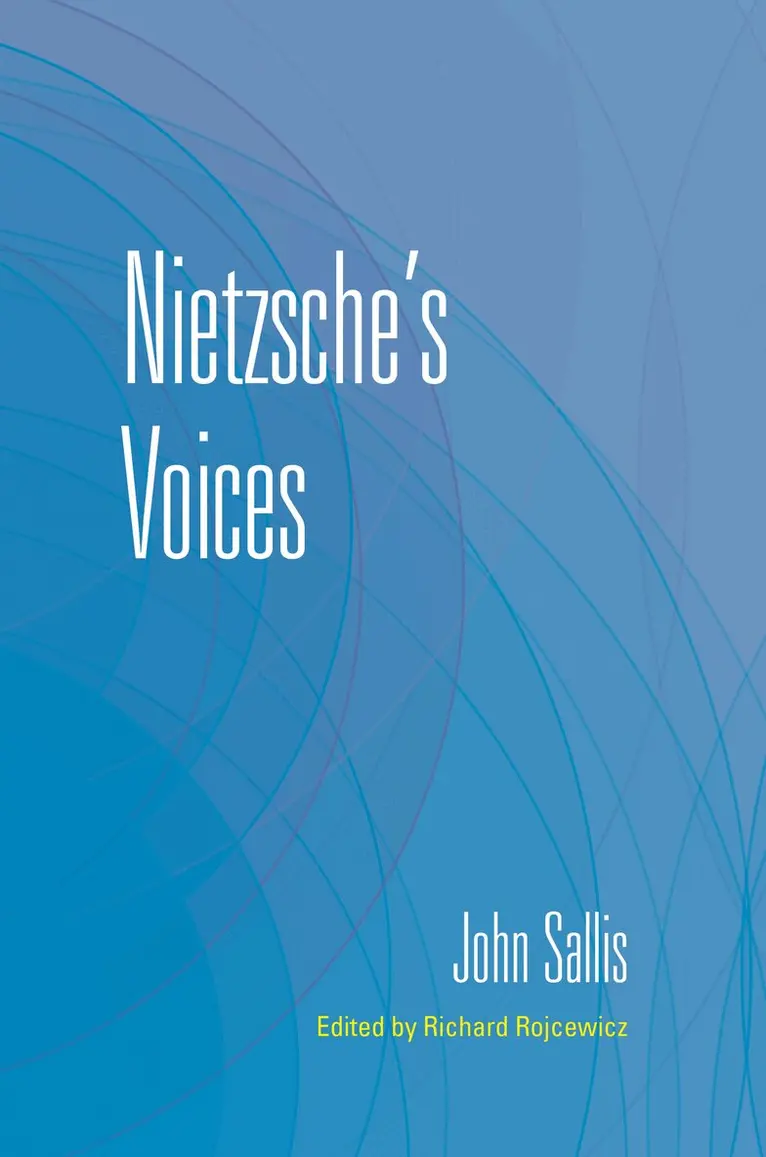
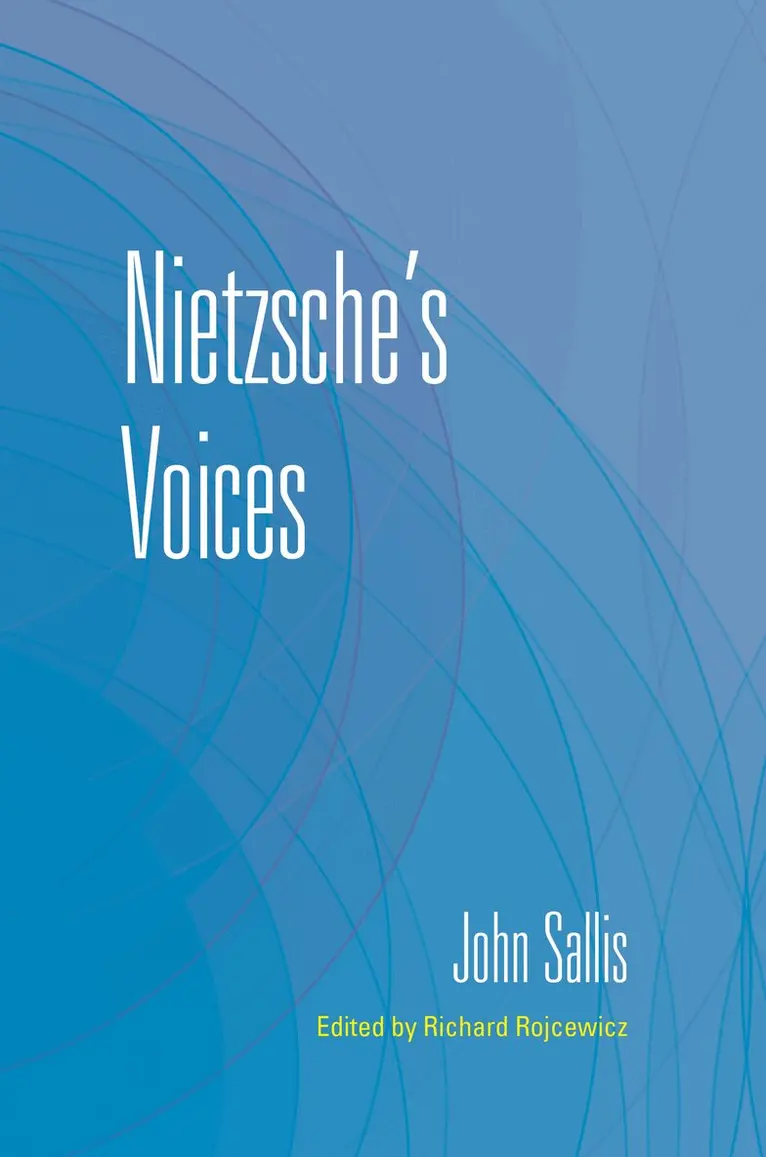
Nietzsche's Voices, a much-anticipated volume of the Collected Writings of John Sallis, presents his two-semester lecture course on Nietzsche offered in the Philosophy Department of Duquesne University during the school year 1971–72."Nietzsche is easy to read; his is apparently the easiest of all the great philosophies. Yet the easy intelligibility is deceptive. Nietzsche's writings make us believe we have understood when in fact we have not. His philosophy is actually the exact opposite of easy," says Sallis. With this warning always in mind, Sallis first discusses Nietzsche's life and the relevance of the ancient Greeks to his thought and then analyzes Nietzsche's views on truth, history, morality, and the death of God. The entire second half of the book is devoted to Nietzsche's main work, the tragic, comedic, poetic Thus Spoke Zarathustra.Nietzsche's Voices offers a sensitive and brilliant introduction to the thought of Friedrich Nietzsche, as presented by one of today's most significant philosophers.
361 kr
Skickas inom 7-10 vardagar
Nietzsche's Voices, a much-anticipated volume of the Collected Writings of John Sallis, presents his two-semester lecture course on Nietzsche offered in the Philosophy Department of Duquesne University during the school year 1971–72."Nietzsche is easy to read; his is apparently the easiest of all the great philosophies. Yet the easy intelligibility is deceptive. Nietzsche's writings make us believe we have understood when in fact we have not. His philosophy is actually the exact opposite of easy," says Sallis. With this warning always in mind, Sallis first discusses Nietzsche's life and the relevance of the ancient Greeks to his thought and then analyzes Nietzsche's views on truth, history, morality, and the death of God. The entire second half of the book is devoted to Nietzsche's main work, the tragic, comedic, poetic Thus Spoke Zarathustra.Nietzsche's Voices offers a sensitive and brilliant introduction to the thought of Friedrich Nietzsche, as presented by one of today's most significant philosophers.
433 kr
Skickas inom 10-15 vardagar
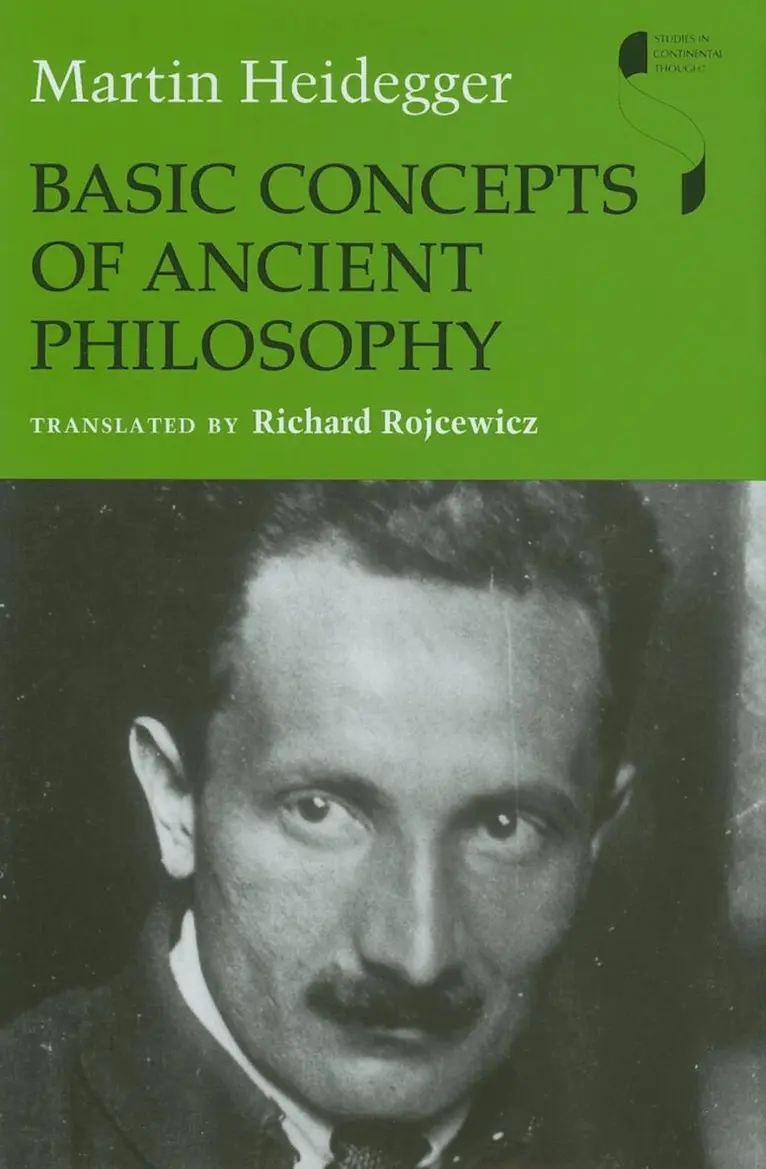
Basic Concepts of Ancient Philosophy presents a lecture course given by Martin Heidegger in 1926 at the University of Marburg. First published in German as volume 22 of the collected works, the book provides Heidegger's most systematic history of Ancient philosophy beginning with Thales and ending with Aristotle. In this lecture, which coincides with the completion of his most important work, Being and Time, Heidegger is working out a way to sharply differentiate between beings and Being. Richard Rojcewicz's clear and accurate translation offers English-speaking readers valuable insight into Heidegger's views on Ancient thought and concepts such as principle, cause, nature, unity, multiplicity, Logos, truth, science, soul, category, and motion.
1 057 kr
Tillfälligt slut
An analysis of Heidegger's philosophy of technology.The Gods and Technology is a careful and original reading of the principal statement of Martin Heidegger's philosophy of technology, the essay Die Frage nach der Technik ("The question concerning technology"). That essay is a rich one, and Richard Rojcewicz's goal is to mine it for the treasures only a close reading of the original German text can bring out. Rojcewicz shows how the issue of technology is situated at the very heart of Heidegger's philosophical enterprise; especially for the late Heidegger, the philosophy of technology is a philosophy of Being, or of the gods.For Heidegger, technology is not applied knowledge, but the most basic knowledge, of which science, for example, is an application. The ultimate goal of this study, and, as Rojcewicz writes, of Heidegger's thought, is practical: to find the appropriate response to the challenges of the modern age, to learn to live in a technological world without falling victim to the thrall of technological things.
382 kr
Tillfälligt slut
An analysis of Heidegger's philosophy of technology.The Gods and Technology is a careful and original reading of the principal statement of Martin Heidegger's philosophy of technology, the essay Die Frage nach der Technik ("The question concerning technology"). That essay is a rich one, and Richard Rojcewicz's goal is to mine it for the treasures only a close reading of the original German text can bring out. Rojcewicz shows how the issue of technology is situated at the very heart of Heidegger's philosophical enterprise; especially for the late Heidegger, the philosophy of technology is a philosophy of Being, or of the gods.For Heidegger, technology is not applied knowledge, but the most basic knowledge, of which science, for example, is an application. The ultimate goal of this study, and, as Rojcewicz writes, of Heidegger's thought, is practical: to find the appropriate response to the challenges of the modern age, to learn to live in a technological world without falling victim to the thrall of technological things.
1 142 kr
Skickas inom 10-15 vardagar
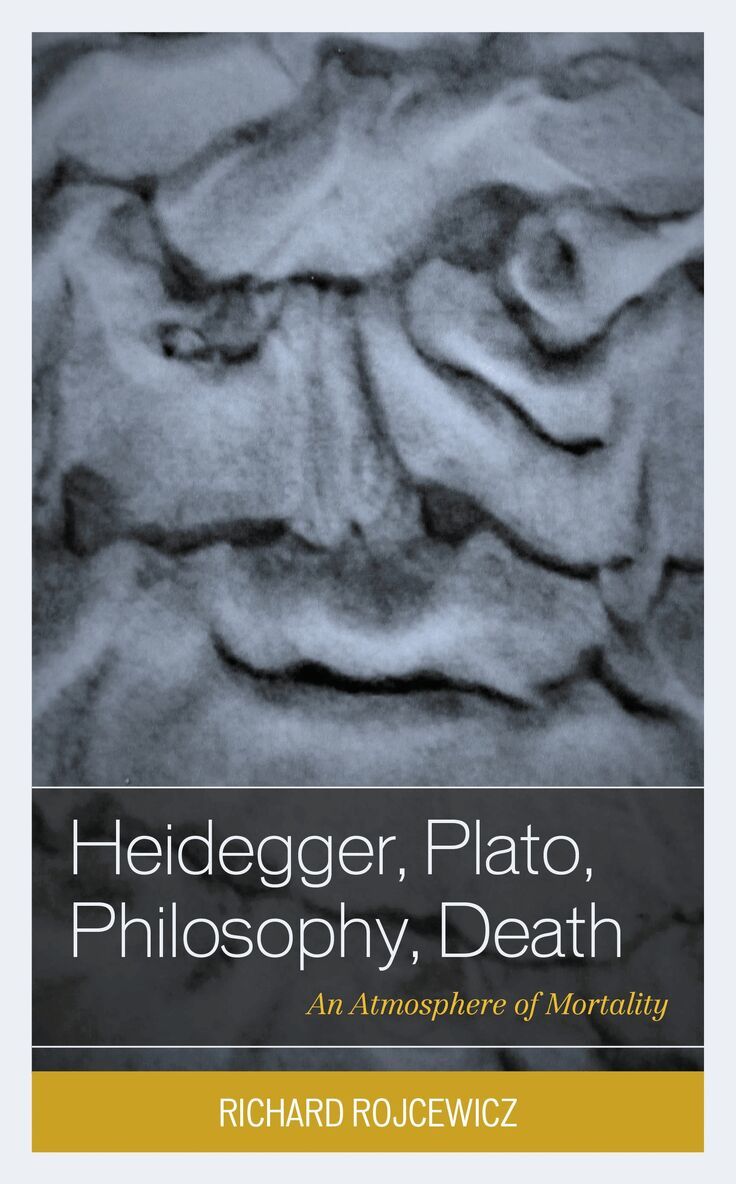
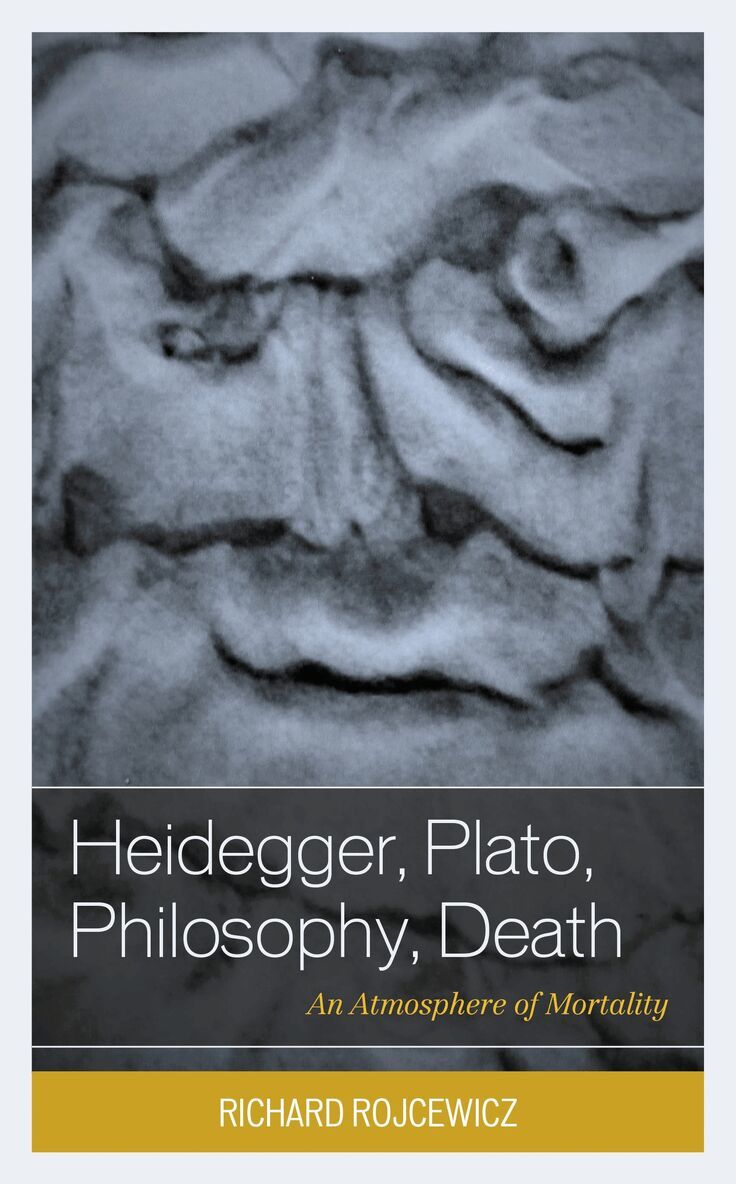
Richard Rojcewicz’s Heidegger, Plato, Philosophy, Death: An Atmosphere of Mortality offers an original perspective on the bond between philosophy and death in the thought of Martin Heidegger and Plato. For Heidegger, authentic being-toward-death is not preoccupation with death as such, nor resoluteness in the face of one's demise, but preoccupation with the meaning of the beings—ourselves—who comport themselves understandingly toward death and who breathe an atmosphere of mortality. Authentic dying is then nothing other than the practice of philosophy. For Plato, philosophy is the practice of dying, the separating of the soul to its own autonomous existence. This separation, however, is not that of the soul from the body. Instead, it is separation from common understanding, hearsay, everydayness, and mediocrity. Accordingly, both Heidegger and Plato see an intimate connection between philosophy and death. Rather than a morbid focus on negativity and dissolution, however, this connection leads to a call to being authentic, thinking for oneself, and repudiating the superficiality of the crowd. For both Heidegger and Plato, philosophizing and dying are, most concretely, a matter of heeding the Delphic oracle: Know thyself. Rojcewicz pursues this theme of philosophy and death through the topics of signs, anxiety, conscience, music, and the COVID-19 pandemic.
434 kr
Skickas inom 10-15 vardagar
Richard Rojcewicz’s Heidegger, Plato, Philosophy, Death: An Atmosphere of Mortality offers an original perspective on the bond between philosophy and death in the thought of Martin Heidegger and Plato. For Heidegger, authentic being-toward-death is not preoccupation with death as such, nor resoluteness in the face of one's demise, but preoccupation with the meaning of the beings—ourselves—who comport themselves understandingly toward death and who breathe an atmosphere of mortality. Authentic dying is then nothing other than the practice of philosophy. For Plato, philosophy is the practice of dying, the separating of the soul to its own autonomous existence. This separation, however, is not that of the soul from the body. Instead, it is separation from common understanding, hearsay, everydayness, and mediocrity. Accordingly, both Heidegger and Plato see an intimate connection between philosophy and death. Rather than a morbid focus on negativity and dissolution, however, this connection leads to a call to being authentic, thinking for oneself, and repudiating the superficiality of the crowd. For both Heidegger and Plato, philosophizing and dying are, most concretely, a matter of heeding the Delphic oracle: Know thyself. Rojcewicz pursues this theme of philosophy and death through the topics of signs, anxiety, conscience, music, and the COVID-19 pandemic.