Richard T. Boon – författare
556 kr
Läs direkt efter köp
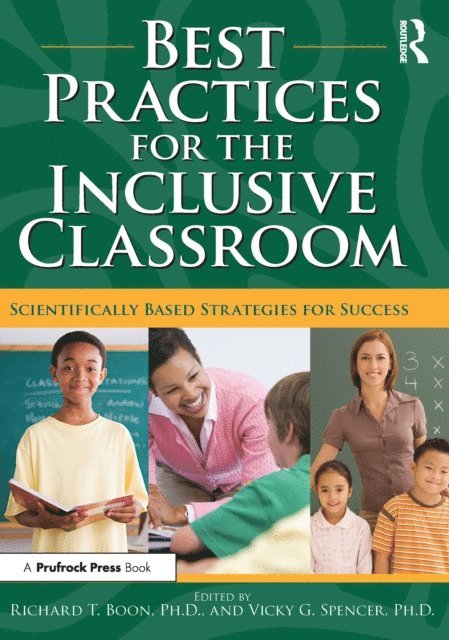
Written by expert teachers and researchers, Best Practices for the Inclusive Classroom: Scientifically Based Strategies for Success looks at field-tested strategies that teachers of inclusive classrooms need to implement to successfully teach all of the learners in their classroom.The purpose of the book is to provide both general and special education teachers with a practical guide of scientifically validated, evidence-based instructional strategies in a variety of content areas, including reading, writing and spelling, mathematics, science, and social studies. An overview of the Response to Intervention process provides a foundation for implementing research-based strategies in the core content areas.In addition, the book offers tested tips for implementing assistive technology, culturally responsive teaching practices, and fair assessment in the classroom, along with information on managing problem behaviors and adapting curriculum for various special needs. The book also includes a chapter on how teachers, parents, and school professionals can work together to ensure success for all students.
536 kr
Läs direkt efter köp
Written by expert teachers and researchers, Best Practices for the Inclusive Classroom: Scientifically Based Strategies for Success looks at field-tested strategies that teachers of inclusive classrooms need to implement to successfully teach all of the learners in their classroom.The purpose of the book is to provide both general and special education teachers with a practical guide of scientifically validated, evidence-based instructional strategies in a variety of content areas, including reading, writing and spelling, mathematics, science, and social studies. An overview of the Response to Intervention process provides a foundation for implementing research-based strategies in the core content areas.In addition, the book offers tested tips for implementing assistive technology, culturally responsive teaching practices, and fair assessment in the classroom, along with information on managing problem behaviors and adapting curriculum for various special needs. The book also includes a chapter on how teachers, parents, and school professionals can work together to ensure success for all students.
377 kr
Skickas inom 5-8 vardagar
601 kr
Skickas inom 5-8 vardagar
1 064 kr
Skickas inom 5-8 vardagar
563 kr
Läs direkt efter köp
577 kr
Läs direkt efter köp
626 kr
Läs direkt efter köp
535 kr
Skickas inom 5-8 vardagar
998 kr
Skickas inom 5-8 vardagar
500 kr
Läs direkt efter köp
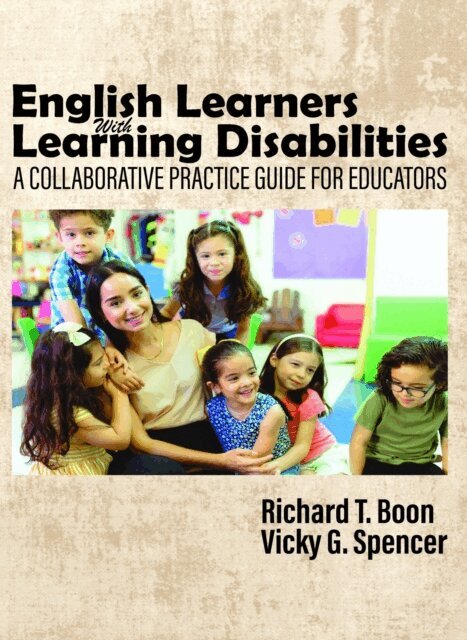
This edited book is intended to offer a practical guide for general, special, and bilingual/English as a second language educators working with English learners (ELs) with learning disabilities (LD) in the K-12 inclusive classroom. Authored by leading scholars with expertise in the fields of special and bilingual education, the book provides educators with a solid foundation of the growing demographics of ELs in our schools, an understanding of second language acquisition, and further knowledge of the referral, assessment, and identification process.
A detailed discussion addresses cultural competence and the development of the individualized education program (IEP) and provides an overview of legal and instructional foundations for developing culturally and linguistically responsive (CLR) IEPs for diverse learners, with a specific focus on students with LD who are acquiring English as an additional language. Federal legislative mandates, required IEP components, and the significant role that families assume in quality IEP development is presented along with practical examples that demonstrate a strengths-based perspective for engaging colleagues and families in the development of CLR IEPs for ELs.
The remaining chapters of the book provide content on the use of a multi-tiered systems of support (MTSS) framework, effective instructional practices, and research-based language and literacy interventions. To assist with the implementation of these interventions, a variety of co-teaching models are provided. Finally, the authors suggest ways to better communicate with parents and/or families to enhance collaboration between home and school.