Richard Zenith – författare
Visar alla böcker från författaren Richard Zenith. Handla med fri frakt och snabb leverans.
21 produkter
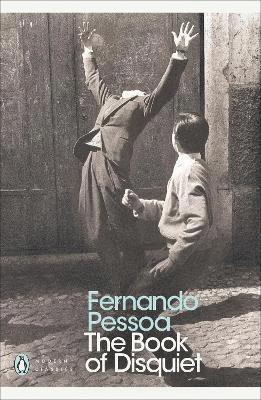
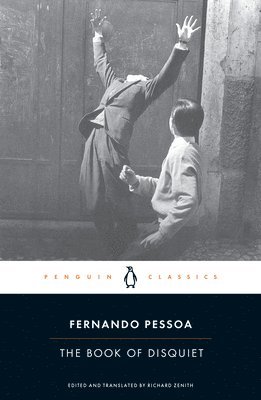
Book of Disquiet
Av Fernando Pessoa, Richard Zenith
Häftad, 2015
5,0 utav 5 stjärnor. Totalt antal röster: (2)
179 kr
Lägg i varukorg
Fernando Pessoa's The Book of Disquiet is a modernist masterwork that has now taken on a similar iconic status to Ulysses, The Trial or In Search of Lost Time. This complete and unabridged edition – published in Penguin Modern Classics - is edited and translated with an introduction by Richard …
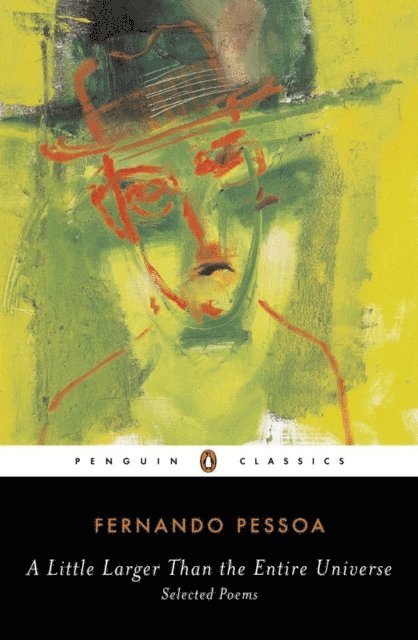
Little Larger Than the Entire Universe
Selected Poems
Av Fernando Pessoa, Richard Zenith
Häftad, 2006
5,0 utav 5 stjärnor. Totalt antal röster: (3)
189 kr
Lägg i varukorg
This is the largest and richest volume of poetry by Pessoa available in English. It includes generous selections from the three poetic alter egos that the Portuguese writer dubbed "heteronyms" - Alberto Caeiro, Ricardo Reis and Alvaro de Campos - and from the vast and varied work he wrote under his …
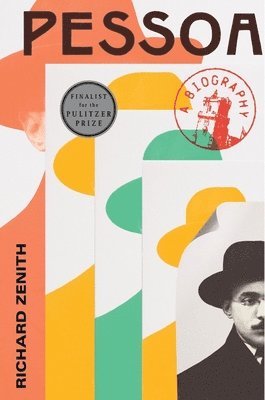
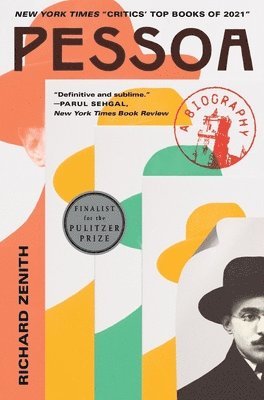
Pessoa – A Biography
A Biography
Inbunden, 2021
367 kr
Lägg i varukorg
Nearly a century after his wrenching death, the Portuguese poet Fernando Pessoa (1888-1935) remains one of our most enigmatic writers. Believing he could do "more in dreams than Napoleon," yet haunted by the specter of hereditary madness, Pessoa invented dozens of alter egos, or "heteronyms," under …
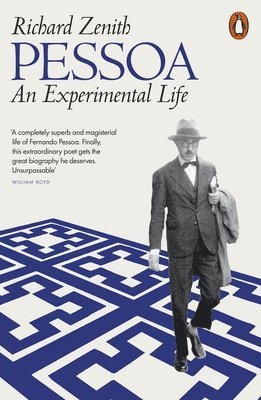
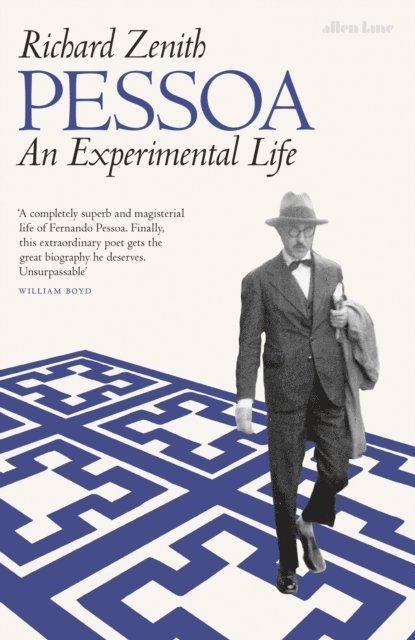
Pessoa
An Experimental Life
Häftad, 2022
5,0 utav 5 stjärnor. Totalt antal röster: (2)
232 kr
Lägg i varukorg
FINALIST: 2022 PULITZER PRIZE IN BIOGRAPHYA NEW STATESMAN AND SPECTATOR BOOK OF THE YEAR 2021'A revelation. Such a revolutionary literary discovery seems unlikely to be on offer again. It's that good' Sunday Times 'A masterpiece of literary biography. Zenith has produced a work in some ways as …
Pessoa
A Biography
Häftad, 2023
232 kr
Lägg i varukorg
Nearly a century after his wrenching death, the Portuguese poet Fernando Pessoa (1888–1935) remains one of our most enigmatic writers. Believing he could do “more in dreams than Napoleon,” yet haunted by the specter of hereditary madness, Pessoa invented dozens of alter egos, or “heteronyms,” under …
Book of Disquiet
Av Fernando Pessoa, Richard Zenith
E-bok, 2002
102 kr
Lägg i varukorg
Fernando Pessoa's The Book of Disquiet is a modernist masterwork that has now taken on a similar iconic status to Ulysses, The Trial or In Search of Lost Time. This complete and unabridged edition – published in Penguin Modern Classics - is edited and translated with an introduction by Richard …
Pessoa
An Experimental Life
E-bok, 2021
170 kr
Lägg i varukorg
FINALIST: 2022 PULITZER PRIZE IN BIOGRAPHYA NEW STATESMAN AND SPECTATOR BOOK OF THE YEAR 2021'A revelation. Such a revolutionary literary discovery seems unlikely to be on offer again. It's that good' Sunday Times 'A masterpiece of literary biography. Zenith has produced a work in some ways as …
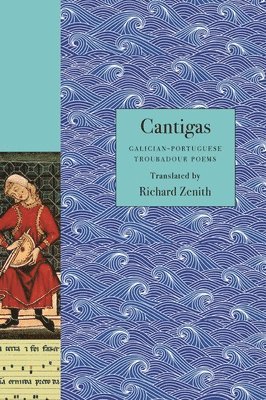
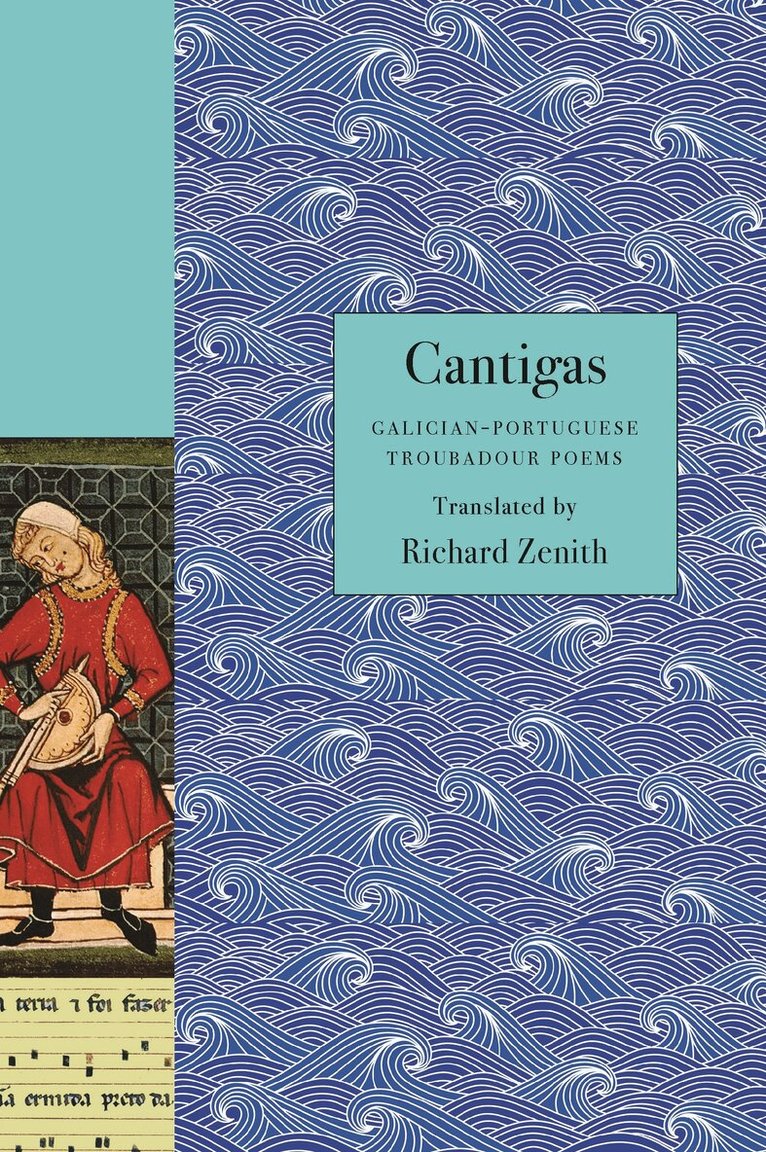
Cantigas
Galician-Portuguese Troubadour Poems
Häftad, 2022
203 kr
Lägg i varukorg
A bilingual volume that reveals an intriguing world of courtly love and satire in medieval Portugal and SpainThe rich tradition of troubadour poetry in western Iberia had all but vanished from history until the discovery of several ancient cancioneiros, or songbooks, in the nineteenth century. …
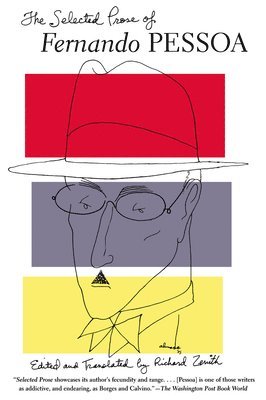
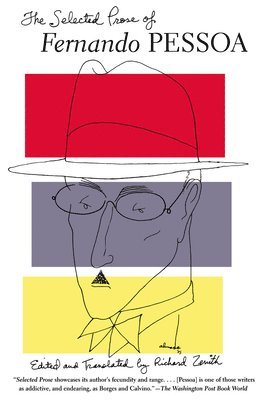
Selected Prose of Fernando Pessoa
Av Fernando Pessoa, Richard Zenith
Häftad, 2022
184 kr
Lägg i varukorg
Little Larger Than the Entire Universe
Selected Poems
Av Fernando Pessoa, Richard Zenith
E-bok, 2006
252 kr
Lägg i varukorg
This is the largest and richest volume of poetry by Pessoa available in English. It includes generous selections from the three poetic alter egos that the Portuguese writer dubbed "heteronyms" - Alberto Caeiro, Ricardo Reis and Alvaro de Campos - and from the vast and varied work he wrote under his …
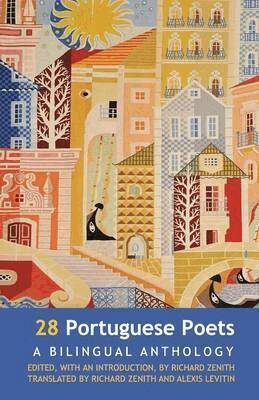
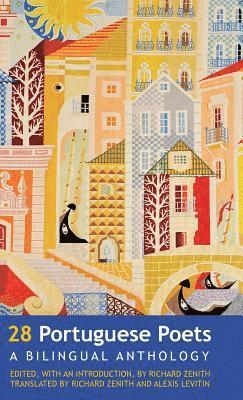
28 Portuguese Poets: Bilingual Anthology
Av Richard Zenith, Alexis Levitin m. fl.
Häftad, 2015
179 kr
Lägg i varukorg
This major bilingual anthology, with English translations by Richard Zenith and Alexis Levitin, introduces the work of 28 Portuguese poets (beginning with Fernando Pessoa and his 'heteronyms'), and reveals a richly varied body of verse that is at once a place of departure and exploration as well …
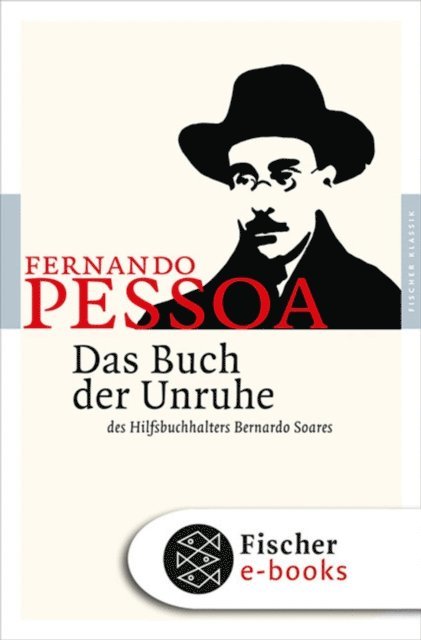
Das Buch der Unruhe des Hilfsbuchhalters Bernardo Soares
Roman
Av Fernando Pessoa, Richard Zenith
E-bok, 2011
136 kr
Lägg i varukorg
Mit dem Werkbeitrag aus Kindlers Literatur Lexikon.Mit dem Autorenporträt aus dem Metzler Lexikon Weltliteratur.Mit Daten zu Leben und Werk, exklusiv verfasst von der Redaktion der Zeitschrift für Literatur TEXT + KRITIK.»Vielleicht ist es mein Schicksal, ewig ein Buchhalter sein zu müssen, und …
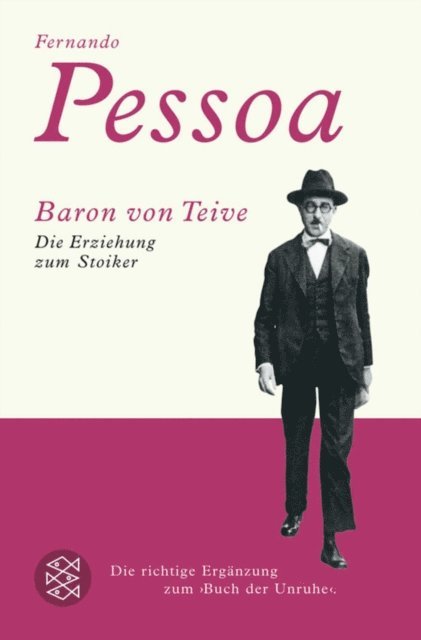
Baron von Teive
Die Erziehung zum Stoiker
Av Fernando Pessoa, Richard Zenith
E-bok, 2014
153 kr
Lägg i varukorg
Álvaro de Campos, Alberto Caeiro, Ricardo Reis - Fernando Pessoa, der größte Dichter Portugals des 20. Jahrhunderts, träumte immer davon, alle Menschen zugleich zu sein. In seinem Werk hat er sich diese Sehnsucht erfüllt: unablässig erschuf er neue Dichter, schenkte ihnen eine Biographie und …
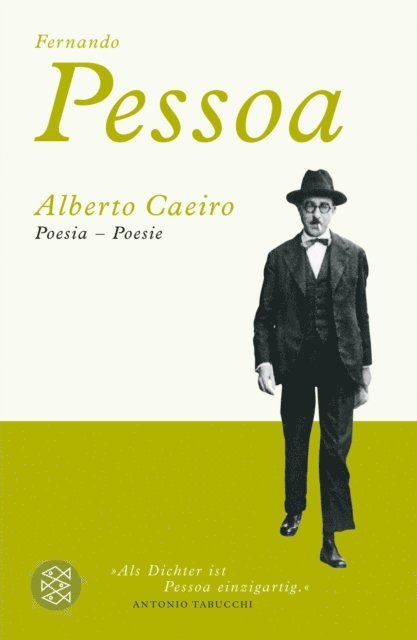
Alberto Caeiro
Poesia - Poesie Revidierte und erweiterte Ausgabe (Zweisprachige Ausgabe)
Av Fernando Pessoa, Richard Zenith m. fl.
E-bok, 2014
170 kr
Lägg i varukorg
Álvaro de Campos, Alberto Caeiro, Ricardo Reis - Fernando Pessoa, der größte Dichter Portugals des 20. Jahrhunderts, träumte immer davon, alle Menschen zugleich zu sein. In seinem Werk hat er sich diese Sehnsucht erfüllt: Unablässig erschuf er neue Dichter, schenkte ihnen eine Biographie und …
Cantigas
Galician-Portuguese Troubadour Poems
Inbunden, 2022
643 kr
Tillfälligt slut
A bilingual volume that reveals an intriguing world of courtly love and satire in medieval Portugal and SpainThe rich tradition of troubadour poetry in western Iberia had all but vanished from history until the discovery of several ancient cancioneiros, or songbooks, in the nineteenth century. …
Selected Prose of Fernando Pessoa
Av Fernando Pessoa, Richard Zenith
Häftad, 2002
177 kr
Tillfälligt slut