Rick Fawn – författare
2 220 kr
Skickas inom 10-15 vardagar
908 kr
Skickas inom 5-8 vardagar
1 365 kr
Skickas inom 10-15 vardagar
479 kr
Skickas inom 7-10 vardagar
2 137 kr
Skickas inom 10-15 vardagar
2 275 kr
Skickas inom 10-15 vardagar
680 kr
Skickas inom 10-15 vardagar
701 kr
Skickas inom 10-15 vardagar
763 kr
Skickas inom 10-15 vardagar
735 kr
Skickas inom 10-15 vardagar
2 390 kr
Skickas inom 10-15 vardagar
2 556 kr
Läs direkt efter köp
2 151 kr
Skickas inom 10-15 vardagar
643 kr
Skickas inom 10-15 vardagar
591 kr
Skickas inom 10-15 vardagar
848 kr
Läs direkt efter köp
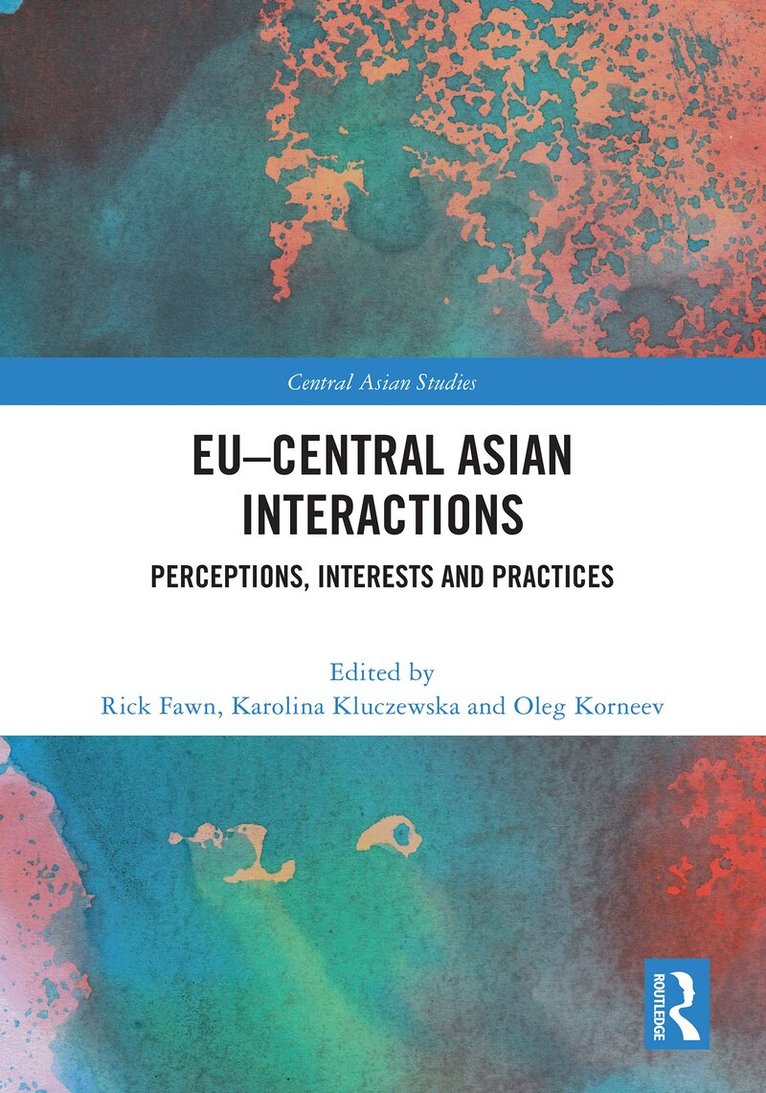
From limited interactions in the early 1990s, the EU and Central Asia now consider each other to be increasingly important. This book includes 12 chapters written by seasoned and policy-engaged researchers from across Eurasia and the wider world that analyse multiple levels of mutual interactions, understandings and misunderstandings across a range of policy areas. It shows why and in what ways exactly the EU and Central Asia matter to each other and why policymakers and researchers should pay more attention to their interactions.
Central Asia falls under the broader external relations and security agenda of the EU, and over years it provided a testing ground for many EU policies, including the priority ones of region-building and resilience promotion. Looking at the EU, in turn, informs as to how Central Asian actors interact with external partners of the region, and how that can influence national policy agendas and consequently everyday life – bringing new approaches, insights and evidence also to the wide field of EU studies.
This book is of key interest to scholars, practitioners and students of Central Asian history and politics, EU foreign policy, EU-Central Asia relations, and more broadly of EU studies, International Relations, regionalism and interregionalism as well as security studies. The chapters in this book were published over three issues of Central Asian Survey.
848 kr
Läs direkt efter köp
From limited interactions in the early 1990s, the EU and Central Asia now consider each other to be increasingly important. This book includes 12 chapters written by seasoned and policy-engaged researchers from across Eurasia and the wider world that analyse multiple levels of mutual interactions, understandings and misunderstandings across a range of policy areas. It shows why and in what ways exactly the EU and Central Asia matter to each other and why policymakers and researchers should pay more attention to their interactions.
Central Asia falls under the broader external relations and security agenda of the EU, and over years it provided a testing ground for many EU policies, including the priority ones of region-building and resilience promotion. Looking at the EU, in turn, informs as to how Central Asian actors interact with external partners of the region, and how that can influence national policy agendas and consequently everyday life – bringing new approaches, insights and evidence also to the wide field of EU studies.
This book is of key interest to scholars, practitioners and students of Central Asian history and politics, EU foreign policy, EU-Central Asia relations, and more broadly of EU studies, International Relations, regionalism and interregionalism as well as security studies. The chapters in this book were published over three issues of Central Asian Survey.
844 kr
Läs direkt efter köp
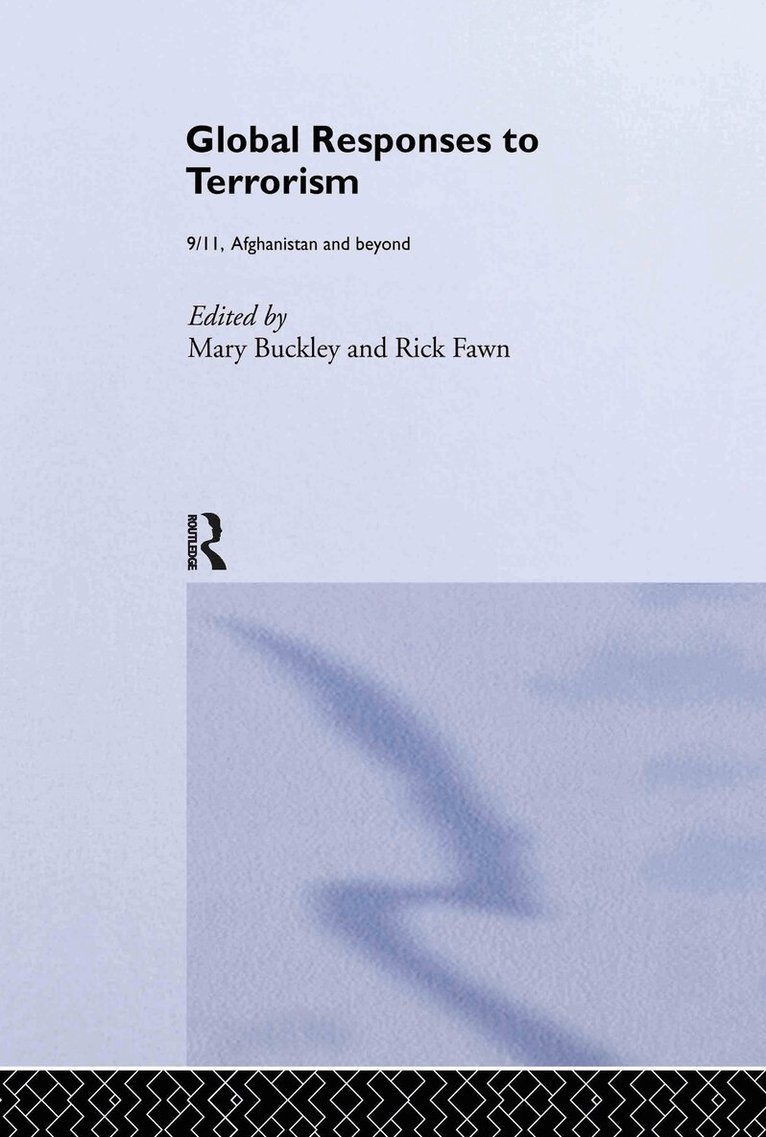
The terrorist attacks of September 11th and more recent atrocities in Russia, Indonesia and Kenya have demonstrated that terrorism now poses the most dangerous threat to stability, democracy and prosperity around the world.
This major new book examines how the world has reacted to, and been affected by, the attacks on September 11th, ensuing war in Afghanistan and President George W. Bush''s declaration of a ''war on terror'' as the ''first war of the 21st century''. The contributions by distinguished specialists in the field examine the domestic implications of terrorism and counter terrorist initiatives across the world.Few books can boast the quality and range of the contributions to this volume, which locate the war on terror in a truly global and intellectual context.
844 kr
Läs direkt efter köp
The terrorist attacks of September 11th and more recent atrocities in Russia, Indonesia and Kenya have demonstrated that terrorism now poses the most dangerous threat to stability, democracy and prosperity around the world.
This major new book examines how the world has reacted to, and been affected by, the attacks on September 11th, ensuing war in Afghanistan and President George W. Bush''s declaration of a ''war on terror'' as the ''first war of the 21st century''. The contributions by distinguished specialists in the field examine the domestic implications of terrorism and counter terrorist initiatives across the world.Few books can boast the quality and range of the contributions to this volume, which locate the war on terror in a truly global and intellectual context.
665 kr
Läs direkt efter köp
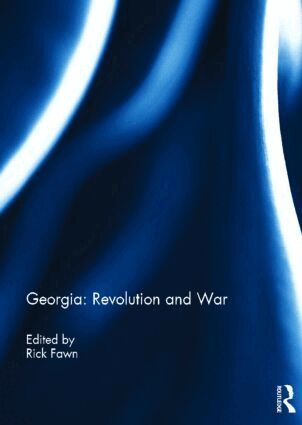
The post-Soviet country of Georgia has generated surprise upon surprise. Its Rose Revolution in 2003 marked the first time an existing leadership of a post-Soviet state was forced to surrender power peacefully. The new leadership of Western-educated Mikheil Saakashvili initiated wide-ranging domestic reforms, including a large-scale, unprecedented anti-corruption drive. It also intensified relations with the West and sought membership of the EU and NATO. The Georgian leadership’s expressed aim of re-integrating territories lost in wars in the early 1990s resulted in a devastating conflict with Russia in 2008.
All these developments, and their wider implications, receive careful yet readable attention in this collection by a truly international and specialist group of authors and practitioners. The book offers a spectrum of opinion and compelling insight into the events and decisions that have recently shaped this fascinating yet understudied country, and placed it at the forefront of interest in the changes transforming post-Soviet Eurasia.
This book is based on a special issue of European Security.
671 kr
Läs direkt efter köp
The post-Soviet country of Georgia has generated surprise upon surprise. Its Rose Revolution in 2003 marked the first time an existing leadership of a post-Soviet state was forced to surrender power peacefully. The new leadership of Western-educated Mikheil Saakashvili initiated wide-ranging domestic reforms, including a large-scale, unprecedented anti-corruption drive. It also intensified relations with the West and sought membership of the EU and NATO. The Georgian leadership’s expressed aim of re-integrating territories lost in wars in the early 1990s resulted in a devastating conflict with Russia in 2008.
All these developments, and their wider implications, receive careful yet readable attention in this collection by a truly international and specialist group of authors and practitioners. The book offers a spectrum of opinion and compelling insight into the events and decisions that have recently shaped this fascinating yet understudied country, and placed it at the forefront of interest in the changes transforming post-Soviet Eurasia.
This book is based on a special issue of European Security.
2 596 kr
Läs direkt efter köp
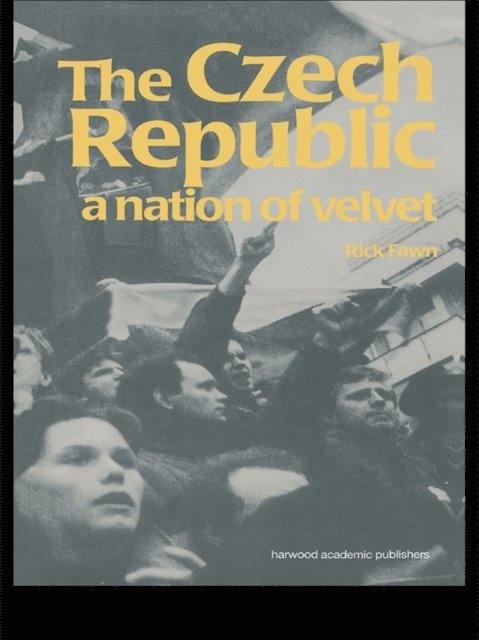
Czechoslovakia has captured the nation''s imagination throughout the twentieth century. The Allied betrayal of the country to Nazi Germany in 1938 was to demonstrate the appalling consequences of naive appeasement of aggression. The wholesale reform of Soviet communism in the Prague Spring of 1968 won western support, and sympathy when it was crushed by Warsaw Pact tanks. The fierce communist regime thereafter was brought down almost magically in 1989. Czechoslovakia added to the international political vocabulary the term, ''Velvet Revolution'', and the velvet metaphor has characterised much of the country''s path-breaking postcommunist transformation and its peaceful break-up in 1993.In separate chapters on history, politics, economics, foreign relations and the new Czech identity, this book not only applauds the successes of the Czech Republic since 1993, but also uncovers the frayed edges of the velvet nation.
2 596 kr
Läs direkt efter köp
Czechoslovakia has captured the nation''s imagination throughout the twentieth century. The Allied betrayal of the country to Nazi Germany in 1938 was to demonstrate the appalling consequences of naive appeasement of aggression. The wholesale reform of Soviet communism in the Prague Spring of 1968 won western support, and sympathy when it was crushed by Warsaw Pact tanks. The fierce communist regime thereafter was brought down almost magically in 1989. Czechoslovakia added to the international political vocabulary the term, ''Velvet Revolution'', and the velvet metaphor has characterised much of the country''s path-breaking postcommunist transformation and its peaceful break-up in 1993.In separate chapters on history, politics, economics, foreign relations and the new Czech identity, this book not only applauds the successes of the Czech Republic since 1993, but also uncovers the frayed edges of the velvet nation.
795 kr
Läs direkt efter köp
795 kr
Läs direkt efter köp
795 kr
Läs direkt efter köp
795 kr
Läs direkt efter köp
860 kr
Läs direkt efter köp
860 kr
Läs direkt efter köp
892 kr
Läs direkt efter köp