Roald Maliangkay – författare
Visar alla böcker från författaren Roald Maliangkay. Handla med fri frakt och snabb leverans.
6 produkter
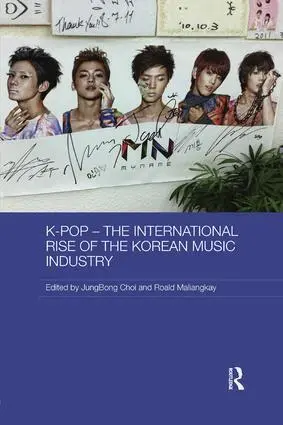
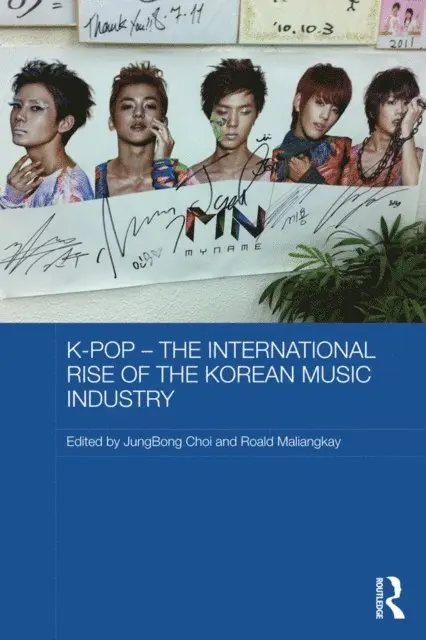
K-pop - The International Rise of the Korean Music Industry
Av JungBong Choi, Roald Maliangkay
Häftad, 2017
818 kr
Lägg i varukorg
K-pop, described by Time Magazine in 2012 as "South Korea’s greatest export", has rapidly achieved a large worldwide audience of devoted fans largely through distribution over the Internet. This book examines the phenomenon, and discusses the reasons for its success. It considers the national and …
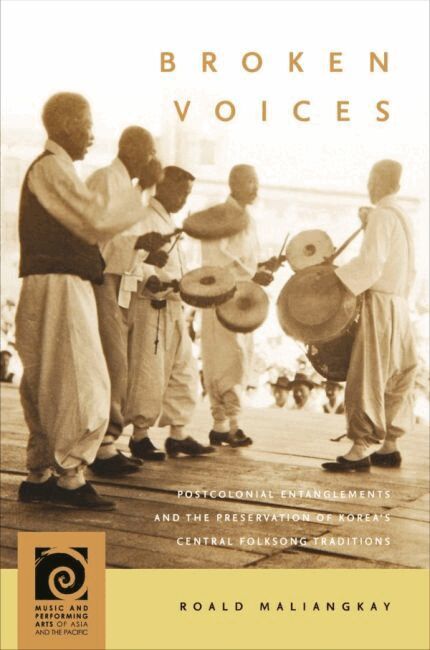
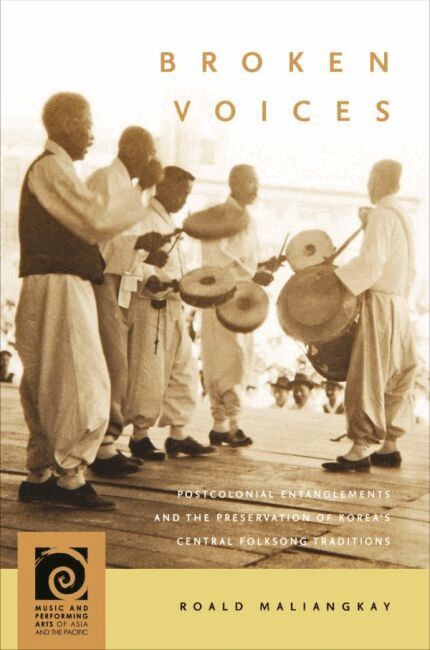
Broken Voices
Postcolonial Entanglements and the Preservation of Korea's Central Folksong Traditions
Av Roald Maliangkay, Frederick Lau
Häftad, 2020
310 kr
Lägg i varukorg
Broken Voices is the first English-language book on Korea's rich folksong heritage, and the first major study of the effects of Japanese colonialism on the intangible heritage of its former colony. Folksongs and other music traditions continue to be prominent in South Korea, which today is better …
K-pop - The International Rise of the Korean Music Industry
Av JungBong Choi, Roald Maliangkay
Inbunden, 2014
3161 kr
Lägg i varukorg
K-pop, described by Time Magazine in 2012 as "South Korea’s greatest export", has rapidly achieved a large worldwide audience of devoted fans largely through distribution over the Internet. This book examines the phenomenon, and discusses the reasons for its success. It considers the national and …
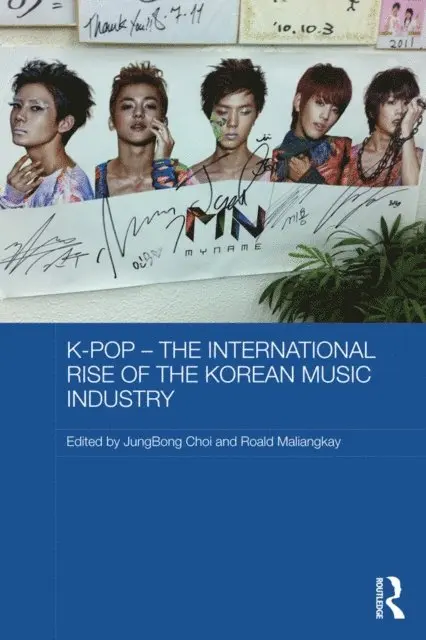
K-pop - The International Rise of the Korean Music Industry
Av Roald Maliangkay, JungBong Choi
E-bok, 2014
963 kr
Lägg i varukorg
K-pop, described by Time Magazine in 2012 as "South Korea’s greatest export", has rapidly achieved a large worldwide audience of devoted fans largely through distribution over the Internet. This book examines the phenomenon, and discusses the reasons for its success. It considers the national and …
K-pop - The International Rise of the Korean Music Industry
Av Roald Maliangkay, JungBong Choi
E-bok, 2014
963 kr
Lägg i varukorg
K-pop, described by Time Magazine in 2012 as "South Korea’s greatest export", has rapidly achieved a large worldwide audience of devoted fans largely through distribution over the Internet. This book examines the phenomenon, and discusses the reasons for its success. It considers the national and …
Broken Voices
Postcolonial Entanglements and the Preservation of Korea's Central Folksong Traditions
Av Roald Maliangkay, Frederick Lau
Inbunden, 2017
931 kr
Tillfälligt slut
Broken Voices is the first English-language book on Korea’s rich folksong heritage, and the first major study of the effects of Japanese colonialism on the intangible heritage of its former colony. Folksongs and other music traditions continue to be prominent in South Korea, which today is better …