Robert A. Dodgshon - Böcker
Visar alla böcker från författaren Robert A. Dodgshon. Handla med fri frakt och snabb leverans.
4 produkter
4 produkter
Del 27 - Cambridge Studies in Historical Geography
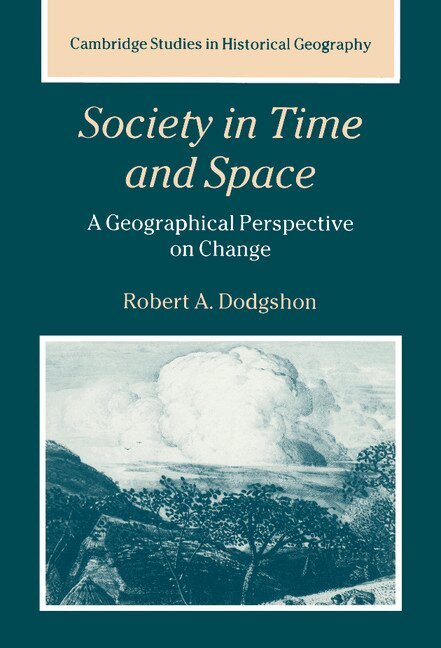
Society in Time and Space
A Geographical Perspective on Change
Inbunden, Engelska, 1998
970 kr
Skickas inom 7-10 vardagar
Society in Time and Space is an important book which offers a geographical perspective on societal change, and sets out to show how understanding the geography of such change enables us to appreciate better the basic processes involved. Robert Dodgshon argues that, as a first step, we need to clarify the circumstances under which society becomes inertial and finds change difficult. Using a range of historical and contemporary examples, he shows that society's use of space is a powerful source of this inertia. Different sources of geographical inertia are explored, including society's symbolization and organizational structuring of space, together with its capitalization of landscape. Building on this mapping of inertia, Professor Dodgshon shows how society has long steered radical change around such spaces. Society in Time and Space will be of interest not only to geographers but also to historians and social theorists.
Del 27 - Cambridge Studies in Historical Geography
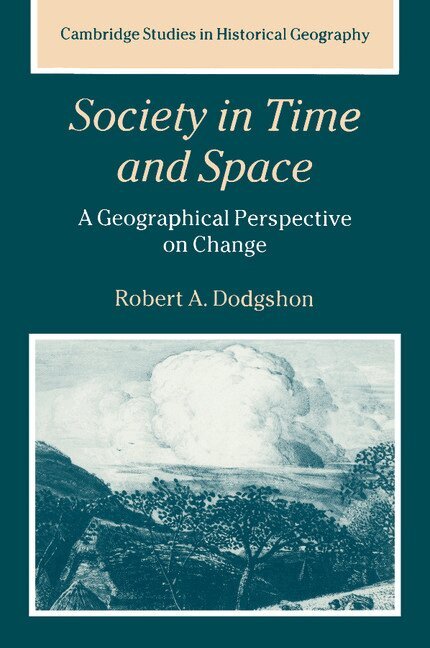
Society in Time and Space
A Geographical Perspective on Change
Häftad, Engelska, 1998
500 kr
Skickas inom 7-10 vardagar
Society in Time and Space is an important book which offers a geographical perspective on societal change, and sets out to show how understanding the geography of such change enables us to appreciate better the basic processes involved. Robert Dodgshon argues that, as a first step, we need to clarify the circumstances under which society becomes inertial and finds change difficult. Using a range of historical and contemporary examples, he shows that society's use of space is a powerful source of this inertia. Different sources of geographical inertia are explored, including society's symbolization and organizational structuring of space, together with its capitalization of landscape. Building on this mapping of inertia, Professor Dodgshon shows how society has long steered radical change around such spaces. Society in Time and Space will be of interest not only to geographers but also to historians and social theorists.
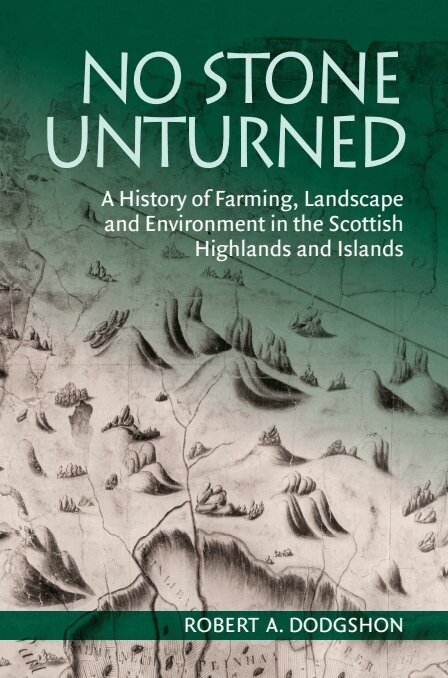
No Stone Unturned
A History of Farming, Landscape and Environment in the Scottish Highlands and Islands
Häftad, Engelska, 2026
306 kr
Kommande
A survey of how Highland society organised its farming communities, exploited its resource base and interacted with its environment from prehistory to 1914There has long been a view that the farming communities to be found in the Highlands prior to the Clearances were archaic forms. The way in which they were organised, the way in which they farmed the land and the technologies which they employed were all seen as taking shape during prehistory and then surviving relatively unchanged. Such a view first emerged first during the late nineteenth century and found repeated expression through a number of studies thereafter. However, its entrenchment in the literature was despite the fact that many ongoing studies have highlighted aspects of how the region changed from prehistory onwards. This study confronts this conflict over the question of continuity/discontinuity debate through an analysis of the cultural landscape. Starting with prehistory, it examines the way in which the farming community was organised: its institutional basis, its strategies of resource use and how these impacted on landscape, and the way in which it interacted with the challenges of its environment. It carries these themes forward through the medieval and early modern periods, rounding off the discussion with a substantive review of the gradual spread of commercial sheep farming and the emergence of the crofting townships over the eighteenth and nineteenth centuries. Throughout, it draws out what changed and what was carried forward from each period so that we have a better understanding of the region's dynamic history, as opposed to the ahistorical views that inevitably flow from a stress on cultural inertia. The book provides a one-stop text for the long-term history of the Highland countryside, one nuanced in ways that address topical themes like landscape and environmental change. It synthesises a great deal of work on the Highland farming community during the medieval and early modern periods in terms of its institutional organisation, resource exploitation, landscape impacts and interactions with environment so as to produce an overall review from prehistory down to 1914. Introduces new ideas and arguments that have not been treated or previewed in other published work, such as in chapter 6.Provides the most substantive review of the continuity/discontinuity debate in the Highland landscape currently available
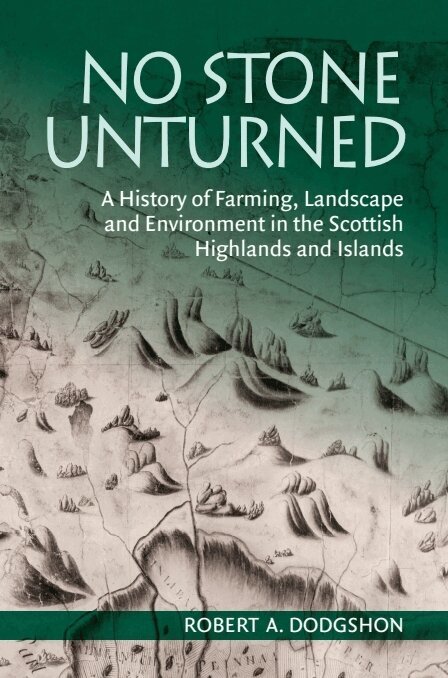
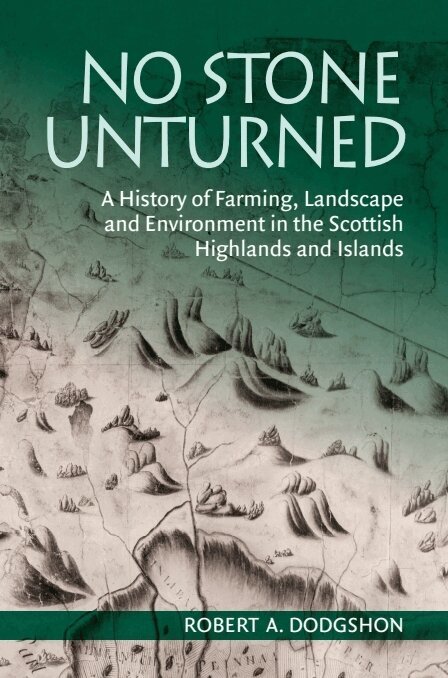
No Stone Unturned
A History of Farming, Landscape and Environment in the Scottish Highlands and Islands
Inbunden, Engelska, 2015
1 871 kr
Skickas inom 3-6 vardagar
A survey of how Highland society organised its farming communities, exploited its resource base and interacted with its environment from prehistory to 1914There has long been a view that the farming communities to be found in the Highlands prior to the Clearances were archaic forms. The way in which they were organised, the way in which they farmed the land and the technologies which they employed were all seen as taking shape during prehistory and then surviving relatively unchanged. Such a view first emerged first during the late nineteenth century and found repeated expression through a number of studies thereafter. However, its entrenchment in the literature was despite the fact that many ongoing studies have highlighted aspects of how the region changed from prehistory onwards. This study confronts this conflict over the question of continuity/discontinuity debate through an analysis of the cultural landscape. Starting with prehistory, it examines the way in which the farming community was organised: its institutional basis, its strategies of resource use and how these impacted on landscape, and the way in which it interacted with the challenges of its environment. It carries these themes forward through the medieval and early modern periods, rounding off the discussion with a substantive review of the gradual spread of commercial sheep farming and the emergence of the crofting townships over the eighteenth and nineteenth centuries. Throughout, it draws out what changed and what was carried forward from each period so that we have a better understanding of the region's dynamic history, as opposed to the ahistorical views that inevitably flow from a stress on cultural inertia. The book provides a one-stop text for the long-term history of the Highland countryside, one nuanced in ways that address topical themes like landscape and environmental change. It synthesises a great deal of work on the Highland farming community during the medieval and early modern periods in terms of its institutional organisation, resource exploitation, landscape impacts and interactions with environment so as to produce an overall review from prehistory down to 1914. Introduces new ideas and arguments that have not been treated or previewed in other published work, such as in chapter 6.Provides the most substantive review of the continuity/discontinuity debate in the Highland landscape currently available