Robert Abraham Hill – författare
Visar alla böcker från författaren Robert Abraham Hill. Handla med fri frakt och snabb leverans.
18 produkter
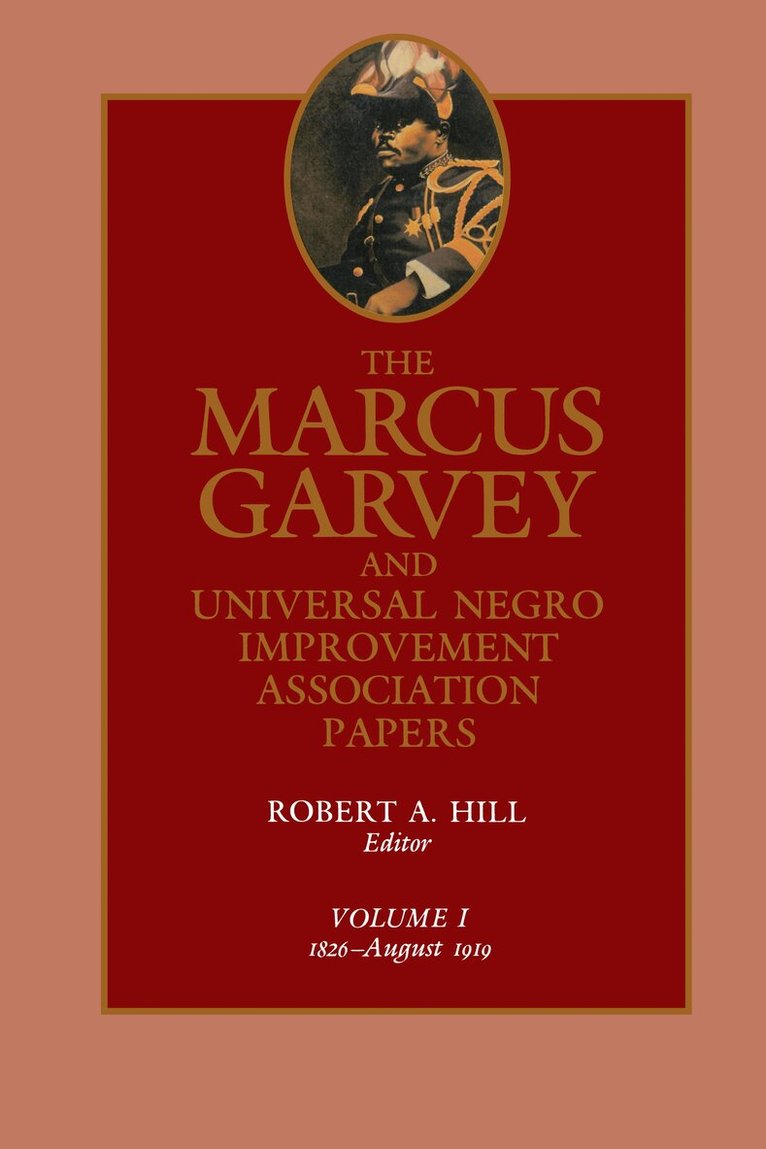
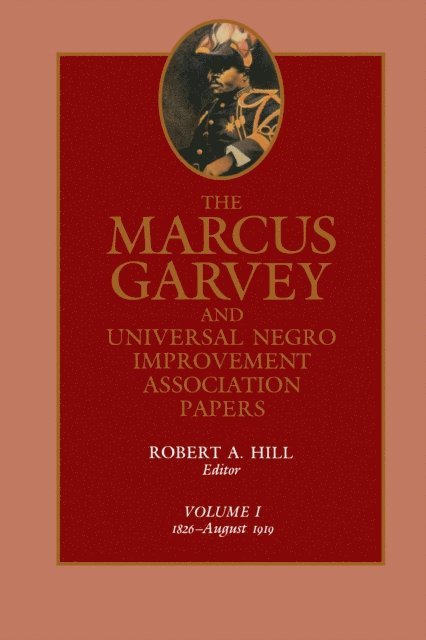
Marcus Garvey and Universal Negro Improvement Association Papers, Vol. I
1826-August 1919
Av Marcus Garvey, Robert Abraham Hill
Inbunden, 1983
866 kr
Lägg i varukorg
Marcus Mosiah Garvey (1887- 1940) led an extraordinary mass movement of black social protest. His Universal Negro Improvement Association and his "back to African" program of racial nationalism introduced many ideas that emerged again during the Black Power years of the 1960s: pride in black roots, …
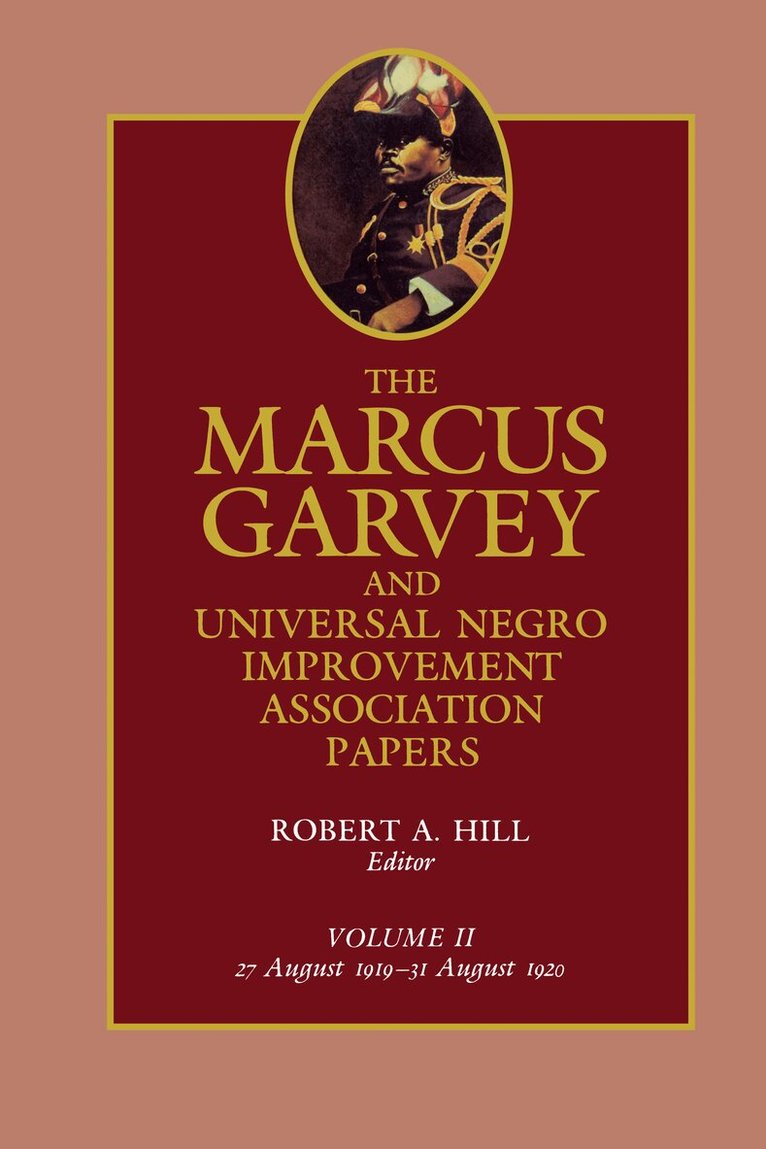
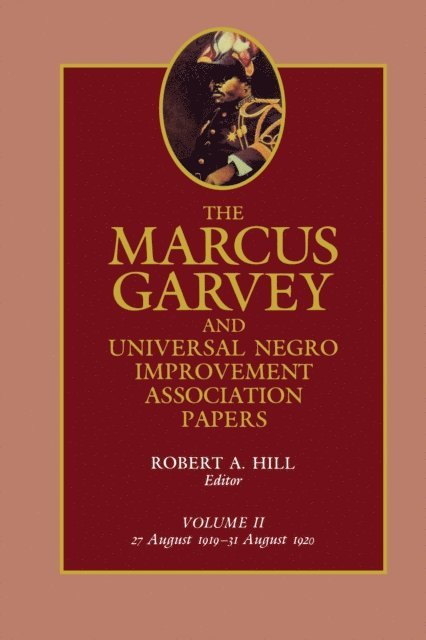
Marcus Garvey and Universal Negro Improvement Association Papers, Vol. II
August 1919-August 1920
Av Marcus Garvey, Robert Abraham Hill
Inbunden, 1983
866 kr
Lägg i varukorg
This second volume of Robert A. Hill's monumental ten-volume survey of Marcus Mosiah Garvey's extraordinary mass movement of black social protest covers a period of rapid growth. The Universal Negro Improvement Association, with its "Africa for the Africans" program of racial nationalism, rapidly …
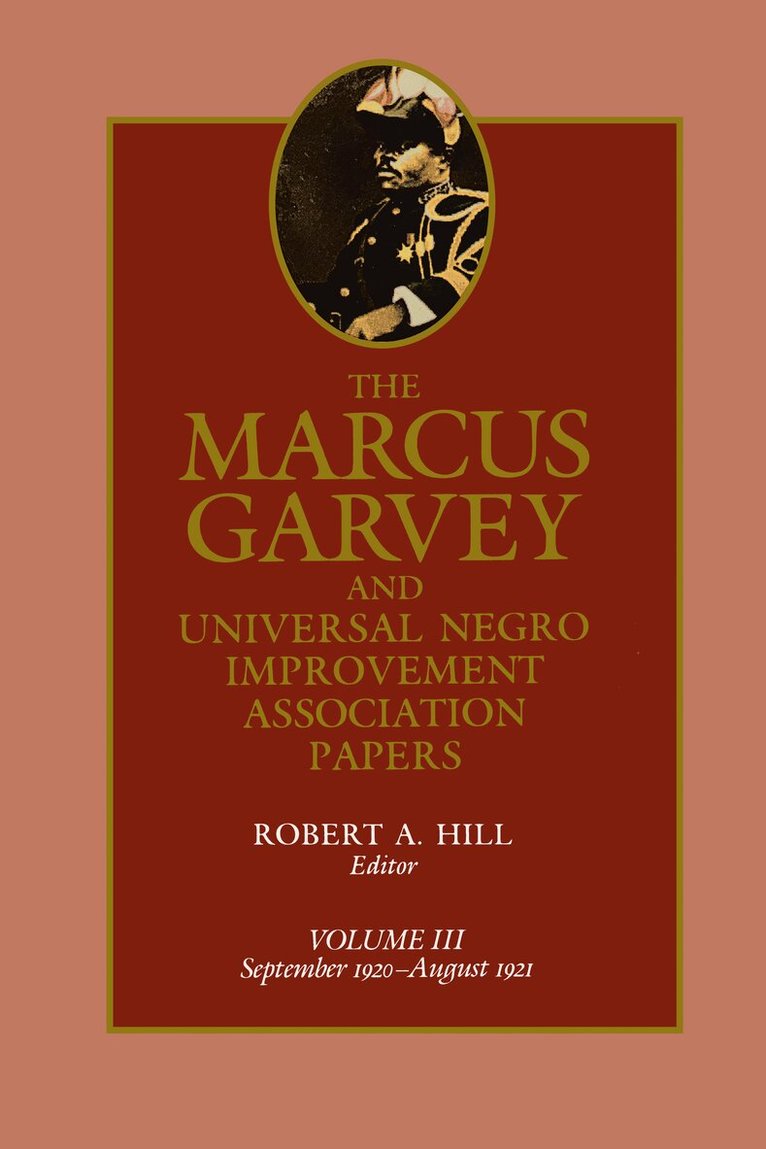
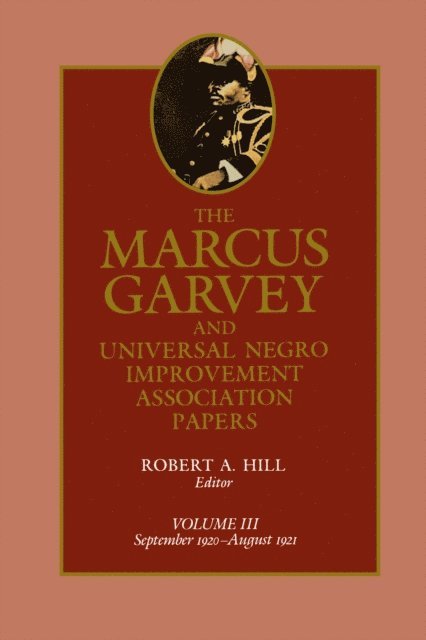
Marcus Garvey and Universal Negro Improvement Association Papers, Vol. III
September 1920-August 1921
Av Marcus Garvey, Robert Abraham Hill
Inbunden, 1984
866 kr
Lägg i varukorg
This is the third volume of Robert A. Hill's massive ten-volume survey of Marcus Mosiah Garvey and the extraordinary mass movement of black social protest he inspired. Hill brings together a wealth of original documents-speeches, letters, newspaper articles, intelligence reports, pamphlets, and …
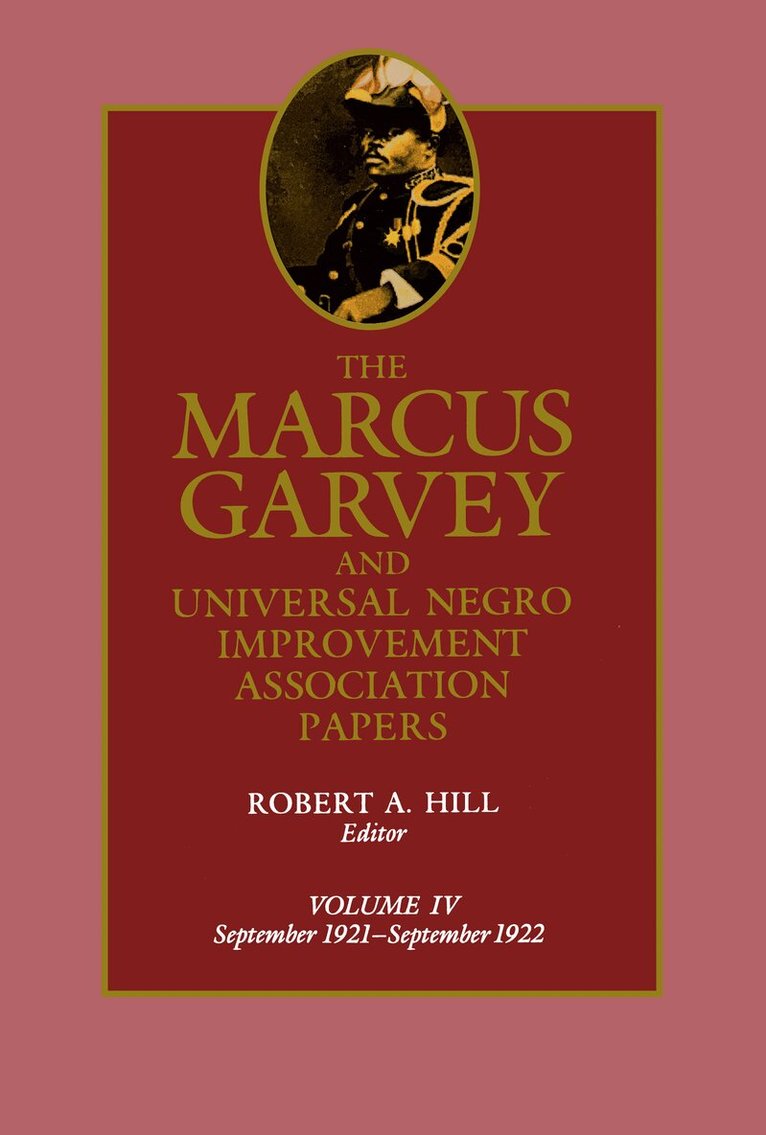
Marcus Garvey and Universal Negro Improvement Association Papers, Vol. IV
September 1921-September 1922
Av Marcus Garvey, Robert Abraham Hill
Inbunden, 1985
1213 kr
Lägg i varukorg
The fourth volume of the Marcus Garvey and Universal Negro Improvement Association Papers marks the period of deepening crisis in the UNIA's political and economic fortunes. After September of 1921, membership declined and morale in the UNIA began to weaken. Underlying it all, however, was the …
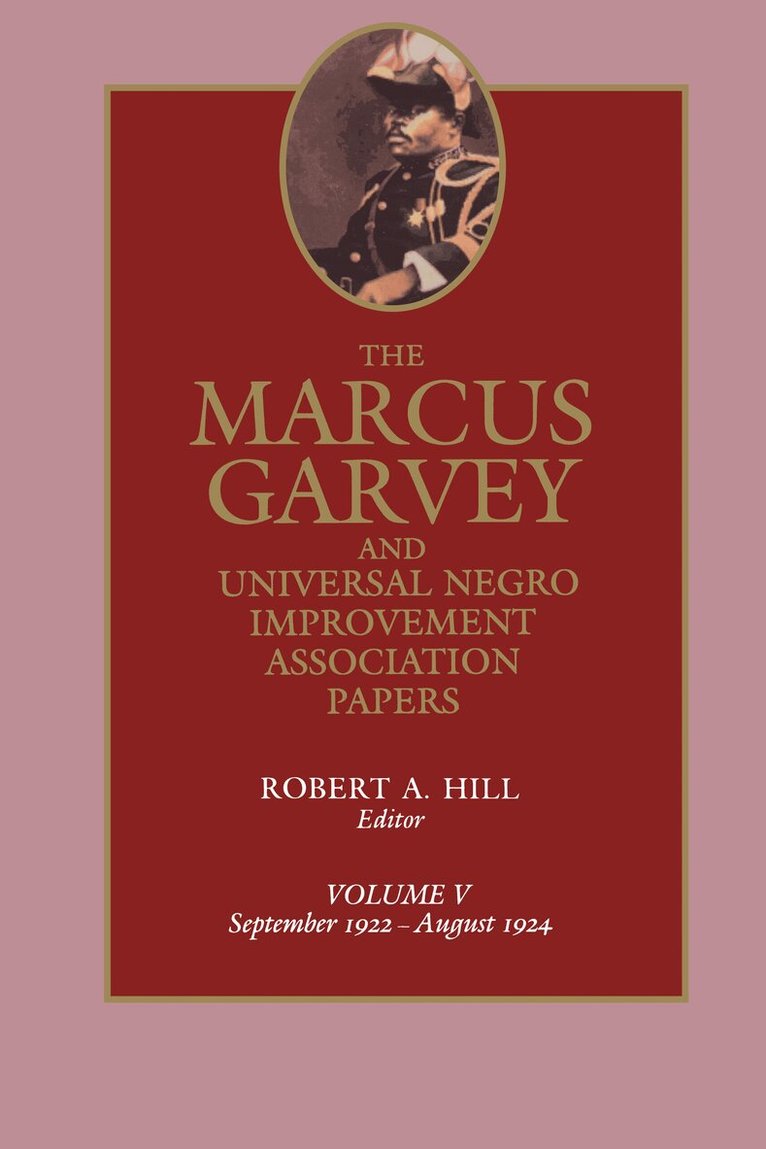
Marcus Garvey and Universal Negro Improvement Association Papers, Vol. V
September 1922-August 1924
Av Marcus Garvey, Robert Abraham Hill
Inbunden, 1987
1213 kr
Lägg i varukorg
The fifth volume of this monumental series chronicles what was perhaps the stormiest period in the history of Marcus Garvey and the UNIA: the aftermath of the tumultuous 1922 convention. Outside the UNIA a growing list of opponents, including the black Socialists A. Philip Randolph and Chandler …
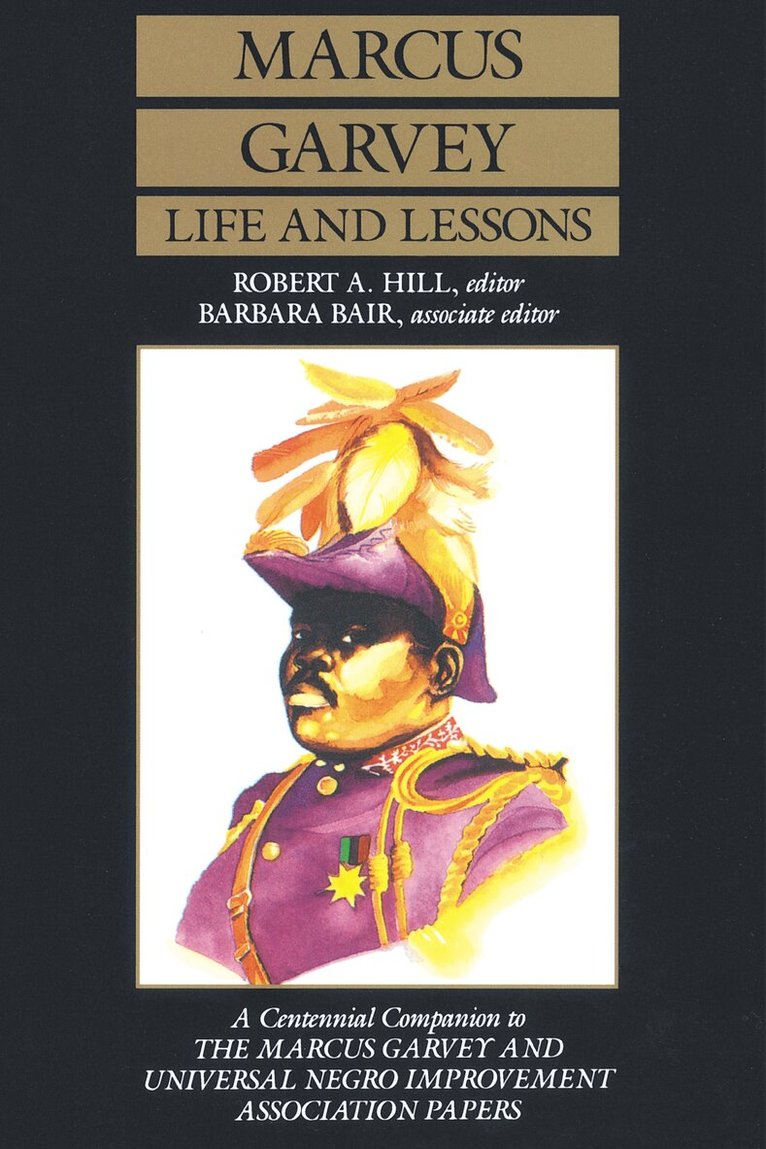
Marcus Garvey Life and Lessons
A Centennial Companion to the Marcus Garvey and Universal Negro Improvement Association Papers
Av Marcus Garvey, Robert Abraham Hill m. fl.
Häftad, 1987
281 kr
Lägg i varukorg
"I do not speak carelessly or recklessly but with a definite object of helping the people, especially those of my race, to know, to understand, and to realize themselves."--Marcus Garvey, Halifax, Nova Scotia, 1937 A popular companion to the scholarly edition of The Marcus Garvey and Universal …
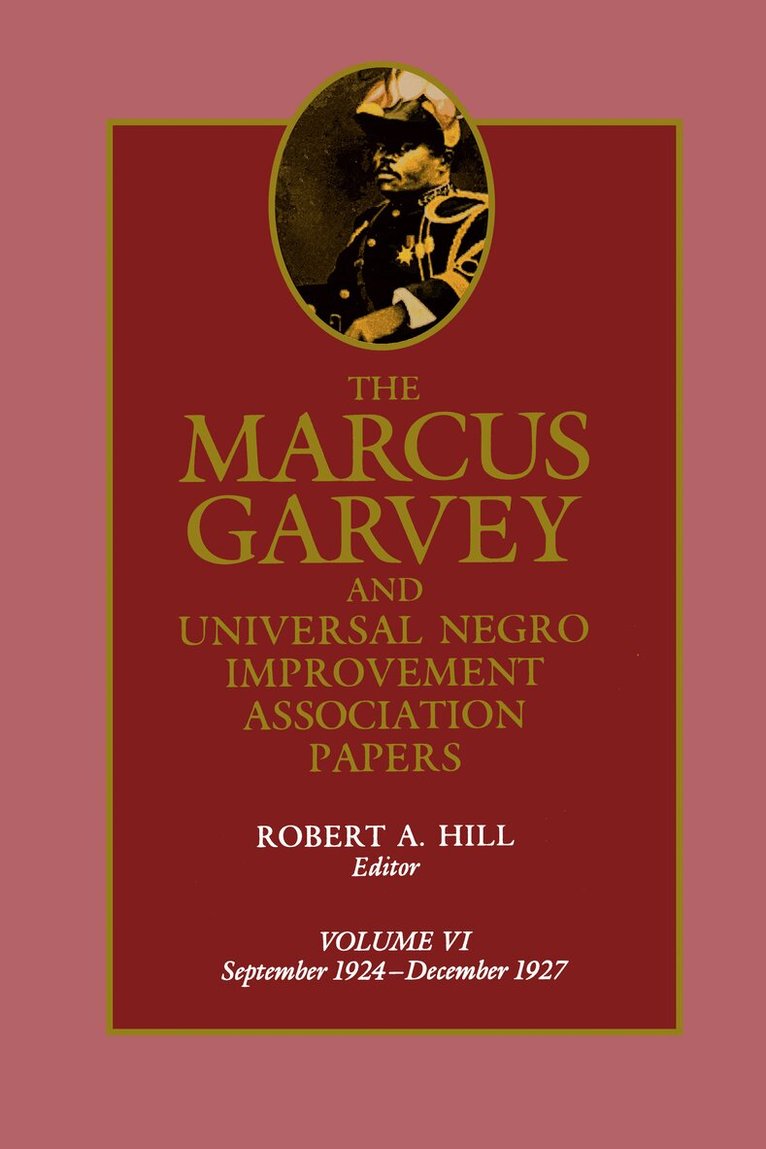
Marcus Garvey and Universal Negro Improvement Association Papers, Vol. VI
September 1924-December 1927
Av Marcus Garvey, Robert Abraham Hill
Inbunden, 1989
866 kr
Lägg i varukorg
'If I die in Atlanta my work shall then only begin, but I shall live, in the physical or spiritual, to see the day of Africa's glory...I shall write the history that will inspire the millions that are coming and leave the posterity of our enemies to reckon with the hosts for the deeds of their …
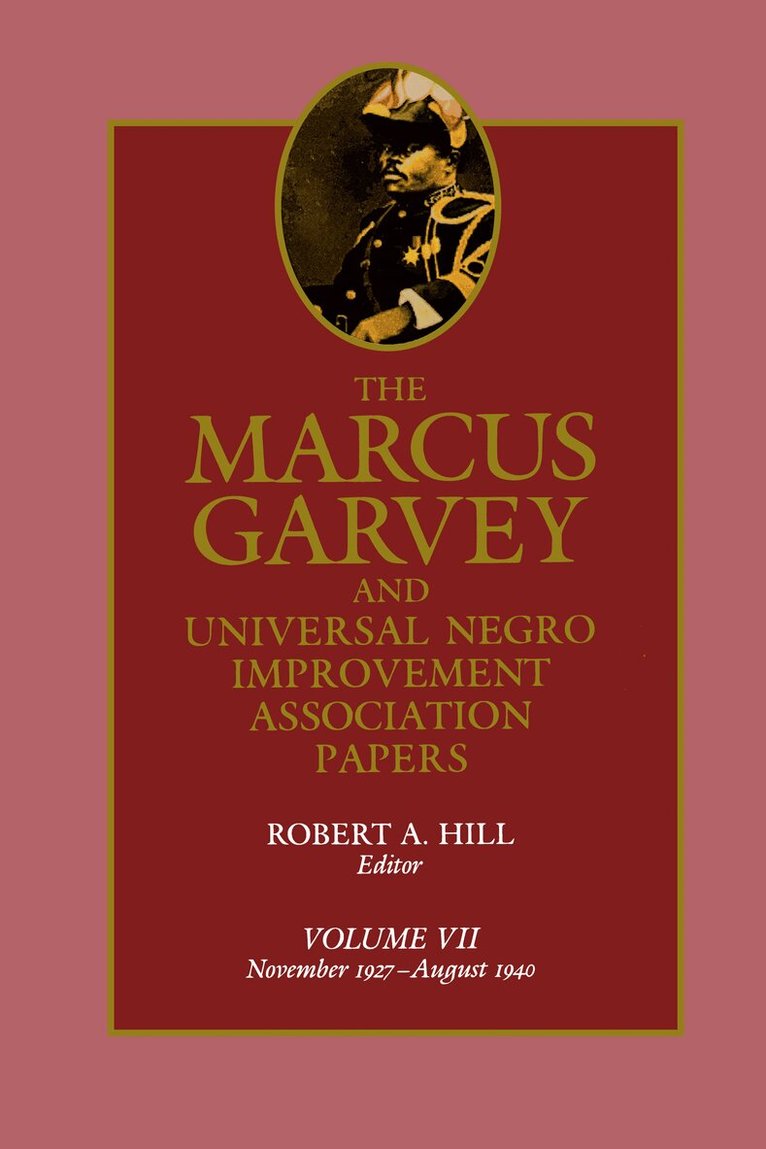
Marcus Garvey and Universal Negro Improvement Association Papers, Vol. VII
November 1927-August 1940
Av Marcus Garvey, Robert Abraham Hill
Inbunden, 1991
866 kr
Lägg i varukorg
The publication of Volume VII marks the completion of the American series of "The Marcus Garvey and Universal Negro Improvement Association Papers". This final book in the seven-volume set charts the magnetic, controversial Pan-African leader's career from his deportation from the United States in …
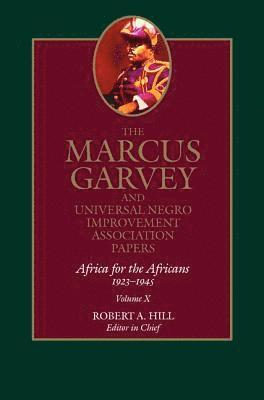
Marcus Garvey and Universal Negro Improvement Association Papers, Vol. X
Africa for the Africans, 1923–1945
Av Marcus Garvey, Robert Abraham Hill m. fl.
Inbunden, 2006
866 kr
Lägg i varukorg
'Africa for the Africans' was the name given to the extraordinary movement led by Jamaican Marcus Mosiah Garvey (1887-1940). Volumes I-VII of the "Marcus Garvey and Universal Negro Improvement Association Papers" chronicled the Garvey movement that flourished in the United States during the 1920s. …
Marcus Garvey and Universal Negro Improvement Association Papers, Vol. I
1826-August 1919
Av Marcus Garvey, Robert Abraham Hill
E-bok, 1983
1498 kr
Lägg i varukorg
Marcus Mosiah Garvey (1887- 1940) led an extraordinary mass movement of black social protest. His Universal Negro Improvement Association and his "back to African" program of racial nationalism introduced many ideas that emerged again during the Black Power years of the 1960s: pride in black roots, …
Marcus Garvey and Universal Negro Improvement Association Papers, Vol. II
August 1919-August 1920
Av Marcus Garvey, Robert Abraham Hill
E-bok, 1983
1498 kr
Lägg i varukorg
This second volume of Robert A. Hill''s monumental ten-volume survey of Marcus Mosiah Garvey''s extraordinary mass movement of black social protest covers a period of rapid growth. The Universal Negro Improvement Association, with its "Africa for the Africans" program of racial nationalism, rapidly …
Marcus Garvey and Universal Negro Improvement Association Papers, Vol. III
September 1920-August 1921
Av Marcus Garvey, Robert Abraham Hill
E-bok, 1984
1466 kr
Lägg i varukorg
This is the third volume of Robert A. Hill''s massive ten-volume survey of Marcus Mosiah Garvey and the extraordinary mass movement of black social protest he inspired. Hill brings together a wealth of original documents-speeches, letters, newspaper articles, intelligence reports, pamphlets, and …
Marcus Garvey and Universal Negro Improvement Association Papers, Vol. IV
September 1921-September 1922
Av Marcus Garvey, Robert Abraham Hill
E-bok, 1985
1451 kr
Lägg i varukorg
The fourth volume of the Marcus Garvey and Universal Negro Improvement Association Papers marks the period of deepening crisis in the UNIA''s political and economic fortunes. After September of 1921, membership declined and morale in the UNIA began to weaken. Underlying it all, however, was the …
Marcus Garvey and Universal Negro Improvement Association Papers, Vol. V
September 1922-August 1924
Av Marcus Garvey, Robert Abraham Hill
E-bok, 1987
1498 kr
Lägg i varukorg
The fifth volume of this monumental series chronicles what was perhaps the stormiest period in the history of Marcus Garvey and the UNIA: the aftermath of the tumultuous 1922 convention. Outside the UNIA a growing list of opponents, including the black Socialists A. Philip Randolph and Chandler …
Marcus Garvey and Universal Negro Improvement Association Papers, Vol. VI
September 1924-December 1927
Av Marcus Garvey, Robert Abraham Hill
E-bok, 1989
1466 kr
Lägg i varukorg
"If I die in Atlanta my work shall then only begin, but I shall live, in the physical or spiritual, to see the day of Africa''s glory. . . . I shall write the history that will inspire the millions that are coming and leave the posterity of our enemies to reckon with the hosts for the deeds of …
Marcus Garvey and Universal Negro Improvement Association Papers, Vol. VII
November 1927-August 1940
Av Marcus Garvey, Robert Abraham Hill
E-bok, 1991
1498 kr
Lägg i varukorg
The publication of Volume VII marks the completion of the American series of The Marcus Garvey and Universal Negro Improvement Association Papers . This final book in the seven-volume set charts the magnetic, controversial Pan-African leader''s career from his deportation from the United States in …
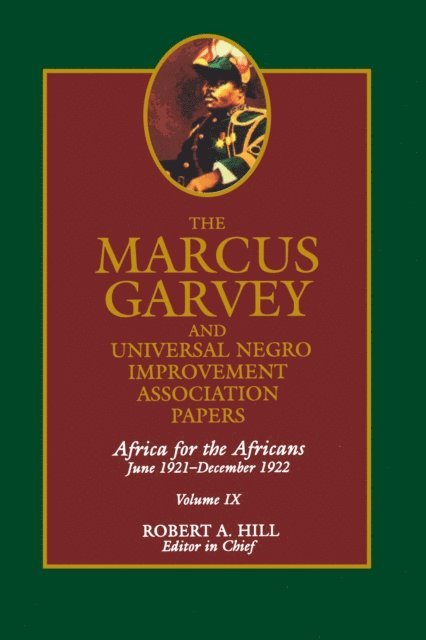
Marcus Garvey and Universal Negro Improvement Association Papers, Vol. IX
Africa for the Africans June 1921-December 1922
Av Marcus Garvey, Robert Abraham Hill
E-bok, 1995
1498 kr
Lägg i varukorg
"Africa for the Africans" was the name given in Africa to the extraordinary black social protest movement led by Jamaican Marcus Mosiah Garvey (1887-1940). Volumes I-VII of the Marcus Garvey and Universal Negro Improvement Association Papers chronicled the Garvey movement that flourished in the …
Marcus Garvey Life and Lessons
A Centennial Companion to the Marcus Garvey and Universal Negro Improvement Association Papers
Av Marcus Garvey, Barbara Blair m. fl.
E-bok, 1987
471 kr
Lägg i varukorg
"I do not speak carelessly or recklessly but with a definite object of helping the people, especially those of my race, to know, to understand, and to realize themselves."—Marcus Garvey, Halifax, Nova Scotia, 1937 A popular companion to the scholarly edition of The Marcus Garvey and Universal Negro …