Robert Bauval – författare
Visar alla böcker från författaren Robert Bauval. Handla med fri frakt och snabb leverans.
21 produkter
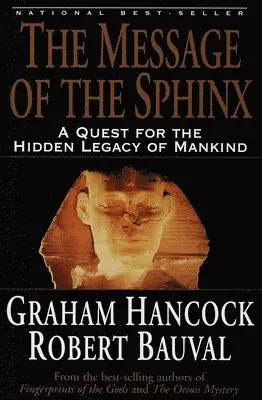
The Message of the Sphinx: A Quest for the Hidden Legacy of Mankind
Av Graham Hancock, Robert Bauval
Häftad, 1997
316 kr
Lägg i varukorg
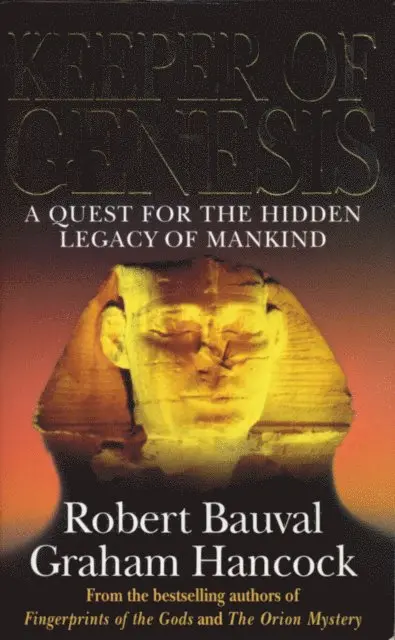
Keeper Of Genesis
Av Robert Bauval, Graham Hancock
Häftad, 1997
2,0 utav 5 stjärnor. Totalt antal röster: (1)
134 kr
Lägg i varukorg
FROM THE BESTSELLING AUTHORS OF FINGERPRINTS OF THE GODS AND THE ORION MYSTERY'An exciting book . . . deservedly a bestseller' SPECTATOR___________________________________________In Keeper of Genesis, Graham Hancock and Robert Bauval present a tour de force of historical and scientific detective …
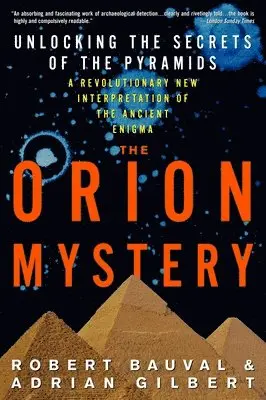
Orion Mystery
Unlocking the Secrets of the Pyramids
Av Adrian Gilbert, Robert Bauval
E-bok, 2010
121 kr
Lägg i varukorg
A revolutionary book that explains the most enigmatic and fascinating wonder of the ancient world: the Pyramids of Egypt. "[An] absorbing and fascinating work of archaeological detection...clearly and rivetingly told...the book is highly and compulsively readable."-- London Sunday Times. 16-page …
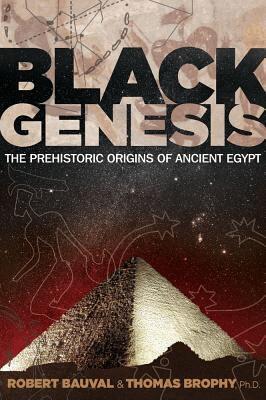
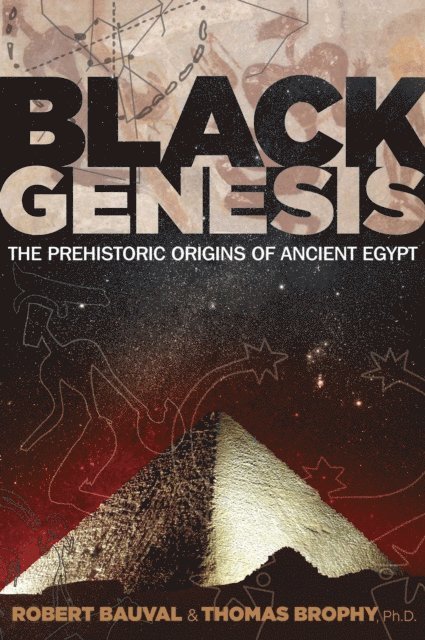
Black Genesis
The Prehistoric Origins of Ancient Egypt
Av Robert Bauval, Thomas Brophy
Häftad, 2011
193 kr
Lägg i varukorg
Relegated to the realm of archaeological heresy, despite a wealth of hard scientific evidence, the theory that an advanced civilization of black Africans settled in the Sahara long before Pharaonic Egypt existed has been dismissed and even condemned by conventional Egyptologists, archaeologists, …
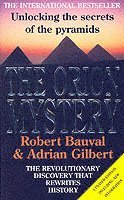
Orion Mystery
Unlocking the Secrets of the Pyramids
Av Robert Bauval, Adrian Gilbert
Häftad, 1994
137 kr
Lägg i varukorg
Unlocking the secrets of the pyramids.For thousands of years the pyramids have stood, imposing and enigmatic, refusing to give up their secrets. In this thrilling book of scientific and historical detective work, the authors try to answer some of history's oldest questions...Why did the Egyptians …
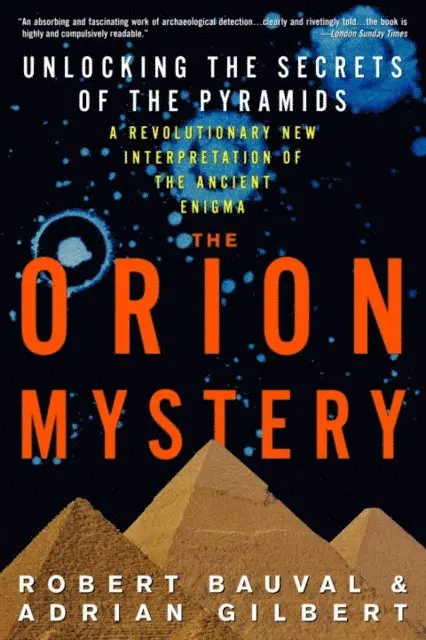
The Orion Mystery: Unlocking the Secrets of the Pyramids
Av Robert Bauval, Adrian Gilbert
Häftad, 1995
3,0 utav 5 stjärnor. Totalt antal röster: (2)
285 kr
Lägg i varukorg
Keeper Of Genesis
Av Robert Bauval, Graham Hancock
E-bok, 2011
74 kr
Lägg i varukorg
FROM THE BESTSELLING AUTHORS OF FINGERPRINTS OF THE GODS AND THE ORION MYSTERY'An exciting book . . . deservedly a bestseller' SPECTATOR___________________________________________In Keeper of Genesis, Graham Hancock and Robert Bauval present a tour de force of historical and scientific detective …
Vatican Heresy
Bernini and the Building of the Hermetic Temple of the Sun
Av Robert Bauval, Chiara Hohenzollern
Häftad, 2014
5,0 utav 5 stjärnor. Totalt antal röster: (1)
166 kr
Lägg i varukorg
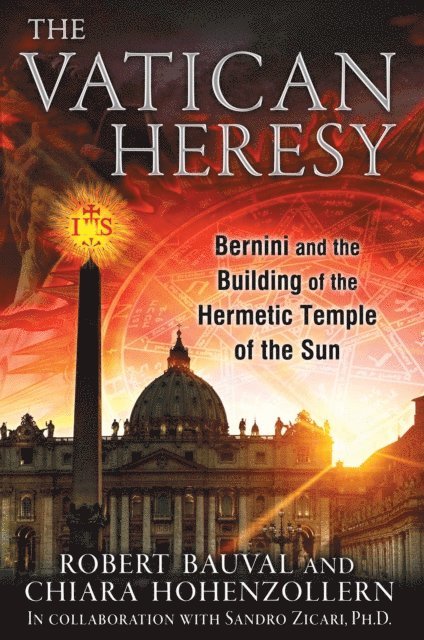
In 16th century Italy, in the midst of the Renaissance, two powerful movements took hold. The first, the Hermetic Movement, was inspired by an ancient set of books housed in the library of Cosimo de' Medici and written by the Egyptian sage Hermes Trismegistus. The movement expounded the return of …
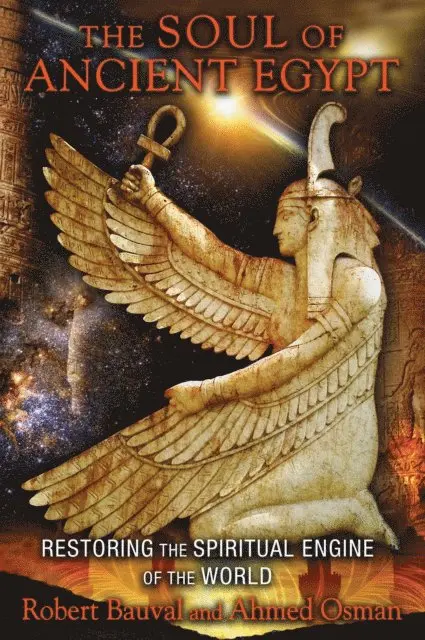
Soul of Ancient Egypt
Restoring the Spiritual Engine of the World
Häftad, 2015
152 kr
Lägg i varukorg
Imagine the paradise of ancient Egypt: a lush green valley with a gentle river, full of animals and birds of all sizes. The first settlers, arriving by way of the desert, would have marveled at this beautiful landscape. This awe held on through the first three millennia of settlement in Egypt. …
Cosmic Womb
The Seeding of Planet Earth
Av Chandra Wickramasinghe, Ph.D., Robert Bauval
Häftad, 2018
249 kr
Lägg i varukorg
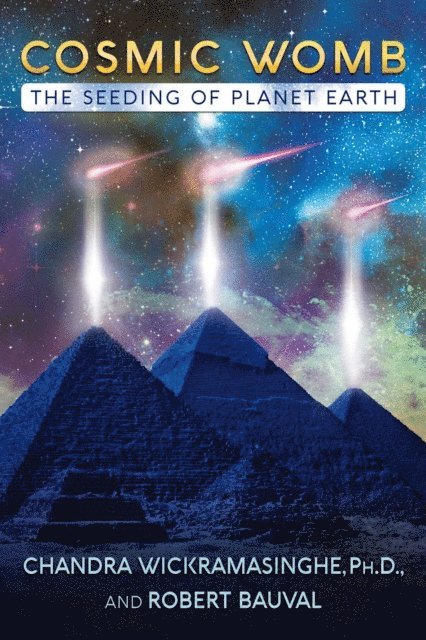
Compelling evidence that life, intelligence, and evolution on Earth were seeded by comets and cosmic intelligence* Explains how life first came from interstellar dust and comets and how later arrivals of cosmic dust and comets spurred evolution* Explores the possibility that universal knowledge may …
Cosmic Womb
The Seeding of Planet Earth
Av Robert Bauval, Ph.D. Chandra Wickramasinghe
E-bok, 2017
159 kr
Lägg i varukorg
Compelling evidence that life, intelligence, and evolution on Earth were seeded by comets and cosmic intelligence • Explains how life first came from interstellar dust and comets and how later arrivals of cosmic dust and comets spurred evolution • Explores the possibility that universal knowledge …
Vatican Heresy
Bernini and the Building of the Hermetic Temple of the Sun
Av Chiara Hohenzollern, Robert Bauval
E-bok, 2014
117 kr
Lägg i varukorg
Reveals how the largest Sun Temple in the world, built according to Hermetic principles, is located at one of Christianity’s holiest sites: the Vatican • Shows how famous Renaissance philosophers and scientists called for a Hermetic reformation of Christianity by building a magical Temple of the …
Soul of Ancient Egypt
Restoring the Spiritual Engine of the World
E-bok, 2015
168 kr
Lägg i varukorg
An examination of the cultural occupations of Egypt over the past two millennia and how we can return to the sacred harmony of ancient Egypt • Explores the golden civilization of ancient Egypt and its system of natural magic that birthed the Western Mystery tradition • Examines each phase of …
Secret Chamber Revisited
The Quest for the Lost Knowledge of Ancient Egypt
E-bok, 2014
199 kr
Lägg i varukorg
A firsthand, behind-the-scene account of the controversies surrounding modern explorations at Giza • Investigates the recent scandals at Giza and claims of secret excavations and tunneling inside the Great Pyramid • Reveals the historical evidence in support of secret chambers in the Great Pyramid …
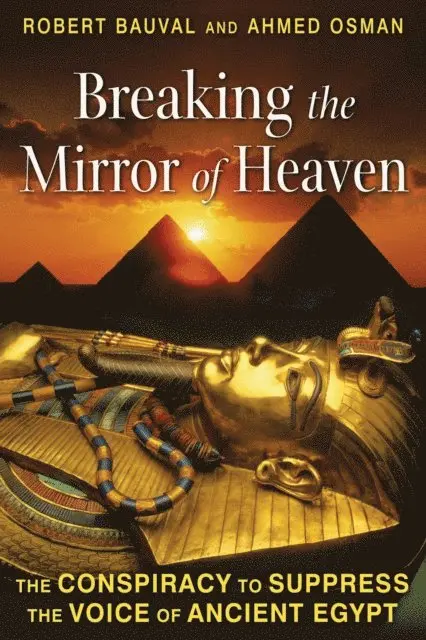
Breaking the Mirror of Heaven
The Conspiracy to Suppress the Voice of Ancient Egypt
E-bok, 2012
182 kr
Lägg i varukorg
Exposes the many cycles of monument destruction and cultural suppression in Egypt from antiquity to the present day • Details the vandalism of Egyptian antiquities and suppression of ancient knowledge under foreign rulers who sought to cleanse Egypt of its “pagan” past • Reveals the real reason …
Black Genesis
The Prehistoric Origins of Ancient Egypt
Av Thomas Brophy, Robert Bauval
E-bok, 2011
133 kr
Lägg i varukorg
Presents proof that an advanced black African civilization inhabited the Sahara long before Pharaonic Egypt • Reveals black Africa to be at the genesis of ancient civilization and the human story • Examines extensive studies into the lost civilization of the “Star People” by renowned …
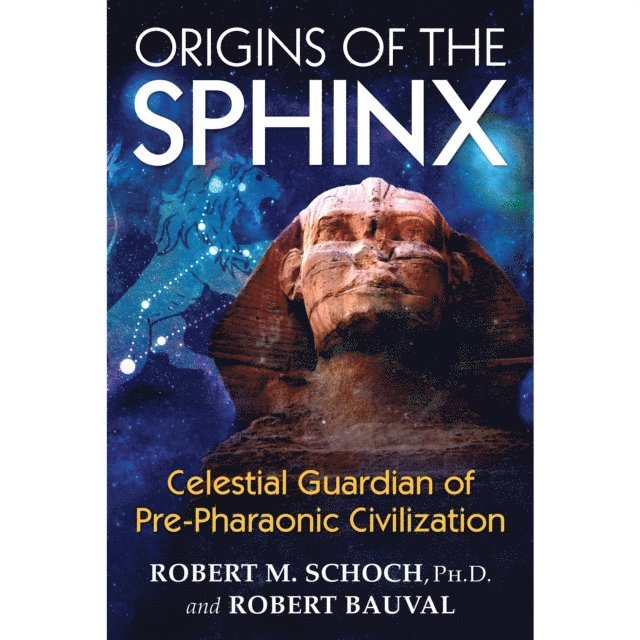
Origins of the Sphinx
Celestial Guardian of Pre-Pharaonic Civilization
Av Robert M. Schoch, Robert Bauval
Häftad, 2017
5,0 utav 5 stjärnor. Totalt antal röster: (1)
246 kr
Lägg i varukorg
In this provocative collaboration from two Egyptology outsiders, Robert M. Schoch, Ph.D., and Robert Bauval combine their decades of research to show how the Sphinx is thousands of years older than the conventional Egyptological timeline and was built by a long forgotten pre-Pharaonic civilization. …
Origins of the Sphinx
Celestial Guardian of Pre-Pharaonic Civilization
Av Robert Bauval, Robert M. Schoch
Ljudbok, 2020
290 kr
Lägg i varukorg
New research and evidence that the Sphinx is thousands of years older than previously thought Contrasts what Egyptologists claim about the Sphinx with historical accounts and new research including reanalysis of seismic studies and updates to Schochs water weathering research and Bauvals Orion …
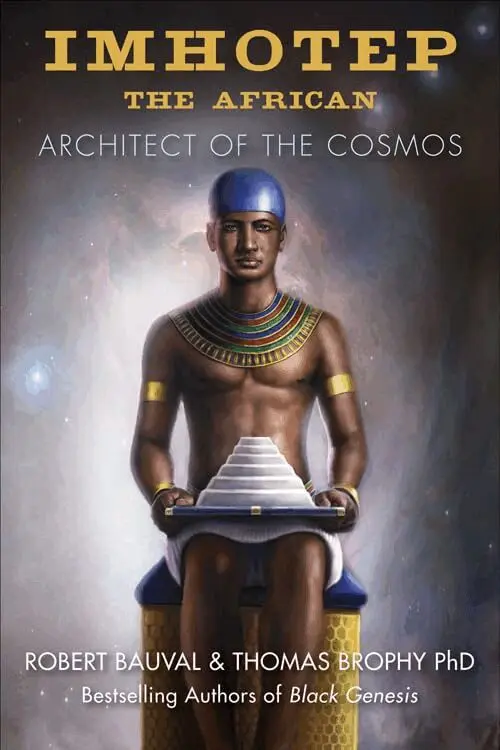
Imhotep the African
Architect of the Cosmos
Av Robert Bauval, Thomas Brophy
Häftad, 2013
335 kr
Lägg i varukorg
In IMHOTEP THE AFRICAN, Egyptologist, Robert Bauval, and astrophysicist, Thomas Brophy, uncover the mystery of Imhotep, ancient Egyptian superstar, pharaonic Da Vinci, Michelangelo, Galileo and Newton all rolled into one. Based on their research at the Step Pyramid Complex at Saqqara, Bauval and …
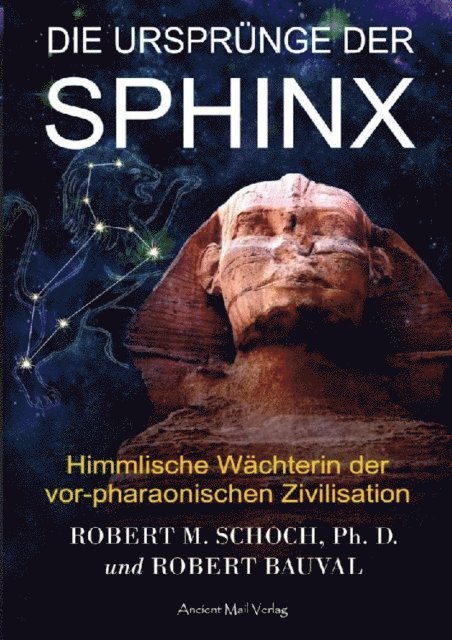
Die Ursprünge der Sphinx
Himmlische Wächterin der vor-pharaonischen Zivilisation
Av Robert Bauval, Robert M. Schoch
E-bok, 2022
136 kr
Lägg i varukorg
Kein anderes Denkmal der Welt verkörpert ein solches Geheimnis wie die Große Sphinx von Gizeh. Sie hat das raue Klima Ägyptens über Tausende von Jahren überlebt und wird noch lange nach dem Verschwinden unserer eigenen Zivilisation bestehen bleiben. Nach der orthodoxen Ägyptologie wurde die Sphinx …
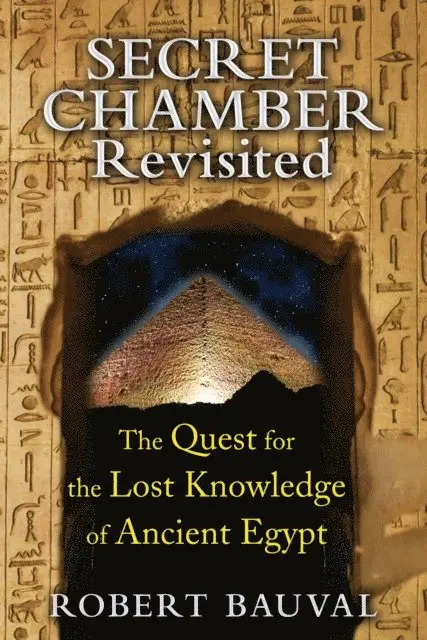
Secret Chamber Revisited
The Quest for the Lost Knowledge of Ancient Egypt
Häftad, 2014
209 kr
Tillfälligt slut
Since 1993 Robert Bauval has been embroiled in the many controversies involving the search for the lost treasures of the pyramid builders and the quest for the legendary Hall of Records of Atlantis. The strange but true story that he unfolds implicates American business moguls, the prestigious …