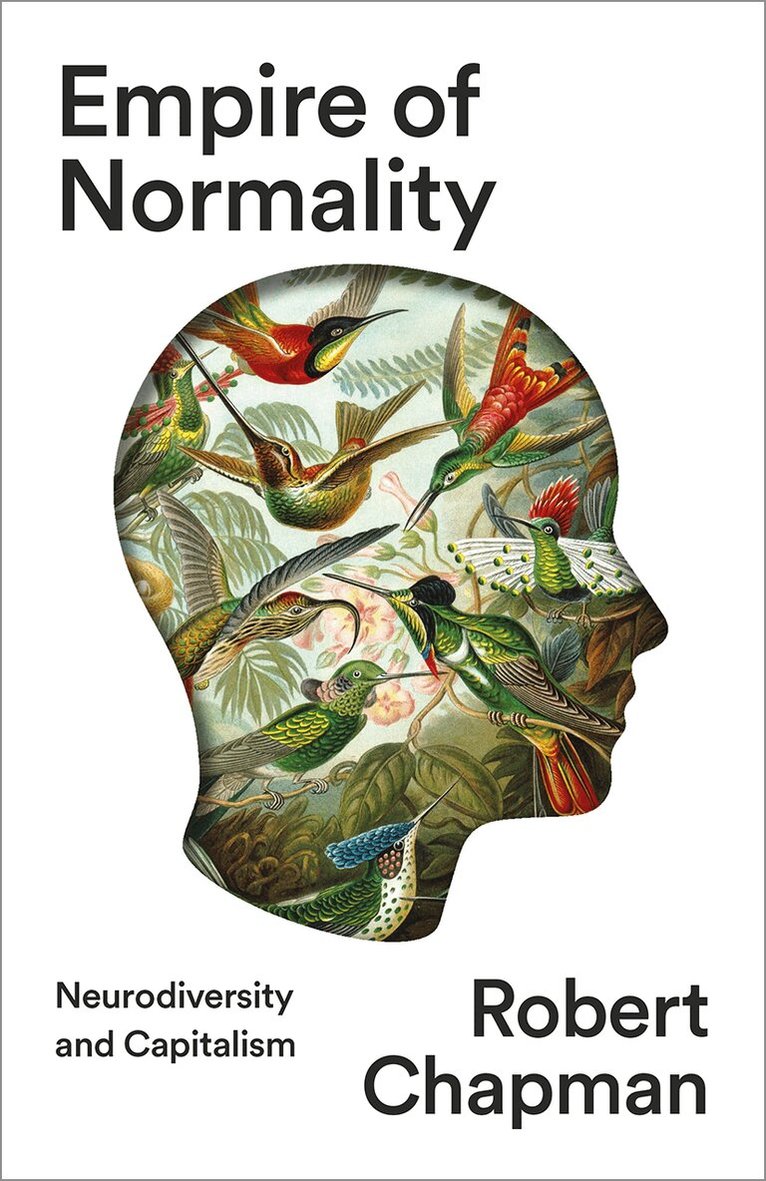
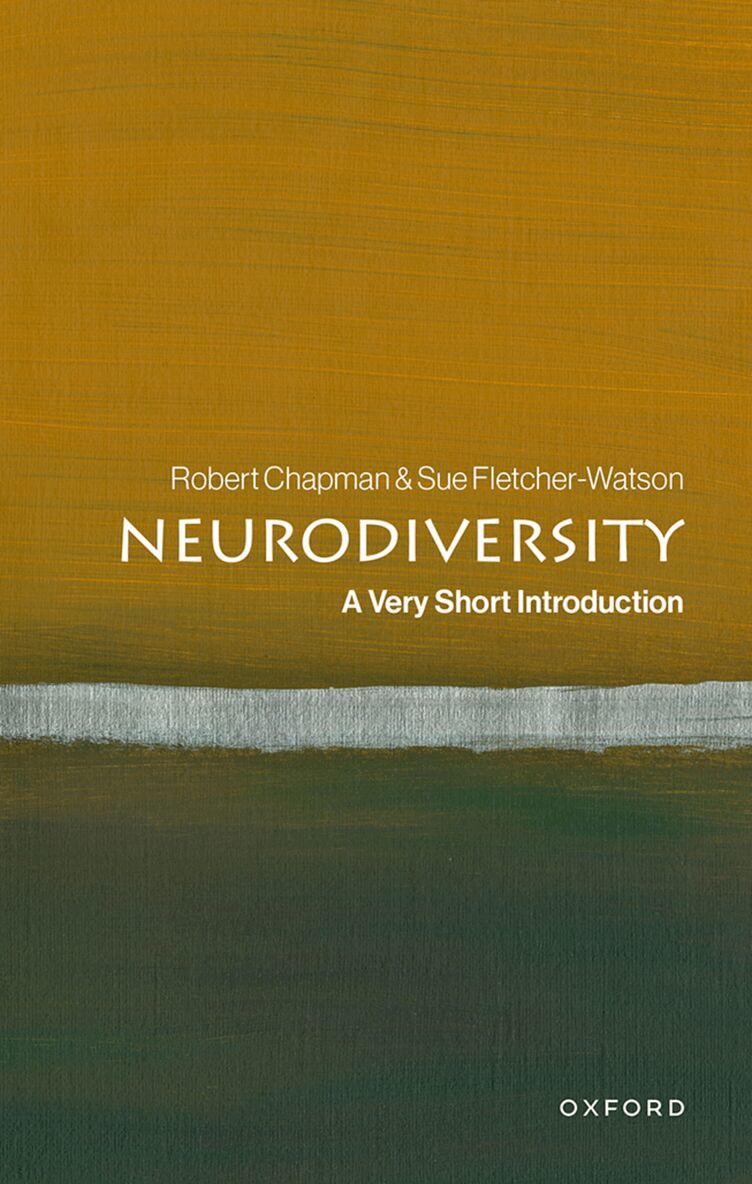
Robert Chapman – författare
191 kr
Skickas inom 5-8 vardagar
132 kr
Skickas inom 5-8 vardagar
89 kr
Läs direkt efter köp
89 kr
Läs direkt efter köp
997 kr
Skickas inom 10-15 vardagar
2 261 kr
Skickas inom 10-15 vardagar
661 kr
Skickas inom 10-15 vardagar
2 259 kr
Skickas inom 10-15 vardagar
675 kr
Skickas inom 10-15 vardagar
2 511 kr
Skickas inom 10-15 vardagar
822 kr
Skickas inom 10-15 vardagar
534 kr
Skickas inom 7-10 vardagar
478 kr
Skickas inom 7-10 vardagar
Proyecto Gatas
Sociedad y Economía en el Sudeste de España c.2500-800 a.n.e.: 1, La Prospección Arqueoecológica
993 kr
Skickas inom 5-8 vardagar
559 kr
Skickas inom 3-6 vardagar
514 kr
Skickas inom 3-6 vardagar
514 kr
Skickas inom 3-6 vardagar
559 kr
Skickas inom 3-6 vardagar
559 kr
Skickas inom 3-6 vardagar
559 kr
Skickas inom 3-6 vardagar
559 kr
Skickas inom 3-6 vardagar
559 kr
Skickas inom 3-6 vardagar
952 kr
Läs direkt efter köp
The Rules of Project Risk Management, 2nd Edition, provides practical experience-based guidance to support the delivery of effective project risk management. While the discipline is recognised as a major contributor to the successful outcome of projects, its implementation is far from straightforward. Successful delivery requires an in-depth understanding of the "ingredients" of effective risk management practices which impact project performance. The book’s value is derived from the description of these ingredients in a manner which will support their practical implementation.
The author describes a series of guidelines (labelled "rules") to support the practical application of project risk management to positively influence project outcomes. The rules are supported by mini case studies of both successful and unsuccessful projects to bring to life the ramifications of effective and poor risk management respectively, and are assembled under seven headings of environment, external stakeholders, organisation and culture, leadership and governance, internal stakeholders, risk resources and system. This second edition contains a new glossary of terms and an overview of the risk management process to enable those new to the subject to understand the core risk management activities. It also contains six more individual guidelines and ten more case studies to support practitioners, researchers and academics alike to gain an even greater appreciation of the drivers of successful project risk management.
Enabling the reader to "get inside" risk management to gain an appreciation of the individual components and "how the engine works", this book is essential reading for project and risk management professionals. While the guidelines are described individually so specific subjects can be examined in detail, they must be considered together, for like a car, specialist carburettors, fuel injection or high-octane fuel on their own do not support improved performance. The guidelines can be considered as the elements that should be taken into account when compiling a risk maturity model to drive incremental improvement in risk management practices.
952 kr
Läs direkt efter köp
The Rules of Project Risk Management, 2nd Edition, provides practical experience-based guidance to support the delivery of effective project risk management. While the discipline is recognised as a major contributor to the successful outcome of projects, its implementation is far from straightforward. Successful delivery requires an in-depth understanding of the "ingredients" of effective risk management practices which impact project performance. The book’s value is derived from the description of these ingredients in a manner which will support their practical implementation.
The author describes a series of guidelines (labelled "rules") to support the practical application of project risk management to positively influence project outcomes. The rules are supported by mini case studies of both successful and unsuccessful projects to bring to life the ramifications of effective and poor risk management respectively, and are assembled under seven headings of environment, external stakeholders, organisation and culture, leadership and governance, internal stakeholders, risk resources and system. This second edition contains a new glossary of terms and an overview of the risk management process to enable those new to the subject to understand the core risk management activities. It also contains six more individual guidelines and ten more case studies to support practitioners, researchers and academics alike to gain an even greater appreciation of the drivers of successful project risk management.
Enabling the reader to "get inside" risk management to gain an appreciation of the individual components and "how the engine works", this book is essential reading for project and risk management professionals. While the guidelines are described individually so specific subjects can be examined in detail, they must be considered together, for like a car, specialist carburettors, fuel injection or high-octane fuel on their own do not support improved performance. The guidelines can be considered as the elements that should be taken into account when compiling a risk maturity model to drive incremental improvement in risk management practices.
357 kr
Skickas inom 5-8 vardagar
442 kr
Skickas inom 5-8 vardagar
200 kr
Skickas inom 5-8 vardagar
314 kr
Skickas inom 5-8 vardagar
797 kr
Läs direkt efter köp
An up-to-date and critical analysis of how archaeologists study past societies, Archaeologies of Complexity addresses the nature of contemporary archaeology and the study of social change, and debates the transition from perceived simple, egalitarian societies to the complex power structures and divisions of our modern world.
Since the eighteenth century, archaeologists have examined complexity in terms of successive types of societies, from early bands, tribes and chiefdoms to states; through stages of social evolution, including ''savagery'', ''barbarism'' and ''civilisation'', to the present state of complexity and inequality.
Presenting a radical, alternative view of ancient state societies, the book explains the often ambiguous terms of ''complexity'', ''hierarchy'' and inequality'' and provides a critical account of the Anglo-American research of the last forty years which has heavily influenced the subject.
797 kr
Läs direkt efter köp
An up-to-date and critical analysis of how archaeologists study past societies, Archaeologies of Complexity addresses the nature of contemporary archaeology and the study of social change, and debates the transition from perceived simple, egalitarian societies to the complex power structures and divisions of our modern world.
Since the eighteenth century, archaeologists have examined complexity in terms of successive types of societies, from early bands, tribes and chiefdoms to states; through stages of social evolution, including ''savagery'', ''barbarism'' and ''civilisation'', to the present state of complexity and inequality.
Presenting a radical, alternative view of ancient state societies, the book explains the often ambiguous terms of ''complexity'', ''hierarchy'' and inequality'' and provides a critical account of the Anglo-American research of the last forty years which has heavily influenced the subject.