Robert G Stevenson - Böcker
Visar alla böcker från författaren Robert G Stevenson. Handla med fri frakt och snabb leverans.
6 produkter
6 produkter
1 209 kr
Tillfälligt slut
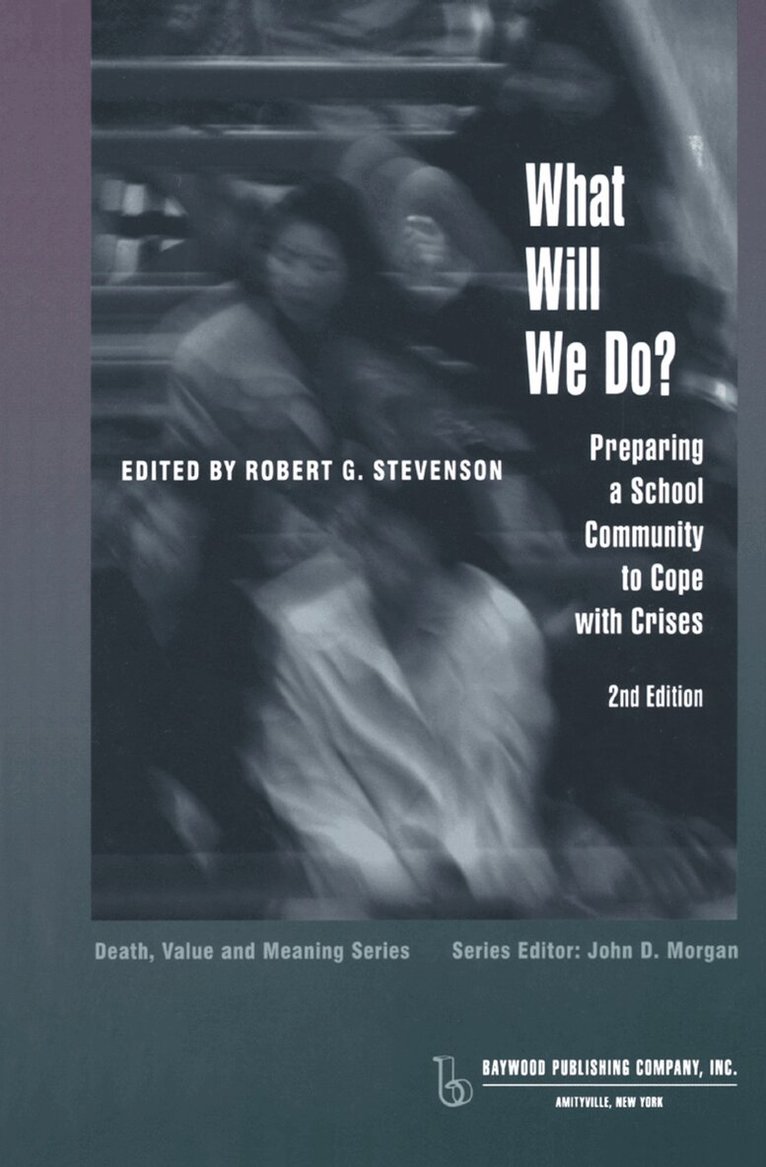
This is the second edition of "What Will We Do?". "Preparing a School Community to Cope With Crises" is a guidebook for educators and parents who wish to understand the importance of both pre- and post-intervention programs in our schools to assist all parties in coping with crises that arise. The book examines the scope and effects (including the potential benefits and possible risks) of programs that target such issues as loss, illness, death, grief, war, and violence. It presents specific steps that can be taken to help prepare a school community to cope with possible future crises. Today's news has shown us with dramatic effect that a crisis can occur at any time, often without warning. Educators and parents must work together if they wish to help young people, and each other, when such a crisis occurs. "What Will We Do?" is a major step in that direction.
1 224 kr
Skickas inom 10-15 vardagar
The second edition of ""What Will We Do? Preparing A School Community to Cope With Crises"" is a guidebook for educators and parents who wish to understand the importance of both pre- and post-intervention programs in our schools to assist all parties in coping with crises that arise. The book examines the scope and effects (including the potential benefits and possible risks) of programs that target such issues as loss, illness, death, grief, war, and violence. It presents specific steps that can be taken to help prepare a school community to cope with possible future crises. Today's news has shown us with dramatic effect that a crisis can occur at any time, often without warning. Educators and parents must work together if they wish to help young people, and each other, when such a crisis occurs. What Will We Do? is a major step in that direction.
2 230 kr
Skickas inom 10-15 vardagar
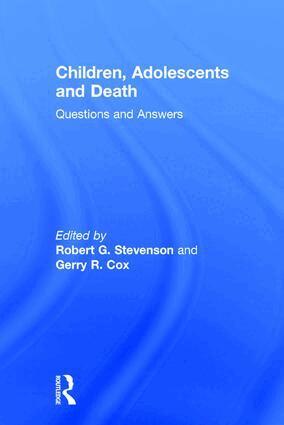
The topic of death and related issues (such as grief) often begin with questions. When the questions come from, or are about, children or adolescents, they bring an additional component…the fear some adults have of giving a “wrong” answer. In this context a wrong answer is one that can cause more harm than good for the child or adolescent who asked the question. This book provides information that can be used to address the death-related questions from children and adolescents. It also looks at questions from caring adults about the way children or adolescents view death and the grief that follows a death or any major loss. Children, Adolescents, and Death covers topics that start with early studies of childhood grief and progress to expression of grief in cyberspace. There is no one answer to most of the questions in this book. There are contributors from a number of continents, countries, cultures, and academic disciplines, each of whom brings a unique view of the topic issues they discuss. There are presentations of practical interventions that others may copy, upon which they can build. There are a number of chapters that look at death education in both family and school settings. This work contains ideas and techniques that can be of value to parents, educators, counselors, therapists, spiritual advisors, caring adults and, of course, will be of the most benefit to those who ask the most questions…the children and adolescents themselves.
849 kr
Skickas inom 10-15 vardagar
The topic of death and related issues (such as grief) often begin with questions. When the questions come from, or are about, children or adolescents, they bring an additional component…the fear some adults have of giving a “wrong” answer. In this context a wrong answer is one that can cause more harm than good for the child or adolescent who asked the question. This book provides information that can be used to address the death-related questions from children and adolescents. It also looks at questions from caring adults about the way children or adolescents view death and the grief that follows a death or any major loss. Children, Adolescents, and Death covers topics that start with early studies of childhood grief and progress to expression of grief in cyberspace. There is no one answer to most of the questions in this book. There are contributors from a number of continents, countries, cultures, and academic disciplines, each of whom brings a unique view of the topic issues they discuss. There are presentations of practical interventions that others may copy, upon which they can build. There are a number of chapters that look at death education in both family and school settings. This work contains ideas and techniques that can be of value to parents, educators, counselors, therapists, spiritual advisors, caring adults and, of course, will be of the most benefit to those who ask the most questions…the children and adolescents themselves.
3 118 kr
Skickas inom 10-15 vardagar
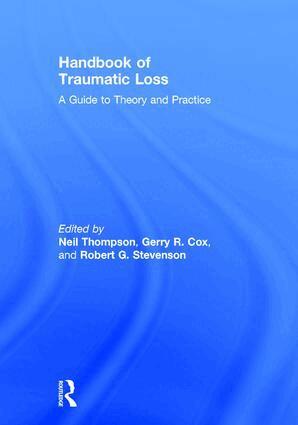
The Handbook of Traumatic Loss adopts a broad, holistic approach that recognizes traumatic loss much more fully as a multidimensional human phenomenon, not simply a medical condition. Initial chapters build a foundation for understanding traumatic loss and explore the many ways we respond to trauma. Later chapters counterbalance the individualistic focus of dominant approaches to traumatic loss by highlighting a number of thought-provoking social dimensions of traumatic loss. Each chapter emphasizes different aspects of traumatic loss and argues for ways in which clinicians can help deal with its many and varied impacts.
1 666 kr
Skickas inom 10-15 vardagar
The Handbook of Traumatic Loss adopts a broad, holistic approach that recognizes traumatic loss much more fully as a multidimensional human phenomenon, not simply a medical condition. Initial chapters build a foundation for understanding traumatic loss and explore the many ways we respond to trauma. Later chapters counterbalance the individualistic focus of dominant approaches to traumatic loss by highlighting a number of thought-provoking social dimensions of traumatic loss. Each chapter emphasizes different aspects of traumatic loss and argues for ways in which clinicians can help deal with its many and varied impacts.