Robert J. Sharer – författare
Visar alla böcker från författaren Robert J. Sharer. Handla med fri frakt och snabb leverans.
10 produkter
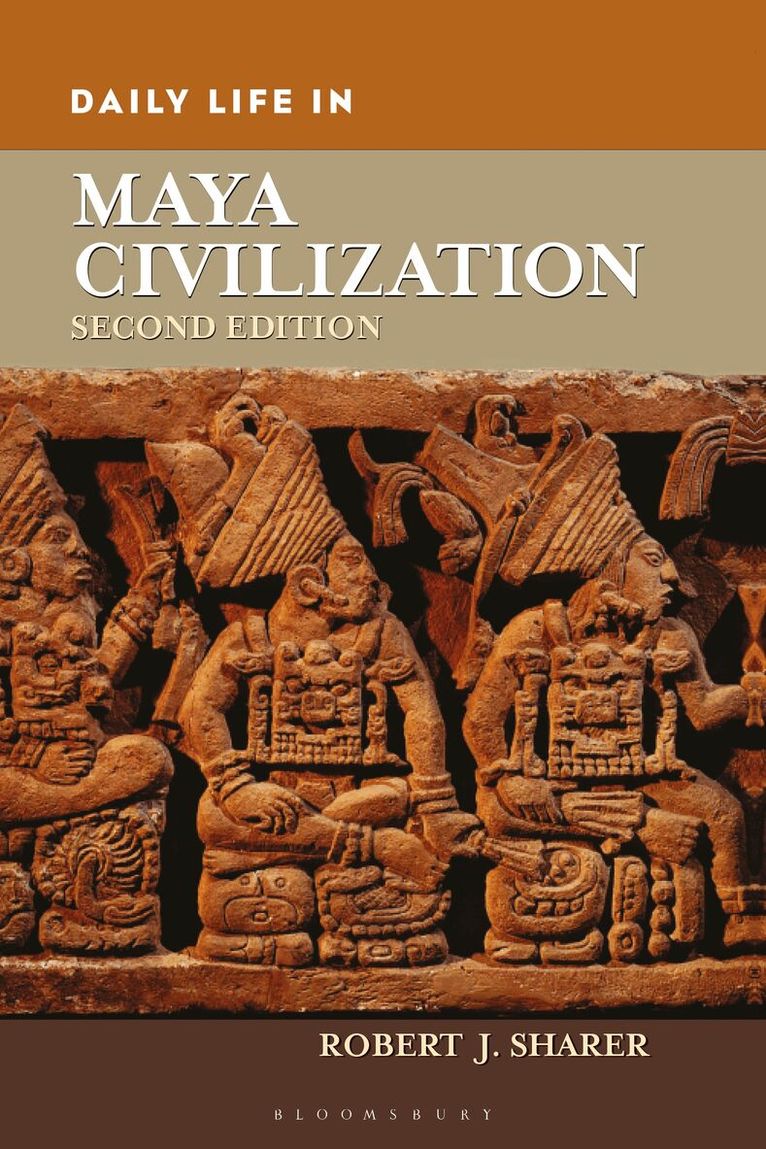
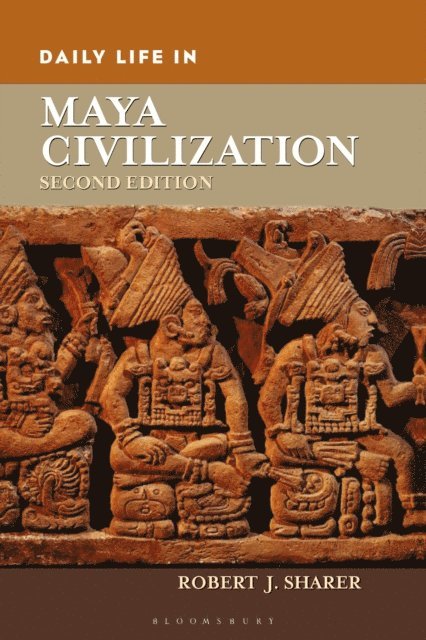
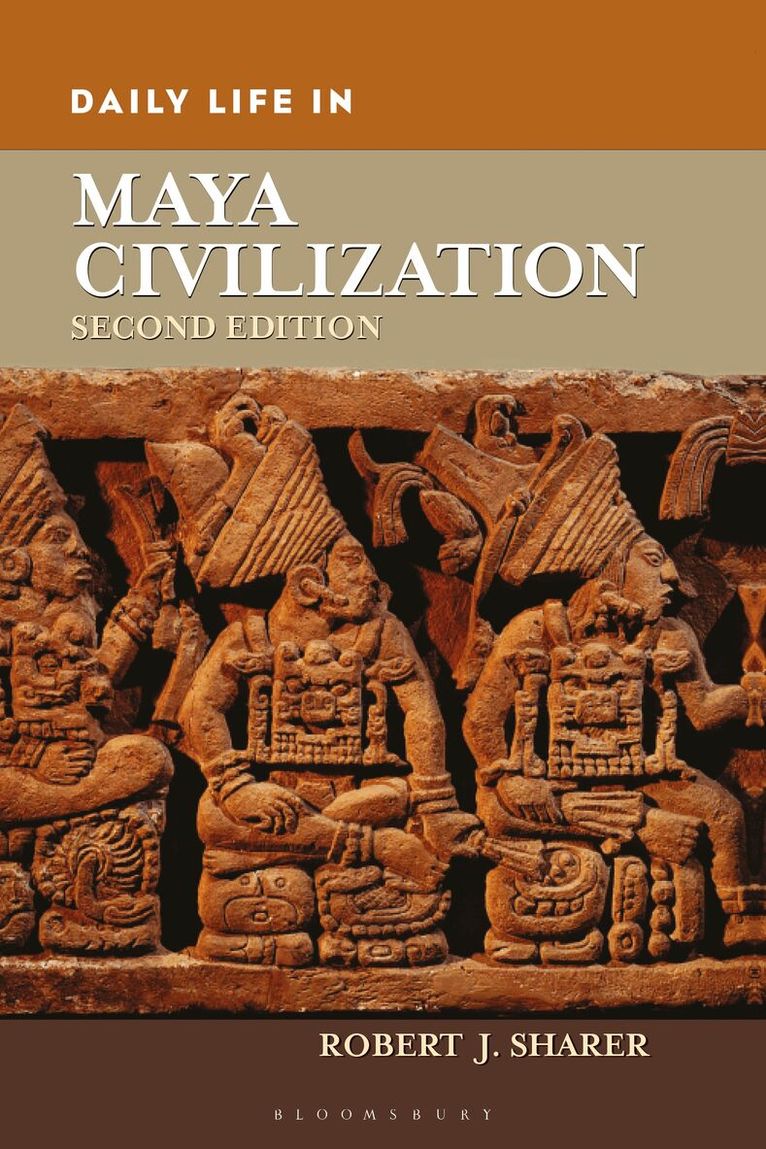
Daily Life in Maya Civilization
Inbunden, 2009
807 kr
Lägg i varukorg
Experience daily life in Maya civilization, from its earliest beginnings to the Spanish conquest in the 16th century. Narrative chapters describe Mayan political life, economy, social structure, religion, writing, warfare, and scientific methods. Readers will explore the Mayan calendar, counting …
Daily Life in Maya Civilization
E-bok, 2009
369 kr
Lägg i varukorg
Experience daily life in Maya civilization, from its earliest beginnings to the Spanish conquest in the 16th century. Narrative chapters describe Mayan political life, economy, social structure, religion, writing, warfare, and scientific methods. Readers will explore the Mayan calendar, counting …
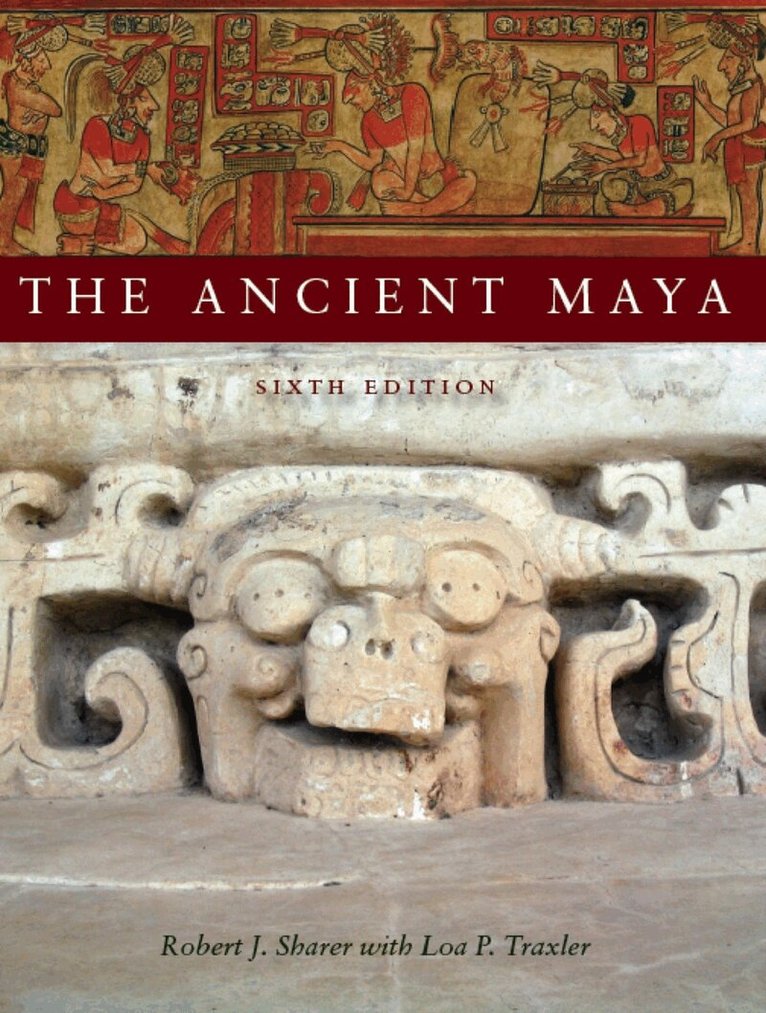
Ancient Maya, 6th Edition
Av Robert J. Sharer, Loa P. Traxler
Häftad, 2005
485 kr
Lägg i varukorg
This book traces the evolution of Maya civilization through the Pre-Columbian era, a span of some 2,500 years from the origins of complex society within Mesoamerica to the end of the Pre-Columbian world with the Spanish Conquest in the 16th century. The sixth edition presents new archaeological …
Maya Ceramics, Part i
Papers from the 1985 Maya Ceramic Conference
Av Prudence M Rice, Robert J Sharer
Häftad, 1987
399 kr
Lägg i varukorg
Maya Ceramics, Part ii
Papers from the 1985 Maya Ceramic Conference
Av Prudence M Rice, Robert J Sharer
Häftad, 1987
399 kr
Lägg i varukorg
Daily Life in Maya Civilization
E-bok, 2009
358 kr
Lägg i varukorg
Experience daily life in Maya civilization, from its earliest beginnings to the Spanish conquest in the 16th century. Narrative chapters describe Mayan political life, economy, social structure, religion, writing, warfare, and scientific methods. Readers will explore the Mayan calendar, counting …
Daily Life in Maya Civilization
Häftad, 2023
341 kr
Lägg i varukorg
Experience daily life in Maya civilization, from its earliest beginnings to the Spanish conquest in the 16th century. Narrative chapters describe Mayan political life, economy, social structure, religion, writing, warfare, and scientific methods. Readers will explore the Mayan calendar, counting …
New Theories on the Ancient Maya
Av Elin C. Danien, Robert J. Sharer m. fl.
Inbunden, 1992
1042 kr
Tillfälligt slut
Papers from the 1987 Maya Weekend conference at the University of Pennsylvania Museum present current views of Maya culture and language. Also included is an article by George Stuart summarizing the history of the study of Maya hieroglyphs and the fascinating scholars and laypersons who have helped …
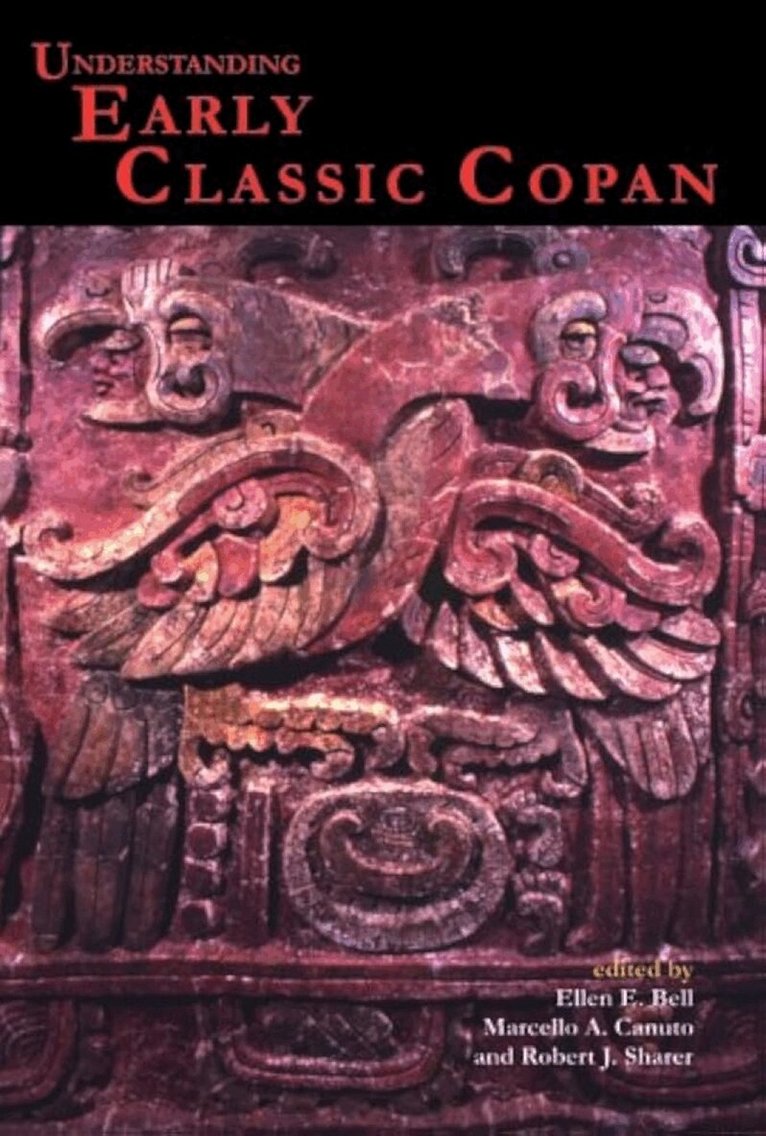
Understanding Early Classic Copan
Av Ellen E. Bell, Marcello A. Canuto m. fl.
Inbunden, 2003
921 kr
Tillfälligt slut
The first volume to focus on the Early Classic context (A.D. 400-650) of the Maya city of CopAn combines and synthesizes many different research methods and disciplines, interpreting data that contradict, enhance, and supplement previous work. Its methods are conjunctive, including and integrating …
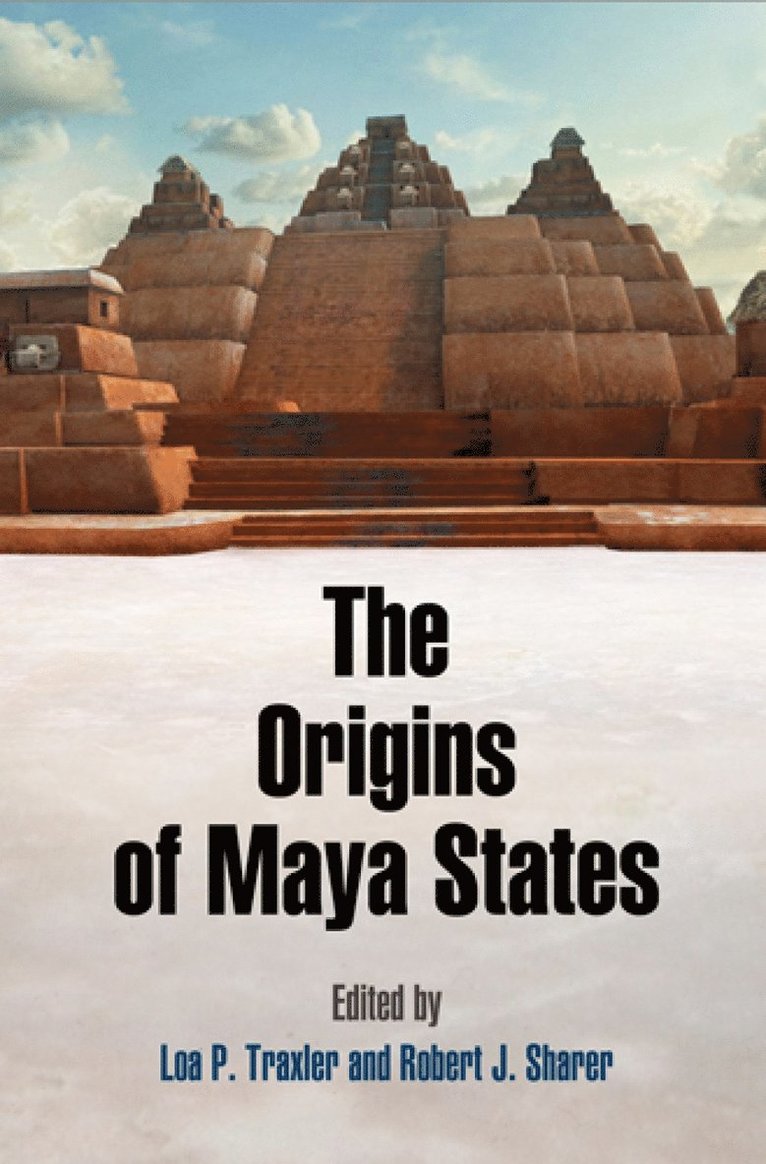
Origins of Maya States
Av Loa P. Traxler, Robert J. Sharer
Inbunden, 2017
1789 kr
Tillfälligt slut
The Pre-Columbian Maya were organized into a series of independent kingdoms or polities rather than unified into a single state. The vast majority of studies of Maya states focus on the apogee of their development in the classic period, ca. 250-850 C.E. As a result, Maya states are defined …