Robert Kagan – författare
Visar alla böcker från författaren Robert Kagan. Handla med fri frakt och snabb leverans.
20 produkter
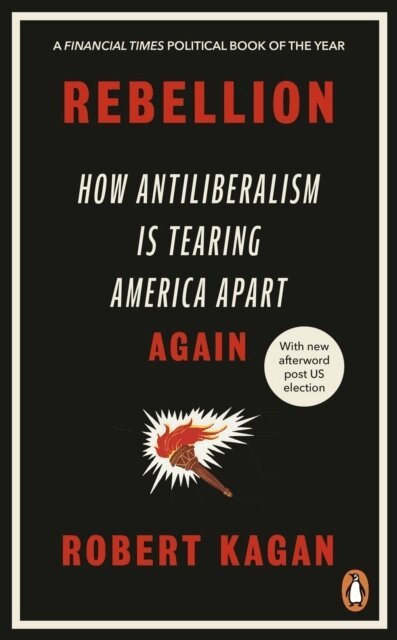
Rebellion
How Antiliberalism Is Tearing America Apart Again
Av Robert Kagan
Häftad, 2025
133 kr
Lägg i varukorg
'The transformation of the US into an autocracy has advanced...Nobody has outlined this danger more compellingly than Robert Kagan.' - Martin Wolf, Financial TimesA chilling and clear-eyed warning about the threats to our democracy posed by the increasing radicalization of the Republican Party, …
Return of History and the End of Dreams
Av Robert Kagan
E-bok, 2008
110 kr
Lägg i varukorg
Hopes for a new peaceful international order after the end of the Cold War have been dashed by sobering realities: Great powers are once again competing for honor and influence. The world remains “unipolar,” but international competition among the United States, Russia, China, Europe, Japan, India, …
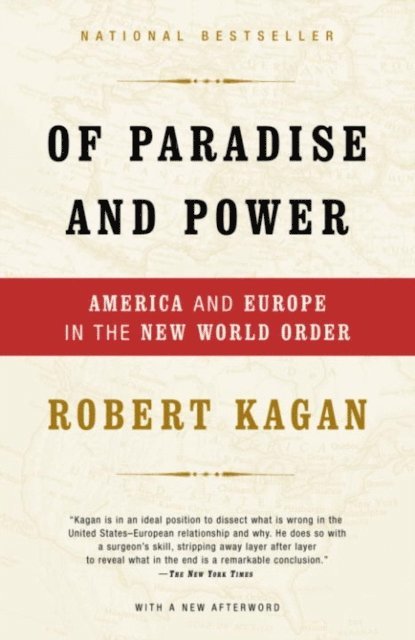
Of Paradise and Power
America and Europe in the New World Order
Av Robert Kagan
E-bok, 2007
173 kr
Lägg i varukorg
At a time when relations between the United States and Europe are at their lowest ebb since World War II, this brief but cogent book is essential reading. Robert Kagan, a leading scholar of American foreign policy, forces both sides to see themselves through the eyes of the other. Europe, he …
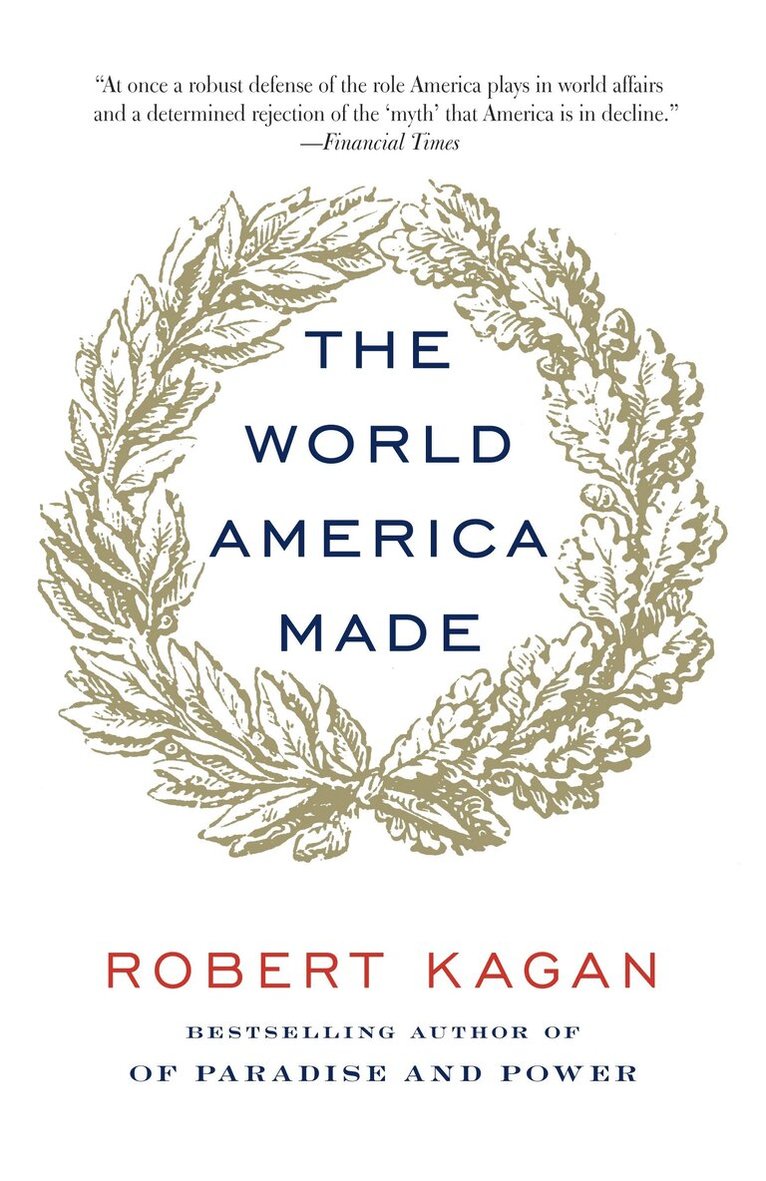
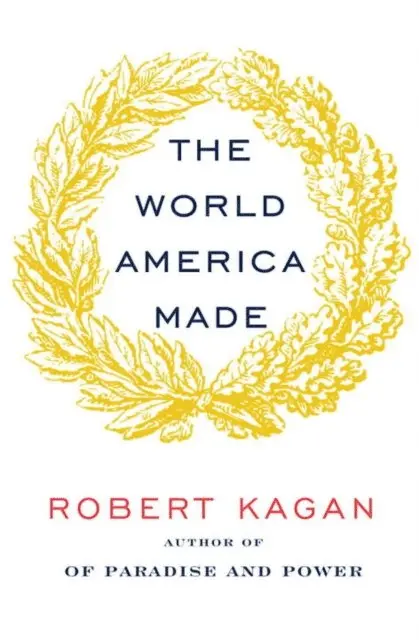
World America Made
Av Robert Kagan
E-bok, 2012
166 kr
Lägg i varukorg
What would the world look like if America were to reduce its role as a global leader in order to focus all its energies on solving its problems at home? And is America really in decline? Robert Kagan, New York Times best-selling author and one of the country’s most influential strategic thinkers, …
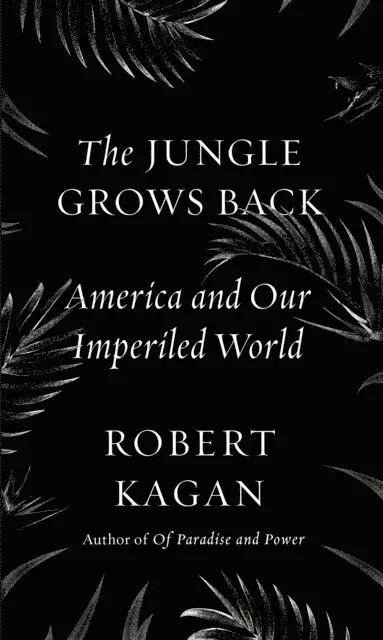
Jungle Grows Back
America and Our Imperiled World
Av Robert Kagan
E-bok, 2018
91 kr
Lägg i varukorg
"An incisive, elegantly written, new book about America’s unique role in the world." --Tom Friedman , The New York Times A brilliant and visionary argument for America''s role as an enforcer of peace and order throughout the world--and what is likely to happen if we withdraw and focus our attention …
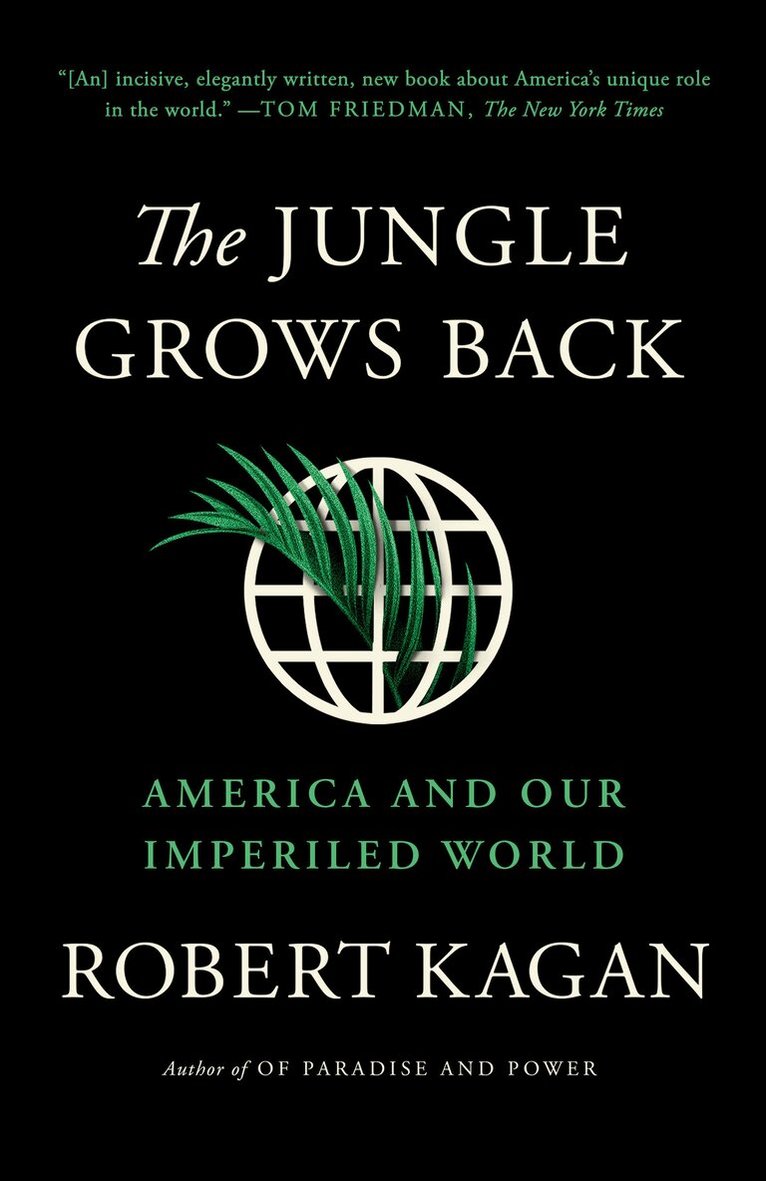
Jungle Grows Back
Av Robert Kagan
Häftad, 2019
248 kr
Lägg i varukorg
A brilliant and visionary argument for America's role as an enforcer of peace and order throughout the world—and what is likely to happen if we withdraw and focus our attention inward. Recent years have brought deeply disturbing developments around the globe. American sentiment seems to be leaning …
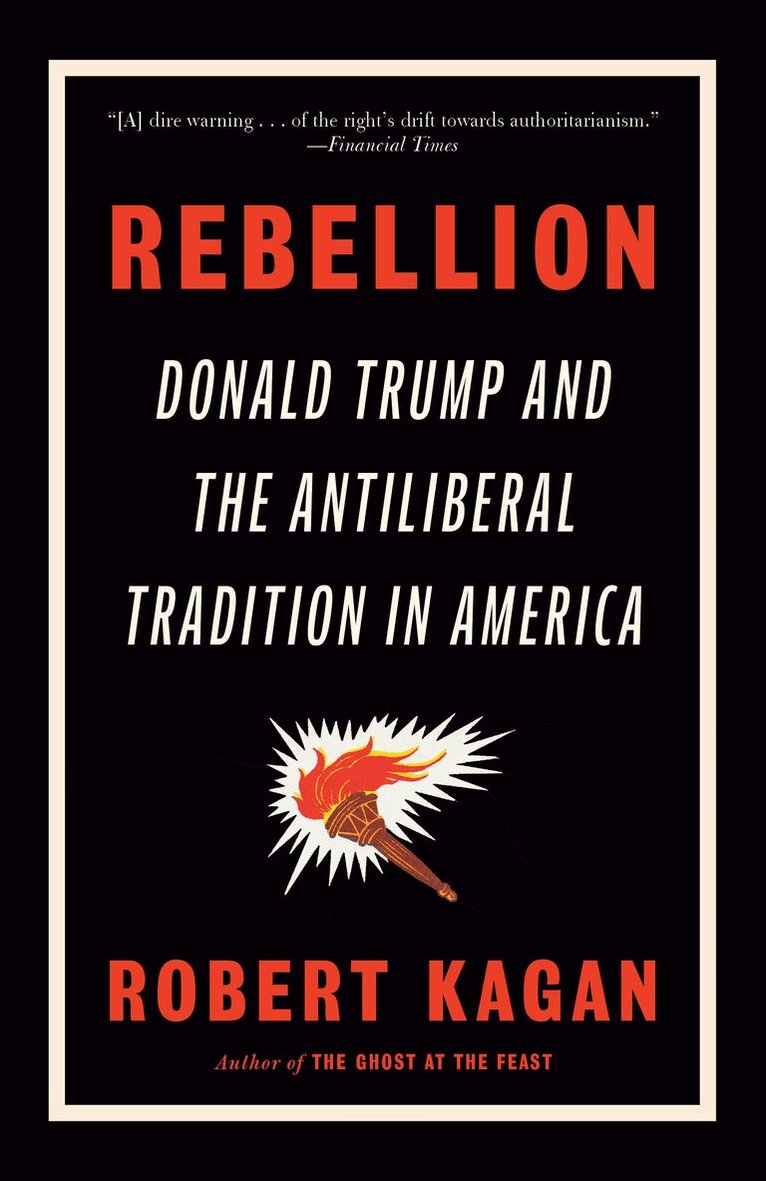
Rebellion
Donald Trump and the Antiliberal Tradition in America
Av Robert Kagan
Häftad, 1900
196 kr
Lägg i varukorg
Could the 2024 election have been the last free election held in a unified America? • "A dire warning of the right’s drift towards authoritarianism.” — Financial Times Published in the run-up to Donald Trump’s victory, Rebellion sounded a chilling and clear-eyed warning about the threats posed to …
The Ghost at the Feast
America and the Collapse of World Order, 1900-1941
Av Robert Kagan
Häftad, 2024
321 kr
Lägg i varukorg
A comprehensive, sweeping history of America’s rise to global superpower—from the Spanish-American War to World War II—by the acclaimed author of Dangerous Nation “With extraordinary range and research, Robert Kagan has illuminated America’s quest to reconcile its new power with its historical …
Present Dangers
Crisis and Opportunity in Americas Foreign and Defense Policy
Av William Kristol, Robert Kagan
E-bok, 2014
212 kr
Lägg i varukorg
This original collection of essays offers hope to those who believe that the cause of world peace requires a new American foreign policy and repairing our depleted military. The twelve contributors to this book show why America must take another look at our possible adversaries and real strategic …
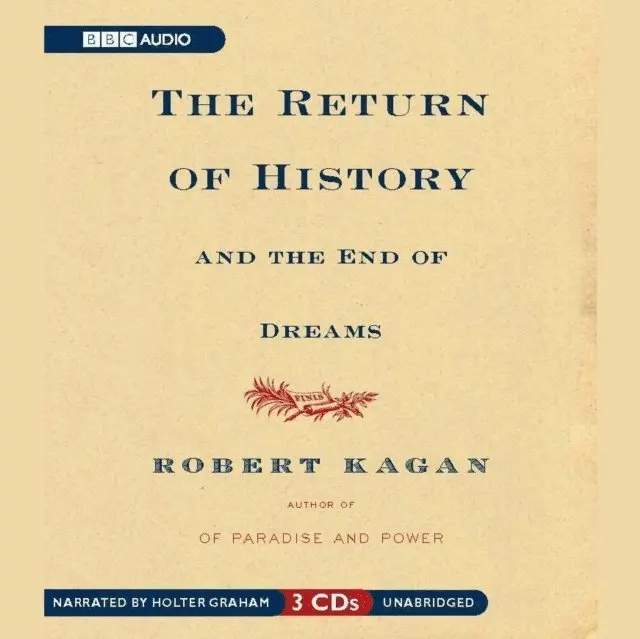
Return of History and the End of Dreams
Av Robert Kagan
Ljudbok, 2008
214 kr
Lägg i varukorg
Post-Cold War, the world remains "unipolar," but international competition among the United States, Russia, China, Europe, Japan, India, and Iran raise new threats of regional conflict. Communism is dead, but a new contest between western liberalism and the great eastern autocracies of Russia and …
Liberties Journal of Culture and Politics
Summer 2022
Av Robert Kagan, Oksana Forostyna m. fl.
Häftad, 2022
197 kr
Lägg i varukorg
“A Meteor of Intelligent Substance” “Something was Missing in our Culture, and Here It Is” "Liberties is THE place to be.”Liberties, a journal of Culture and Politics, is essential reading for those engaged in the cultural and political issues and causes of our time.Liberties features serious, …
Rebellion
How Antiliberalism Is Tearing America Apart--Again
Av Robert Kagan
Inbunden, 2024
310 kr
Tillfälligt slut
Could the 2024 election have been the last free election held in a unified America? • "A dire warning of the right’s drift towards authoritarianism.” — Financial Times Published in the run-up to Donald Trump’s victory, Rebellion sounded a chilling and clear-eyed warning about the threats posed to …
Rebellion
How Antiliberalism Is Tearing America Apart Again
Av Robert Kagan
Inbunden, 2024
5,0 utav 5 stjärnor. Totalt antal röster: (1)
224 kr
Tillfälligt slut
*** A Financial Times best political book of the year***'The transformation of the US into an autocracy has advanced... It might be irreversible [and] will change almost everything in the world. Nobody has outlined this danger more compellingly than Robert Kagan' - Martin Wolf, Financial TimesA …
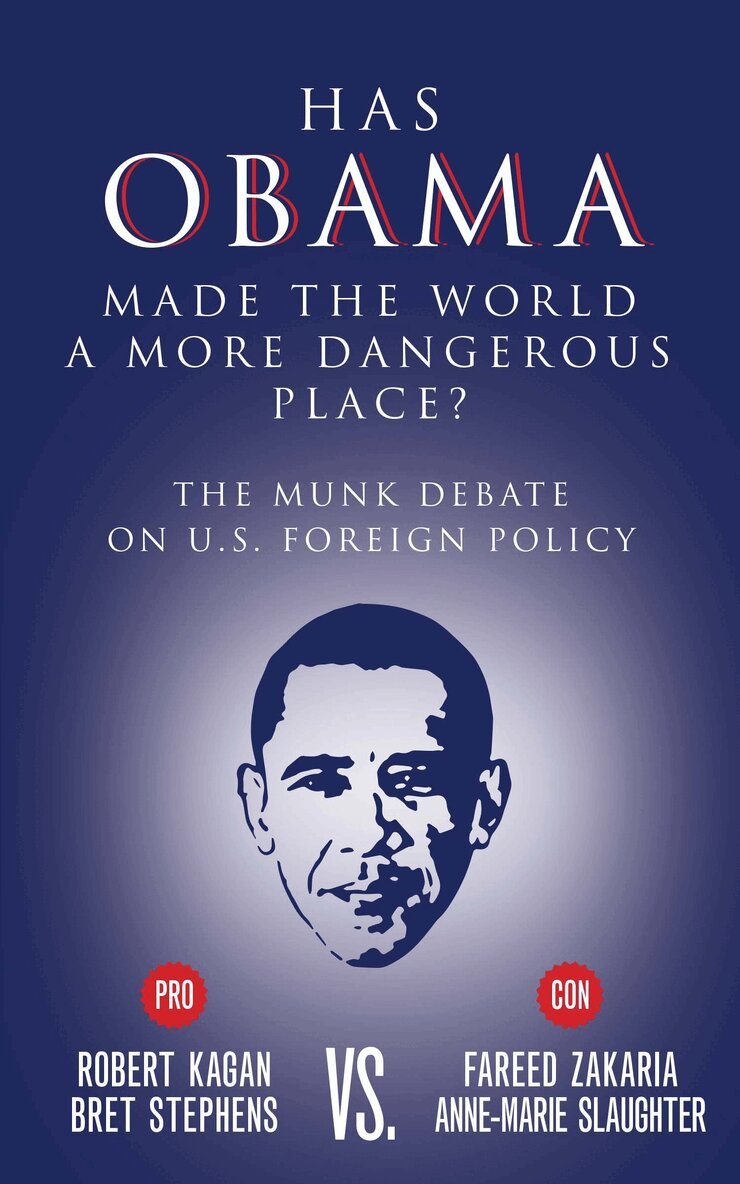
Has Obama Made the World a More Dangerous Place?
The Munk Debate on U.S. Foreign Policy
Av Bret Stephens, Fareed Zakaria m. fl.
Häftad, 2015
149 kr
Tillfälligt slut
The fourteenth semi-annual Munk Debate, which will be held in Toronto on November 5, 2014, pits Bret Stephens and Robert Kagan against Fareed Zakaria and Anne-Marie Slaughter to debate the legacy of President Obama.From Ukraine to the Middle East to China, the United States is redefining its role …
Paradise and Power
America and Europe in the New World Order
Av Robert Kagan
Häftad, 2004
105 kr
Tillfälligt slut
After years of mutual resentment and tension, there is a sudden recognition that the real interests of America and its allies are diverging sharply and that the transatlantic relationship itself has changed, possibly irreversibly. Europe sees the United States as high-handed, unilateralist, and …
Return of History and the End of Dreams
Av Robert Kagan
Häftad, 2009
98 kr
Tillfälligt slut
Hopes for a new peaceful international order after the end of the Cold War have been dashed by sobering realities. International competition between the United States, Russia, China, Europe, Japan, India, and Iran raises new threats of regional conflict. The expectation that after the Cold War the …
Present Dangers
Crisis and Opportunity in Americas Foreign and Defense Policy
Av Robert Kagan, William Kristol
Inbunden, 2000
199 kr
Tillfälligt slut
This original collection offers hope to those who believe that the cause of world peace requires a new American foreign policy and repairing our depleted military. The twelve contributors to this book show why America must take another look at our possible adversaries and real strategic partners. …