Robert L. Findling – författare
3 153 kr
Skickas inom 3-6 vardagar
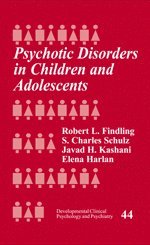
Psychotic disorders are frequently misunderstood and/or misdiagnosed by many clinicians that deal with children, including clinical social workers, mental health counselors, child psychiatrists, and child psychologists. Many times it is difficult for a mental health professional to determine whether the problematic behaviors exhibited (such as hearing voices and seeing things that do not exist) are the result of an altered normal developmental process or the result of a serious mental disorder. Psychotic Disorders in Children and Adolescents will provide mental health professionals and students a resource that contains specific information needed to assess better the exact nature of what is affecting the young patient. The book addresses normal developmental process and cultural influences vs. psychotic disorders; normal grief vs. pathological grief vs. depression; and brief psychotic episodes vs. organic and chronic types of psychosis.
2 179 kr
Skickas inom 3-6 vardagar
Psychotic disorders are frequently misunderstood and/or misdiagnosed by many clinicians that deal with children, including clinical social workers, mental health counselors, child psychiatrists, and child psychologists. Many times it is difficult for a mental health professional to determine whether the problematic behaviors exhibited (such as hearing voices and seeing things that do not exist) are the result of an altered normal developmental process or the result of a serious mental disorder. Psychotic Disorders in Children and Adolescents will provide mental health professionals and students a resource that contains specific information needed to assess better the exact nature of what is affecting the young patient. The book addresses normal developmental process and cultural influences vs. psychotic disorders; normal grief vs. pathological grief vs. depression; and brief psychotic episodes vs. organic and chronic types of psychosis.
960 kr
Skickas inom 5-8 vardagar
901 kr
Skickas inom 5-8 vardagar
1 019 kr
Läs direkt efter köp
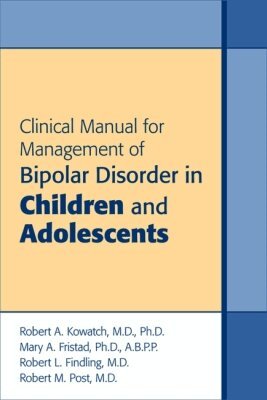
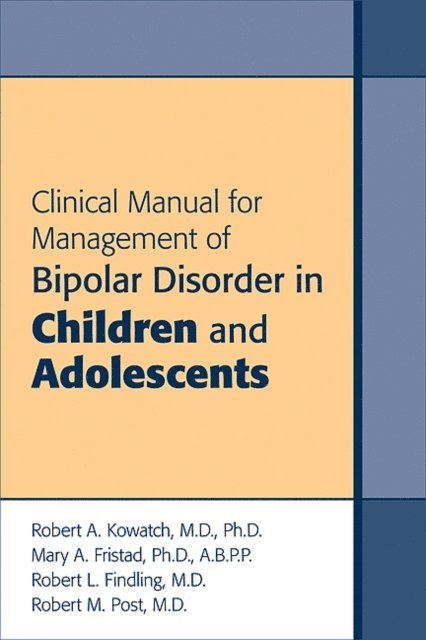
Clinical Manual for Management of Bipolar Disorder in Children and Adolescents was written in response to the growing body of knowledge surrounding pediatric bipolar illness and the underlying biological, environmental, and psychosocial influences that exacerbate symptoms and behavior. Written to provide clinically useful information about diagnosis and management, this manual is a comprehensive collection of empirical evidence, case studies, and the growing number of evidence-based reports on pediatric bipolar disorder over the past five years.
This manual also contains several chapters provided by Dr. Mary Fristad and her team at The Ohio State University -- experts in family and psychosocial aspects of pediatric bipolar disorder. Her contributions, along with vast clinical evidence and the expertise provided by Drs. Kowatch, Findling, and Post, help paint an accurate picture of everything from age onset to the effectiveness of various therapies. In this manual, clinicians can refer to the following tools: A clinical description of childhood and adolescent bipolar disorder Management strategies for the patient including daily mood charting Current medication strategies and tactics Ways to help patients through the educational system Resources for clinicians, parents and patients A review of the future directions for childhood and adolescent bipolar disorder
The many new developments in the field of pediatric bipolar disorder are affirming what this manual emphasizes -- that a combination of family and cognitive-behavior therapy can work in tandem with medical treatments to help young bipolar disorder patients achieve a more balanced life and a greater chance of controlling this illness later in life. The manual demonstrates how the medical community has shifted from asking, "Does bipolar disorder really exist in children and adolescents" to "How can we best predict, diagnose and treat this serious medical disorder" through a review of 25 years of study and insight.
1 103 kr
Läs direkt efter köp
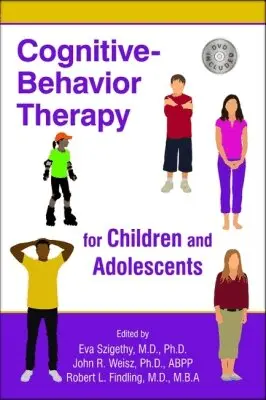
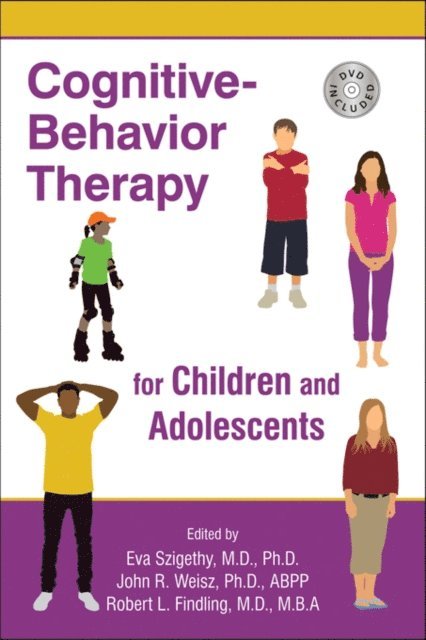
Cognitive-Behavior Therapy for Children and Adolescents provides readers with the defining fundamentals of CBT in an accessible, down-to-earth style. In addition, a well-integrated, developmentally appropriate approach is detailed for a number of the mental disorders and conditions that are most common among children and adolescents. This unique work provides the following: Explications of innovative CBT techniques in the treatment of children with chronic physical illness and depressive, bipolar, anxiety (including OCD and PTSD), eating, elimination, and disruptive behavior disorders A comprehensive chapter features the clinical implications and applications of combining CBT with psychopharmacological treatment Videos on the accompanying DVD demonstrate CBT techniques with children or adolescents with depression, anxiety, OCD, eating disorder, medical illness, and disruptive behavior disorder Guidance for integrating parents and families into the child''s treatment is shared for every disorder covered in the book Extensive case examples, key clinical points, and self-assessment questions and answers will further equip readers to effectively and thoughtfully apply CBT Useful chapter appendixes include accessible tables of CBT concepts; patient and parent handouts; and clinical exercises, activities, and tools that further augment the text Finally, because factors such as race, ethnicity, religion, immigration status, and sexual orientation may affect the therapeutic relationship, diagnosis, and treatment of patients, a separate chapter on conducting effective CBT with culturally diverse children and adolescents is provided.
Clinicians will gain a robust understanding of CBT practice with children and adolescents -- so that they can also do it -- and do it effectively. This unique, easy-to-use guide is an invaluable and worthy reference for all mental health practitioners who work with children and adolescents. No other text on the subject will match it.
1 084 kr
Skickas inom 5-8 vardagar
606 kr
Skickas
735 kr
Läs direkt efter köp
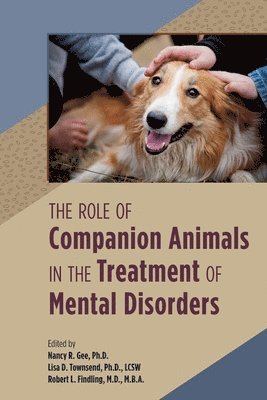
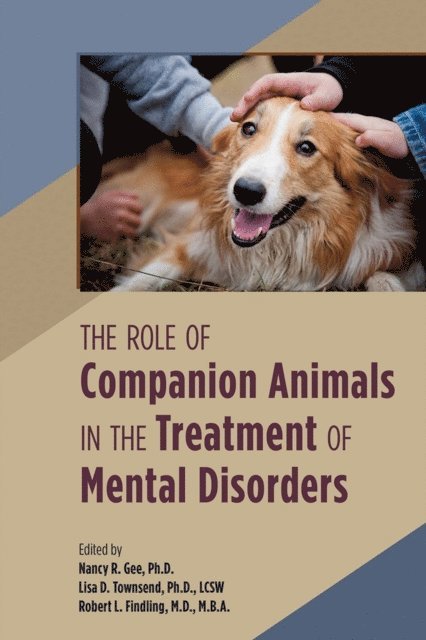
From ancient literature to modern fiction and research reports in professional literature, the bond between humans and animals has been extensively documented. Although 70% of American households would vouch for the benefits of companion animals, the decision about whether to implement animal-based interventions for mental disorders is not always a simple one.
Unique both for its subject matter and for the depth of the information it provides, The Role of Companion Animals in the Treatment of Mental Disorders examines the existing evidence to support these practices as well as the risks associated with various types of programs.
This volume combines a thorough analysis of the latest research with practical examples and explores topics that include
• Ensuring animal welfare and well-being, with an emphasis on understanding applicable laws and regulations• Animal-assisted crisis interventions to prevent the onset of PTSD in individuals who have experienced significant traumas, such as natural disasters• Animal-assisted programs for youths at risk for mental disorders secondary to child maltreatment or contact with the juvenile justice system• Human-animal interaction (HAI) in specific disorders, including ADHD, autism spectrum disorder, depression, dementia, and anxiety• The application of HAIs in university campuses, hospital settings, and psychotherapy
As applicable for trainees and residents as it is for experienced mental health professionals, this book offers a scientifically grounded review of extant knowledge while highlighting what is not yet known about animal-based interventions in particular patient groups.
Readers will come away with an understanding of the role that animals can play in mitigating psychiatric symptoms, engaging patients in treatment, and enhancing well-being—as well as key principles and considerations for determining whether an animal-based intervention is appropriate for a given patient.
874 kr
Skickas
1 143 kr
Läs direkt efter köp
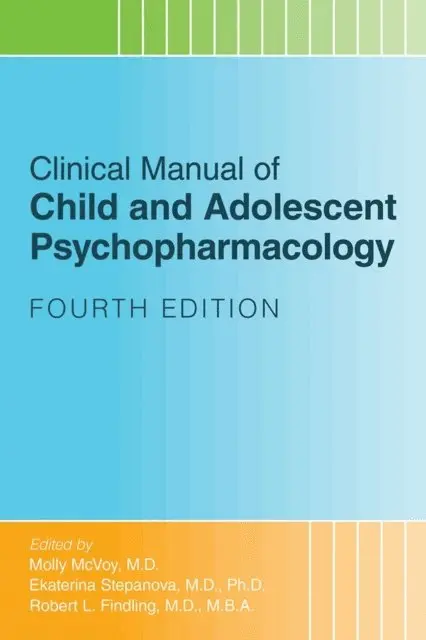
Updated to include a succinct yet thorough review of the most recent evidence-based information and data-driven best treatment practices in child and adolescent psychiatry, this fourth edition of the Clinical Manual of Child and Adolescent Psychopharmacology not only examines the evidence for treating mental health disorders in younger patients but also illuminates how clinical trials of various methodologies can inform different aspects of clinical practice.
Organized by DSM-5-TR diagnosis rather than drug class, this clinically accessible volume offers an exhaustive analysis of the use of psychotropic agents in disorders that include
• Attention-deficit/hyperactivity disorder• Depressive disorders• Autism spectrum disorder• Early schizophrenia and psychotic illnesses• Eating disorders
Comprehensive medication tables allow for easy reference of dosing, side effects, and tips for management. Additionally, key points at the conclusion of each chapter summarize essential information for treating clinicians.
With a depth of information unmatched by any other guide, this new edition of the Clinical Manual of Child and Adolescent Psychopharmacology is an indispensable desktop reference for clinicians working with young patients.