Robert Maliva – författare
Visar alla böcker från författaren Robert Maliva. Handla med fri frakt och snabb leverans.
6 produkter
6 produkter
Inbunden, Engelska, 2021
1 307 kr
Skickas inom 10-15 vardagar
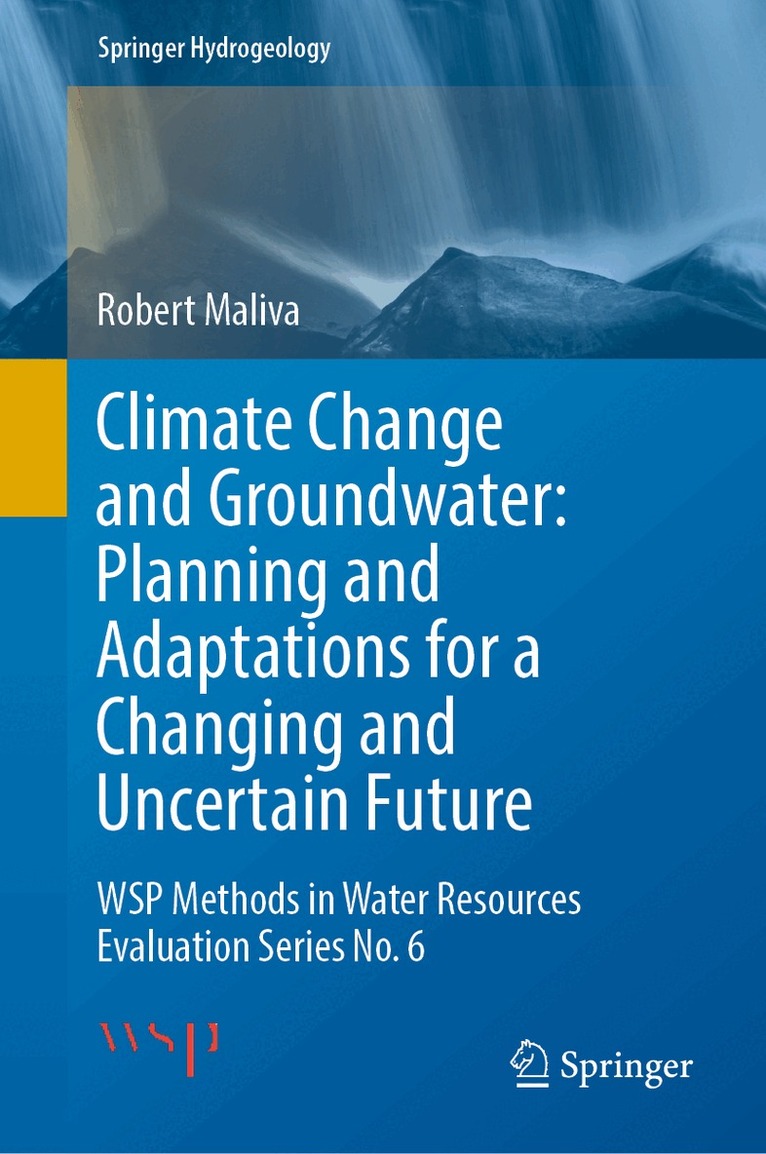
This book attempts to bridge the gap between the climate change research and decision-making communities by exploring the impacts of climate change on groundwater from a more applied perspective. Global climate change will impact groundwater demands, quality, and available supplies, and rising sea level may cause water tables to rise, inundating low-lying coastal areas. Groundwater will increasingly be needed to perform a stabilization role in mitigating fluctuations in the supply of surface waters, serving as a buffer against droughts. Climate change has become a frequent subject in the mass media, and the academic literature on the subject is now enormous. An impediment to climate change adaptation with respect to water is a poor link between the climate change research community and the actual decision-makers responsible for water supply planning. Key issues explored are methods for evaluating potential impacts on climate change on local groundwater systems, the adaptation of decision-making process, and how climate change adaptation can be mainstreamed into the water supply planning.
E-bok
Engelska, 20211 138 kr
Läs direkt efter köp
This book attempts to bridge the gap between the climate change research and decision-making communities by exploring the impacts of climate change on groundwater from a more applied perspective. Global climate change will impact groundwater demands, quality, and available supplies, and rising sea level may cause water tables to rise, inundating low-lying coastal areas. Groundwater will increasingly be needed to perform a stabilization role in mitigating fluctuations in the supply of surface waters, serving as a buffer against droughts. Climate change has become a frequent subject in the mass media, and the academic literature on the subject is now enormous. An impediment to climate change adaptation with respect to water is a poor link between the climate change research community and the actual decision-makers responsible for water supply planning. Key issues explored are methods for evaluating potential impacts on climate change on local groundwater systems, the adaptation of decision-making process, and how climate change adaptation can be mainstreamed into the water supply planning.
Häftad, Engelska, 2022
928 kr
Skickas inom 10-15 vardagar
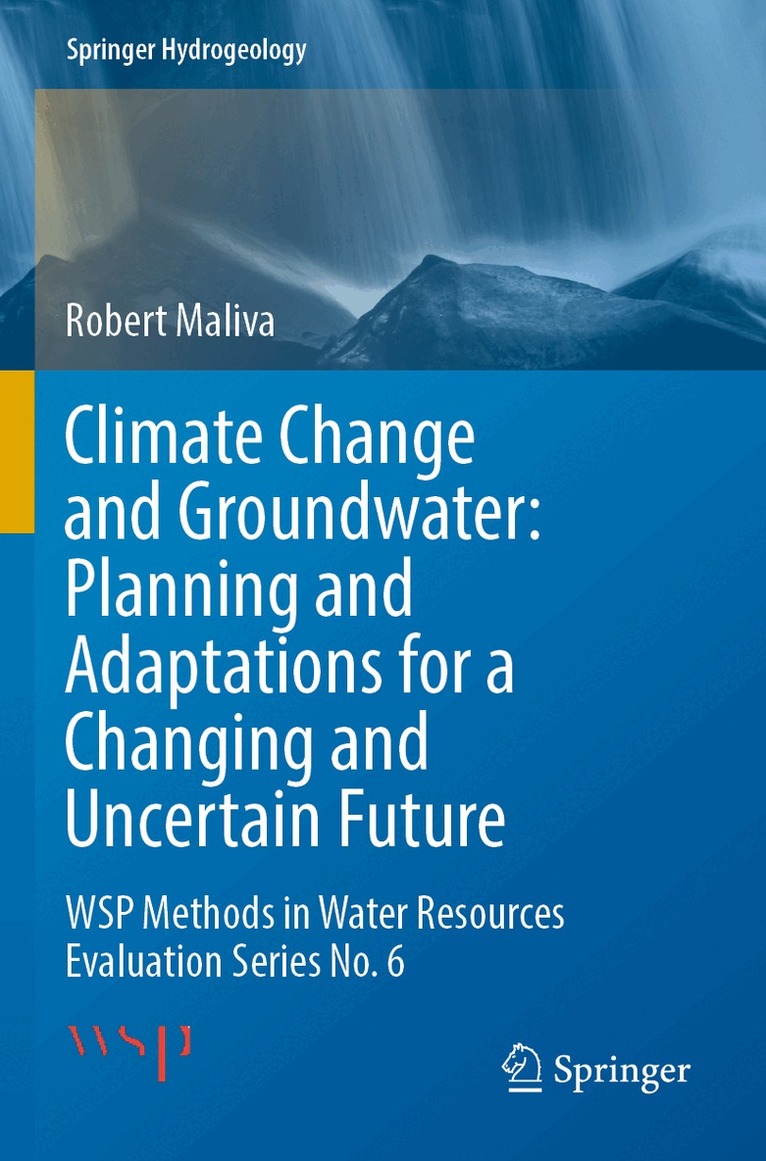
This book attempts to bridge the gap between the climate change research and decision-making communities by exploring the impacts of climate change on groundwater from a more applied perspective. Global climate change will impact groundwater demands, quality, and available supplies, and rising sea level may cause water tables to rise, inundating low-lying coastal areas. Groundwater will increasingly be needed to perform a stabilization role in mitigating fluctuations in the supply of surface waters, serving as a buffer against droughts. Climate change has become a frequent subject in the mass media, and the academic literature on the subject is now enormous. An impediment to climate change adaptation with respect to water is a poor link between the climate change research community and the actual decision-makers responsible for water supply planning. Key issues explored are methods for evaluating potential impacts on climate change on local groundwater systems, the adaptation of decision-making process, and how climate change adaptation can be mainstreamed into the water supply planning.
Inbunden, Engelska, 2012
2 176 kr
Skickas inom 10-15 vardagar
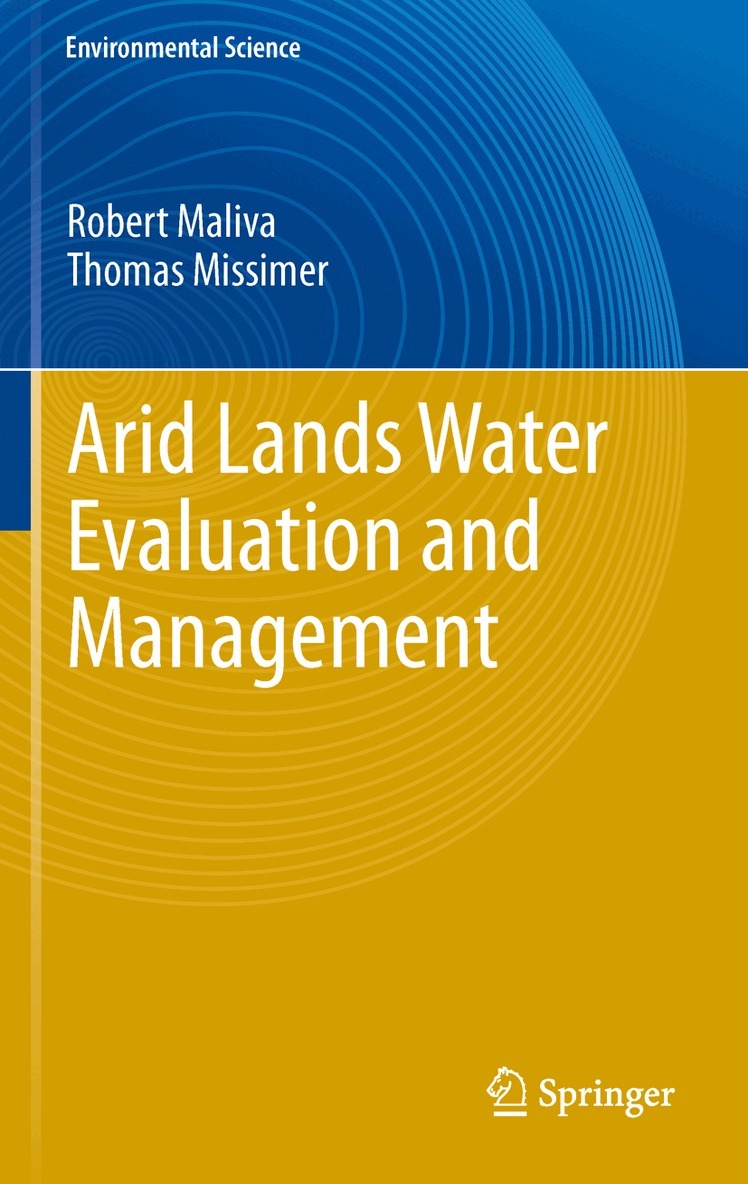
A large part of the global population lives in arid lands which have low rainfall and often lack the water required for sustainable population and economic growth. This book presents a comprehensive description of the hydrogeology and hydrologic processes at work in arid lands. It describes the techniques that can be used to assess and manage the water resources of these areas with an emphasis on groundwater resources, including recent advances in hydrologic evaluation and the differences between how aquifer systems behave in arid lands versus more humid areas. Water management techniques are described and summarized to show how a more comprehensive approach to water management is required in these areas, including the need to be aware of cultural sensitivities and conditions unique to many arid regions. The integration of existing resources with the addition of new water sources, such as desalination of brackish water and seawater, along with reusing treated wastewater, will be required to meet future water supply needs. Also, changing climatic conditions will force water management systems to be more robust so that future water supply demands can be met as droughts become more intense and rainfall events become more intense. A range of water management techniques are described and discussed in order to illustrate the methods for integrating these measures within the context of arid lands conditions.
E-bok
PDF, Engelska, 20122 741 kr
Läs direkt efter köp
A large part of the global population lives in arid lands which have low rainfall and often lack the water required for sustainable population and economic growth. This book presents a comprehensive description of the hydrogeology and hydrologic processes at work in arid lands. It describes the techniques that can be used to assess and manage the water resources of these areas with an emphasis on groundwater resources, including recent advances in hydrologic evaluation and the differences between how aquifer systems behave in arid lands versus more humid areas. Water management techniques are described and summarized to show how a more comprehensive approach to water management is required in these areas, including the need to be aware of cultural sensitivities and conditions unique to many arid regions. The integration of existing resources with the addition of new water sources, such as desalination of brackish water and seawater, along with reusing treated wastewater, will be required to meet future water supply needs. Also, changing climatic conditions will force water management systems to be more robust so that future water supply demands can be met as droughts become more intense and rainfall events become more intense. A range of water management techniques are described and discussed in order to illustrate the methods for integrating these measures within the context of arid lands conditions.
Häftad, Engelska, 2016
2 308 kr
Skickas inom 11-20 vardagar
A large part of the global population lives in arid lands which have low rainfall and often lack the water required for sustainable population and economic growth.