Robert P. Marini – författare
2 285 kr
Skickas inom 10-15 vardagar
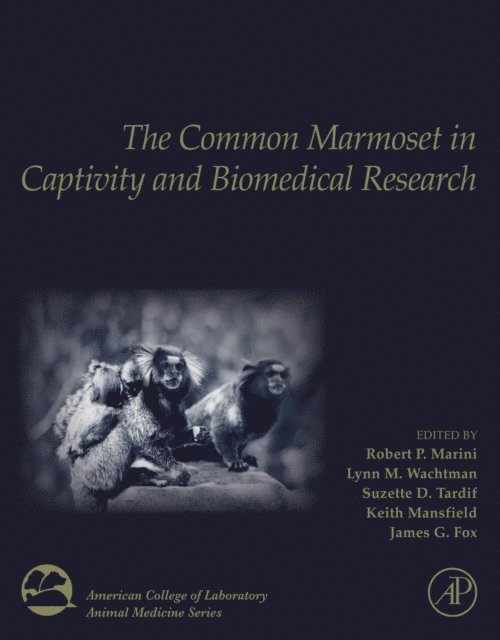
The Common Marmoset in Captivity and Biomedical Research is the first text dedicated exclusively to this species,filling an urgent need for an encyclopedic compilation of the existing information. Sponsored by the AmericanCollege of Laboratory Animal Medicine as part of its authoritative Blue Book series, the book covers the biology,management, diseases, and clinical and research applications of this important species. The common marmoset(Callithrix jacchus) has come of age in the scientific community as a behaviorally complex, cognitively advanced,small, prolific, and easily maintained nonhuman primate with many of the advantages of larger animals, such asmacaques, but without the attendant physical and zoonotic risks.
Marmosets are currently being used in diverse areas of inquiry, including vision and auditory research, infectious disease, cognitive neuroscience, behavior, reproductive biology, toxicology and drug development, and aging. Themarmoset genome has been sequenced and there is currently an intensive effort to apply gene editing technologies to the species. The creation of transgenic marmosets will provide researchers with a small nonhuman primatemodel to study a number of poorly understood disorders, like autism.
Presents a complete view of the marmoset, covering their biology and management, diseases and clinical applications, and research applications Includes contributions from renowned and international authors and editors Provides the first authoritative and comprehensive treatment of marmosets in biomedical research as part of the ACLAM Series3 272 kr
Läs direkt efter köp
1 829 kr
Skickas inom 5-8 vardagar
2 043 kr
Läs direkt efter köp
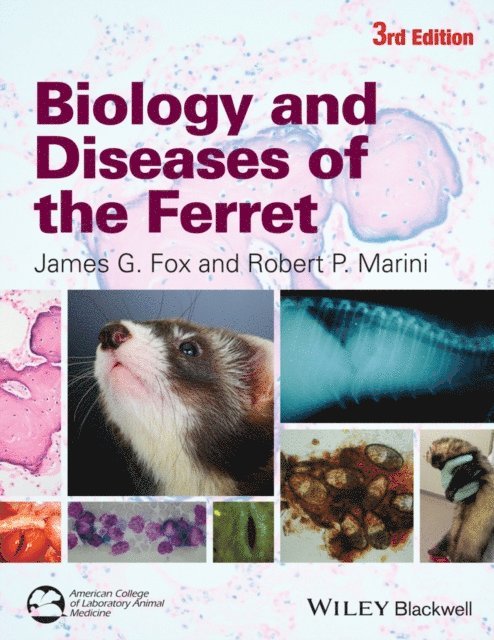
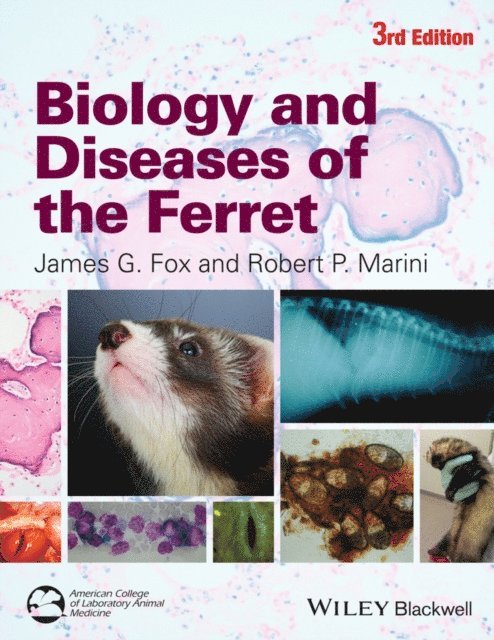
Biology and Diseases of the Ferret, Third Edition has been thoroughly revised and updated to provide a current, comprehensive reference on the ferret. Encyclopedic in scope, it is the only book to focus on the characteristics that make the ferret an important research animal, with detailed information on conditions, procedures, and treatments. Offering basic information on biology, husbandry, clinical medicine, and surgery, as well as unique information on the use of ferrets in biomedical research, Biology and Diseases of the Ferret is an essential resource for investigators using ferrets in the laboratory and for companion animal and comparative medicine veterinarians.
The Third Edition adds ten completely new chapters, covering regulatory considerations, black-footed ferret recovery, diseases of the cardiovascular system, viral respiratory disease research, morbillivirus research, genetic engineering, hearing and auditory function, vision and neuroplasticity research, nausea and vomiting research, and lung carcinogenesis research. Additionally, the anesthesia, surgery, and biomethodology chapter has been subdivided into three and thoroughly expanded. The book also highlights the ferret genome project, along with the emerging technology of genetically engineered ferrets, which is of particular importance to the future of the ferret as an animal model in research and will allow the investigation of diseases and their genetic basis in a small, easily maintained, non-rodent species.
2 043 kr
Läs direkt efter köp
Biology and Diseases of the Ferret, Third Edition has been thoroughly revised and updated to provide a current, comprehensive reference on the ferret. Encyclopedic in scope, it is the only book to focus on the characteristics that make the ferret an important research animal, with detailed information on conditions, procedures, and treatments. Offering basic information on biology, husbandry, clinical medicine, and surgery, as well as unique information on the use of ferrets in biomedical research, Biology and Diseases of the Ferret is an essential resource for investigators using ferrets in the laboratory and for companion animal and comparative medicine veterinarians.
The Third Edition adds ten completely new chapters, covering regulatory considerations, black-footed ferret recovery, diseases of the cardiovascular system, viral respiratory disease research, morbillivirus research, genetic engineering, hearing and auditory function, vision and neuroplasticity research, nausea and vomiting research, and lung carcinogenesis research. Additionally, the anesthesia, surgery, and biomethodology chapter has been subdivided into three and thoroughly expanded. The book also highlights the ferret genome project, along with the emerging technology of genetically engineered ferrets, which is of particular importance to the future of the ferret as an animal model in research and will allow the investigation of diseases and their genetic basis in a small, easily maintained, non-rodent species.