Robert T. Pennock – författare
Visar alla böcker från författaren Robert T. Pennock. Handla med fri frakt och snabb leverans.
7 produkter
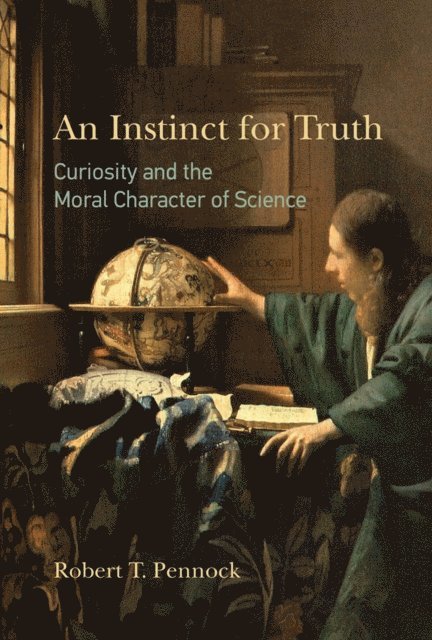
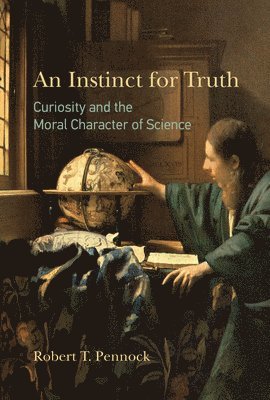
Instinct for Truth
E-bok, 2019
546 kr
Lägg i varukorg
An exploration of the scientific mindset—such character virtues as curiosity, veracity, attentiveness, and humility to evidence—and its importance for science, democracy, and human flourishing. Exemplary scientists have a characteristic way of viewing the world and their work: their mindset and …
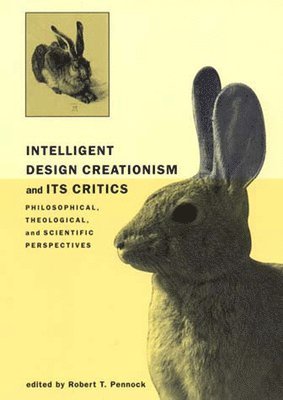
Intelligent Design Creationism and Its Critics: Philosophical, Theological, and Scientific Perspectives
Häftad, 2001
843 kr
Lägg i varukorg
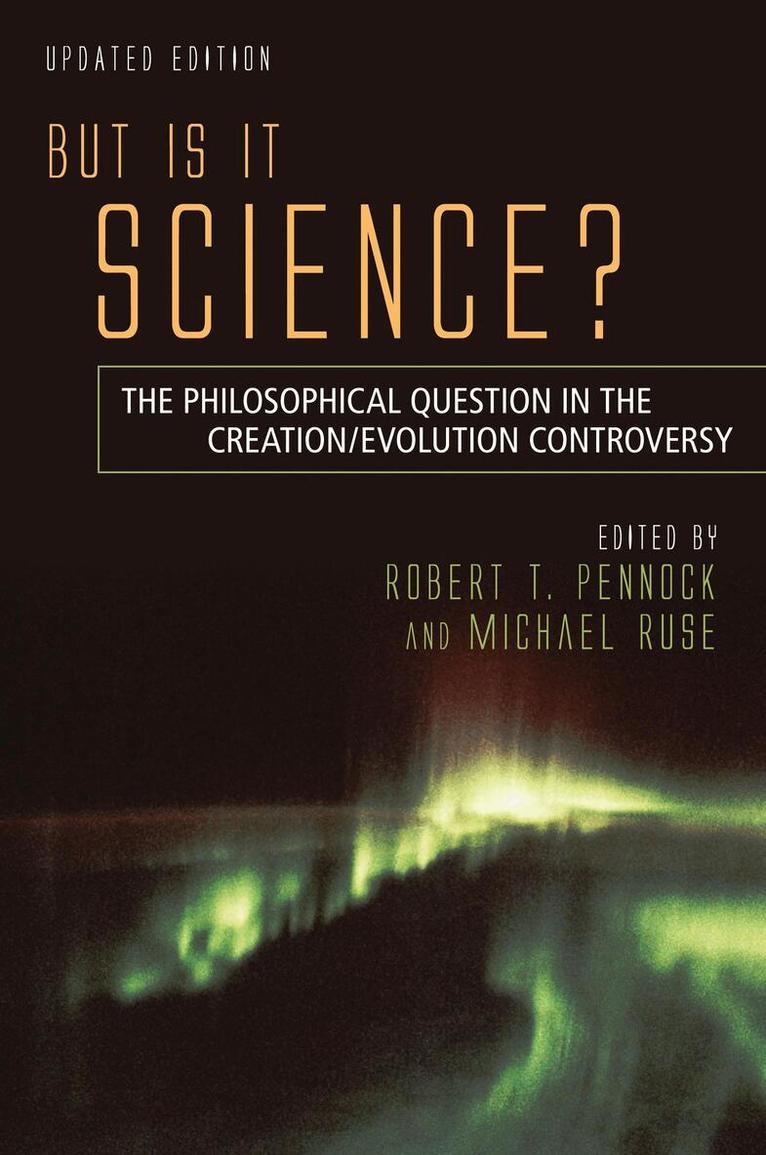
But Is It Science?
The Philosophical Question in the Creation/Evolution Controversy
Av Robert T. Pennock, Michael Ruse
Häftad, 2008
292 kr
Lägg i varukorg
On December 20, 2005, a U.S. district court in Dover, Pennsylvania, ruled in Kitzmiller et al. v. Dover Area School Board that teaching Intelligent Design in public school biology classes violates the Establishment Clause of the First Amendment to the Constitution of the United States. The judge …
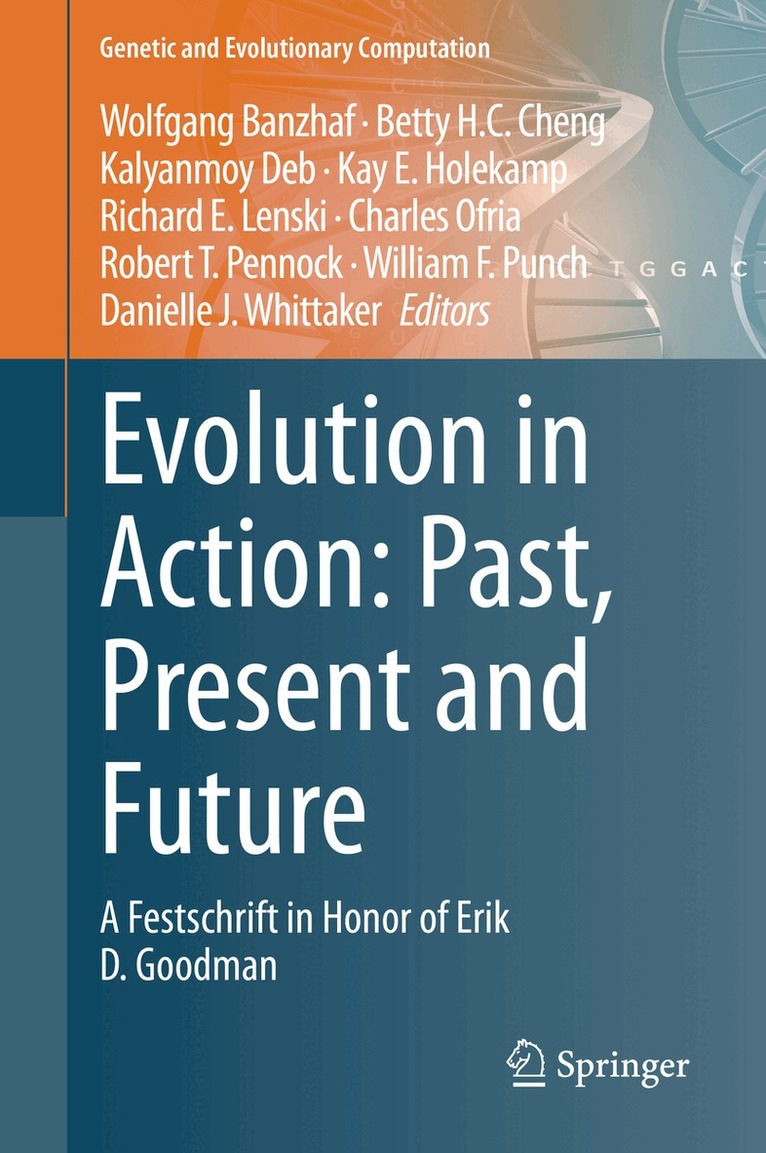
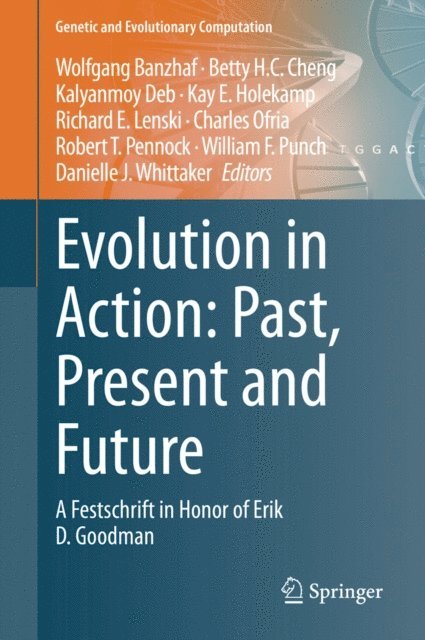
Evolution in Action: Past, Present and Future
A Festschrift in Honor of Erik D. Goodman
Av Wolfgang Banzhaf, Betty H.C. Cheng m. fl.
Inbunden, 2020
2403 kr
Lägg i varukorg
This edited research monograph brings together contributions from computer scientists, biologists, and engineers who are engaged with the study of evolution and how it may be applied to solve real-world problems. It also serves as a Festschrift dedicated to Erik D. Goodman, the founding director of …
Evolution in Action: Past, Present and Future
A Festschrift in Honor of Erik D. Goodman
Av Danielle J. Whittaker, William F. Punch m. fl.
E-bok, 2020
2982 kr
Lägg i varukorg
This edited research monograph brings together contributions from computer scientists, biologists, and engineers who are engaged with the study of evolution and how it may be applied to solve real-world problems. It also serves as a Festschrift dedicated to Erik D. Goodman, the founding director of …
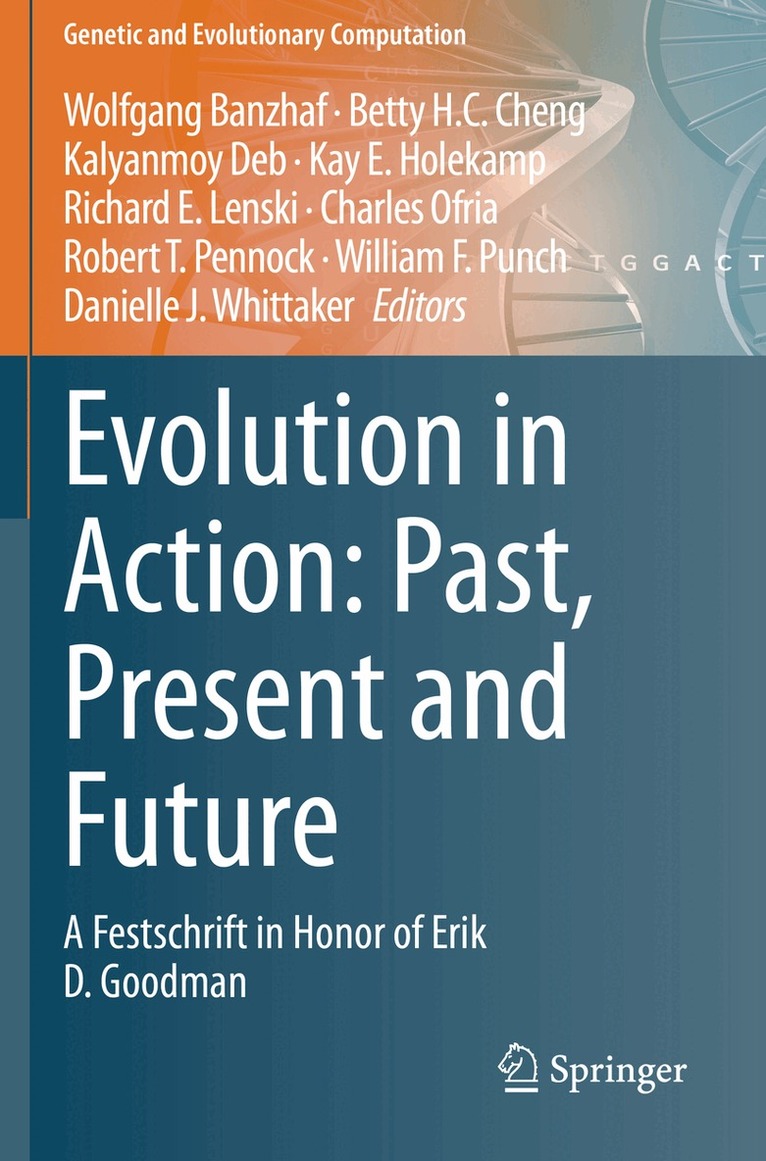
Evolution in Action: Past, Present and Future
A Festschrift in Honor of Erik D. Goodman
Av Wolfgang Banzhaf, Betty H.C. Cheng m. fl.
Häftad, 2021
2403 kr
Lägg i varukorg
This edited research monograph brings together contributions from computer scientists, biologists, and engineers who are engaged with the study of evolution and how it may be applied to solve real-world problems. It also serves as a Festschrift dedicated to Erik D. Goodman, the founding director of …