Robert Toft – författare
Visar alla böcker från författaren Robert Toft. Handla med fri frakt och snabb leverans.
19 produkter
Heart to Heart
Expressive Singing in England 1780-1830
Av Robert Toft
Inbunden, 2000
2839 kr
Lägg i varukorg
This book establishes the principles of interpretation that singers active in England (both foreign and English) applied to recitatives, arias, and songs, by composers such as Handel, Mozart, and Rossini. Expression lay at the heart of persuasive singing during the late eighteenth and early …
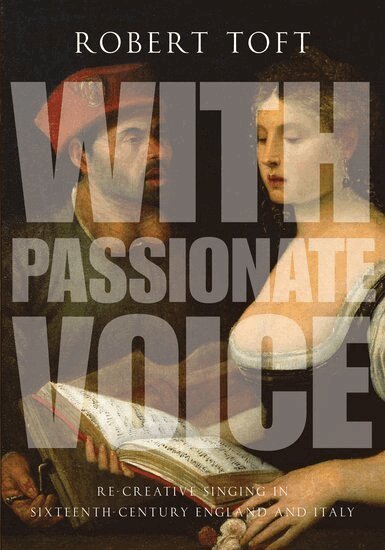
With Passionate Voice
Re-Creative Singing in 16th-Century England and Italy
Av Robert Toft
Inbunden, 2015
2517 kr
Lägg i varukorg
Musicians in the 16th century had a vastly different understanding of the structure and performance of music than today's performers. In order to transform inexpressively notated music into passionate declamation, Renaissance singers treated scores freely, and it was expected that each would …
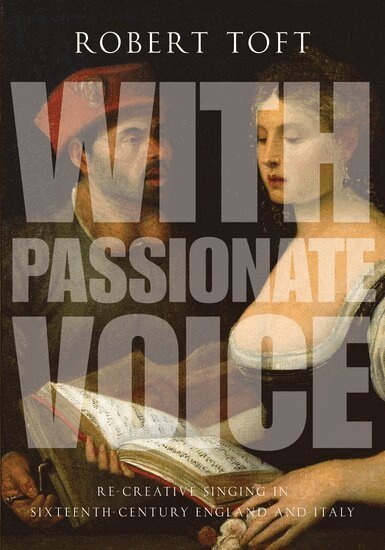
With Passionate Voice
Re-Creative Singing in 16th-Century England and Italy
Av Robert Toft
Häftad, 2015
931 kr
Lägg i varukorg
Musicians in the 16th century had a vastly different understanding of the structure and performance of music than today's performers. In order to transform inexpressively notated music into passionate declamation, Renaissance singers treated scores freely, and it was expected that each would …
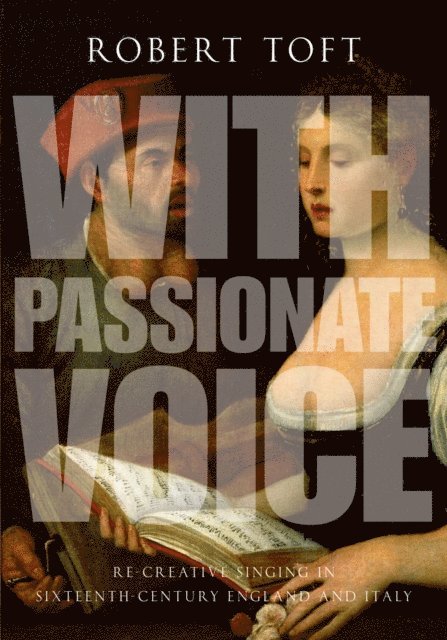
With Passionate Voice
Re-Creative Singing in Sixteenth-Century England and Italy
Av Robert Toft
E-bok, 2014
567 kr
Lägg i varukorg
Musicians in the 16th century had a vastly different understanding of the structure and performance of music than today''s performers. In order to transform inexpressively notated music into passionate declamation, Renaissance singers treated scores freely, and it was expected that each would …
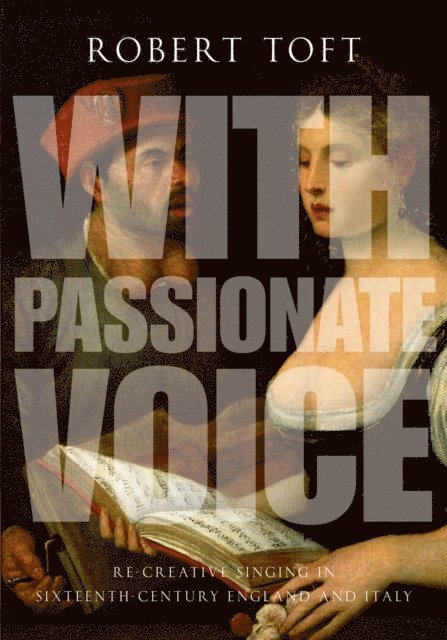
With Passionate Voice
Re-Creative Singing in Sixteenth-Century England and Italy
Av Robert Toft
E-bok, 2014
567 kr
Lägg i varukorg
Musicians in the 16th century had a vastly different understanding of the structure and performance of music than today''s performers. In order to transform inexpressively notated music into passionate declamation, Renaissance singers treated scores freely, and it was expected that each would …
Bel Canto
A Performer's Guide
Av Robert Toft
Inbunden, 2013
2306 kr
Lägg i varukorg
The art of bel canto, or 'beautiful singing,' is perhaps the most referenced and yet the most enigmatic and elusive style in the repertoire of the classically trained singer. During the bel canto era of the late eighteenth and early nineteenth centuries, composers routinely left the final shaping …
Bel Canto
A Performer's Guide
Av Robert Toft
Häftad, 2013
3,0 utav 5 stjärnor. Totalt antal röster: (1)
687 kr
Lägg i varukorg
The art of bel canto, or 'beautiful singing,' is perhaps the most referenced and yet the most enigmatic and elusive style in the repertoire of the classically trained singer. During the bel canto era of the late eighteenth and early nineteenth centuries, composers routinely left the final shaping …
Bel Canto
A Performer's Guide
Av Robert Toft
E-bok, 2012
571 kr
Lägg i varukorg
Bel canto , or ''beautiful singing,'' remains one of the most elusive performance styles vocalists strive to master. During the eighteenth and early nineteenth centuries, composers routinely left the final shaping of recitatives, arias, and songs to performers, and singers treated scores freely so …
Bel Canto
A Performer's Guide
Av Robert Toft
E-bok, 2012
571 kr
Lägg i varukorg
Bel canto , or ''beautiful singing,'' remains one of the most elusive performance styles vocalists strive to master. During the eighteenth and early nineteenth centuries, composers routinely left the final shaping of recitatives, arias, and songs to performers, and singers treated scores freely so …
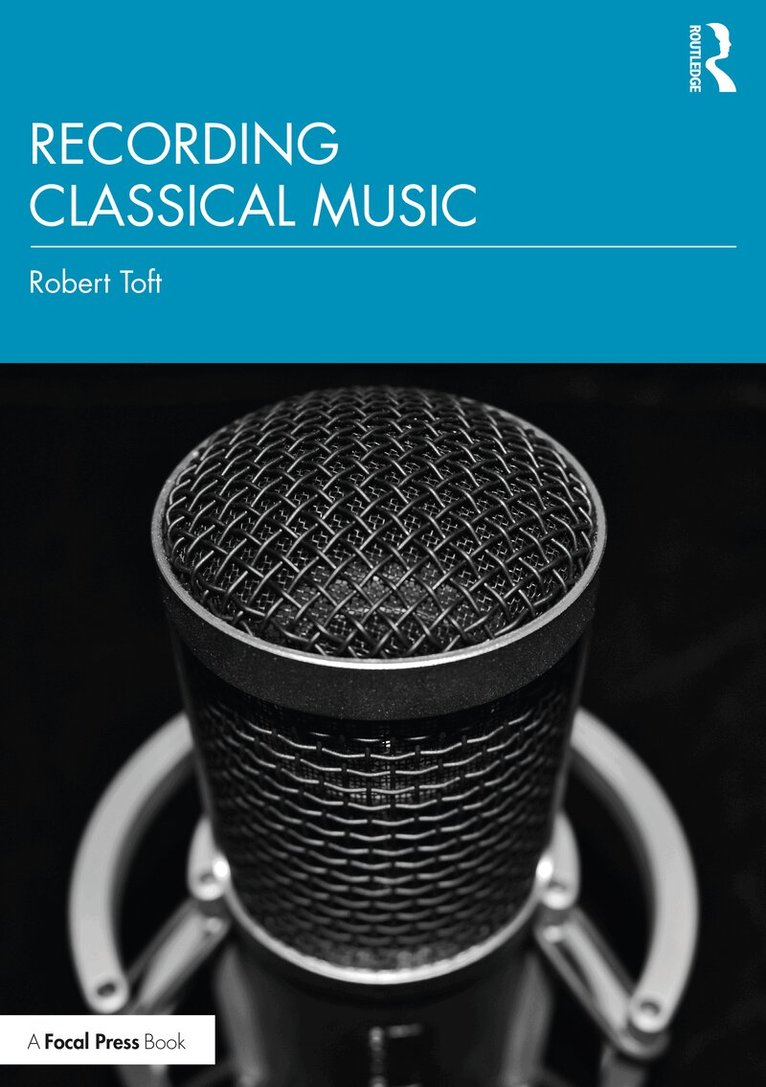
Recording Classical Music
Av Robert Toft
Häftad, 2019
652 kr
Lägg i varukorg
Recording Classical Music presents the fundamental principles of digitally recording and editing acoustic music in ambient spaces, focusing on stereo microphone techniques that will help musicians understand how to translate "live" environments into recorded sound.The book covers theory and the …
Recording Classical Music
Av Robert Toft
Inbunden, 2019
2585 kr
Lägg i varukorg
Recording Classical Music presents the fundamental principles of digitally recording and editing acoustic music in ambient spaces, focusing on stereo microphone techniques that will help musicians understand how to translate "live" environments into recorded sound.The book covers theory and the …
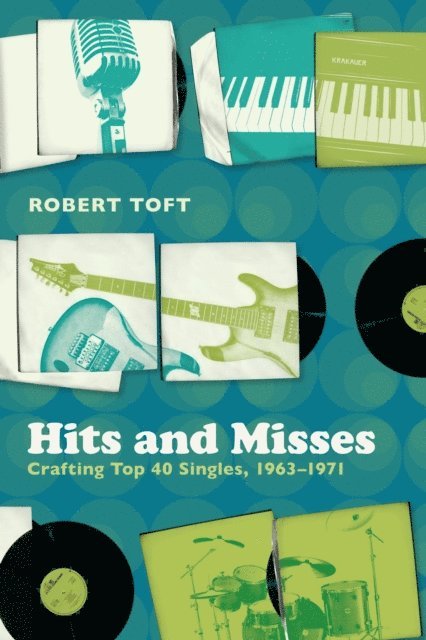
Hits and Misses
Crafting Top 40 Singles, 1963-1971
Av Robert Toft
Häftad, 2010
429 kr
Lägg i varukorg
This is a concise and insightful piece of popular music scholarship, analyzing the creative processes behind some very familiar hit singles from the 1960s. "Hits and Misses" examines a selection of songs and recordings through the lens of textual criticism and delineates the creative process as it …
Recording Classical Music
Av Robert Toft
E-bok, 2019
624 kr
Lägg i varukorg
Recording Classical Music presents the fundamental principles of digitally recording and editing acoustic music in ambient spaces, focusing on stereo microphone techniques that will help musicians understand how to translate "live" environments into recorded sound. The book covers theory and the …
Recording Classical Music
Av Robert Toft
E-bok, 2019
611 kr
Lägg i varukorg
Recording Classical Music presents the fundamental principles of digitally recording and editing acoustic music in ambient spaces, focusing on stereo microphone techniques that will help musicians understand how to translate "live" environments into recorded sound. The book covers theory and the …
Hits and Misses
Crafting Top 40 Singles, 1963-1971
Av Robert Toft
E-bok, 2010
456 kr
Lägg i varukorg
Hits and Misses examines a selection of songs and recordings through the lens of textual criticism and delineates the creative process as it unfolds from the initial conception of a song to the final mix presented on disc. The book takes as its subject top 40 singles released between 1963 and 1971 …
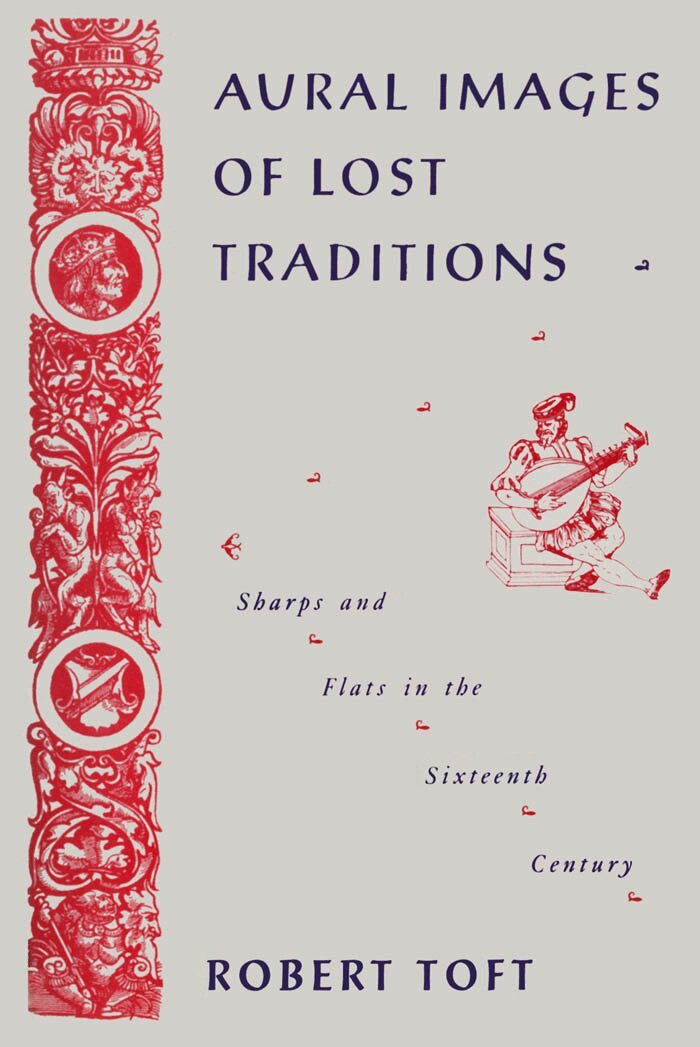
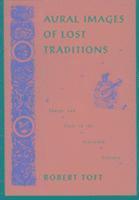
Aural Images of Lost Tradition
Av Robert Toft
E-bok, 1992
1158 kr
Lägg i varukorg
The oral traditions surrounding the application of sharps and flats to 16th century vocal music are documented in relation to theoretical literature, vocal sources, and intabulations of vocal music. Special reference is made to the motets of Josquin Desprez, Clemens non Papa, and Alexander Agricola.
Tune Thy Musicke to Thy Hart
The Art of Eloquent Singing in England 1597-1622
Av Robert Toft
Häftad, 1993
325 kr
Lägg i varukorg
Many singers today perform Elizabethan and Jacobean lute-songs. Robert Toft offers the first help for singers in understanding the principles which governed song performance and composition in the early seventeenth century. He shows how these historical principles may be used to move and delight …
Tune Thy Musicke to Thy Hart
The Art of Eloquent Singing in England 1597–1622
Av Robert Toft
E-bok, 1993
420 kr
Lägg i varukorg
Many singers today perform Elizabethan and Jacobean lute-songs. Robert Toft offers the first help for singers in understanding the principles which governed song performance and composition in the early seventeenth century. He shows how these historical principles may be used to move and delight …
Aural Images of Lost Tradition
Av Robert Toft
Inbunden, 1992
874 kr
Tillfälligt slut
The oral traditions surrounding the application of sharps and flats to 16th century vocal music are documented in relation to theoretical literature, vocal sources, and intabulations of vocal music. Special reference is made to the motets of Josquin Desprez, Clemens non Papa, and Alexander Agricola.