Robert X. Perez – författare
2 668 kr
Skickas inom 5-8 vardagar
2 264 kr
Skickas inom 11-20 vardagar
3 038 kr
Läs direkt efter köp
Process machines are critical to the profitability of processes. Safe, efficient and reliable machines are required to maintain dependable manufacturing processes that can create saleable, on-spec product on time, and at the desired production rate. As the wards of process machinery, we wish to keep our equipment in serviceable condition.
One of the most challenging aspects of a machinery professional or operator''s job is deciding whether an operating machine should be shut down due to a perceived problem or be allowed to keep operating. If he or she wrongly recommends a repair be conducted, the remaining useful machine life is wasted, but if he or she is right, they can save the organization from severe consequences, such as product releases, fires, costly secondary machine damage, etc. This economic balancing act is at the heart of all machinery assessments.
Troubleshooting is part science and part art. Simple troubleshooting tables or decision trees are rarely effective in solving complex, real-world machine problems. For this reason, the authors want to offer a novel way to attack machinery issues that can adversely affect the reliability and efficiency of your plant processes. The methodology presented in this book is not a rigid "cook book" approach but rather a flexible and dynamic process aimed at exploring process plant machines holistically, in order uncover the true nature the problem at hand.
3 006 kr
Läs direkt efter köp
Process machines are critical to the profitability of processes. Safe, efficient and reliable machines are required to maintain dependable manufacturing processes that can create saleable, on-spec product on time, and at the desired production rate. As the wards of process machinery, we wish to keep our equipment in serviceable condition.
One of the most challenging aspects of a machinery professional or operator''s job is deciding whether an operating machine should be shut down due to a perceived problem or be allowed to keep operating. If he or she wrongly recommends a repair be conducted, the remaining useful machine life is wasted, but if he or she is right, they can save the organization from severe consequences, such as product releases, fires, costly secondary machine damage, etc. This economic balancing act is at the heart of all machinery assessments.
Troubleshooting is part science and part art. Simple troubleshooting tables or decision trees are rarely effective in solving complex, real-world machine problems. For this reason, the authors want to offer a novel way to attack machinery issues that can adversely affect the reliability and efficiency of your plant processes. The methodology presented in this book is not a rigid "cook book" approach but rather a flexible and dynamic process aimed at exploring process plant machines holistically, in order uncover the true nature the problem at hand.
2 580 kr
Läs direkt efter köp
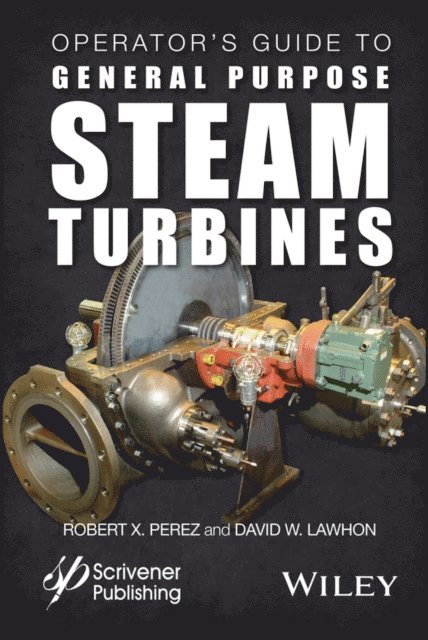
When installed and operated properly, general purpose steam turbines are reliable and tend to be forgotten, i.e., out of sound and out of mind. But, they can be sleeping giants that can result in major headaches if ignored. Three real steam turbine undesirable consequences that immediately come to mind are:
Injury and secondary damage due to an overspeed failure. An overspeed failure on a big steam or gas turbine is one of the most frightening of industrial accidents. The high cost of an extensive overhaul due to an undetected component failure. A major steam turbine repair can cost ten or more times that of a garden variety centrifugal pump repair. Costly production loses due an extended outage if the driven pump or compressor train is unspared. The value of lost production can quickly exceed repair costs.A major goal of this book is to provide readers with detailed operating procedure aimed at reducing these risks to minimal levels. Start-ups are complicated by the fact that operators must deal with numerous start-up scenarios, such as:
Commissioning a newly installed steam turbine Starting ups after a major steam turbine repair Starting up a proven steam turbine after an outage Overspeed trip testingIt is not enough to simply have a set of procedures in the control room for reference. To be effective, operating procedures must be clearly written down, taught, and practiced—until they become habit.
2 702 kr
Läs direkt efter köp
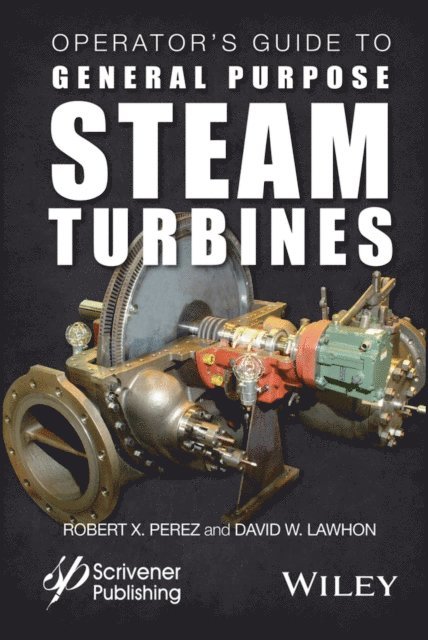
When installed and operated properly, general purpose steam turbines are reliable and tend to be forgotten, i.e., out of sound and out of mind. But, they can be sleeping giants that can result in major headaches if ignored. Three real steam turbine undesirable consequences that immediately come to mind are:
Injury and secondary damage due to an overspeed failure. An overspeed failure on a big steam or gas turbine is one of the most frightening of industrial accidents. The high cost of an extensive overhaul due to an undetected component failure. A major steam turbine repair can cost ten or more times that of a garden variety centrifugal pump repair. Costly production loses due an extended outage if the driven pump or compressor train is unspared. The value of lost production can quickly exceed repair costs.A major goal of this book is to provide readers with detailed operating procedure aimed at reducing these risks to minimal levels. Start-ups are complicated by the fact that operators must deal with numerous start-up scenarios, such as:
Commissioning a newly installed steam turbine Starting ups after a major steam turbine repair Starting up a proven steam turbine after an outage Overspeed trip testingIt is not enough to simply have a set of procedures in the control room for reference. To be effective, operating procedures must be clearly written down, taught, and practiced—until they become habit.
2 637 kr
Skickas inom 5-8 vardagar
3 116 kr
Läs direkt efter köp
The perfect primer for anyone responsible for operating or maintaining process gas compressors.
Gas compressors tend to be the largest, most costly, and most critical machines employed in chemical and gas transfer processes. Since they tend to have the greatest effect on the reliability of processes they power, compressors typically receive the most scrutiny of all the machinery among the general population of processing equipment. To prevent unwanted compressor failures from occurring, operators must be taught how their equipment should operate and how each installation is different from one another.
The ultimate purpose of this book is to teach those who work in process settings more about gas compressors, so they can start up and operate them correctly and monitor their condition with more confidence. Some may regard compressor technology as too broad and complex a topic for operating personnel to fully understand, but the author has distilled this vast body of knowledge into some key, easy to understand lessons for the reader to study at his or her own pace.
This groundbreaking new work is a must-have for any engineer, operator, or manager working with process compressors.
The main goals of this book are to:
Explain important theories and concepts about gases and compression processes with a minimum of mathematics Identify key compressor components and explain how they affect reliability Explain how centrifugal compressors, reciprocating compressors, and screw compressors function. Explain key operating factors that affect reliabilityIntroduce the reader to basic troubleshooting methodologies Introduce operators to proven field inspection techniques Improve the confidence of personnel operating compressors by teaching them the basics of compressor theory Improve compressor reliability plantwide by teaching operating and inspection best practices Improve communication between operating and supporting plant personnel by providing a common vocabulary of compressor terms Help processing plants avoid costly failures by teaching operators how to identify early compressor issues during field inspections3 007 kr
Läs direkt efter köp
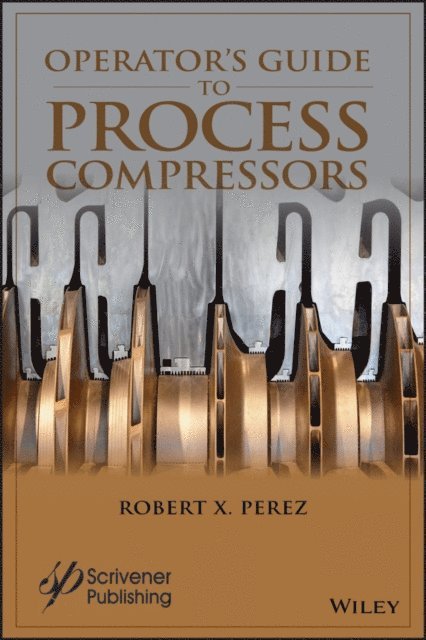
The perfect primer for anyone responsible for operating or maintaining process gas compressors.
Gas compressors tend to be the largest, most costly, and most critical machines employed in chemical and gas transfer processes. Since they tend to have the greatest effect on the reliability of processes they power, compressors typically receive the most scrutiny of all the machinery among the general population of processing equipment. To prevent unwanted compressor failures from occurring, operators must be taught how their equipment should operate and how each installation is different from one another.
The ultimate purpose of this book is to teach those who work in process settings more about gas compressors, so they can start up and operate them correctly and monitor their condition with more confidence. Some may regard compressor technology as too broad and complex a topic for operating personnel to fully understand, but the author has distilled this vast body of knowledge into some key, easy to understand lessons for the reader to study at his or her own pace.
This groundbreaking new work is a must-have for any engineer, operator, or manager working with process compressors.
The main goals of this book are to:
Explain important theories and concepts about gases and compression processes with a minimum of mathematics Identify key compressor components and explain how they affect reliability Explain how centrifugal compressors, reciprocating compressors, and screw compressors function. Explain key operating factors that affect reliabilityIntroduce the reader to basic troubleshooting methodologies Introduce operators to proven field inspection techniques Improve the confidence of personnel operating compressors by teaching them the basics of compressor theory Improve compressor reliability plantwide by teaching operating and inspection best practices Improve communication between operating and supporting plant personnel by providing a common vocabulary of compressor terms Help processing plants avoid costly failures by teaching operators how to identify early compressor issues during field inspections2 441 kr
Skickas inom 5-8 vardagar
2 732 kr
Läs direkt efter köp
This third volume in a broad collection of current rotating machinery topics, written by industry experts, is a must-have for rotating equipment engineers, maintenance personnel, students, and anyone else wanting to stay abreast with current rotating machinery concepts and technology.
Rotating Machinery Fundamentals and Advances represents a broad category of equipment, which includes pumps, compressors, fans, gas turbines, electric motors, internal combustion engines, etc., that are critical to the efficient operation of process facilities around the world. These machines must be designed to move gases and liquids safely, reliably, and in an environmentally friendly manner. To fully understand rotating machinery, owners must be familiar with their associated technologies, such as machine design, lubrication, fluid dynamics, thermodynamics, rotordynamics, vibration analysis, condition monitoring, maintenance practices, reliability theory, and others.
The goal of the “Advances in Rotating Machinery” book series is to provide industry practicioners a time-saving means of learning about the most up-to-date rotating machinery ideas and best practices. This three-book series covers industry-relevant topics, such as design assessments, modeling, reliability improvements, maintenance methods and best practices, reliability audits, data collection, data analysis, condition monitoring, and more.
Readers will find a good mix of theory and sage experience throughout this book series. Whether for the veteran engineer, a new hire, technician, or other industry professional, this is a must-have for any library.
This outstanding new vcolume includes:
Machinery monitoring concepts and best practices Optimizing Lubrication and Lubricant Analysis Machinery troubleshooting Reliability improvement ideas Professional development advice2 732 kr
Läs direkt efter köp
This third volume in a broad collection of current rotating machinery topics, written by industry experts, is a must-have for rotating equipment engineers, maintenance personnel, students, and anyone else wanting to stay abreast with current rotating machinery concepts and technology.
Rotating Machinery Fundamentals and Advances represents a broad category of equipment, which includes pumps, compressors, fans, gas turbines, electric motors, internal combustion engines, etc., that are critical to the efficient operation of process facilities around the world. These machines must be designed to move gases and liquids safely, reliably, and in an environmentally friendly manner. To fully understand rotating machinery, owners must be familiar with their associated technologies, such as machine design, lubrication, fluid dynamics, thermodynamics, rotordynamics, vibration analysis, condition monitoring, maintenance practices, reliability theory, and others.
The goal of the “Advances in Rotating Machinery” book series is to provide industry practicioners a time-saving means of learning about the most up-to-date rotating machinery ideas and best practices. This three-book series covers industry-relevant topics, such as design assessments, modeling, reliability improvements, maintenance methods and best practices, reliability audits, data collection, data analysis, condition monitoring, and more.
Readers will find a good mix of theory and sage experience throughout this book series. Whether for the veteran engineer, a new hire, technician, or other industry professional, this is a must-have for any library.
This outstanding new vcolume includes:
Machinery monitoring concepts and best practices Optimizing Lubrication and Lubricant Analysis Machinery troubleshooting Reliability improvement ideas Professional development advice2 992 kr
Läs direkt efter köp
This broad collection of current rotating machinery topics, written by industry experts, is a must-have for rotating equipment engineers, maintenance personnel, students, and anyone else wanting to stay abreast with current rotating machinery concepts and technology.
Rotating machinery represents a broad category of equipment, which includes pumps, compressors, fans, gas turbines, electric motors, internal combustion engines, and other equipment, that are critical to the efficient operation of process facilities around the world. These machines must be designed to move gases and liquids safely, reliably, and in an environmentally friendly manner. To fully understand rotating machinery, owners must be familiar with their associated technologies, such as machine design, lubrication, fluid dynamics, thermodynamics, rotordynamics, vibration analysis, condition monitoring, maintenance practices, reliability theory, and other topics.
The goal of the “Advances in Rotating Machinery” book series is to provide industry practitioners a time-savings means of learning about the most up-to-date rotating machinery ideas and best practices. This three-book series will cover industry-relevant topics, such as design assessments, modeling, reliability improvements, maintenance methods and best practices, reliability audits, data collection, data analysis, condition monitoring, and more.
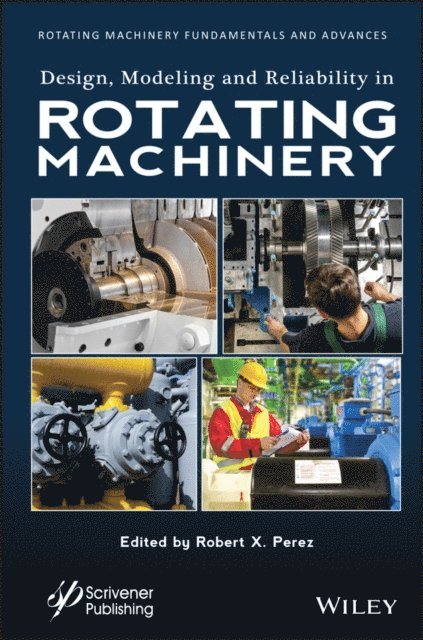
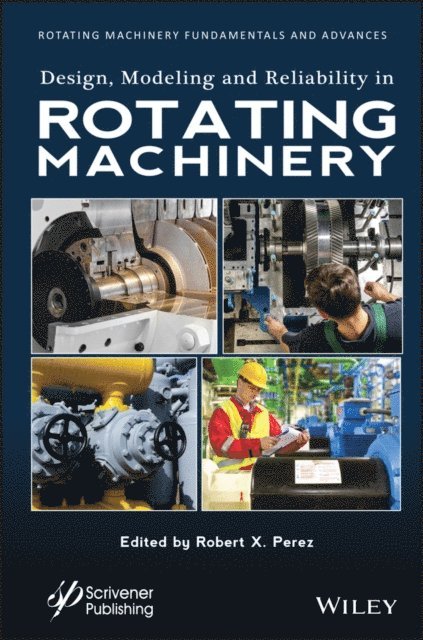
This first volume begins the series by focusing on rotating machinery design assessments, modeling and analysis, and reliability improvement ideas. This broad collection of current rotating machinery topics, written by industry experts, is a must-have for rotating equipment engineers, maintenance personnel, students, and anyone else wanting to stay abreast with current rotating machinery concepts and technology.
Design, Modeling, and Reliability in Rotating Machinery covers, among many other topics:
Rotordynamics and torsional vibration modeling Hydrodynamic bearing design theory and current practices Centrifugal and reciprocating compressor design and analysis Centrifugal pump design, selection, and monitoring General purpose steam turbine sizing2 127 kr
Skickas inom 5-8 vardagar
2 366 kr
Läs direkt efter köp
This broad collection of current rotating machinery topics, written by industry experts, is a must-have for rotating equipment engineers, maintenance personnel, students, and anyone else wanting to stay abreast with current rotating machinery concepts and technology.
Rotating machinery represents a broad category of equipment, which includes pumps, compressors, fans, gas turbines, electric motors, internal combustion engines, and other equipment, that are critical to the efficient operation of process facilities around the world. These machines must be designed to move gases and liquids safely, reliably, and in an environmentally friendly manner. To fully understand rotating machinery, owners must be familiar with their associated technologies, such as machine design, lubrication, fluid dynamics, thermodynamics, rotordynamics, vibration analysis, condition monitoring, maintenance practices, reliability theory, and other topics.
The goal of the “Advances in Rotating Machinery” book series is to provide industry practitioners a time-savings means of learning about the most up-to-date rotating machinery ideas and best practices. This three-book series will cover industry-relevant topics, such as design assessments, modeling, reliability improvements, maintenance methods and best practices, reliability audits, data collection, data analysis, condition monitoring, and more.
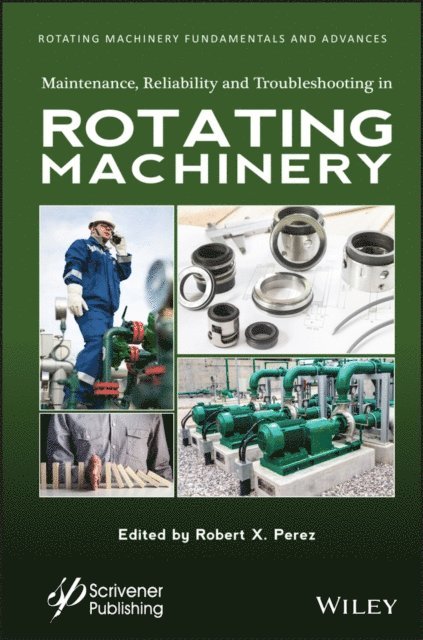
Volume one began the series by focusing on design and analysis. Volume two continues the series by covering important machinery reliability concepts and offering practical reliability improvement ideas. Best-in-class production facilities require exceptional machinery reliability performance. In this volume, exceptional machinery reliability is defined as the ability of critical rotating machines to consistently perform as designed, without degradation or failure, until their next scheduled overhaul. Readers will find this volume chock-full of practical ideas they can use to improve the reliability and efficiency of their machinery.
Maintenance, Reliability and Troubleshooting in Rotating Machinery covers, among many other topics:
General machinery reliablity advice Understanding failure data Design audits and improvement ideas Maintenace best practices Analyzing failures2 452 kr
Läs direkt efter köp
This broad collection of current rotating machinery topics, written by industry experts, is a must-have for rotating equipment engineers, maintenance personnel, students, and anyone else wanting to stay abreast with current rotating machinery concepts and technology.
Rotating machinery represents a broad category of equipment, which includes pumps, compressors, fans, gas turbines, electric motors, internal combustion engines, and other equipment, that are critical to the efficient operation of process facilities around the world. These machines must be designed to move gases and liquids safely, reliably, and in an environmentally friendly manner. To fully understand rotating machinery, owners must be familiar with their associated technologies, such as machine design, lubrication, fluid dynamics, thermodynamics, rotordynamics, vibration analysis, condition monitoring, maintenance practices, reliability theory, and other topics.
The goal of the “Advances in Rotating Machinery” book series is to provide industry practitioners a time-savings means of learning about the most up-to-date rotating machinery ideas and best practices. This three-book series will cover industry-relevant topics, such as design assessments, modeling, reliability improvements, maintenance methods and best practices, reliability audits, data collection, data analysis, condition monitoring, and more.
Volume one began the series by focusing on design and analysis. Volume two continues the series by covering important machinery reliability concepts and offering practical reliability improvement ideas. Best-in-class production facilities require exceptional machinery reliability performance. In this volume, exceptional machinery reliability is defined as the ability of critical rotating machines to consistently perform as designed, without degradation or failure, until their next scheduled overhaul. Readers will find this volume chock-full of practical ideas they can use to improve the reliability and efficiency of their machinery.
Maintenance, Reliability and Troubleshooting in Rotating Machinery covers, among many other topics:
General machinery reliablity advice Understanding failure data Design audits and improvement ideas Maintenace best practices Analyzing failures2 637 kr
Skickas inom 5-8 vardagar
3 101 kr
Läs direkt efter köp
This broad collection of current rotating machinery topics, written by industry experts, is a must-have for rotating equipment engineers, maintenance personnel, students, and anyone else wanting to stay abreast with current rotating machinery concepts and technology.
Rotating machinery represents a broad category of equipment, which includes pumps, compressors, fans, gas turbines, electric motors, internal combustion engines, and other equipment, that are critical to the efficient operation of process facilities around the world. These machines must be designed to move gases and liquids safely, reliably, and in an environmentally friendly manner. To fully understand rotating machinery, owners must be familiar with their associated technologies, such as machine design, lubrication, fluid dynamics, thermodynamics, rotordynamics, vibration analysis, condition monitoring, maintenance practices, reliability theory, and other topics.
The goal of the “Advances in Rotating Machinery” book series is to provide industry practitioners a time-savings means of learning about the most up-to-date rotating machinery ideas and best practices. This three-book series will cover industry-relevant topics, such as design assessments, modeling, reliability improvements, maintenance methods and best practices, reliability audits, data collection, data analysis, condition monitoring, and more.
This first volume begins the series by focusing on rotating machinery design assessments, modeling and analysis, and reliability improvement ideas. This broad collection of current rotating machinery topics, written by industry experts, is a must-have for rotating equipment engineers, maintenance personnel, students, and anyone else wanting to stay abreast with current rotating machinery concepts and technology.
Design, Modeling, and Reliability in Rotating Machinery covers, among many other topics:
Rotordynamics and torsional vibration modeling Hydrodynamic bearing design theory and current practices Centrifugal and reciprocating compressor design and analysis Centrifugal pump design, selection, and monitoring General purpose steam turbine sizing1 019 kr
Skickas inom 5-8 vardagar
1 129 kr
Läs direkt efter köp
Explore key facets of centrifugal pump ownership, installation, operation, and troubleshooting
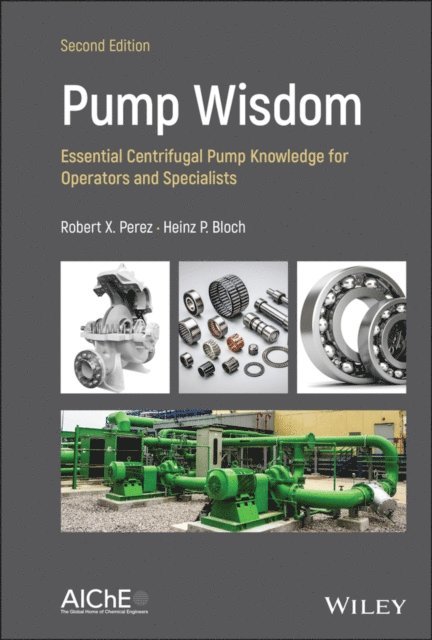
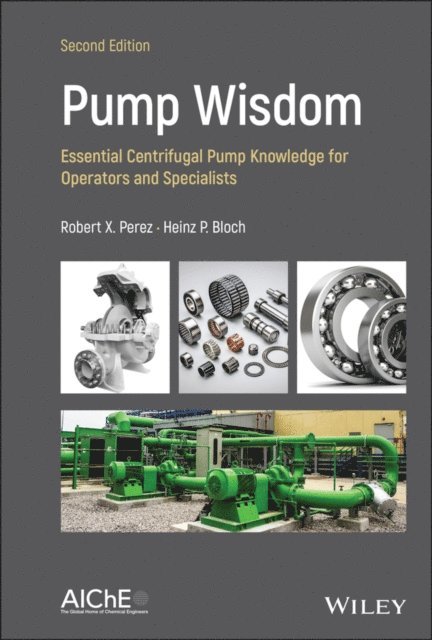
The Second Edition of Pump Wisdom: Essential Centrifugal Pump Knowledge for Operators and Specialists delivers a concise explanation of how pumps function, the design specifications that must be considered before purchasing a pump, and current best practices in lubrication and mechanical seals.
Readers will encounter new startup and surveillance tips for pump operators, as well as repair versus replacement or upgrade considerations for maintenance decision makers, new condition monitoring guidance for centrifugal pumps, and expanded coverage of operator best practices.
This latest edition of Pump Wisdom: Essential Centrifugal Pump Knowledge for Operators and Specialists includes expanded coverage of areas critical to achieving best-in-class pump reliability, including commonly encountered issues and easy-to-follow instructions for getting centrifugal pumps to operate safely and reliably.
This book also provides:
Comprehensible and accessible explanations of pump hydraulics Simple explorations of the mechanical aspects of pumps with coverage of bearings, seals, impeller trimming, lubricant application, and more Safety tips and instructions for centrifugal pumpsPerfect for chemical, petroleum, and mechanical engineers, Pump Wisdom: Essential Centrifugal Pump Knowledge for Operators and Specialists is also an ideal resource for operators, managers, purchasing agents, machinists, reliability technicians, and maintenance workers in water and wastewater plants.
1 129 kr
Läs direkt efter köp
Explore key facets of centrifugal pump ownership, installation, operation, and troubleshooting
The Second Edition of Pump Wisdom: Essential Centrifugal Pump Knowledge for Operators and Specialists delivers a concise explanation of how pumps function, the design specifications that must be considered before purchasing a pump, and current best practices in lubrication and mechanical seals.
Readers will encounter new startup and surveillance tips for pump operators, as well as repair versus replacement or upgrade considerations for maintenance decision makers, new condition monitoring guidance for centrifugal pumps, and expanded coverage of operator best practices.
This latest edition of Pump Wisdom: Essential Centrifugal Pump Knowledge for Operators and Specialists includes expanded coverage of areas critical to achieving best-in-class pump reliability, including commonly encountered issues and easy-to-follow instructions for getting centrifugal pumps to operate safely and reliably.
This book also provides:
Comprehensible and accessible explanations of pump hydraulics Simple explorations of the mechanical aspects of pumps with coverage of bearings, seals, impeller trimming, lubricant application, and more Safety tips and instructions for centrifugal pumpsPerfect for chemical, petroleum, and mechanical engineers, Pump Wisdom: Essential Centrifugal Pump Knowledge for Operators and Specialists is also an ideal resource for operators, managers, purchasing agents, machinists, reliability technicians, and maintenance workers in water and wastewater plants.
3 524 kr
Skickas inom 5-8 vardagar
4 167 kr
Läs direkt efter köp
4 167 kr
Läs direkt efter köp
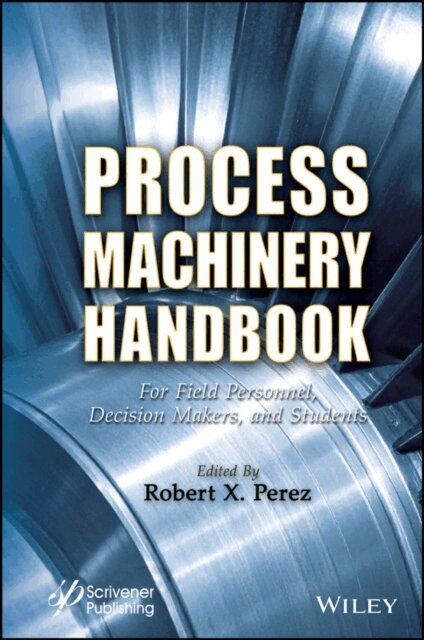
Process Machinery Handbook: For Field Personnel, Decision Makers, and Students equips newcomers and seasoned professionals with essential insights into the diverse world of process machinery, empowering them to understand unique performance characteristics, common failure modes, and effective strategies for enhancing reliability in their operations.
Any professional working at a production site for any length of time knows that process machinery comes in a wide range of designs and sizes, but not all process machines are considered equal. Some machines are more critical to the process than others, some are small, some are very large, some spin fast, and some turn relatively slowly. The great diversity in their construction and application can be daunting to those new to the industry and sometimes even challenge machinery veterans. There are many common concepts that apply to all equipment types, but each equipment category has its own unique application and performance characteristics, including cavitation in liquid handling pumps, surging in centrifugal gas compressors, rotor instability in high-speed centrifugal compressors, and the effect of the compression ratio on a reciprocating compressor’s the discharge temperature. It is also essential for users to understand how and why different types of machinery fail, keeping in mind that the common failure modes differ greatly between rotating machinery types. We know that by addressing the common types of failure modes associated with each machine type, we can achieve significant improvements in their reliability.
The first step in organizing an effective machinery reliability program is committing to performing failure analyses and gathering failure statistics. These activities will help users learn how and why their machines are failing. The next step is to continuously modify machines, processes, and methods to avoid common failures. Process Machinery Handbook: For Field Personnel, Decision Makers, and Students gives students and professionals alike the tools they need to understand the fundamentals of working with rotating machinery.
357 kr
Skickas inom 5-8 vardagar
422 kr
Skickas inom 5-8 vardagar
124 kr
Läs direkt efter köp
300 kr
Skickas inom 5-8 vardagar
213 kr
Skickas inom 5-8 vardagar
50 kr
Läs direkt efter köp
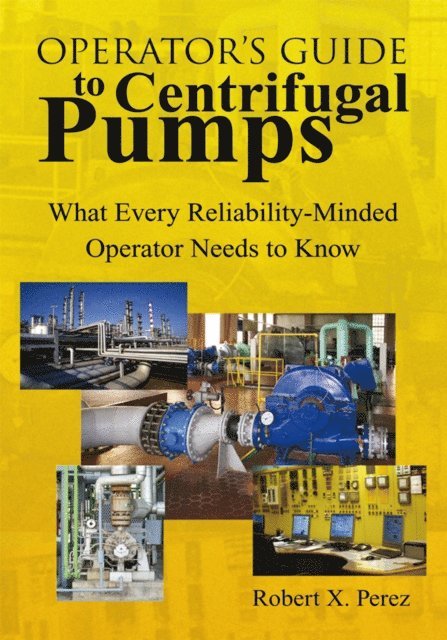
Many readers have found Operator''s Guide to Centrifugal Pumps (Xlibris, 2008) to be a valuable training resource for process operators. Volume 2 provides additional training material in the form of student challenge exams and additional exposure to reliability topics.
Volume 2 has two goals: The first goal is to continue to build on the general theme of pump reliability in process facilitates. The second goal is to provide student challenge exams for those wanting to master the material in Operator''s Guide to Centrifugal Pumps.
The first chapter covers how process operators can be better utilized to improve pump reliability. The importance of operating training and commissioning will be covered in the next two chapters. In the final chapter, a methodology for addressing troublesome centrifugal pumps is presented.
A majority of the book is comprised of three (3) different student challenge exams are included in Volume 2. Answers to all the exam questions are provided along with where the answers can be found in the Operator''s Guide. There are a total of 150 challenge questions with their answers.