Robert Zwijnenberg – författare
Visar alla böcker från författaren Robert Zwijnenberg. Handla med fri frakt och snabb leverans.
10 produkter
Bodily Extremities
Preoccupations with the Human Body in Early Modern European Culture
Av Florike Egmond, Robert Zwijnenberg
Inbunden, 2003
3262 kr
Lägg i varukorg
A strong preoccupation with the human body - often manifested in startling ways - is a characteristic shared by early modern Europeans and their present-day counterparts. Whilst modern manifestations of this interest include body piercing, tattoos, plastic surgery and eating disorders, early modern …
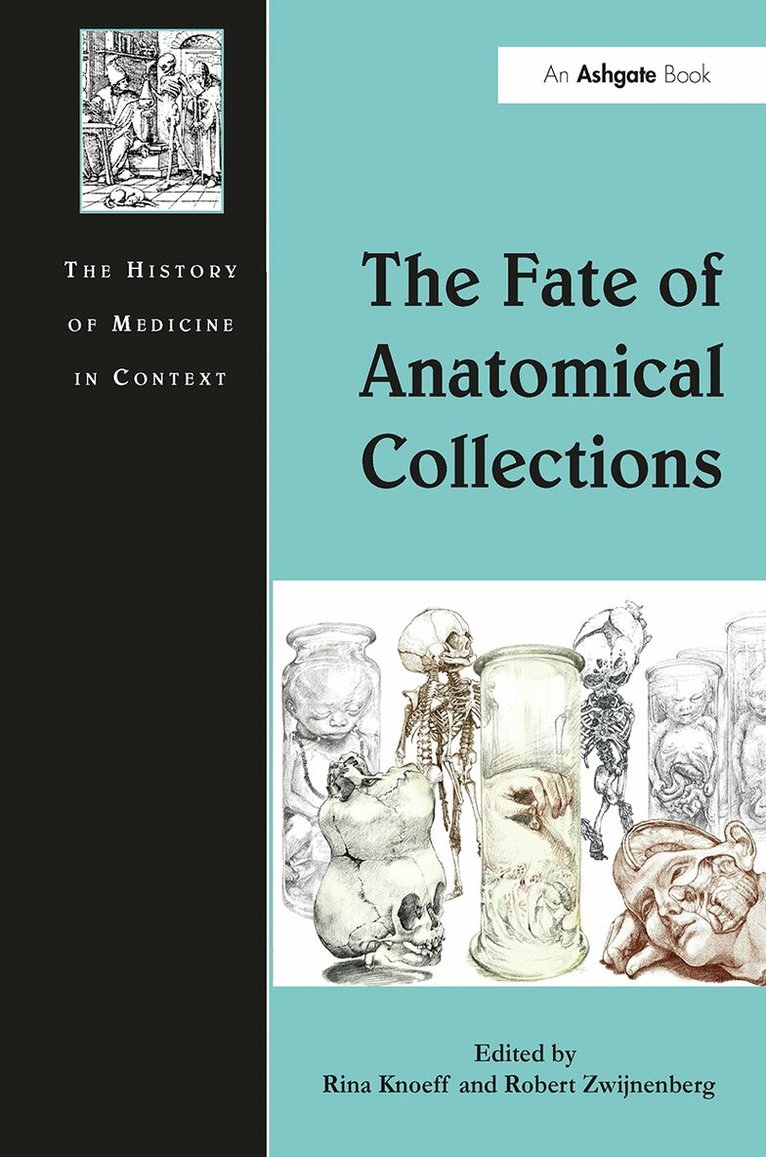
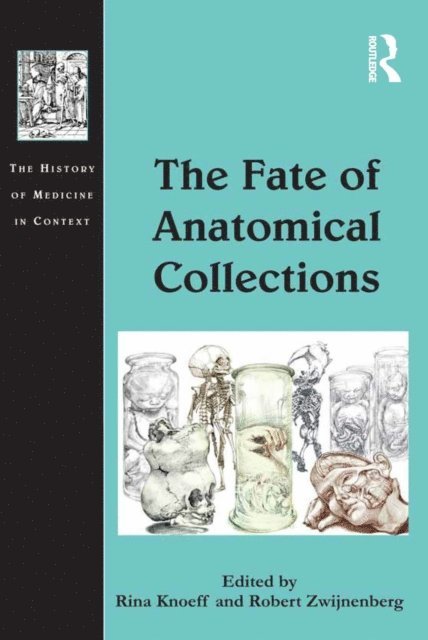
Fate of Anatomical Collections
Av Rina Knoeff, Robert Zwijnenberg
Häftad, 2024
667 kr
Lägg i varukorg
Almost every medical faculty possesses anatomical and/or pathological collections: human and animal preparations, wax- and other models, as well as drawings, photographs, documents and archives relating to them. In many institutions these collections are well-preserved, but in others they are …
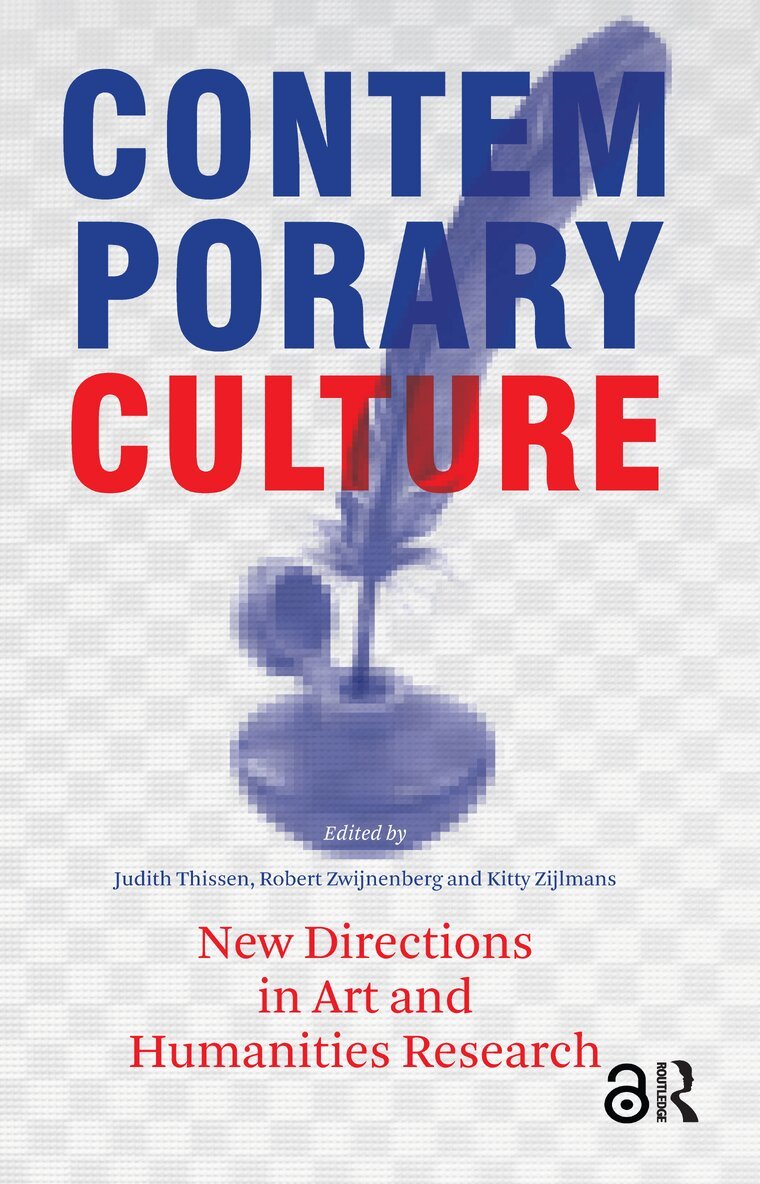
Contemporary Culture
New Directions in Arts and Humanities Research
Av Kitty Zijlmans, Robert Zwijnenberg m. fl.
E-bok, 2025
28 kr
Lägg i varukorg
Are the humanities still relevant in the twenty-first century? In the context of pervasive economic liberalism and shrinking budgets due to a deep and prolonged recession, the exigency of humanities research for society is increasingly put into question. This volume claims that the humanities do …
Contemporary Culture
New Directions in Arts and Humanities Research
Av Kitty Zijlmans, Robert Zwijnenberg m. fl.
E-bok, 2025
814 kr
Lägg i varukorg
Are the humanities still relevant in the twenty-first century? In the context of pervasive economic liberalism and shrinking budgets due to a deep and prolonged recession, the exigency of humanities research for society is increasingly put into question. This volume claims that the humanities do …
Fate of Anatomical Collections
Av Robert Zwijnenberg, Rina Knoeff
E-bok, 2016
768 kr
Lägg i varukorg
Almost every medical faculty possesses anatomical and/or pathological collections: human and animal preparations, wax- and other models, as well as drawings, photographs, documents and archives relating to them. In many institutions these collections are well-preserved, but in others they are …
Fate of Anatomical Collections
Av Robert Zwijnenberg, Rina Knoeff
E-bok, 2016
768 kr
Lägg i varukorg
Almost every medical faculty possesses anatomical and/or pathological collections: human and animal preparations, wax- and other models, as well as drawings, photographs, documents and archives relating to them. In many institutions these collections are well-preserved, but in others they are …
Bodily Extremities
Preoccupations with the Human Body in Early Modern European Culture
Av Robert Zwijnenberg, Florike Egmond
E-bok, 2017
829 kr
Lägg i varukorg
A strong preoccupation with the human body - often manifested in startling ways - is a characteristic shared by early modern Europeans and their present-day counterparts. Whilst modern manifestations of this interest include body piercing, tattoos, plastic surgery and eating disorders, early modern …
Bodily Extremities
Preoccupations with the Human Body in Early Modern European Culture
Av Robert Zwijnenberg, Florike Egmond
E-bok, 2017
838 kr
Lägg i varukorg
A strong preoccupation with the human body - often manifested in startling ways - is a characteristic shared by early modern Europeans and their present-day counterparts. Whilst modern manifestations of this interest include body piercing, tattoos, plastic surgery and eating disorders, early modern …
Fate of Anatomical Collections
Av Rina Knoeff, Robert Zwijnenberg
Inbunden, 2015
2595 kr
Lägg i varukorg
Almost every medical faculty possesses anatomical and/or pathological collections: human and animal preparations, wax- and other models, as well as drawings, photographs, documents and archives relating to them. In many institutions these collections are well-preserved, but in others they are …
Contemporary Culture
New Directions in Arts and Humanities Research
Av Robert Zwijnenberg, Kitty Zijlmans m. fl.
Häftad, 2013
764 kr
Lägg i varukorg
Are the humanities still relevant in the twenty-first century?