Roberto Graci – författare
Visar alla böcker från författaren Roberto Graci. Handla med fri frakt och snabb leverans.
9 produkter
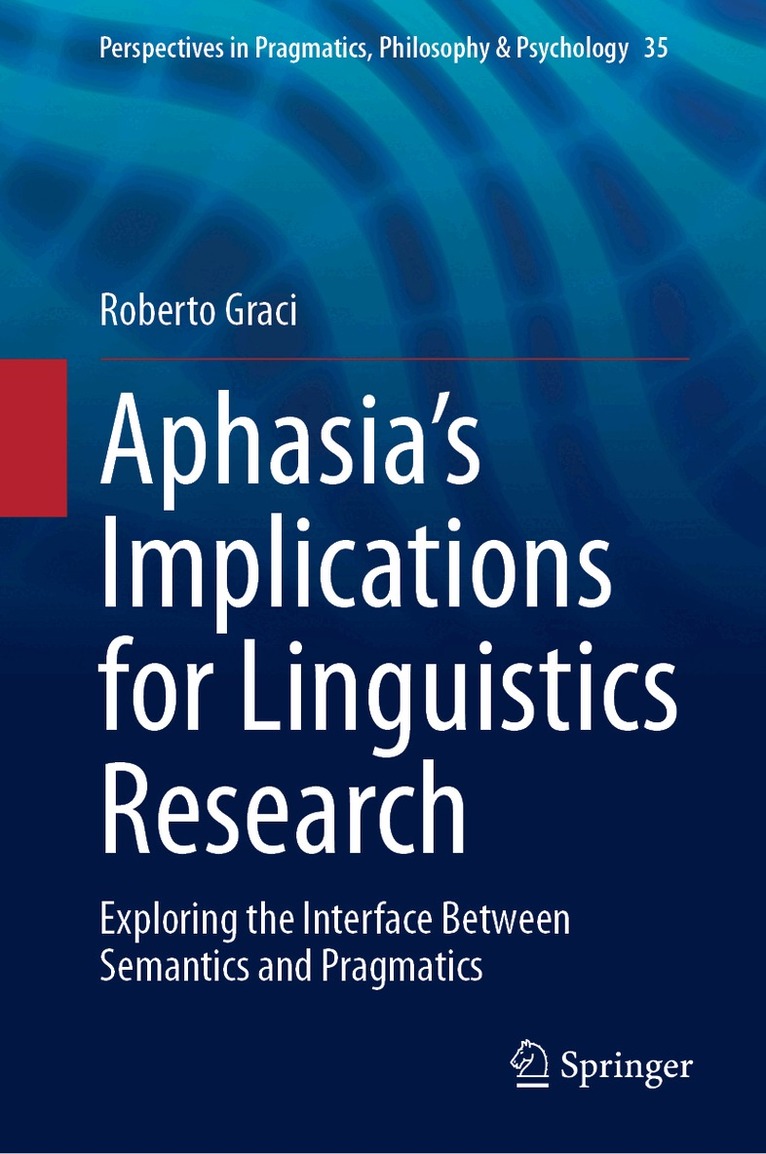
Aphasia’s Implications for Linguistics Research
Exploring the Interface Between Semantics and Pragmatics
Inbunden, 2023
1313 kr
Lägg i varukorg
This volume stresses the importance of a multidisciplinary perspective in deepening knowledge of the interface between semantics and pragmatics. It thoroughly investigates concepts belonging to Neo-Gricean and post-Gricean theories. Theoretical research in pragmatics has challenged the idea of a …
Aphasia's Implications for Linguistics Research
Exploring the Interface Between Semantics and Pragmatics
E-bok, 2023
1793 kr
Lägg i varukorg
This volume stresses the importance of a multidisciplinary perspective in deepening knowledge of the interface between semantics and pragmatics. It thoroughly investigates concepts belonging to Neo-Gricean and post-Gricean theories. Theoretical research in pragmatics has challenged the idea of a …
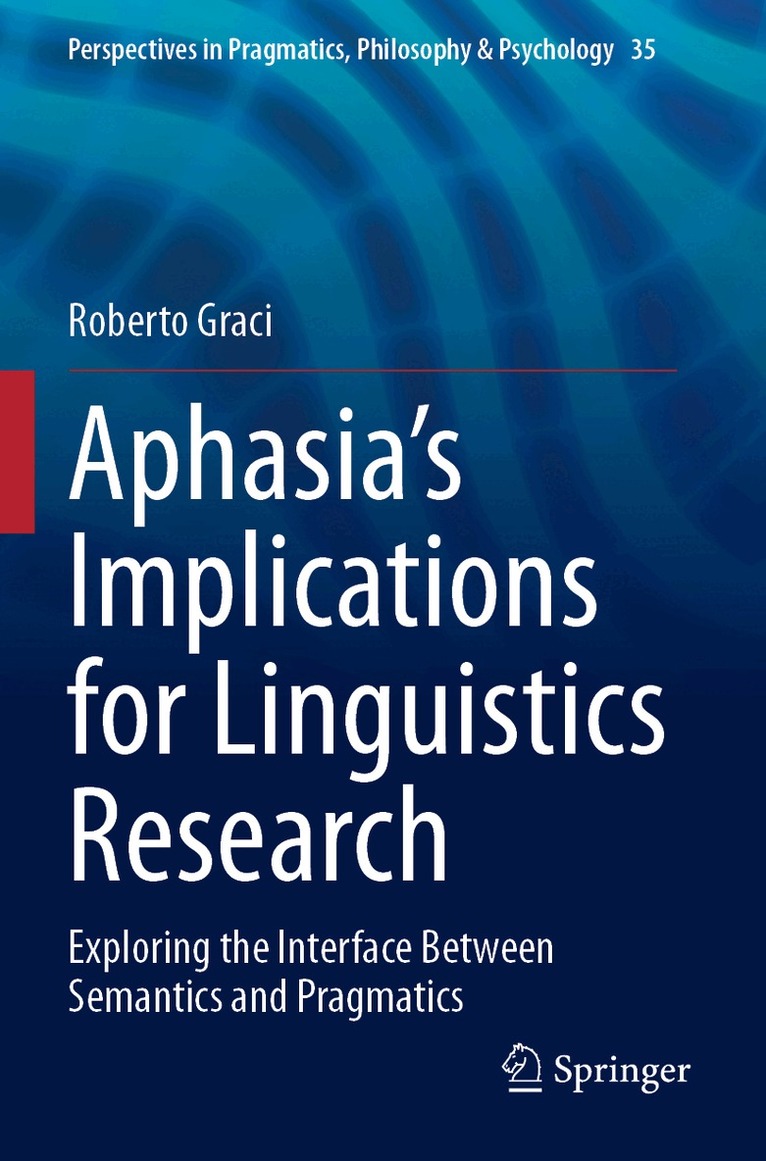
Aphasia’s Implications for Linguistics Research
Exploring the Interface Between Semantics and Pragmatics
Häftad, 2024
1313 kr
Lägg i varukorg
This volume stresses the importance of a multidisciplinary perspective in deepening knowledge of the interface between semantics and pragmatics. It thoroughly investigates concepts belonging to Neo-Gricean and post-Gricean theories. Theoretical research in pragmatics has challenged the idea of a …
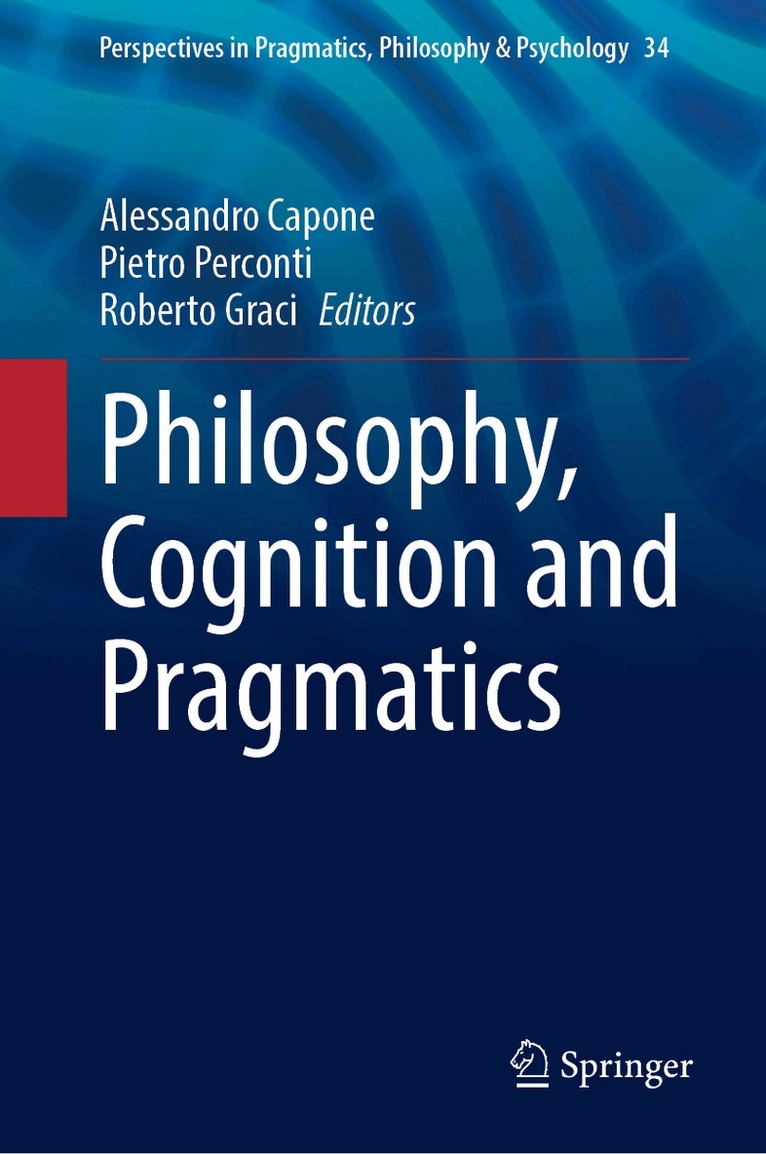
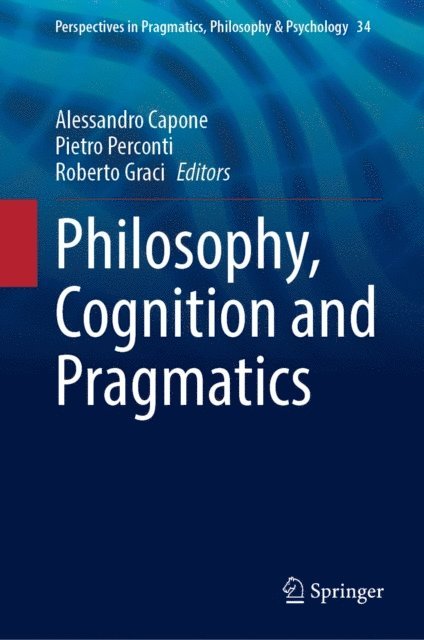
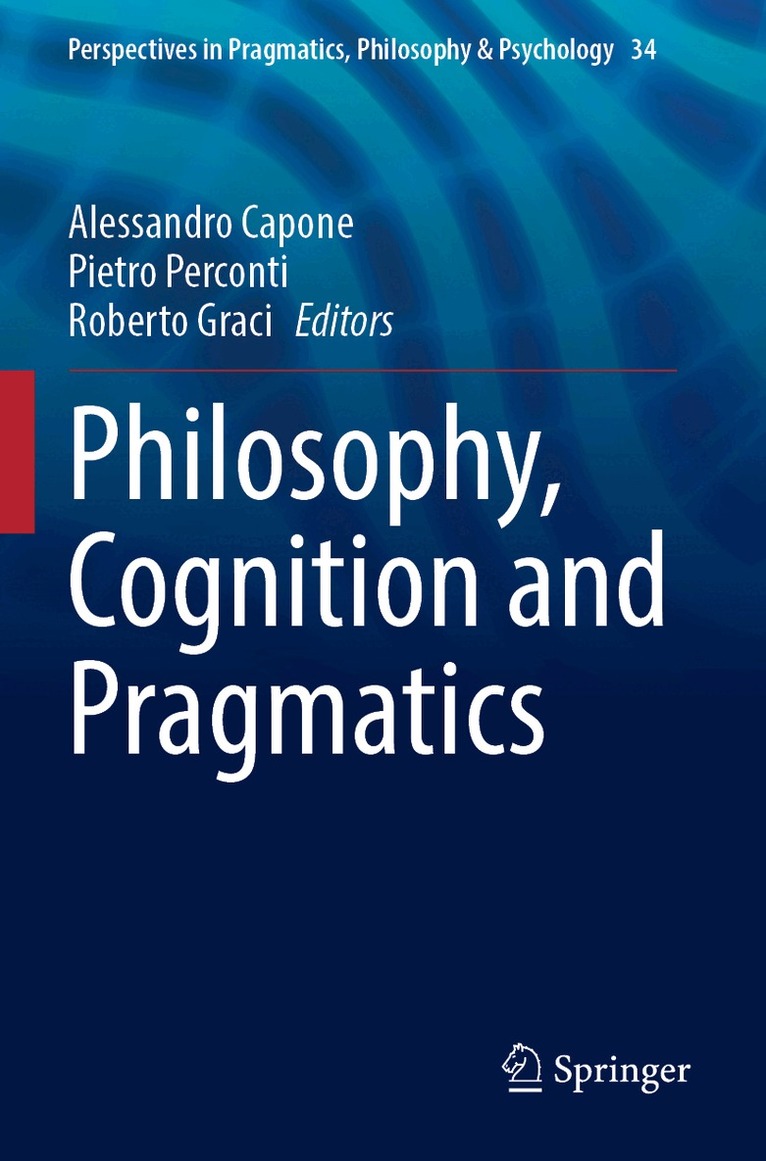
Philosophy, Cognition and Pragmatics
Av Alessandro Capone, Pietro Perconti m. fl.
Inbunden, 2024
1639 kr
Lägg i varukorg
This book contains essential contributions to enrich and broaden the application field of pragmatics. It provides an example of how the fruitful reflections and refined conceptual distinctions born in the philosophical field can find a practical application in addressing social, cognitive, …
Philosophy, Cognition and Pragmatics
Av Roberto Graci, Pietro Perconti m. fl.
E-bok, 2024
2044 kr
Lägg i varukorg
This book contains essential contributions to enrich and broaden the application field of pragmatics. It provides an example of how the fruitful reflections and refined conceptual distinctions born in the philosophical field can find a practical application in addressing social, cognitive, …
Philosophy, Cognition and Pragmatics
Av Alessandro Capone, Pietro Perconti m. fl.
Häftad, 2025
1639 kr
Lägg i varukorg
This book contains essential contributions to enrich and broaden the application field of pragmatics. It provides an example of how the fruitful reflections and refined conceptual distinctions born in the philosophical field can find a practical application in addressing social, cognitive, …
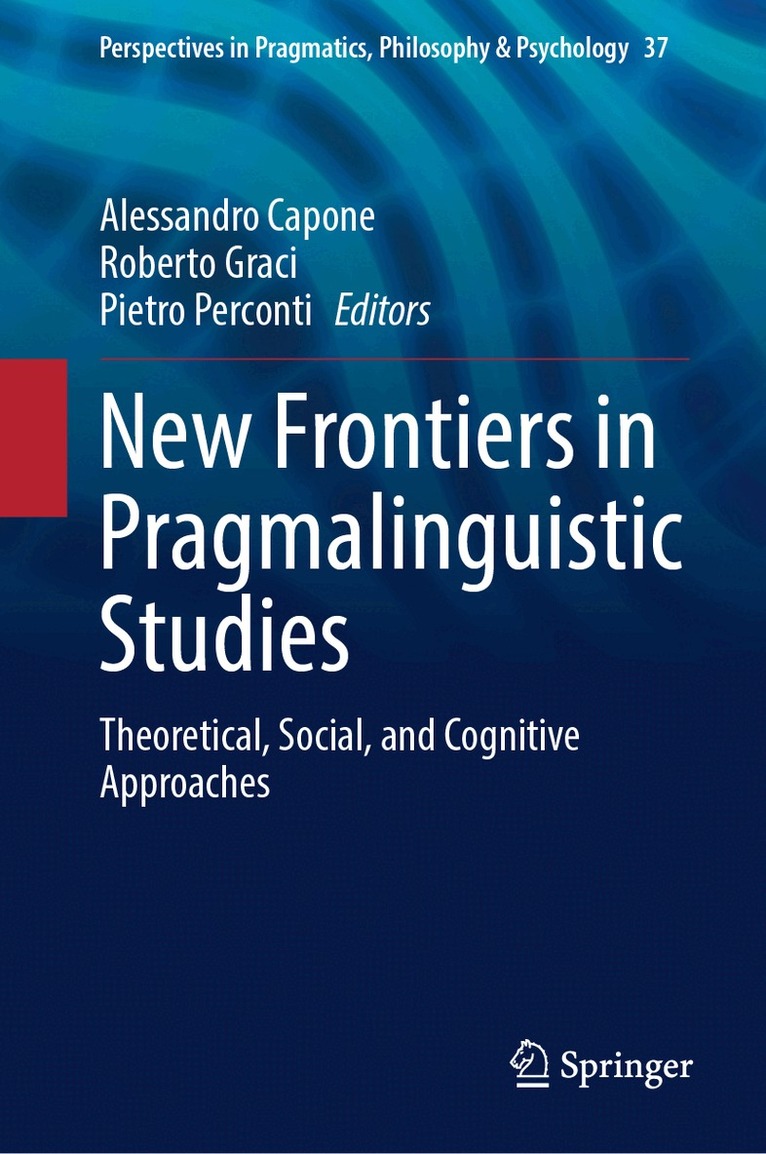
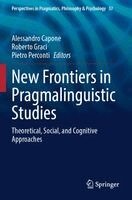
New Frontiers in Pragmalinguistic Studies
Theoretical, Social, and Cognitive Approaches
Av Alessandro Capone, Roberto Graci m. fl.
Inbunden, 2025
2024 kr
Lägg i varukorg
This book contains a comprehensive view of pragmalinguistic studies and their recent ramifications, boasting some of the most advanced recent research in pragmatics. Organised into three sections—pragmalinguistics, social pragmatics, and cognitive-inferential pragmatics, respectively—the chapters …
New Frontiers in Pragmalinguistic Studies
Theoretical, Social, and Cognitive Approaches
Av Pietro Perconti, Roberto Graci m. fl.
E-bok, 2025
2677 kr
Lägg i varukorg
This book contains a comprehensive view of pragmalinguistic studies and their recent ramifications, boasting some of the most advanced recent research in pragmatics. Organised into three sections—pragmalinguistics, social pragmatics, and cognitive-inferential pragmatics, respectively—the chapters …
New Frontiers in Pragmalinguistic Studies
Theoretical, Social, and Cognitive Approaches
Av Alessandro Capone, Roberto Graci m. fl.
Häftad, 2026
2024 kr
Lägg i varukorg
This book contains a comprehensive view of pragmalinguistic studies and their recent ramifications, boasting some of the most advanced recent research in pragmatics. Organised into three sections—pragmalinguistics, social pragmatics, and cognitive-inferential pragmatics, respectively—the chapters …